Appalachian Trail Hammock vs Tent: Which is Right for You
When hiking the Appalachian Trail, both hammocks and tents have their pros and cons. For many thru-hikers, a lightweight hammock system often wins out due to its comfort and versatility, especially in areas with plenty of trees. However, tents offer better protection in open or treeless environments and against certain types of bugs. The best choice depends on your personal preferences and where you plan to camp most often.
We found that while tents are more common for casual camping, the AT community has largely embraced the hammock. Hammocks can offer a more comfortable sleep for some, adapting to your body shape. They also tend to have a smaller packed size. Tents, on the other hand, can be easier to set up on uneven ground and provide more enclosed shelter from wind and rain.
- Hammocks are often preferred for AT thru-hiking.
- They can offer superior comfort and pack smaller.
- Tents provide better shelter in open areas.
- Setup can be easier for tents on varied terrain.
- Your personal comfort is the biggest factor.
Let’s break down which option might be the perfect fit for your AT adventure.
Choosing Your Appalachian Trail Shelter: Hammock or Tent?
Deciding between a hammock and a tent for your Appalachian Trail journey is a big choice. Many hikers weigh the pros and cons carefully. We found that the AT community leans towards hammocks. But tents still have their place. Your personal comfort and where you’ll be sleeping are key factors.
The Case for Hammocks on the AT
Hammocks offer a unique sleeping experience. They conform to your body. This can mean less pressure on your hips and back. Many thru-hikers report waking up more refreshed. It’s like sleeping in a comfortable sling. This can be a real game-changer on a long hike.
Comfort and Body Adaptability
Your body is unique. A hammock can adapt to your shape. This often translates to a more restful night’s sleep. Unlike a flat sleeping pad in a tent, a hammock cradles you. Some find this significantly reduces aches and pains.
Weight and Packability
When every ounce matters, a hammock system often wins. A typical hammock, suspension, and bug net can weigh less than a comparable tent. They also pack down smaller. This means more space in your backpack for other essentials. We found that even with a tarp for rain, the weight can still be very competitive.
Versatility in Campsite Selection
Trees are your friends with a hammock. The AT is famous for its forests. This gives you plenty of opportunities to hang your shelter. You can often find a perfect spot between two sturdy trees. This can make setting up camp a quick and enjoyable task.
The Advantages of Tents on the Trail
Tents provide a different kind of shelter. They offer a more enclosed space. This can be a comfort for many hikers. Tents are also the traditional choice for many backpackers.
Protection from the Elements
When the weather turns, a tent can feel like a fortress. They offer excellent protection from wind and rain. A good tent will keep you dry and shielded. This is especially important in exposed areas. You get a fully enclosed space, creating a barrier.
Bug and Critter Defense
Tents often have integrated mesh. This provides a reliable barrier against insects. Mosquitoes and other biting bugs can be a nuisance. A tent can offer a peace of mind against unwanted guests. Some hammock setups also have bug nets, but a tent’s full enclosure can feel more secure to some.
Setup on Varied Terrain
Not every campsite has perfect trees. Sometimes you’ll find yourself on rocky ground. Or perhaps a slope. Tents can be pitched almost anywhere. You just need a relatively flat spot. This offers more flexibility in campsite choices in certain situations. We found that setting up a tent on uneven ground is often easier than trying to find ideal tree placement for a hammock.
Key Considerations for Your Decision
Your personal preferences matter most. Think about what makes you feel most comfortable. Consider the type of hiker you are. Are you looking for minimal weight? Or maximum protection?
Weight vs. Protection Trade-offs
Generally, hammocks are lighter. Tents offer more robust protection. But this isn’t always true. High-end ultralight tents can rival hammock weights. Similarly, some hammock setups with robust tarps can add weight. It’s about finding the right balance for your needs.
Weather and Environment
Where will you be hiking most? The AT has varied terrain. While much of it is forested, there are sections above treeline. Or in open meadows. In these areas, a tent is often the more practical choice. Hammocks need trees. If you anticipate spending time in treeless zones, a tent might be a better bet.
Personal Comfort and Sleep Quality
This is where the personal preference really shines. Some people love sleeping in a hammock. Others find it awkward or claustrophobic. We found that while many thru-hikers swear by their hammocks, it’s not for everyone. Try both if you can before your trip.
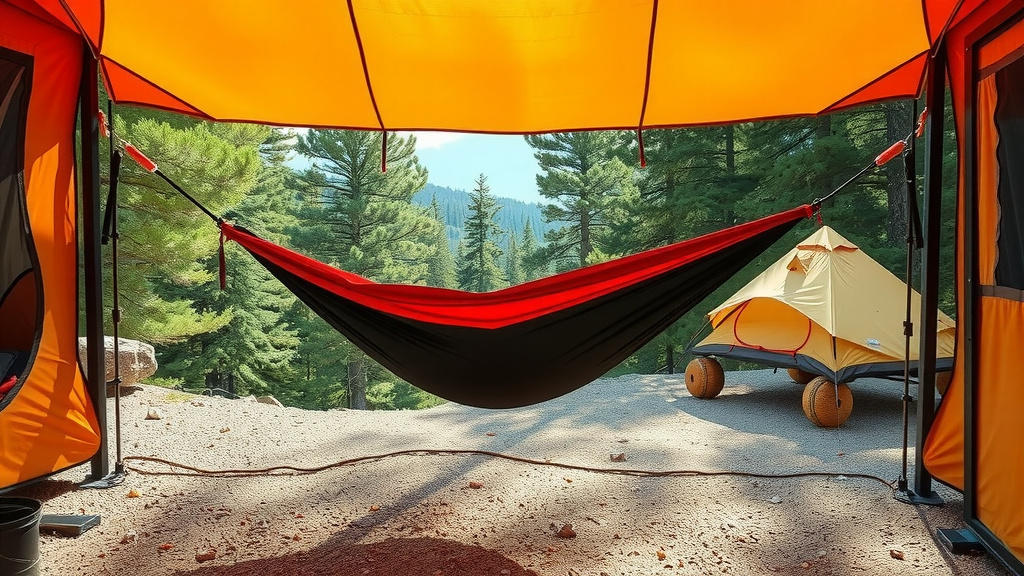
Comparison at a Glance
Let’s lay it out simply:
| Feature | Hammock System | Tent |
|---|---|---|
| Typical Weight | Lighter | Can be heavier, but ultralights exist |
| Setup Location | Requires trees | More versatile, needs flat ground |
| Comfort | Cradles body, adaptable | Depends on sleeping pad, can be firm |
| Protection (Wind/Rain) | Relies on tarp, can be exposed | Fully enclosed, better wind protection |
| Bug Protection | Integrated net, can feel open | Enclosed mesh, secure feeling |
| Pack Size | Generally smaller | Can be bulkier |
Your Pre-Trip Checklist
Before you make your final decision, consider these quick points:
- What is your budget for a shelter?
- How important is minimizing pack weight to you?
- Do you sleep well in enclosed spaces or open ones?
- How often do you anticipate camping in treeless areas?
- Have you had a chance to test either option before?
- What is the typical weather like where you’ll be hiking?
Ultimately, the best shelter is the one that allows you to get a good night’s sleep. This will keep you energized for the miles ahead. Both options have helped countless hikers complete their AT dreams. It’s about finding what works best for your journey.
Conclusion
Choosing between a hammock and a tent for your Appalachian Trail hike boils down to your personal needs. Hammocks offer a lightweight, comfortable sleep for many, especially in forested areas where trees abound. Tents provide more robust shelter from the elements and bugs, making them a solid choice for open terrain or challenging weather. We’ve found that the AT community often favors hammocks for their comfort and packability, but a tent remains a reliable option. The best shelter is one that ensures you get restful sleep each night. So, before you hit the trail, think about your priorities. Test both options if possible and make the choice that will best support your unique thru-hiking adventure.
Frequently Asked Questions
Are hammocks really lighter than tents for the AT?
Generally, a hammock system—including the hammock, suspension, and bug net—tends to be lighter than a comparable tent. Ultralight tents exist, but for most setups, hammocks offer a weight advantage. This can make a big difference when you’re carrying everything for months.
Can I use a hammock if I’m not a big fan of trees?
Hammocks absolutely require trees for setup. If your planned route on the AT will take you through many treeless areas, like balds or high mountain meadows, a tent will be a much more practical choice. You’ll need to consider the terrain where you expect to camp most often.
Are tents better for protection against rain and wind?
Tents usually offer superior protection against wind and rain because they provide a fully enclosed space. While a hammock with a good tarp can keep you dry, a tent’s structure often handles strong winds and heavy downpours more effectively. It creates a more secure barrier.
What about bugs? Are hammocks or tents better for bug protection?
Both can offer good bug protection, but tents often feel more secure. Most tents have integrated mesh for a complete seal against insects. Hammock setups typically include a bug net, but some hikers find the enclosed nature of a tent provides more peace of mind from creepy crawlies.
Which is easier to set up on uneven ground: a hammock or a tent?
Tents are generally easier to set up on uneven or sloped ground. You just need a reasonably flat spot to pitch your tent. Hammocks require finding two sturdy trees at the right distance apart, which can be challenging on rocky or root-filled terrain.
![7 Best Affordable Camping Tent [2026]](https://leonardhomeoutdoor.com/wp-content/uploads/2026/06/7-best-affordable-camping-tent-2026-featured-768x432.jpg)

![7 Best Ground Tent For Overlanding [2026]](https://leonardhomeoutdoor.com/wp-content/uploads/2026/08/7-best-ground-tent-for-overlanding-2026-featured-768x432.jpg)