Big Tent vs Small Tent: Which Is Right For You
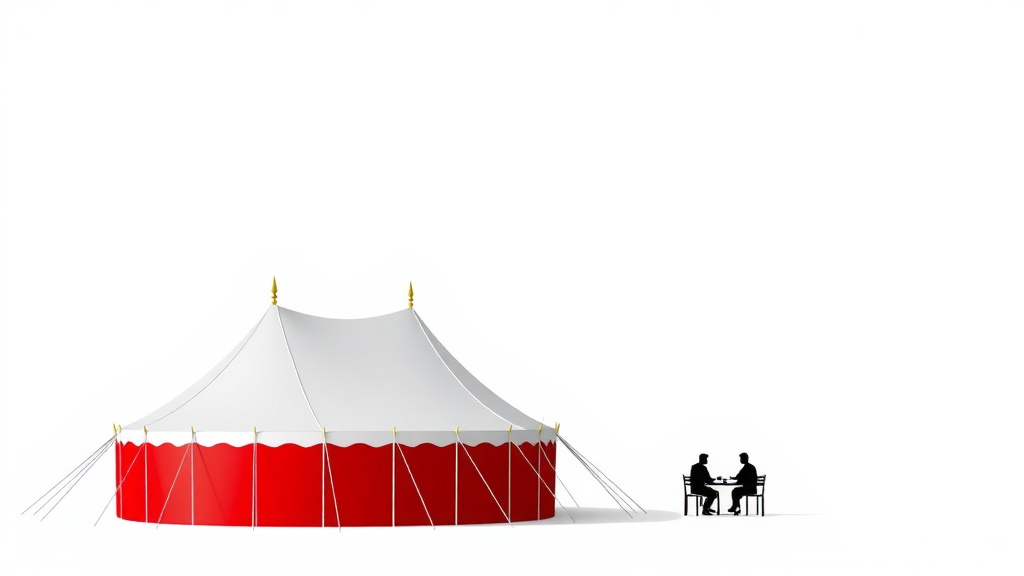
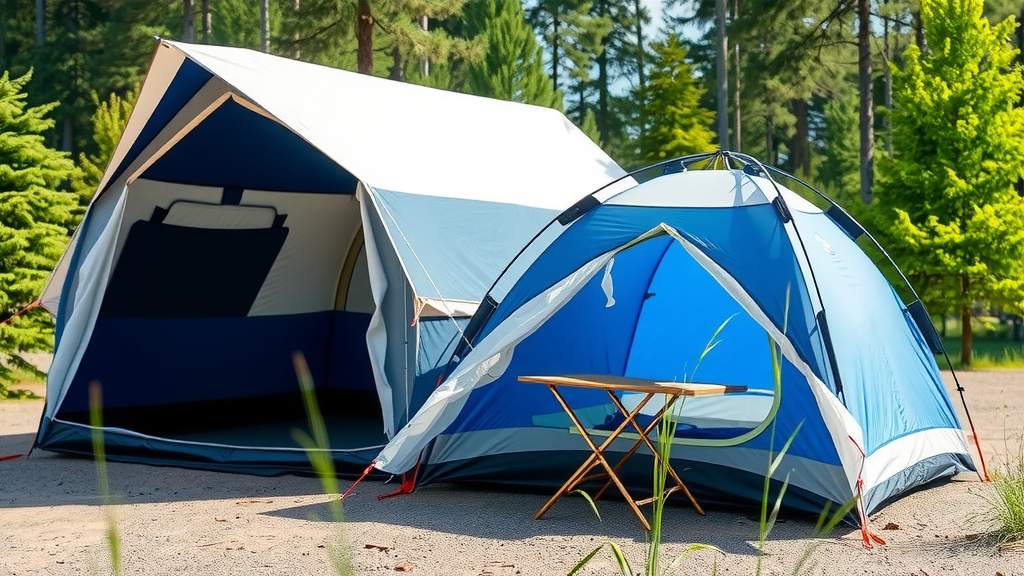
When choosing a tent, the main difference between a big tent and a small tent comes down to capacity and your specific camping needs. A big tent offers more living space and sleeping room for groups, while a small tent is ideal for solo campers or couples seeking a lightweight, portable option. We found that selecting the right size can greatly impact your comfort and overall camping experience.
Your decision really hinges on who you’re camping with and what you plan to do. A bigger tent means more gear storage and room to move around, which is great for families or longer trips. A smaller tent, on the other hand, is easier to set up and carry, making it perfect for backpacking or shorter adventures where weight is a concern. Many campers find a balance based on their typical trip style.
- Big tents offer more space for people and gear.
- Small tents are lighter and easier to carry.
- Consider who you’re camping with.
- Think about how much gear you’ll bring.
- Your trip’s length matters too.
Let’s break down the pros and cons of each so you can decide which tent is your perfect match for your next outdoor adventure.
Choosing Your Camping Shelter: Big vs. Small Tents
Deciding between a big tent and a small tent really boils down to your camping style. Think about it like choosing a car: do you need a minivan for the whole crew and all the gear, or is a zippy compact car enough for just you and a buddy?
We’ve found that your answer depends on a few key factors. It’s not just about how many people can squeeze in. It’s also about how you plan to use the tent. Let’s unpack what each type brings to your outdoor adventures.
The Advantages of Going Big: More Space, More Comfort
A big tent is like your home away from home. It offers ample space for sleeping, lounging, and storing all your camping essentials. This can make a huge difference on longer trips or when you’re dealing with unpredictable weather.
Sleeping Arrangements and Elbow Room
When we talk about a big tent, we’re usually referring to those rated for 4 or more people. They often have separate rooms or can comfortably fit multiple sleeping pads without feeling like a sardine can. This extra space means you can actually stretch out and relax after a long day of hiking.
You won’t be constantly bumping into your tent-mates. This is a big win for families with kids or groups of friends who want some personal space. Many larger tents also feature higher ceilings, allowing you to stand up inside. This is a game-changer for changing clothes or just moving around freely.
Gear Storage and Organization
One of the most underrated benefits of a big tent is the storage capacity. Camping gear can take up a lot of room. Think coolers, backpacks, camp chairs, cooking equipment – it all adds up. A big tent often has a vestibule, which is an extended covered area outside the main sleeping space.
This vestibule is perfect for stashing muddy boots, wet rain gear, or your entire kitchen setup. Keeping your gear outside the sleeping area prevents your tent from becoming cluttered and damp. We found this really improves the overall comfort and cleanliness of your campsite.
Comfort in Inclement Weather
Let’s face it, not all camping trips come with sunshine. When rain or wind hits, a big tent can be your sanctuary. You have enough room to hang out inside without feeling cooped up. You can play cards, read a book, or just enjoy the sound of the rain without feeling suffocated.
Many larger tents are designed with sturdy frames to withstand strong winds. They also offer better ventilation, which is crucial for reducing condensation. This makes them a reliable choice for camping in more challenging conditions.
The Appeal of Small Tents: Lightweight and Mobile
On the flip side, small tents are all about efficiency and portability. They are designed for campers who prioritize being light on their feet and easy setup. If you’re heading out solo or with just one other person, a small tent can be your perfect companion.
Ideal for Solo and Duo Adventures
A small tent, typically rated for 1-3 people, is fantastic for solo hikers or couples. The primary benefit here is the reduced weight and packed size. This makes it incredibly easy to carry in your backpack, especially if you’re going backpacking or bikepacking.
Setting up a small tent is usually a breeze. You’ll likely be done in minutes, leaving you more time to enjoy your surroundings. For those quick weekend getaways or when you’re on the move, this speed and simplicity are invaluable.
Ease of Transport and Setup
Imagine hiking miles into the backcountry. Every pound matters. A small tent significantly cuts down on your load. They often pack down into a small, manageable bundle that fits easily into or onto your pack.
Furthermore, the design of most small tents is quite straightforward. Fewer poles and simpler rigging mean less fuss when you arrive at your campsite. This is especially welcome after a long day of travel, when you just want to set up camp and relax.
Cost-Effectiveness and Simplicity
Generally speaking, smaller tents tend to be more affordable than their larger counterparts. The materials and engineering involved are less extensive. This can be a great starting point for new campers or those on a tighter budget.
You get all the essential protection you need without the added expense of extra space you might not use. It’s a practical choice for many.
Factors to Consider for Your Perfect Fit
So, how do you make the final call? We’ve identified a few questions you should ask yourself before you buy.
Who Are You Camping With?
This is perhaps the most important question. Are you a solo explorer, a couple, a family with young children, or a group of friends?
- Solo: A 1-2 person tent is usually perfect.
- Couple: A 2-3 person tent offers a bit more comfort.
- Family: Look for 4-person or larger, possibly with multiple rooms.
- Group: Consider larger tents or multiple smaller tents depending on dynamics.
Remember, manufacturers’ ratings are often for snug fits. We recommend sizing up for more comfort. Many experts suggest adding one person to the tent’s rating for a more realistic idea of space (The National Park Service).
What Kind of Camping Will You Be Doing?
Backpacking requires lightweight gear. Car camping allows for more bulk and weight. Are you heading to a busy campground with amenities, or are you venturing into remote wilderness?
How Much Gear Do You Bring?
Do you pack light, or do you bring all the comforts of home? Consider storage needs for sleeping bags, cooking gear, backpacks, and any extras.
What’s Your Budget?
Tents range widely in price. Bigger tents often cost more, but there are options at every price point. A larger budget might afford you better materials and features.
A Quick Comparison Table
Here’s a quick rundown to help you visualize the differences:
| Feature | Big Tent | Small Tent |
|---|---|---|
| Capacity | 4+ people | 1-3 people |
| Weight | Heavier | Lighter |
| Packed Size | Larger | Smaller |
| Setup Time | Longer | Quicker |
| Gear Storage | Ample, often with vestibules | Minimal to moderate |
| Comfort Level | Higher, more living space | Basic, focused on sleeping |
| Ideal Use | Family camping, car camping, base camps | Backpacking, solo trips, quick getaways |
Your Tent Decision Checklist
Before you click ‘buy,’ run through this quick checklist:
- Who will be sleeping in it?
- How much gear do you need to store?
- Will you be carrying it far?
- Do you need room to stand up?
- What’s your budget for this purchase?
- What kind of weather do you expect?
Conclusion
Choosing between a big tent and a small tent boils down to your personal camping style. A big tent offers more comfort and space for families or groups, especially during longer trips or bad weather. Smaller tents excel in portability and quick setup, making them ideal for solo adventurers or backpackers. We’ve learned that considering who you’re camping with, how much gear you bring, and the type of trip is key. Before you buy, make a list of your needs and compare them to what each tent type offers. This careful consideration will help you find the perfect shelter for your next adventure.
Frequently Asked Questions
What is the actual difference between a 2-person and a 3-person tent?
A 3-person tent is generally about 5-10 inches wider than a 2-person tent. This extra space can make a big difference in comfort, especially for couples who like to spread out or bring a few extra items. We often recommend sizing up for a more relaxed experience, even for just two people.
Can I use a big tent for solo camping?
Absolutely! While a big tent might seem like overkill for one person, it offers incredible comfort and space. You’ll have plenty of room for your gear, a comfortable sleeping pad, and even space to move around inside if the weather turns. It’s like having your own private campsite retreat.
How do I know if my tent is too small?
If you constantly feel cramped, struggle to get dressed inside, or have to keep all your gear outside in the rain, your tent might be too small. Another sign is waking up with condensation all over your sleeping bag. You should feel comfortable moving around and storing your essentials without feeling claustrophobic.
Is a big tent harder to set up for one person?
Generally, yes. Big tents have more poles and fabric, which can make setup a bit more challenging for a single person, especially in windy conditions. However, many modern big tents are designed with color-coded poles and simpler designs to make it manageable. Practice at home first!
Which type of tent is better for car camping?
For car camping, a bigger tent is often the preferred choice. Since you don’t have to carry the tent far, weight isn’t as much of a concern. You can enjoy the extra living space, gear storage, and comfort that a larger tent provides. It truly enhances the car camping experience.
![7 Best Places To Tent Camp In California [2026]](https://leonardhomeoutdoor.com/wp-content/uploads/2026/09/7-best-places-to-tent-camp-in-california-2026-featured-768x432.jpg)
![7 Best Canvas Tent With Stove Jack [2026]](https://leonardhomeoutdoor.com/wp-content/uploads/2026/08/7-best-canvas-tent-with-stove-jack-2026-featured-768x432.jpg)