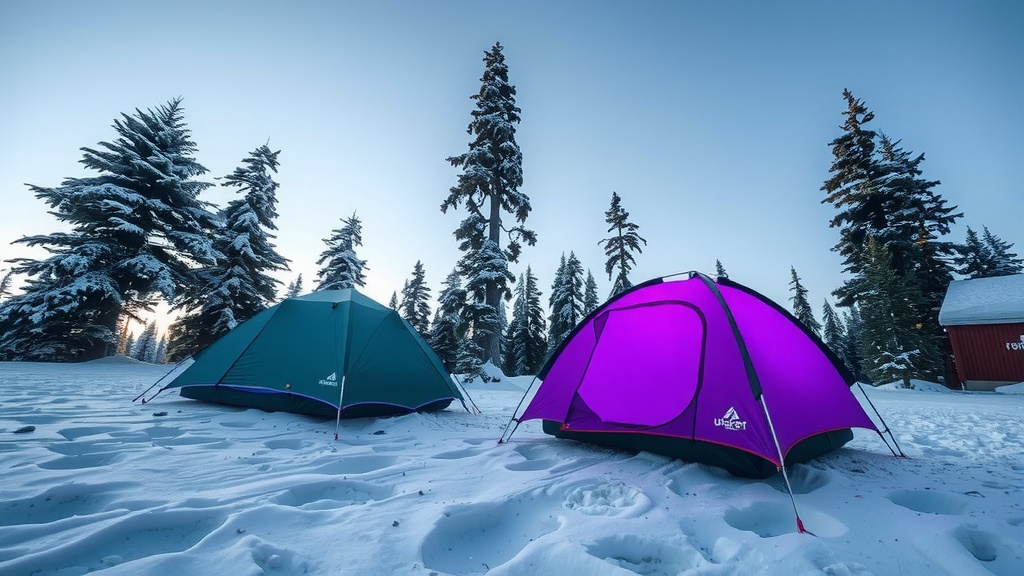
Bivy Tent vs Tent: Which is Right for Your Next Trip
When choosing between a bivy tent vs tent, understand that a bivy sack is a minimalist shelter, while a tent offers more living space. For solo hikers prioritizing extreme lightness, a bivy is often the choice. If you need room for gear or a companion, a tent usually wins.
We found that the biggest differences lie in weight, space, and protection. A bivy is like a waterproof sleeping bag cover. A tent is a freestanding or pole-supported shelter. Your trip’s needs will guide your decision. Consider where you’ll be camping.
- Bivy: ultra-light, minimal space, best for solo, fair weather.
- Tent: heavier, more space, better for groups, all-weather.
- Consider your gear needs and sleeping comfort.
- Think about the conditions you expect to face.
Let’s break down the key differences between a bivy sack and a tent so you can pick the right one for your next adventure.
Bivy vs. Tent: Finding Your Perfect Wilderness Shelter
So, you’re heading out into the great outdoors. That’s fantastic! But before you go, you’ve got a big decision to make: what kind of shelter will keep you cozy and safe? You’re weighing a bivy sack against a traditional tent. Think of it like choosing between a sleek, race-car-like sports car and a comfy, spacious SUV. Both get you there, but they offer very different experiences.
Understanding the Core Differences: Weight and Space
Let’s get right down to it. The main distinction between a bivy and a tent boils down to how much you’re carrying and how much room you have inside. We found that this is often the deciding factor for most backpackers.
The Ultra-Light Bivy Sack
A bivy sack, short for bivouac sack, is essentially a waterproof and breathable cover for your sleeping bag. Imagine a high-tech, fancy sleeping bag liner that can stand up to the elements. They are designed for minimalists. You sleep in your sleeping bag, which is inside the bivy.
Most bivy sacks weigh under a pound, sometimes even just a few ounces. This makes them incredibly appealing for ultralight hikers. Think about shaving off pounds from your pack – it makes a world of difference on long treks. We’ve seen many hikers choose a bivy when every ounce matters.
The Roomier Tent
Tents, on the other hand, offer significantly more space. They come in various sizes, from solo shelters to multi-person accommodations. You can sit up, change clothes, and organize your gear much more easily. A tent is like your personal little home away from home in the wilderness.
Even a small, one-person tent will generally be heavier than a bivy sack. You’re looking at anywhere from 2 to 6 pounds or more, depending on the model and its features. This extra weight is the trade-off for increased comfort and versatility.
Protection: Weathering the Elements
When it comes to keeping you dry and protected from the wind, both have their strengths, but they approach it differently. We found that your expectations for weather protection will strongly influence your choice.
Bivy Protection: A Tight Seal
A bivy’s primary job is to shield your sleeping bag from rain and dew. Many are made with waterproof-breathable membranes, similar to high-end rain gear. This helps prevent condensation from building up inside, which can make you damp and cold. The snug fit means wind has less to catch, making them surprisingly wind-resistant.
However, there’s no room to escape condensation if it gets heavy. On very wet or humid nights, you might find yourself with moisture inside. Also, if bugs are a major concern, a bivy alone might not offer enough of a barrier. Some come with a small mesh screen over the face opening, but it’s not like a fully enclosed tent.
Tent Protection: A Sturdy Fortress
Tents typically have a waterproof rainfly that covers the entire shelter. This provides excellent protection against rain, snow, and wind. The double-wall construction (an inner mesh tent and an outer rainfly) is very effective at managing condensation. The mesh inner allows moisture to escape through the rainfly.
Many tents also feature robust zippers and pole structures designed to withstand strong winds and heavy precipitation. You get a much more secure feeling inside a tent during a storm. This added security is a big plus for many campers, especially in unpredictable weather.
Comparing Comfort and Livability
Let’s be honest, part of camping is about enjoying yourself. The comfort level inside your shelter plays a big role in your overall experience. We researched what users prioritize.
Bivy Livability: Basic and Functional
With a bivy, your living space is your sleeping bag. You can usually manage to read a book or check your phone, but that’s about it. Changing clothes can be a bit of a wrestling match. Gear storage is limited to whatever you can fit inside your bivy with you, or strapped to the outside of your pack.
It’s all about function over form. You’re there to sleep and shelter, not to hang out. Some people don’t mind this at all. They see it as a way to stay more connected to nature, feeling more exposed to the elements (in a good way!).
Tent Livability: Your Cozy Campsite Hub
Tents offer a different experience. You can sit up, spread out your sleeping pad, and even do some light cooking inside (with proper ventilation, of course!). There’s space for your backpack, boots, and cooking gear. Many tents have vestibules – covered areas outside the main tent body – perfect for storing dirty boots or damp gear.
This extra space makes a huge difference for longer trips or in bad weather. It’s where you can plan your next day’s hike, dry out your socks, or just relax without feeling cramped. For many, this is the key difference that makes a tent the preferred choice.
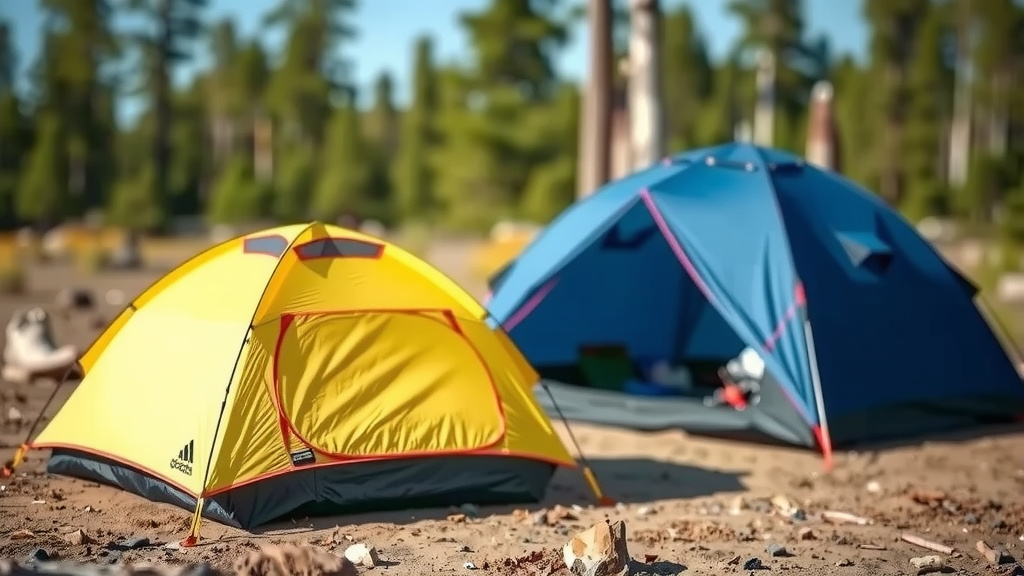
The Bivy Tent vs Tent Checklist for Your Trip
To help you decide, consider these points. Think about what’s most important for your specific adventures.
- Your typical trip length: Short overnighters or multi-week expeditions?
- Your camping companions: Are you usually solo or with others?
- Your tolerance for weight: How much are you willing to carry?
- Your expected weather conditions: Will you face heavy rain or high winds?
- Your comfort needs: Do you like to spread out or are you okay with minimal space?
- Your budget: While prices vary, often a basic bivy is cheaper than a tent.
When to Choose Which: Practical Scenarios
Let’s put this into context. When might each shelter shine?
Choose a Bivy If…
You’re a solo backpacker focusing on speed and distance. Your trips are in areas where weather is generally fair or predictable. You’re an ultralight enthusiast who prioritizes minimizing pack weight above all else. Maybe you’re aiming for a fastpacking trip or a mountain summit push where every ounce counts.
Choose a Tent If…
You’re hiking with a partner or group. You need space for gear, reading, or just a bit more comfort. You frequently camp in areas with unpredictable weather, including rain, wind, or bugs. You value the ability to sit up, change clothes easily, and have a dedicated space for your gear.
We found that many experienced backpackers own both and choose based on the specific trip. It’s not always an either/or situation. Your needs can change from one adventure to the next.
| Feature | Bivy Sack | Tent |
|---|---|---|
| Weight | Ultra-light (ounces to ~1 lb) | Moderate to Heavy (2 lbs+) |
| Space | Minimal (sleeping bag sized) | Ample (room to sit, organize gear) |
| Protection | Good against rain/wind, can have condensation issues | Excellent against rain, wind, bugs; better condensation management |
| Livability | Basic, functional for sleeping | Comfortable, ability to move around |
| Best For | Solo ultralight, fair weather, fastpacking | Solo or groups, varied weather, comfort, gear storage |
Conclusion
Deciding between a bivy sack and a tent comes down to your personal priorities for an outdoor adventure. You’ve learned that bivy sacks offer incredible lightness and a minimalist experience, perfect for solo hikers who want to cut every ounce. Tents provide that essential extra space for comfort, gear, and companionship, along with superior protection in varied conditions. We found that your typical trip length, the weather you expect, and how much space you need are the biggest factors. Before your next trip, think honestly about what matters most to you and choose the shelter that best fits your style of wilderness exploration.
Frequently Asked Questions
Can I really fit all my gear inside a bivy?
Generally, no. A bivy sack is designed for just you and your sleeping bag. You’ll likely need to strap extra gear to your backpack or find creative ways to store it outside the bivy. We found that for extended trips, this can be a major drawback.
Are bivy sacks good for buggy areas?
Not usually. While some have a small face screen, bivy sacks offer minimal protection against insects. If bugs are a significant concern, a tent with a full mesh inner and tight zippers will provide much better defense. You’ll appreciate the sealed environment a tent offers.
Can a tent be too heavy for backpacking?
Yes, some tents can be quite heavy, especially larger models or those designed for extreme conditions. We saw that for ultralight backpacking, the weight of even a one-person tent might be too much. This is where a bivy sack really shines in comparison.
What if I want to cook inside my shelter?
Cooking inside a bivy sack is generally not feasible or safe. You need the space and ventilation a tent provides. Always ensure proper ventilation if you plan to cook inside a tent to avoid carbon monoxide buildup and reduce condensation.
Can I use a bivy with just a sleeping pad?
Yes, you absolutely can use a bivy with just a sleeping pad if that’s your preference. Some people enjoy a more connected-to-nature feel. However, a bivy’s primary purpose is to protect your sleeping bag, not to provide insulation on its own.
![7 Best Affordable Pop Up Tent [2026]](https://leonardhomeoutdoor.com/wp-content/uploads/2026/06/7-best-affordable-pop-up-tent-2026-featured-768x432.jpg)

![7 Best Affordable Lightweight Tent [2026]](https://leonardhomeoutdoor.com/wp-content/uploads/2026/06/7-best-affordable-lightweight-tent-2026-featured-768x432.jpg)
![7 Best Affordable Backpacking Tents [2026]](https://leonardhomeoutdoor.com/wp-content/uploads/2026/08/7-best-affordable-backpacking-tents-2026-featured-768x432.jpg)
![7 Best Canvas Hot Tents [2026]](https://leonardhomeoutdoor.com/wp-content/uploads/2026/08/7-best-canvas-hot-tents-2026-featured-768x432.jpg)