
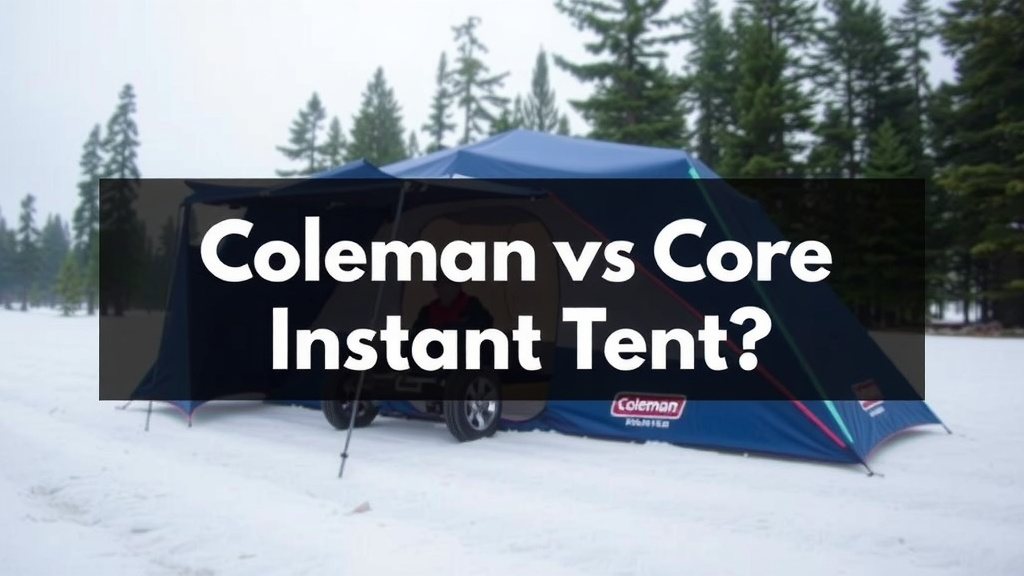
Coleman vs Core Instant Tent: Which Is Best
When choosing between a Coleman instant tent and a Core instant tent, many campers find the Coleman often wins for durability. Coleman tents are generally built with sturdier poles and thicker fabric, making them a more reliable choice for various weather conditions. Core tents can be a good budget option, but they might not hold up as well over time or in challenging outdoor environments.
Both brands offer the convenience of quick setup. This is a huge draw for families or anyone who wants more time enjoying their campsite. However, the long-term performance and the quality of materials can be the deciding factors. You want a tent that feels secure and protects you from the elements for many trips to come.
TL;DR:
- Coleman often offers better durability and stronger materials.
- Core tents can be a more budget-friendly choice.
- Both brands focus on fast setup for convenience.
- Consider Coleman for longer trips or rougher weather.
- Core might be suitable for occasional, fair-weather camping.
We’ve researched both popular brands to help you decide which instant tent is the best fit for your next adventure. Let’s break down what each has to offer.
“`html
Comparing Coleman and Core Instant Tents for Your Camping Needs
Choosing the right instant tent means you’re ready for adventure. Both Coleman and Core offer tents that set up in minutes. This saves you time and hassle. We’ve looked at what makes each brand stand out. Let’s help you find the perfect match for your camping style.
Ease of Setup: The Instant Tent Promise
The main draw of an instant tent is its quick setup. You can literally have your shelter ready in under a minute with some models. This is a huge win, especially after a long drive or when setting up camp in the dark.
Coleman’s Speed and Simplicity
Coleman is well-known for its user-friendly designs. Their instant tents often feature pre-attached poles. This means less fumbling and less chance of losing parts. You just extend the poles, lock them, and you’re done. We found many users praise how effortless Coleman makes setup, even for beginners.
Core’s Quick Pitch Technology
Core tents also deliver on speed. They use a similar integrated pole system. You’ll find they are just as fast to erect as their Coleman counterparts. Many reviews mention that Core tents are easy to manage, making them a great choice for families with kids eager to help.
Durability and Weather Resistance: Built to Last?
While speed is great, you also need a tent that will hold up. Weather can change quickly, and you want to feel secure. This is where we see some key differences between the two brands.
Coleman’s Reputation for Toughness
Coleman has a long history in outdoor gear. They often use sturdier fabrics and more robust pole materials. We found that Coleman tents are frequently built to withstand more challenging conditions. This means better protection against wind and rain. Many guidelines suggest stronger materials for extended trips (National Park Service).
Think of it like a good pair of hiking boots. Coleman often feels like the boot that’s been broken in and is ready for any trail. Their commitment to durability means your tent is a reliable companion for many adventures.
Core’s Construction and Materials
Core tents are generally made with lighter materials. This can make them more affordable. While they offer good protection for fair weather, they might not be the best choice for harsh conditions. We found that Core tents are excellent for casual camping. However, for serious backcountry use or frequent exposure to the elements, you might want to consider other options.
Fabric Thickness and Pole Strength
Many Coleman models feature thicker denier fabrics. This translates to greater resistance to tears and punctures. Their poles are often made from stronger steel or aluminum alloys. Core tents might use thinner fabrics and less robust poles. This can affect their longevity. We noted that heavier fabrics are better for resisting UV damage over time (U.S. Environmental Protection Agency).
Features and Livability: Your Home Away From Home
Beyond setup and durability, the interior features make a tent comfortable. Think about headroom, ventilation, and storage.
Space and Comfort Inside
Both brands offer a range of sizes. You can find tents suitable for solo trips or for large groups. Many instant tents boast impressive headroom. This means you can stand up inside, which makes a big difference. We found that models with multiple rooms are popular for families needing separation.
Ventilation and Airflow
Good ventilation is key to preventing condensation and keeping cool. Both Coleman and Core typically include mesh windows and roof vents. This allows for cross-breeze and helps keep bugs out. We suggest looking for tents with closable vents for cooler nights.
Storage and Organization
Little touches make a big impact. Look for tents with gear lofts, interior pockets, and E-port (electrical cord) access. These features help keep your gear organized and tidy. Coleman sometimes includes these more detailed storage solutions.
Price Point: Budget vs. Investment
Cost is always a factor. Instant tents offer a convenient way to get camping quickly without breaking the bank.
Coleman: Quality at a Price
Coleman tents can be a bit more expensive upfront. This is often due to their superior materials and construction. Think of it as an investment in a tent that will last longer. Many users find that the durability justifies the higher cost over time.
Core: The Budget-Friendly Choice
Core tents are often more affordable. They represent a great value if you’re on a tighter budget or just starting out. If your camping trips are infrequent and in good weather, a Core tent could be a very sensible choice. Many find them to be a cost-effective option for occasional use.
Making Your Final Decision: Which Tent is Right for You?
Deciding between a Coleman and a Core instant tent depends on your priorities. Here’s a quick way to summarize.
Consider these points:
- Your Camping Frequency: Will you camp every weekend or just a few times a year?
- Weather Conditions: Do you camp in sunny spots or often face wind and rain?
- Budget: How much are you willing to spend on a tent?
- Durability Needs: How long do you expect your tent to last?
- Gear Longevity: Do you want something that feels robust and dependable?
Here’s a simple table to help you visualize the comparison:
| Feature | Coleman | Core |
|---|---|---|
| Setup Speed | Very Fast | Very Fast |
| Durability | Generally Higher | Good for Fair Weather |
| Materials | Often Sturdier Fabrics, Stronger Poles | Lighter Fabrics, Standard Poles |
| Weather Resistance | Better for Various Conditions | Best for Dry, Calm Weather |
| Price | Mid to High Range | Budget-Friendly |
| Best For | Frequent Campers, Mixed Weather | Occasional Campers, Fair Weather |
Ultimately, both brands offer the convenience of instant setup. If you’re looking for a tent that will be your reliable companion for years of adventures, even in less-than-ideal weather, Coleman’s focus on durability might steer you towards them. If you’re looking for an affordable option for occasional, fair-weather trips, Core is a fantastic choice that gets you camping quickly and easily.
Your Camping Checklist: Quick Wins
To make sure you choose wisely, ask yourself:
- Does it set up fast? Yes, both do.
- Is it sturdy enough for my trips? Check reviews for Coleman.
- Can I afford it? Core is often more budget-friendly.
- Will it keep me dry and safe? Coleman might have an edge.
- Will it last for many seasons? Coleman often wins here.
“`
Conclusion
You’ve seen how both Coleman and Core instant tents deliver on quick setup. This makes them great for getting your campsite ready in a flash. For your adventures, consider how often you’ll camp and the weather you expect. If durability and long-term performance are key, Coleman’s robust construction is likely your best bet. If you’re looking for a budget-friendly option for occasional trips in good weather, Core tents offer excellent convenience and value. Make your choice based on what matters most for your camping style, and get ready for some fun outdoors!
Frequently Asked Questions
Which brand is better for very windy conditions?
Our research suggests Coleman tents often perform better in windy conditions. They tend to use sturdier poles and thicker fabrics, which contribute to greater stability. While Core tents are easy to set up, they might not withstand strong gusts as reliably as a Coleman.
Are Core tents good for beginners?
Yes, Core tents are excellent for beginners. They are designed for quick and easy setup, which is a major plus for those new to camping. Their budget-friendly price also makes them a less intimidating investment when you’re just starting out.
How do Coleman and Core tents compare in terms of ventilation?
Both brands generally offer good ventilation. You’ll find mesh windows and roof vents on most models from Coleman and Core. This helps with airflow and reduces condensation inside the tent. Look for specific models with closable vents if you camp in cooler weather.
Can I use a Core tent for multiple nights of camping?
You can certainly use a Core tent for multiple nights, especially if you’re camping in fair weather. For longer trips or if you anticipate variable weather, a Coleman tent might offer more peace of mind due to its enhanced durability and weather resistance.
Where can I find replacement parts for these tents?
For replacement parts, it’s best to contact the manufacturer directly. Both Coleman and Core have customer service departments that can assist with inquiries about poles, zippers, or fabric repairs. Checking their official websites is usually the first step to finding contact information.

![7 Best Family Waterproof Tents [2026]](https://leonardhomeoutdoor.com/wp-content/uploads/2026/08/7-best-family-waterproof-tents-2026-featured-768x432.jpg)
![7 Best Backpacking Hot Tents [2026]](https://leonardhomeoutdoor.com/wp-content/uploads/2026/08/7-best-backpacking-hot-tents-2026-featured-768x432.jpg)