Swag vs Tent: Which Camping Shelter Is Right For You
When choosing between a swag and a tent for your camping trip, know that a swag is generally simpler and quicker to set up, while a tent offers more space and better weather protection. Your best choice depends on your priorities: speed and portability versus room and shelter. Both are great for outdoor adventures!
We found that swags are like a sleeping bag with a built-in mattress and head cover, perfect for solo travelers or minimalist campers. Tents, on the other hand, come in various sizes and designs, from small one-person shelters to large family domes, providing versatile sleeping arrangements and robust protection against bugs and rain.
- Swags are compact and fast to set up.
- Tents offer more space and protection.
- Choose a swag for solo or quick trips.
- Choose a tent for families or bad weather.
Let’s break down the pros and cons of each so you can decide which camping companion is right for your next adventure.
“`htmlComparing Your Camping Shelter Options: Swag or Tent?
Deciding between a swag and a tent can feel like a big choice for your camping trip. Think of it this way: a swag is like your personal, cozy sleeping pod, ready in minutes. A tent is more like a mini-campsite, offering different rooms and better protection from the elements.
We’ve looked into what makes each unique. Your perfect shelter really boils down to what you need most. Do you want to be set up and relaxing instantly? Or do you need more space and sturdy protection for whatever nature throws your way? Let’s find out which one fits your outdoor style best.
What Exactly is a Swag?
A swag is a classic Australian camping bed. It’s essentially a heavy-duty canvas bag rolled up. Inside, you’ll find a comfortable mattress and a pillow. When you unroll it, it forms a simple, enclosed sleeping shelter.
Imagine a super-tough, portable bed that’s also your shelter. That’s the essence of a swag. They are designed for simplicity and ease of use, making them popular for solo travelers or those who love to move light.
The Pros of Choosing a Swag
One of the biggest advantages is speed of setup. You can literally unroll a swag and be ready to sleep in under five minutes. This is fantastic after a long day of hiking or driving.
Swags are also incredibly compact and easy to transport. They roll up tightly, fitting easily onto a car roof rack or in the back of a truck. This makes them ideal for vehicle-based camping or shorter trips.
For many, the simplicity is a major draw. There are no poles to assemble or complicated instructions to follow. It’s straightforward and no-fuss camping.
The Cons of a Swag
Space is definitely a limitation. Swags are designed for sleeping, so there’s very little room for anything else. You won’t be able to stand up inside or spread out much.
While swags offer some weather protection, they are typically less effective in heavy rain or strong winds compared to a well-pitched tent. The canvas can get heavy when wet, and they might not have the same structural integrity.
They can also be heavier than expected for their size due to the mattress and thick canvas. If you’re backpacking, a swag might be too bulky and heavy.
Understanding the Versatility of a Tent
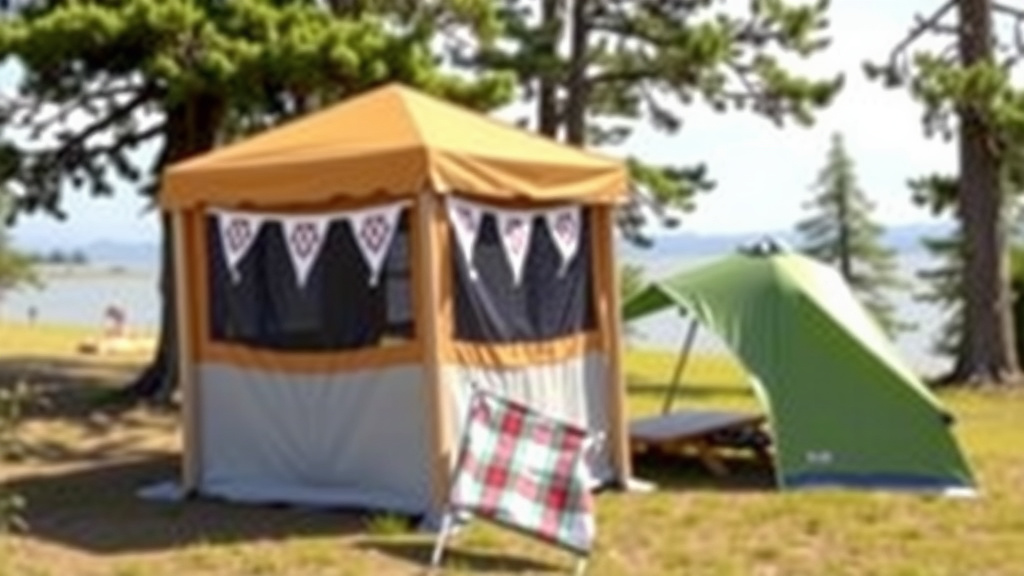
A tent is what most people picture when they think of camping. It’s a portable shelter usually made of fabric, supported by poles. Tents come in an enormous variety of shapes, sizes, and designs.
You can find tiny one-person backpacking tents, spacious family dome tents, and even large cabin-style tents that feel like a small room. This variety means there’s likely a tent for almost any camping scenario. For more spacious options, consider looking into cabin-style tents.
Advantages of Using a Tent
The main benefit of a tent is its superior protection. Good quality tents are designed to withstand rain, wind, and insects. They often have waterproof coatings and sturdy pole systems.
Tents offer much more living space. You can often stand up inside, set up sleeping pads, store gear, and even have a small area to sit or cook in a vestibule. This makes camping more comfortable, especially for longer trips or with family.
Ventilation is typically better in tents. Many have mesh windows and doors, allowing for airflow while keeping bugs out. This helps prevent condensation build-up inside.
Potential Drawbacks of Tents
Setting up a tent can be more time-consuming and complicated. Depending on the size and design, it might involve a confusing array of poles, stakes, and guylines.
Tents can also be bulkier and heavier to pack and transport, especially larger family models. While backpacking tents are lighter, they still usually require more space than a rolled-up swag.
The cost can vary wildly. While you can find inexpensive basic tents, high-quality, durable tents can be a significant investment.
Key Differences at a Glance
To help you visualize, let’s lay out the main distinctions. It’s all about what features matter most to you.
| Feature | Swag | Tent |
|---|---|---|
| Setup Speed | Very Fast (Minutes) | Moderate to Slow (5-20+ Minutes) |
| Space Inside | Minimal (Sleeping only) | Varies (Can stand, store gear) |
| Weather Protection | Good for light conditions | Excellent for most conditions |
| Portability/Weight | Compact when rolled, can be heavy | Varies; can be bulky, but lighter options exist |
| Ideal Use | Solo, quick trips, car camping | Families, longer trips, varied weather |
Who Should Consider a Swag?
A swag is perfect if you’re a solo camper who values speed and simplicity. If you enjoy minimalist camping and mostly camp in fair weather, a swag will serve you well.
It’s also a great option for car campers who want an easy setup after a day’s drive. Imagine arriving at your campsite, unrolling your swag, and being ready for bed in moments. That’s the swag lifestyle.
Who Needs a Tent?
Families or groups will find tents much more practical. The extra space allows everyone to relax and store their belongings comfortably. Tents are also better suited for longer camping trips.
If you plan to camp in areas where weather can be unpredictable, a robust tent is a wise choice. The ability to withstand rain and wind is crucial for a safe and comfortable experience (National Park Service).
Making Your Final Choice: A Quick Checklist
To help solidify your decision, ask yourself these questions:
- Do I need to set up camp in under 5 minutes?
- Is space for gear and standing room a priority?
- How important is protection against heavy rain and wind?
- Am I camping solo, with a partner, or with a family?
- Will I be backpacking, or car camping with easy access to my vehicle?
- What’s my budget for camping gear?
Answering these will point you toward the shelter that best fits your camping style. Both swags and tents offer fantastic ways to enjoy the outdoors!
“`Conclusion
You’ve now seen how swags and tents cater to different camping styles. A swag offers unmatched speed and simplicity, perfect for solo adventurers or quick car camping trips where you want to relax fast. On the other hand, a tent provides essential space and robust protection, making it the clear winner for families, longer stays, or unpredictable weather. Your ideal shelter hinges on your priorities: do you crave instant comfort and minimal fuss, or do you need versatile space and reliable defense against the elements? Carefully consider your typical camping scenario to make the best choice for your next outdoor escape.
Frequently Asked Questions
Can I use a swag in the rain?
Yes, most swags offer good protection from light rain due to their canvas material. However, they are generally not designed for heavy downpours or strong winds. For guaranteed dryness in severe weather, a well-pitched tent is a better choice.
Are swags comfortable for sleeping?
Swags are known for their comfort, typically including a built-in mattress and pillow. This makes them much more comfortable than sleeping directly on the ground or a basic sleeping pad in a tent, especially for solo campers.
What’s the best type of tent for beginners?
For beginners, a dome tent or a cabin-style tent is often recommended. These designs are generally easier to set up, offer good stability, and provide ample space for a comfortable camping experience.
How do I choose between a 1-person tent and a swag for solo camping?
If your priority is the quickest setup and a cozy, simple sleeping experience, a swag is excellent. If you need more room to move, store gear inside, or want better protection for varied weather, a 1-person tent might be more suitable.
Can I cook inside a tent or a swag?
You should never cook inside a swag. For tents, cooking inside is generally not recommended due to fire hazards and carbon monoxide risk, unless the tent is specifically designed with a separate cooking area and excellent ventilation.
![7 Person Tent 2025 [2026]](https://leonardhomeoutdoor.com/wp-content/uploads/2026/08/7-person-tent-2025-2026-featured-768x432.jpg)
![7 Best Tent For Ac [2026]](https://leonardhomeoutdoor.com/wp-content/uploads/2026/09/7-best-tent-for-ac-2026-featured-768x432.jpg)
![7 Best Backyard Tent [2026]](https://leonardhomeoutdoor.com/wp-content/uploads/2026/08/7-best-backyard-tent-2026-featured-768x432.jpg)