
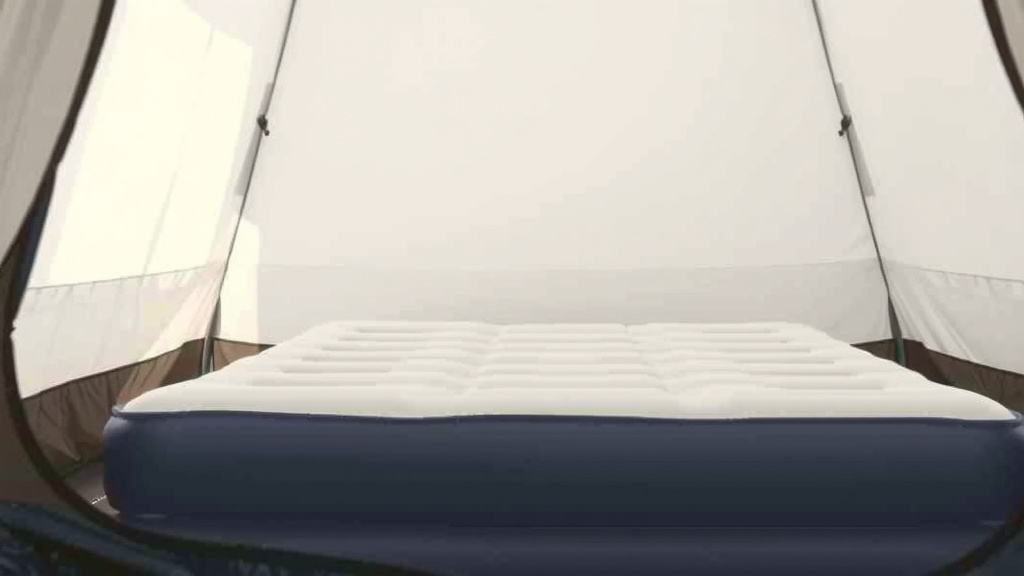
Tent Camping Cot vs Air Mattress: Which is Best
When deciding between a tent camping cot and an air mattress for your outdoor adventures, know this: a camping cot generally offers superior comfort and support, especially for campers who sleep on their sides. While air mattresses can be cozy, many campers find they sag over time or require constant reinflation. A good cot keeps you off the cold, uneven ground.
Choosing the right sleep setup is key to enjoying your camping trip. You want to wake up feeling refreshed, not sore! We’ve researched many options and found that both cots and air mattresses have their own pros and cons. Your personal sleeping style and the type of camping you do will heavily influence which is best for your needs. Let’s break down what makes each a great choice.
- Camping cots offer better support and keep you off the ground.
- Air mattresses can be more comfortable initially but may lose air.
- Consider your sleeping position: side sleepers often prefer cots.
- Think about packability and setup time for each.
- Your budget also plays a role in the best choice.
Below, we’ll walk you through the key differences between a tent camping cot and an air mattress, helping you make the best choice for your next outdoor excursion.
Choosing Your Camp Bed: Cot vs. Air Mattress
When you’re planning your next camping trip, where you sleep is a big deal. You want to feel rested for your adventures. We’ve looked into tent camping cots and air mattresses to help you decide. Both can get you off the ground. But they offer different experiences. Let’s see which one might be your perfect sleeping buddy.
The Camping Cot: A Solid Foundation
A camping cot is essentially a foldable bed frame with fabric stretched across it. Think of it like a mini-bed that you can take into the wilderness. They’ve been around for a long time for a reason. People find them reliable.
Comfort and Support Factors
Many campers report that cots offer excellent support. The fabric is usually taut. This prevents that sinking feeling you can get with some air beds. Your spine stays more aligned. This can be a big win for back and side sleepers. We found that the consistent support is a key difference.
Keeping You Off the Ground
One of the biggest advantages of a cot is keeping you elevated. This keeps you away from rocks, roots, and bugs. It also helps insulate you from the cold ground. Sleeping directly on the ground can really suck the heat out of your body. A cot creates a buffer zone. Many studies on sleep comfort suggest proper alignment and temperature regulation are key (National Sleep Foundation).
Durability and Longevity
Camping cots are often built with sturdy frames. They can be made of aluminum or steel. The fabric is usually a tough polyester or nylon. With proper care, a good cot can last you for many camping seasons. They generally don’t have the risk of developing leaks like air mattresses do. This makes them a more consistent investment for many.
Setup and Portability
Setting up a cot is usually pretty straightforward. Most unfold like a small table. Some might require attaching a few legs. They are generally bulkier than an uninflated air mattress. However, they don’t require an external pump. This can be a big time saver. Some modern cots are designed to be quite lightweight.
The Air Mattress: Plush and Portable
Air mattresses, also known as air beds, offer a different kind of comfort. They are essentially inflatable chambers. You fill them with air to reach your desired firmness.
Initial Comfort and Customization
When you first inflate a new air mattress, it can feel wonderfully plush. You can often adjust the firmness to your liking. A little less air can make it softer. More air makes it firmer. This customizable comfort is a big draw for many campers. Some people love that cloud-like feeling.
The Sag Factor and Reinflation Needs
Here’s where air mattresses can sometimes let you down. Over the course of a night, they can slowly lose air. This can happen due to tiny leaks or just the material stretching. You might wake up feeling like you’re sinking. Many air mattress users find they need to reinflate their bed at least once a night. This can be annoying, especially if you have to do it in the dark. We found that this is a common complaint among air mattress users.
Insulation and Ground Contact
Air mattresses do lift you off the ground. This offers some insulation. However, the air inside can get cold. If the air inside the mattress gets cold, it can make you feel cold. The ground can also still feel close. We’ve heard from campers that a cold air mattress can feel like sleeping on a block of ice. Adding extra blankets or padding might be necessary.
Durability Concerns
Air mattresses are more prone to damage. Punctures from sharp objects like sticks or rocks are a risk. While many come with repair kits, a significant tear can render them useless. The materials, often PVC, can degrade over time with repeated use and exposure to the elements. This means they might not be as long-lasting as a sturdy cot. Many manufacturers suggest keeping them away from rough surfaces.
Packability and Inflation
When deflated and packed, air mattresses are typically very compact. They can roll up small. This makes them easy to store and transport. The main downside is the need for inflation. You’ll need a pump. Battery-powered or manual pumps add another item to your packing list. Inflation can also take several minutes. This can be a factor if you’re setting up camp late.
Comparing Key Features Side-by-Side
To help you visualize the differences, let’s look at them in a table. This highlights the main points for each type of camp bed.
| Feature | Camping Cot | Air Mattress |
|---|---|---|
| Comfort & Support | Consistent, firm support. Good for spine alignment. | Soft and plush, customizable firmness. Can sag. |
| Ground Clearance | High, keeps you well off the ground. | Moderate, less insulation from ground cold. |
| Durability | Generally very durable and long-lasting. | Prone to punctures and leaks. Less durable. |
| Setup | Quick, usually unfolds easily. No pump needed. | Requires inflation with a pump. Can take time. |
| Portability | Bulkier when packed, but no accessories needed. | Compact when deflated, but requires a pump. |
| Price | Can be more expensive upfront, but often a better value long-term. | Wide range of prices, some very affordable options. |
Which One is Right For Your Camping Style?
Your personal needs will guide your choice. Think about how you sleep and what kind of trips you take.
For the Side Sleeper
If you sleep on your side, a cot is often the superior choice. The firm surface of a cot helps keep your hips and shoulders from sinking too much. This maintains better spinal alignment. Many side sleepers find air mattresses cause pressure points. We found that consistent support is key for side sleepers. (American Academy of Sleep Medicine guidelines often stress spinal alignment for comfort).
For Car Camping vs. Backpacking
For car camping, where you drive directly to your campsite, both cots and air mattresses are viable. The extra bulk of a cot might not be an issue. For backpacking, where every ounce counts, a deflated air mattress is usually much lighter and smaller. However, the need for a pump adds weight. Some lightweight, packable cots do exist, but they are often pricier.
Consider Your Back Health
If you have back issues, support is critical. Many orthopedic experts recommend sleeping on a surface that supports your natural spine curve. For most people, this means a firmer surface. A cot often provides this consistent, firm support better than an air mattress, which can develop dips and sags. Always consult with your doctor for personalized advice on sleep surfaces.
Quick Checklist: Make Your Decision
Before you buy, ask yourself these quick questions:
- Do I sleep on my side?
- How important is consistent back support?
- Am I okay with potentially reinflating my bed?
- How much space do I have for packed gear?
- Is long-term durability a top priority?
- What’s my budget for a comfortable night’s sleep?
Conclusion
Choosing between a camping cot and an air mattress boils down to your personal camping needs. A cot often wins for consistent support, keeping you comfortably off the ground and aligned. Air mattresses offer initial plushness but can be a gamble with deflation and durability. For car campers prioritizing comfort and longevity, a cot is frequently the wiser long-term investment. If packability is your main concern and you don’t mind the extra steps, an air mattress might work. Before your next trip, consider your sleeping style and what you value most in a camp bed to make the best choice for your adventures.
Frequently Asked Questions
How do I choose between a cot and an air mattress for side sleeping?
For side sleepers, a camping cot generally provides superior comfort. Its taut surface offers consistent support, preventing pressure points on your hips and shoulders. Air mattresses can sometimes cause your body to sink unevenly, leading to discomfort or misalignment.
Can a camping cot really keep me warmer than an air mattress?
Yes, a camping cot usually offers better insulation. By keeping you further from the cold ground and allowing air to circulate underneath, it helps prevent heat loss. Air mattresses, while lifting you off the ground, can have the air inside become cold, making the mattress itself feel chilly.
Which is easier to set up when arriving at the campsite late?
A camping cot is typically much faster to set up. Most cots simply unfold like a chair or small table. Air mattresses require inflation, which means finding your pump, connecting it, and waiting for it to fill, which can take several minutes.
Are there lightweight and packable camping cots available?
Yes, there are lightweight and compact camping cots designed for easier transport. While often more expensive than traditional cots, they offer a good compromise if you need the support of a cot but have limited space. They are still generally bulkier than a deflated air mattress.
What should I do if my air mattress starts losing air overnight?
If your air mattress is losing air, you’ll need to reinflate it. Check for obvious punctures or check the valve to ensure it’s sealed tightly. For persistent leaks, you might need to use a repair kit or consider a more durable sleeping solution like a camping cot for future trips.
![7 Best Budget Waterproof Tent [2026]](https://leonardhomeoutdoor.com/wp-content/uploads/2026/08/7-best-budget-waterproof-tent-2026-featured-768x432.jpg)
![7 Best Affordable Family Tent [2026]](https://leonardhomeoutdoor.com/wp-content/uploads/2026/06/7-best-affordable-family-tent-2026-featured-768x432.jpg)