
Tent Trailer vs Pop Up: Which Is Right For You
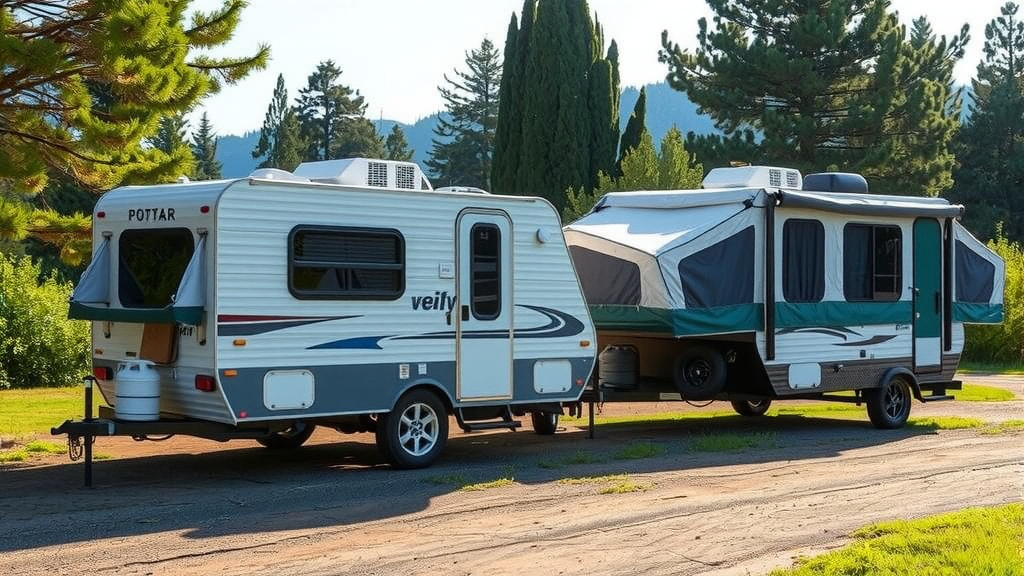
When deciding between a tent trailer and a pop-up camper, know that they offer similar benefits but differ mainly in setup. A tent trailer, also called a pop-up camper, collapses down for towing like a small trailer. You then raise the roof and extend the sleeping areas. It’s a great way to get closer to nature without sleeping on the ground.
Both options provide an affordable entry into RVing. They are much lighter than traditional campers. This means they can often be towed by smaller vehicles. You get a bed off the ground and protection from some weather. Think of it as a comfortable canvas tent on wheels.
- Tent trailers and pop-up campers are very similar.
- Both offer an easy way to get into camping.
- They are lightweight and easy to tow.
- Setup involves raising a roof and extending beds.
- They are more affordable than larger RVs.
Let’s break down the differences and similarities so you can figure out which one is the perfect fit for your next adventure.
Tent Trailer vs. Pop-Up Camper: What’s the Real Difference?
You’re probably wondering what sets these two camping buddies apart. Honestly, the terms “tent trailer” and “pop-up camper” are often used interchangeably. Think of it like this: a pop-up camper is a type of tent trailer. They both share the fundamental design of collapsing into a compact trailer for easy towing. Then, you “pop” them up to reveal a comfortable camping space. So, for most practical purposes, when you’re looking at these options, you’re looking at the same kind of RV experience.
Understanding the Basic Setup and Towing Advantages
The magic of both a tent trailer and a pop-up camper lies in their transformation. You start with a low-profile trailer that’s easy to hitch to your vehicle. Because they’re so light, many cars, SUVs, and smaller trucks can handle them. This is a huge perk if you don’t have a heavy-duty hauler. You’ll save money on gas too, as they are much more fuel-efficient than larger RVs.
The Towing Experience
When it’s time to hit the road, your pop-up camper or tent trailer is remarkably easy to manage. Its low profile means less wind resistance. This translates to a more stable and confident towing experience. You won’t feel like you’re wrestling a giant box down the highway. Plus, their compact size makes them easier to navigate into campsites and parking spots.
Setting Up Your Canvas Home
The “pop-up” action is where the excitement happens! You’ll typically crank a handle or use an electric lift to raise the roof. Then, you extend the sleeping areas, which usually feature comfortable mattresses. These slide-out sections are often covered by a durable canvas or vinyl material. It’s like unfolding a cozy nest. Setup usually takes about 10 to 30 minutes, depending on the model and your familiarity with it.
Key Features and Amenities You Can Expect
While they are basic compared to motorhomes, these campers offer more than just a tent. You get a bed that’s off the ground, which is a real game-changer for comfort and keeping critters out. Many models come with surprisingly good amenities. You’ll find that even a basic model elevates your camping experience.
Sleeping Arrangements
The primary sleeping areas are expandable sections that slide out from the main body of the trailer. These beds offer a comfortable mattress, far superior to sleeping on the ground. Some larger models can even accommodate four to six people with multiple sleeping areas. You’ll sleep soundly, protected from the elements and bugs.
Interior Living Space
Once set up, you have a standing-height interior. This space usually includes a dinette area that can convert into an additional sleeping spot. You’ll also often find storage cabinets for your gear. Some higher-end models even include a small galley kitchen. You won’t have acres of room, but it’s enough to relax and enjoy your trip.
Kitchenette Options
Basic models might just have space for a portable stove. More equipped versions feature a small sink and even a three-burner propane stove built into the galley. You might also find a small refrigerator. These additions make meal prep much more convenient than cooking over an open fire every time.
Bathroom Facilities
A true bathroom is rare in most tent trailers and pop-up campers. However, some larger, more luxurious models offer a portable toilet or even a small wet bath (a combined shower and toilet area). For most users, however, campground facilities or portable camping toilets are the norm.
Comparing Costs and Maintenance Needs
One of the biggest draws to tent trailers and pop-up campers is their affordability. They represent an accessible entry point into the RV lifestyle. Maintenance is also generally simpler and less expensive than with larger RVs.
Purchase Price Comparison
New pop-up campers can range from around $8,000 to $25,000 or more, depending on size and features. Used models can be found for much less, sometimes as low as $1,000 to $5,000. This makes them a fantastic option for budget-conscious campers or those wanting to try RVing without a massive investment.
Maintenance and Upkeep
Maintenance on these campers is usually straightforward. You’ll need to check tire pressure, brakes, and hitch connections regularly, just like any trailer. The canvas or vinyl tent material requires occasional cleaning and waterproofing to prevent mildew and leaks. We found that keeping the canvas dry before folding it up is key to its longevity (RVIA).
Here’s a quick checklist for basic upkeep:
- Inspect tires and wheels before each trip.
- Lubricate moving parts like hinges and lift mechanisms.
- Clean and dry canvas thoroughly after use.
- Check seals and gaskets for any signs of wear.
- Ensure all lights and electrical components are functioning.
- Reproof canvas annually or as needed.
Which One Is Right for Your Camping Style?
Deciding between a pop-up camper and a tent trailer is really about understanding your personal camping needs and preferences. Since they are so similar, consider these factors:
| Feature | Tent Trailer/Pop-Up Camper |
|---|---|
| Towing Ease | Excellent. Lightweight and compact. |
| Setup Time | 10-30 minutes. Requires manual effort. |
| Comfort Level | Bed off the ground, basic amenities. |
| Affordability | Very budget-friendly. Low entry cost. |
| Weather Protection | Good against rain and wind, but canvas can be a factor. |
| Amenities | Varies from basic to small kitchenettes. |
If you crave a more immersive outdoor experience without sacrificing comfort, a pop-up camper or tent trailer is an excellent choice. You get the best of both worlds: the feeling of camping in a tent with the added convenience of a real bed and shelter. Researching specific models will help you find the perfect fit for your adventures.
Conclusion
You’ve learned that tent trailers and pop-up campers are essentially the same thing. They offer an accessible and enjoyable way to experience the outdoors. You get the comfort of a raised bed and shelter without the weight or cost of a large RV. Their lightweight design makes towing easy for most vehicles, and setup is a manageable process. When you’re ready to upgrade your camping experience, consider a pop-up camper for your next adventure. Your perfect outdoor getaway is just a hitch away!
Frequently Asked Questions
Can I tow a tent trailer with my car?
Yes, most tent trailers and pop-up campers are lightweight enough to be towed by many standard cars and SUVs. Always check your vehicle’s owner’s manual for its specific towing capacity. This ensures you don’t overload your car.
How much maintenance do these campers require?
Maintenance is generally straightforward. You’ll need to perform basic trailer checks like tire pressure and hitch security. Keeping the canvas material clean, dry, and waterproofed is important for its longevity.
Are tent trailers good in bad weather?
Tent trailers offer good protection from rain and wind, but they are not as robust as hard-sided RVs. Ensure the canvas is properly sealed and consider using extra tarps for heavy storms. They provide a comfortable shelter for typical camping weather.
What are the sleeping capacities for pop-up campers?
Sleeping capacity varies by model. Many pop-up campers can comfortably sleep two to four people. Larger models can often accommodate up to six campers with multiple slide-out sleeping areas.
Can I install a bathroom in a pop-up camper?
While true bathrooms are rare, some larger pop-up campers offer portable toilets or small wet bath setups. For most models, you’ll rely on campground facilities or bring your own portable camping toilet.
![7 Best Affordable Ultralight Tent [2026]](https://leonardhomeoutdoor.com/wp-content/uploads/2026/07/7-best-affordable-ultralight-tent-2026-featured-768x432.jpg)
![7 Person Lightweight Tent [2026]](https://leonardhomeoutdoor.com/wp-content/uploads/2026/08/7-person-lightweight-tent-2026-featured-768x432.jpg)
![7 Best A Frame Tent [2026]](https://leonardhomeoutdoor.com/wp-content/uploads/2026/08/7-best-a-frame-tent-2026-featured-768x432.jpg)

![7 Best Dark Room Tent [2026]](https://leonardhomeoutdoor.com/wp-content/uploads/2026/08/7-best-dark-room-tent-2026-featured-768x432.jpg)