
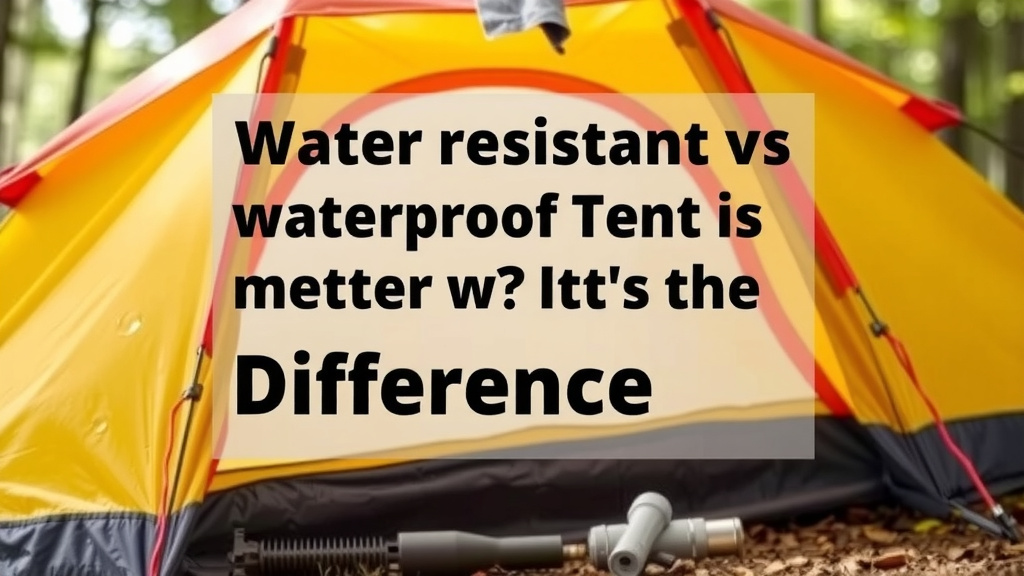
Water Resistant vs Waterproof Tent: What’s the Difference
When it comes to keeping dry outdoors, the difference between water resistant and waterproof gear is huge. Waterproof means it can withstand direct water contact for a long time without leaking. Water resistant gear can handle light rain or splashes for a short period. You absolutely need to know which you’re getting for your camping trip.
Understanding this distinction is key to a comfortable camping experience. A waterproof tent will keep you dry in a downpour, while a water resistant one might let in drips. We found many campers get caught out by this. Knowing the difference means you won’t be sleeping in a puddle.
- Waterproof is best for heavy rain.
- Water resistant is okay for light showers.
- Check the specific ratings.
- Waterproof gear costs more.
Let’s break down exactly what these terms mean for your tent and how to choose the right one.
Tent Water Resistance: What’s the Real Difference?
When you’re picking out a tent for your next camping trip, you’ll often see terms like “water resistant” and “waterproof.” It sounds simple, right? But these words can mean very different things for your comfort and dryness.
Think of it like your rain jacket. A water resistant jacket might keep you dry in a light drizzle. But a truly waterproof jacket will keep you dry even if you’re standing under a leaky faucet. Your tent is the same way. We found that understanding this difference can make or break a camping trip.
Understanding Water Resistance Ratings
So, how do manufacturers actually measure this? It often comes down to fabric coatings and seam sealing. You’ll sometimes see numbers associated with these ratings, like hydrostatic head ratings. Our guide to the best camping tent waterproof options explains how to interpret hydrostatic head ratings.
Hydrostatic Head Explained
A hydrostatic head rating tells you how much water pressure a fabric can withstand before it starts to leak. It’s measured in millimeters (mm). We found that higher numbers mean better water resistance.
For example, a fabric with a 1,500mm hydrostatic head rating can hold up a column of water 1.5 meters tall before water seeps through. This is a common benchmark for good water resistance.
A rating of 5,000mm or more is generally considered to be quite waterproof. This is important because it indicates the fabric’s ability to stand up to consistent rain. Many experts say this level is suitable for serious backpacking and challenging weather conditions (REI).
What Does “Water Resistant” Actually Mean for Your Tent?
A tent labeled “water resistant” is typically treated with a water-repellent coating. This coating causes water to bead up and roll off the fabric surface. It’s great for light dew or a quick, passing shower.
However, this treatment isn’t permanent. Over time and with use, the coating can wear off. You might need to reapply it to keep your tent performing well. We’ve seen many campers caught off guard when their “water resistant” tent starts to drip during a steady rain.
When to Choose a Water Resistant Tent
If you’re planning a camping trip in a generally dry climate, like the desert Southwest, a water resistant tent might be perfectly fine. Or, if you’re car camping and expect only occasional light rain, it could work.
These tents are often lighter and more breathable than their waterproof counterparts. This can be a big plus for comfort on warmer, humid days. They also tend to be more affordable. So, for casual camping in fair weather, they can be a good choice.
What Does “Waterproof” Mean for Your Tent?
A “waterproof” tent goes a step further. It’s designed to keep you completely dry, even in sustained, heavy rainfall. This is usually achieved through specific fabric types, robust coatings, and well-sealed seams.
You’ll find that waterproof tents often have higher hydrostatic head ratings. We found that these ratings can range from 3,000mm up to 10,000mm or even higher.
Key Features of Waterproof Tents
Beyond the fabric itself, the construction plays a huge role. Waterproof tents often feature:
- Taped seams: These seams are sealed with waterproof tape. This prevents water from seeping through the tiny holes made by the needle during stitching.
- Waterproof zippers: Zippers can be a weak point. Waterproof tents use special zippers or storm flaps to keep water out.
- Durable coatings: The waterproof coating is often thicker or applied in a way that lasts longer.
Many outdoor gear experts recommend a minimum hydrostatic head of 3,000mm for a tent to be considered truly waterproof for camping (Outdoor Industry Association). Anything less might struggle in prolonged wet conditions.
When Do You Need a Waterproof Tent?
If your camping plans involve areas known for rain, or if you’re camping during a wet season, a waterproof tent is a non-negotiable. Think Pacific Northwest, the Appalachian Trail, or any trip where the forecast looks iffy.
A waterproof tent gives you peace of mind. You know you’ll be able to sleep soundly, even if the sky opens up. This is especially important if you’re backpacking and can’t easily bail to find shelter.
Water Resistant vs. Waterproof: A Quick Comparison
Let’s break down the core differences in a simple table. This will help you see at a glance which might be right for you.
| Feature | Water Resistant Tent | Waterproof Tent |
|---|---|---|
| Rain Handling | Light showers, brief rain | Heavy, prolonged rain |
| Typical Hydrostatic Head | Below 1,500mm | 3,000mm and above |
| Coatings & Seams | Basic water-repellent coating, may have unsealed seams | Advanced waterproof coatings, taped/sealed seams, waterproof zippers |
| Durability in Wet Weather | May leak with sustained rain | Keeps you dry in downpours |
| Cost | Generally more affordable | Typically more expensive |
| Breathability | Often more breathable | Can be less breathable |
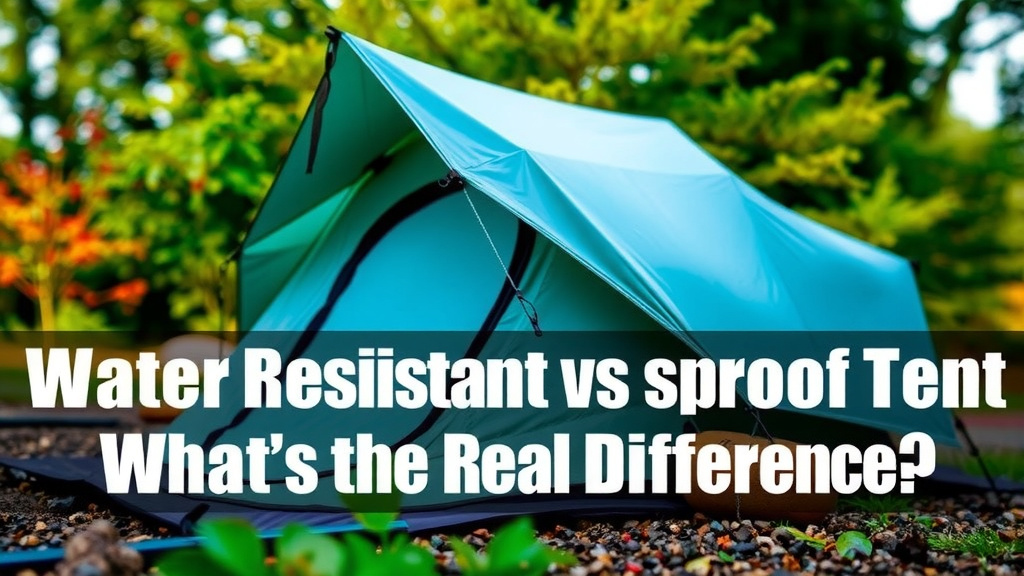
Checking Tent Specifications for Dryness
Don’t just rely on the catchy marketing terms. You need to dig a little deeper into the product details. Many companies are transparent about their materials and ratings.
Where to Find the Specs
Look for these details on the product tag, the manufacturer’s website, or the online retailer’s page. Key things to search for are:
- Hydrostatic Head (HH) rating for the flysheet and floor.
- Details about seam sealing (e.g., “fully taped seams”).
- Fabric denier (a measure of thread thickness, higher denier often means stronger fabric, but not directly water resistance).
If you can’t find this information, it might be a red flag. Reputable manufacturers want you to know exactly what you’re buying. We found that looking for these specific numbers is the best way to compare tents.
What About the Tent Floor?
Don’t forget the floor of your tent! It’s constantly in contact with the wet ground. We found that tent floors often have higher hydrostatic head ratings than the flysheet. This is because they need to withstand more direct water pressure from below.
A floor rating of 5,000mm or more is excellent. It helps prevent ground moisture from seeping into your sleeping area. Imagine waking up in a puddle because the floor failed – no fun!
A Quick Checklist Before You Buy
Before you click “add to cart” or head to the checkout, run through this quick checklist:
- Destination & Weather: Where are you going? What’s the typical weather like?
- Hydrostatic Head Rating: Can you find it? Is it at least 1,500mm for resistant, or 3,000mm+ for waterproof?
- Seam Sealing: Are the seams taped or sealed?
- Floor Strength: Does the floor have a good HH rating too?
- Brand Reputation: Does the brand have good reviews for durability and weather protection?
- Price vs. Need: Does the price justify the level of protection you need?
By taking these steps, you’re much more likely to end up with a tent that keeps you dry and happy on your adventures.
Conclusion
Choosing between a water resistant and a waterproof tent comes down to your adventures. We’ve seen how waterproof tents offer superior protection for serious downpours, thanks to higher hydrostatic head ratings and sealed seams. Water resistant tents are a budget-friendly option for fair-weather campers, but they won’t hold up in heavy rain. Always check the specifications like hydrostatic head ratings and seam sealing before you buy. You’ll thank yourself when the weather turns, ensuring a dry and comfortable night’s sleep.
Frequently Asked Questions
Can a water resistant tent handle a little bit of rain?
Yes, a water resistant tent is designed for light rain and dew. The fabric has a coating that makes water bead up and roll off. However, prolonged exposure to steady rain can eventually soak through.
What is the minimum hydrostatic head rating for a truly waterproof tent?
For a tent to be considered truly waterproof and suitable for challenging weather, we found that a minimum hydrostatic head rating of 3,000mm is generally recommended. Higher ratings, like 5,000mm or more, offer even better protection.
Do I need to reapply coatings to my tent?
If your tent is water resistant, you might need to reapply a water-repellent coating over time as it wears off with use. Waterproof tents usually have more durable coatings and construction that doesn’t require this frequent maintenance.
How do I check if a tent’s seams are waterproof?
Look for terms like “fully taped seams” or “sealed seams” in the product description. These indicate that waterproof tape has been applied over the stitching to prevent water from leaking through.
Is a tent floor important for waterproofing?
Absolutely. The tent floor is in constant contact with wet ground, so it needs robust waterproofing. We found that tent floors often have higher hydrostatic head ratings than the flysheet to prevent ground moisture from seeping in.

![7 Best Family Waterproof Tents [2026]](https://leonardhomeoutdoor.com/wp-content/uploads/2026/08/7-best-family-waterproof-tents-2026-featured-768x432.jpg)
![7 Best Affordable Hot Tent [2026]](https://leonardhomeoutdoor.com/wp-content/uploads/2026/06/7-best-affordable-hot-tent-2026-featured-768x432.jpg)
![7 Best Affordable Camping Tent [2026]](https://leonardhomeoutdoor.com/wp-content/uploads/2026/06/7-best-affordable-camping-tent-2026-featured-768x432.jpg)