
How Do Hot Tents Work?
Hot tents work by safely containing and radiating heat from a wood-burning stove inside your shelter. This allows you to stay incredibly warm and comfortable, even in freezing outdoor temperatures. The key is a specially designed stove made for tents, with a long chimney pipe that safely vents smoke and sparks outside. It’s a game-changer for winter camping, turning a chilly night into a cozy retreat.
Many people wonder if it’s truly possible to have a toasty warm tent in the dead of winter. The answer is a resounding yes! Modern hot tents are engineered with safety and efficiency in mind. They use durable, fire-resistant materials and clever designs to distribute heat evenly. You’ll be amazed at how much warmth a small stove can generate within your tent walls, creating a delightful indoor climate.
- Hot tents use wood stoves for heat.
- A chimney safely vents smoke outside.
- They are made of fire-resistant materials.
- Enjoy warmth even in freezing weather.
- Winter camping becomes comfortable and fun.
Ready to learn more about staying toasty on your next winter adventure? Let’s walk through exactly how these amazing shelters keep you warm and safe.
Understanding How Hot Tents Deliver Winter Warmth
So, you’re curious about how these hot tents manage to create a cozy haven in the middle of winter? It’s really quite clever. The magic lies in combining a specially designed tent with a portable wood-burning stove. This setup turns your tent into a toasty retreat. You get to enjoy the great outdoors without the bone-chilling cold. It’s a method that’s been refined over time. Many outdoor enthusiasts now rely on it for winter adventures.
The core principle is simple: controlled heat generation and safe containment. A small stove, often made of steel, burns wood to produce heat. This heat then radiates throughout the tent. Safety is always the top priority with this system. We’ll look at how they manage that next.
The Heart of the System: The Tent
Not just any tent will do for a wood stove. Hot tents are built with specific features. They need to withstand high temperatures. They also need to be able to safely accommodate a chimney. These tents are typically made from **fire-resistant materials**. Think canvas or specially treated synthetic fabrics. These materials are less likely to ignite or melt from radiant heat. This is a key difference from standard camping tents.
Material Matters for Safety
The fabric choice is vital for your safety. Canvas is a traditional choice. It’s naturally more fire-retardant than many synthetics. Modern tents might use blends or specially coated polyester. These are engineered to resist sparks and high heat. You’ll want to check the tent’s specifications. Look for mentions of flame resistance or treatments. This ensures you have a shelter that can handle the heat.
Design for Heat and Airflow
Beyond the material, the tent’s design plays a role. Many hot tents have reinforced areas. These are often around the stovepipe exit. They might have a **fireproof collar or flap**. This creates a seal. It prevents smoke or sparks from entering the tent. Good ventilation is also important. While you want to retain heat, you also need fresh air. Poor ventilation can lead to dangerous carbon monoxide buildup. We found that most designs include multiple vents for this reason.
The Role of the Wood Stove
The stove itself is a marvel of compact engineering. These aren’t your home fireplace stoves. They are **lightweight and portable**. They are designed to burn efficiently with minimal fuel. Most use small pieces of firewood. Some even have foldable legs. This makes them easy to pack and set up. The heat output can be surprisingly high for their size.
Stove Features for Tent Use
You’ll notice some specific features on these stoves. Many have a glass window. This lets you enjoy the **pleasant ambiance of a real fire**. It also lets you monitor the burn rate. The grates are designed for optimal airflow. This means a hotter, cleaner burn. Some models even have a small cooking surface on top. You can heat water or cook simple meals.
The Essential Chimney System
The chimney is arguably the most critical component for safety. It’s typically a **multi-section stainless steel pipe**. This pipe connects to the stove. It then extends up and out of the tent. The pipe needs to be securely supported. It also needs to be well insulated where it exits the tent. A specialized **fireproof grommet or collar** is used. This creates a safe barrier between the hot pipe and the tent fabric. Proper installation of the chimney is non-negotiable for safety.
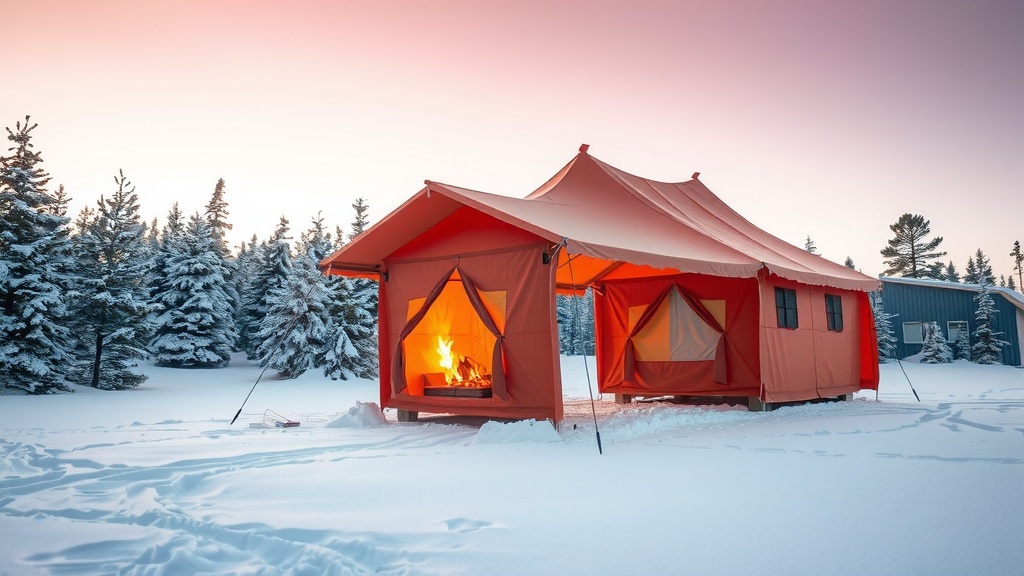
How Heat Is Generated and Distributed
Once the stove is lit and the chimney is in place, the heating process begins. The burning wood heats the metal of the stove. This metal then radiates heat outwards. You feel this warmth directly. It’s similar to standing near a campfire, but contained. The air inside the tent warms up. This creates a convection cycle. Warm air rises, circulates, and then cooler air is drawn back towards the stove.
Radiant vs. Convection Heat
There are two main ways the heat is distributed. Radiant heat comes directly from the stove’s surfaces. Think of how you feel warmth from a light bulb. This provides immediate comfort. Convection heat is when the air itself gets warm. This circulating warm air heats the entire tent space. The tent material also absorbs some heat. It then re-radiates it back into the interior.
Maintaining the Right Temperature
Controlling the temperature is key to comfort and safety. You do this primarily by managing the fire. Adding more wood increases the heat. Letting the fire die down reduces it. You can also adjust the stove’s air intake vents. These control how much oxygen feeds the fire. More oxygen means a hotter, faster burn. Less oxygen leads to a slower, cooler burn. Many experienced users find a rhythm. They learn to maintain a steady heat output throughout the night. We found that small, frequent additions of wood work best.
| Component | Primary Function | Safety Aspect |
|---|---|---|
| Tent Fabric | Shelter and containment | Fire-resistant materials |
| Wood Stove | Heat generation | Controlled burning, compact design |
| Chimney Pipe | Exhaust of smoke and sparks | Safe venting outside the tent |
| Stovepipe Collar | Seal for tent opening | Prevents smoke/spark entry, heat barrier |
| Ventilation | Air exchange | Prevents carbon monoxide buildup |
Safety First: What You Need to Know
Using a hot tent is incredibly rewarding. But it requires constant vigilance. Safety is the absolute top priority. You are essentially bringing a small furnace into your shelter. **Carbon monoxide (CO)** is the invisible danger. It’s a byproduct of incomplete combustion. It has no smell or color. In enclosed spaces, it can be deadly. You must have working CO detectors. Place them strategically within the tent. Test them regularly. We found that having at least two is a good idea.
Ventilation is Your Friend
You absolutely need **proper ventilation**. Even when it’s freezing outside, you must allow fresh air in. Most hot tents have adjustable vents. Open them slightly. This ensures a constant supply of oxygen. It also helps to safely vent any stray CO. Don’t seal yourself in completely. It’s a balance between heat and safety. Always err on the side of caution. Guidelines from fire safety organizations consistently stress this point (National Fire Protection Association).
Fire Prevention Practices
Keep flammable materials away from the stove and chimney. This includes sleeping bags, clothing, and extra firewood. A small **fire extinguisher** should be readily accessible. Know how to use it. Never leave the stove unattended, especially while sleeping. Some people use a timer. It reminds them to check the fire. Others establish a routine for tending the fire. A clear space around the stove is essential. This minimizes the risk of accidental ignition.
Here’s a quick safety checklist:
- Install CO detectors and test them.
- Ensure the chimney is properly sealed and supported.
- Maintain adequate ventilation at all times.
- Keep flammable items away from the stove.
- Have a fire extinguisher readily available.
- Never leave a burning stove unattended.
Conclusion
You now understand how hot tents transform winter camping into a cozy experience. It’s all about the synergy of a specially designed tent and a portable wood stove. These tents use fire-resistant materials and clever designs. The stove and chimney system safely manage heat and exhaust. By carefully controlling the fire and ensuring proper ventilation, you create a warm, inviting space. Ready for your warmest winter adventure yet? Plan your setup with safety as your top priority, and you’ll be enjoying the magic of a heated tent.
Frequently Asked Questions
How much wood do I need to keep a hot tent warm all night?
The amount of wood needed varies with stove efficiency and outside temperature. Generally, expect to add small amounts of wood every 1-3 hours. You’ll develop a feel for your stove and tent’s heating needs with practice. Keeping a good supply of dry, seasoned wood nearby is key.
Can I cook or boil water on a hot tent stove?
Yes, many hot tent stoves are designed with a flat top surface. This allows you to place pots or pans directly on the stove. It’s a fantastic way to heat water for drinks or meals while camping. Just be sure to use oven mitts or pot holders, as the stove gets very hot.
What’s the difference between a hot tent and a regular tent with a stove?
Regular tents aren’t built to handle the heat and potential sparks from a stove. Hot tents are made with fire-resistant materials, often have reinforced stovepipe openings with heat-resistant collars, and are designed for safe ventilation. Using a stove in a non-rated tent is extremely dangerous.
How do I prevent condensation inside my hot tent?
Condensation is common when warm, moist air meets cooler tent surfaces. You can minimize it by ensuring good ventilation, even when it’s cold. Wiping down interior surfaces periodically also helps. A slightly hotter, faster burn for short periods can also reduce moisture buildup.
Is it safe to sleep in a hot tent overnight?
Yes, it is safe to sleep in a hot tent when all safety precautions are followed meticulously. This includes having working carbon monoxide detectors, maintaining constant ventilation, keeping flammable materials away from the stove, and ensuring the stove and chimney are correctly installed and maintained. Never leave a burning stove completely unattended without understanding your system’s capabilities.
![7 Best Backpacking Tent For Bad Weather [2026]](https://leonardhomeoutdoor.com/wp-content/uploads/2026/07/7-best-backpacking-tent-for-bad-weather-2026-featured-768x432.jpg)

![7 Best Backpacking Tent For Elk Hunting [2026]](https://leonardhomeoutdoor.com/wp-content/uploads/2026/06/7-best-backpacking-tent-for-elk-hunting-2026-featured-768x432.jpg)
![7 Best Tent Ac Unit [2026]](https://leonardhomeoutdoor.com/wp-content/uploads/2026/09/7-best-tent-ac-unit-2026-featured-768x432.jpg)