
How to Lock a Tent
Locking your tent is a simple way to keep your gear secure and prevent unwanted access while you’re away. The most straightforward method involves using a small padlock or a cable lock through the zipper pulls of your tent doors. This deters casual thieves and provides peace of mind.
While tents aren’t typically burglar-proof, securing them makes a big difference. Many campers find that a visible lock is a strong deterrent. It signals that you’re taking precautions, making your tent a less appealing target than an unprotected one. We’ve found this simple step can greatly enhance your campsite security.
- Use a padlock or cable lock on zippers.
- This deters casual theft.
- It provides peace of mind.
- A lock makes your tent a less appealing target.
Let’s walk through the best ways to lock your tent and some things to consider to keep your belongings safe.
You’re out enjoying nature, perhaps hiking or fishing, and you need to step away from your campsite for a bit. What about your gear? Leaving your tent unlocked can feel like leaving your front door wide open. Fortunately, there are simple, effective ways to secure your tent so you can relax knowing your belongings are safer.
Securing Your Tent: The Basics
Keeping your tent locked is about deterring opportunistic theft and adding a layer of security. It’s not about creating an impenetrable fortress. Think of it as making your tent a less attractive target. This simple act can give you peace of mind while you’re exploring or sleeping.
Choosing the Right Lock
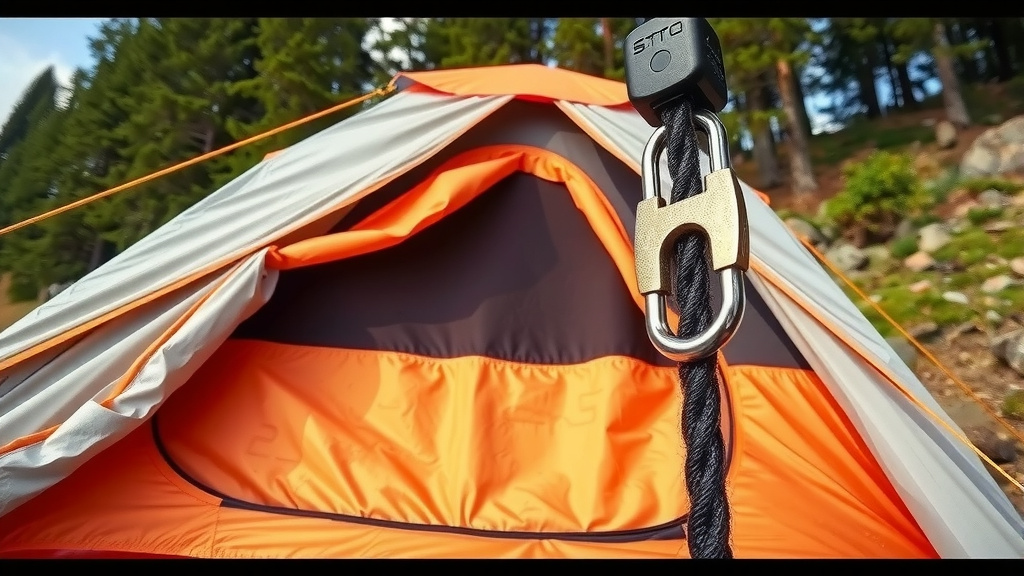
Not all locks are created equal when it comes to tent security. You want something small and lightweight, but sturdy enough to do the job. The best locks for tents are typically compact padlocks or cable locks.
Padlocks
A small brass or combination padlock is a popular choice. They are easy to use and readily available. Ensure the shackle is thin enough to fit through your zipper pulls without forcing them. A lock that’s too large can damage your zippers.
Cable Locks
Cable locks offer a bit more flexibility. You can often loop the cable through multiple zipper pulls or even around a tent pole for added security. They are lightweight and don’t add much bulk to your pack.
How to Attach Your Lock
The process is usually straightforward. You’ll be working with your tent’s zipper pulls, which are the small metal or fabric tabs at the end of your zippers.
Zipper Pull Method
This is the most common and easiest method. Simply thread the shackle of your padlock or the cable of your lock through the holes in your tent’s zipper pulls. Then, secure the lock. For most tents, you can lock both the main door zippers together.
Multiple Doors
If your tent has multiple doors, you can often zip them both shut and thread your lock through both sets of zipper pulls. This ensures that both entrances are secured with a single lock.
Using a Cable Lock for Extra Reach
If you’re using a cable lock, you might have the option to loop it around a nearby tent pole. This can make it slightly harder to simply snip the lock off. Research and found that combining zipper locks with a pole loop can add an extra deterrent (personal camp security blogs).
When Should You Lock Your Tent?
There are definitely times when locking your tent is a smart move. It’s not something you need to do constantly, but knowing when to use a lock can save you trouble.
Leaving Your Campsite
This is the most obvious time. If you’re heading out for a hike, going to the lake, or visiting a visitor center, you’ll want to secure your tent. This prevents anyone from accessing your tent while you’re away. Many campers report feeling much more at ease when their gear is locked up.
At Night
Even when you’re inside your tent, a lock can offer an extra layer of security. While it won’t stop a determined intruder, it can deter someone who is just casually trying to open your tent. It’s a small step that can provide a big psychological boost when you’re trying to sleep.
In Busy or Unfamiliar Campgrounds
If you’re camping in a crowded campground or an area you’re not familiar with, it’s wise to be more cautious. Opportunistic theft can happen anywhere, and a lock acts as a clear signal that your belongings are protected. We found that a visible lock can make your tent a less appealing target in such settings.
What Locks Are Best for Camping?
When selecting a lock for your tent, consider a few key features. You want something practical for camping conditions.
Size and Weight
As mentioned, smaller is generally better. You don’t want a bulky lock that’s hard to pack or adds unnecessary weight. Small padlocks are usually around 0.5 to 1 inch in shackle height.
Durability and Weather Resistance
Your lock will be exposed to the elements. Look for locks made from durable materials like brass or stainless steel. These resist rust and corrosion better than cheaper metals. A weather-resistant coating is also a plus.
Ease of Use
You want a lock you can operate easily, even with cold hands or in low light. Combination locks can be great because you don’t have to worry about losing a tiny key. However, remember your combination!
Types of Locks to Consider: A Quick Comparison
Here’s a quick look at common lock types and how they stack up for tent security:
| Lock Type | Pros | Cons |
|---|---|---|
| Small Padlock (Keyed) | Simple, relatively inexpensive, secure if good quality. | Can lose keys, keys can be fiddly in cold. |
| Combination Padlock | No keys to lose, easy to operate. | Combinations can be forgotten, sometimes less secure than keyed locks. |
| Cable Lock | Flexible, can secure multiple points, lightweight. | Can be easier to cut than solid metal locks if low quality. |
Beyond Just Locking: Additional Security Tips
While a lock is a great first step, there are other things you can do to keep your campsite secure. Think of these as part of a layered approach to protecting your gear.
Keep Valuables Out of Sight
The best way to prevent theft is to not make your tent look like a treasure chest. Store expensive electronics, wallets, and car keys in a secure place within your tent, or better yet, keep them with you or locked in your vehicle if possible. We found that a visible laptop or camera inside a tent is a strong invitation.
Don’t Advertise Your Absence
Try to avoid leaving obvious signs that your tent is empty for extended periods. If you’re gone all day, consider leaving a light on if you have a battery-powered lantern, or have a neighbor in a nearby site keep an eye on things. This is a practice recommended by many park rangers.
Inform a Neighbor
If you’re in a campground with other people, let a friendly neighbor know you’ll be away for a while. They can keep an eye out for any suspicious activity around your tent. A little community watch goes a long way.
A Quick Campsite Security Checklist
To make sure you’re covering your bases, here’s a handy checklist:
- Lock your zippers when leaving.
- Store valuables out of sight.
- Keep your car keys on your person or secured.
- Inform a neighbor if you’re gone for a long time.
- Be aware of your surroundings at all times.
- Pack out what you pack in – especially trash.
Conclusion
Securing your tent doesn’t require elaborate measures. By using a simple padlock or cable lock on your zippers, you create a visible deterrent against opportunistic theft. Remember that locking your tent is about adding peace of mind, not creating an impenetrable vault. Combine this simple act with smart practices like storing valuables out of sight and letting a neighbor know when you’re away. Take this easy step to protect your gear and enjoy your outdoor adventures with greater confidence.
Frequently Asked Questions
How do I choose the right size padlock for my tent zippers?
You’ll want a small padlock with a thin shackle. Research suggests that a shackle height of 0.5 to 1 inch is usually sufficient. Test it on your zipper pulls to ensure it fits through the holes without causing damage or feeling forced.
Can I use a luggage lock on my tent?
Yes, a small luggage lock, especially a combination type, can work well. They are lightweight and don’t require carrying extra keys. Just ensure the mechanism is sturdy enough and the loops fit through your zipper pulls.
What’s the best way to lock a tent with two doors?
The easiest method is to zip both doors completely shut. Then, thread your padlock or cable lock through the holes of both sets of zipper pulls. This secures both entrances with a single lock.
Should I leave my tent locked when I’m sleeping inside?
Locking your tent while you’re inside offers an extra layer of security. While it won’t stop a determined intruder, it can deter someone who might casually try to open your tent in the dark, providing a psychological comfort.
Are cable locks effective for tents, or can they be easily cut?
Cable locks offer flexibility and are lightweight. Their effectiveness depends on the quality. A thicker, braided steel cable lock is generally harder to cut than a thin, flimsy one. We found they add a good deterrent, especially when looped around a tent pole as well.
![7 Best Cheap 2 Person Tent [2026]](https://leonardhomeoutdoor.com/wp-content/uploads/2026/08/7-best-cheap-2-person-tent-2026-featured-768x432.jpg)
![7 Best Places To Camp In A Tent Near Me [2026]](https://leonardhomeoutdoor.com/wp-content/uploads/2026/09/7-best-places-to-camp-in-a-tent-near-me-2026-featured-768x432.jpg)