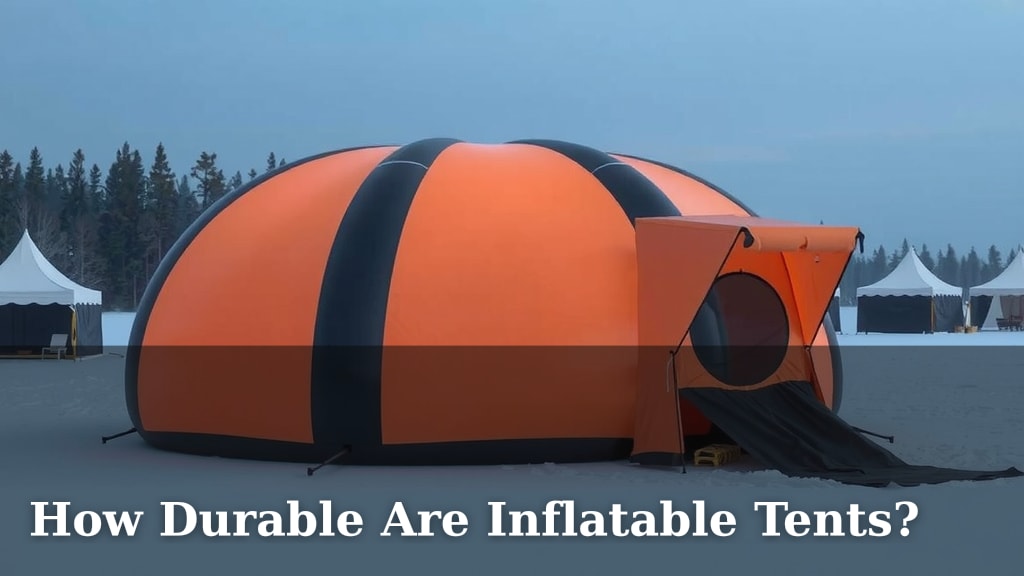
How Durable Are Inflatable Tents?
Generally speaking, inflatable tents are surprisingly durable and can withstand a variety of weather conditions when properly cared for. Modern inflatable tent materials, often made from robust fabrics like polyester or nylon, are engineered for outdoor use. You can expect them to offer reliable protection for your camping trips.
While they might seem less sturdy than traditional pole tents, inflatable designs have proven their worth in terms of longevity and performance. Many campers have found that inflatable tents hold up well against wind and rain, making them a practical choice for outdoor adventures.
- Inflatable tents are generally very durable.
- Materials like polyester and nylon offer good protection.
- They can handle various weather conditions effectively.
- Proper care ensures their longevity.
So, how long will your inflatable tent actually last, and what makes some tougher than others? Let’s walk through what you need to know.
You’re probably wondering, “Can this air-filled tent really handle a weekend of camping, let alone a week?” It’s a fair question. Traditional tents have been around forever, and we know what to expect. Inflatable tents, on the other hand, feel a bit newer, a bit more… delicate. But we’ve found that the reality is quite different. Your inflatable tent can be surprisingly tough.
How Long Do Inflatable Tents Typically Last?
A well-maintained inflatable tent can last you many years. Think of it like a good quality air mattress. With proper care, it can serve you faithfully for a decade or more. Several factors influence this lifespan, and understanding them will help you get the most out of your investment.
Material Matters: The Fabric’s Role
The outer shell of your inflatable tent is usually made from tough materials. Common choices include polyester and nylon. These fabrics are chosen for their durability and resistance to the elements. You’ll often see a denier rating on the tent fabric, similar to what you find on backpacks. A higher denier generally means a thicker, more robust fabric.
Beyond the base material, coatings play a big role. Many tents have a polyurethane (PU) or silicone coating. This coating is what makes them waterproof and adds another layer of strength. The quality of this coating can significantly impact how long your tent lasts and how well it resists wear and tear. We found that tents with higher hydrostatic head ratings (a measure of waterproofing) often use better coatings.
Construction Quality: Seams and Valves
It’s not just the fabric; the way the tent is put together is vital. Strong, well-sealed seams prevent leaks and add structural integrity. Pay attention to the stitching and any taped seams. Air valves are another critical component. They need to be robust and reliable to hold air effectively, even under pressure. A faulty valve can render your tent useless, no matter how good the fabric is.
Inflatable Tents vs. Weather: What Can They Handle?
When we talk about durability, we often mean how well a tent performs in challenging weather. Inflatable tents have come a long way, and many models are designed to be quite storm-worthy.
Wind Resistance: A Breath of Fresh Air?
You might imagine an air-filled structure being easily blown away. However, inflatable tents often have a lower profile and a more aerodynamic shape than traditional tents. This design helps them cut through the wind rather than acting like a sail. The flexible nature of the air beams can also absorb wind energy, preventing snapping or breaking.
We found that the overall stability depends heavily on how well the tent is guyed out. Using all the guy lines and ensuring they are taut makes a huge difference. Proper pegging into the ground is also essential. For very high winds, some experts suggest deflating slightly if you’re leaving the tent unattended for an extended period, though this is rarely necessary for typical camping conditions.
Rain and Snow: Staying Dry and Cozy
The waterproof coatings mentioned earlier are key here. Most inflatable tents boast excellent water resistance. Their sealed construction often means fewer points of potential leakage compared to tents with many poles and fabric sleeves. Snow load can be a concern for any tent. While inflatable tents can handle light snow, heavy, wet snow accumulation can put a strain on the air beams. It’s wise to brush off heavy snow accumulation promptly.
| Weather Condition | Inflatable Tent Performance | Tips for Best Performance |
|---|---|---|
| Light to Moderate Wind | Generally Very Good | Secure all guy lines and pegs firmly. Pitch in a sheltered spot if possible. |
| Strong Winds | Good (with proper setup) | Use all guylines tautly. Consider a lower-inflation setting if leaving unattended for long periods. |
| Light to Moderate Rain | Excellent | Ensure all seams are sealed and zippers are fully closed. |
| Heavy Snow Load | Fair to Good (with precautions) | Brush off snow regularly. Avoid pitching in areas prone to heavy drifts. |
UV Exposure: The Sun’s Slow Burn
The sun is an often-overlooked enemy of outdoor gear. Prolonged exposure to ultraviolet (UV) rays can degrade fabric and coatings over time. This can lead to fading, weakening of the material, and reduced waterproofing. We found that UV-resistant treatments are often applied to tent fabrics, but no material is entirely immune.
To combat this, simple practices can extend your tent’s life. Pitching your tent in shaded areas when possible helps reduce direct sun exposure. Packing your tent away clean and dry, and storing it out of direct sunlight when not in use, makes a big difference.
Caring for Your Inflatable Tent: Maximizing Its Lifespan
Durability isn’t just about the materials; it’s also about how you treat your tent. Regular maintenance is key to ensuring your inflatable tent stands the test of time and many adventures.
Cleaning: A Simple Routine
After each trip, give your tent a good shake to remove dirt and debris. For a more thorough clean, use mild soap and water. Avoid harsh chemicals or abrasive cleaners, as these can damage the fabric and coatings. Always allow your tent to dry completely before packing it away. Storing a damp tent can lead to mildew, which is difficult to remove and can weaken the fabric.
Storage: The Right Way
When storing your inflatable tent, it’s best to do so loosely. Avoid cramming it tightly into its stuff sack, especially for long-term storage. A loose fold or roll in a breathable bag or its original carry bag is ideal. Store it in a cool, dry place, away from direct sunlight and potential pests.
Repairs: Small Fixes Save Big Headaches
Accidents happen. A small puncture or tear might seem like a disaster, but most inflatable tents come with repair kits. These often include patches and a special adhesive. We found that minor repairs are usually straightforward and can prevent a small issue from becoming a major problem. For larger issues, or if you’re unsure, contacting the manufacturer is always a good idea.
Here’s a quick checklist to keep your inflatable tent in top shape:
- Shake out debris after every use.
- Clean with mild soap and water when needed.
- Always dry completely before storing.
- Store loosely in a cool, dry place.
- Inspect for damage before and after trips.
- Make small repairs promptly with the included kit.
Conclusion
You’ve seen that inflatable tents offer impressive durability for your camping adventures. With the right materials and solid construction, they can last for years. Understanding how wind, rain, and sun affect your tent, and employing simple care routines, is key to maximizing its lifespan. Treat your inflatable tent well, and it will faithfully shelter you on many trips to come. Your next step is to confidently choose one and plan your next outdoor escape!
Frequently Asked Questions
How can I tell if an inflatable tent’s fabric is good quality?
Look for a higher denier rating, which indicates thicker, more durable fabric. Also, check for a good PU or silicone coating and a high hydrostatic head rating, as these point to better waterproofing and longevity.
Are inflatable tents really as wind-resistant as they claim?
Yes, many inflatable tents have aerodynamic shapes that perform well in wind. Their flexibility helps absorb wind energy, but proper setup with all guy lines is essential for maximum stability.
What’s the best way to store an inflatable tent long-term?
Always ensure your tent is completely dry before storing it. It’s best to store it loosely rolled or folded in a breathable bag in a cool, dry place away from sunlight and pests.
Can I use my inflatable tent in freezing temperatures?
Inflatable tents can generally handle cold weather, but extreme cold can make the fabric more brittle. Be extra careful with setup and takedown in freezing conditions to avoid damage.
What if my inflatable tent gets a small puncture?
Most inflatable tents come with a repair kit for minor punctures and tears. We found these kits are usually easy to use and can quickly fix small holes before they become bigger problems.
![7 Best Backpacking Tent For Dogs [2026]](https://leonardhomeoutdoor.com/wp-content/uploads/2026/06/7-best-backpacking-tent-for-dogs-2026-featured-768x432.jpg)