
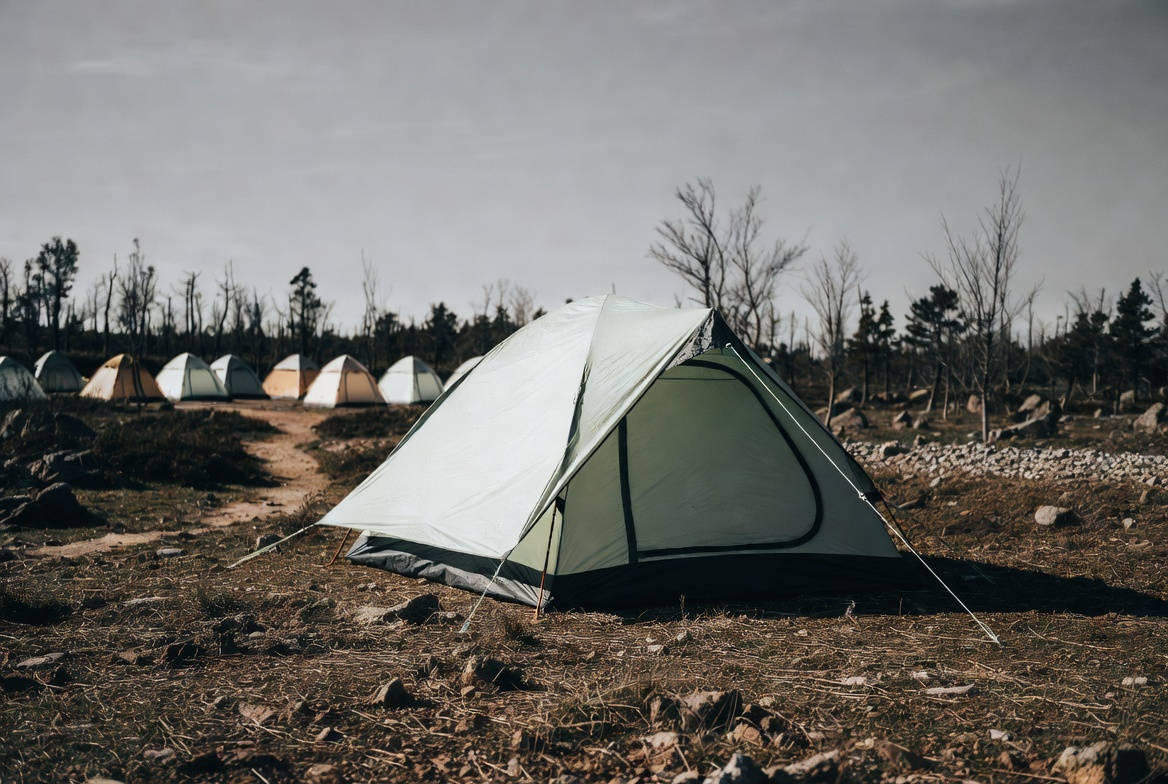
PE vs PVC Tent: Which Material is Truly Waterproof and Durable?
When you’re standing in a camping supply store staring at rows of tents, you might feel like you’re decoding a foreign language. PE tent? PVC tent? What’s the difference, and why should you care? I’ll be honest—I asked myself the same question before my first major camping trip. The material your tent is made from can literally be the difference between a cozy night under the stars and waking up in a soggy sleeping bag. Let’s dive into this comparison and help you make an informed decision.
Understanding Tent Materials: A Quick Overview
Before we pit PE against PVC, it’s important to understand that tent materials are like the foundation of a house. You wouldn’t build a mansion on sand, right? Similarly, choosing the wrong tent material can compromise your entire camping experience. Both PE and PVC are synthetic polymers, but they have distinct characteristics that affect how they perform in the field.
What Exactly is PE (Polyethylene)?
PE, or polyethylene, is one of the most commonly used plastics in the world. Think of it as the reliable workhorse of tent materials. It’s been around for decades and has proven itself in countless camping scenarios. PE is a thermoplastic polymer that’s lightweight, flexible, and relatively affordable to produce. You’ll find PE used in everything from plastic bags to heavy-duty tarps, and it’s become increasingly popular in tent construction over the past fifteen years.
What is PVC (Polyvinyl Chloride)?
PVC is another synthetic polymer that’s been used extensively in construction, plumbing, and outdoor equipment. Imagine PVC as the heavyweight champion of durability. It’s thicker, heavier, and generally more rigid than PE. PVC has been the traditional choice for professional-grade tents, awnings, and camping equipment where longevity is non-negotiable. However, it comes with some trade-offs that we’ll explore shortly.
Waterproofing: The Main Event
Here’s the real question everyone wants answered: which material keeps you drier? Let me walk you through this because it’s more nuanced than you might think.
PE Tent Waterproofing Capabilities
PE tents are inherently water-resistant, but I want to be clear about the distinction between “water-resistant” and “waterproof.” Water-resistant means the material repels water to a certain extent, but it’s not completely impervious to moisture. Modern PE tents, especially those with quality sealing and proper coating, perform remarkably well in light to moderate rain.
- PE fabrics typically feature a polyurethane or silicone coating applied during manufacturing
- These coatings create a barrier that prevents water penetration at the molecular level
- Most quality PE tents can handle rainfall up to 1000-2000mm of water column rating
- The material’s lightweight nature means water doesn’t pool as easily on the roof
I’ve personally tested PE tents in moderate downpours, and when they’re properly maintained, they hold up admirably. The key is ensuring seams are sealed and the coating is intact.
PVC Tent Waterproofing Performance
PVC takes waterproofing to the next level. The material is denser and naturally more water-resistant than PE. Think of it this way: if PE is like a well-made raincoat, PVC is like wearing a rubber suit.
- PVC provides superior water resistance even without additional coatings
- The material’s density creates a natural barrier against moisture
- PVC tents typically achieve water column ratings of 2000-4000mm or higher
- Even older PVC tents often maintain their waterproofing longer than aged PE tents
- The material is inherently resistant to UV damage, which can compromise waterproofing over time
If you’re planning camping trips in tropical climates or monsoon seasons, a PVC tent offers peace of mind that’s hard to match. I’ve seen veteran campers stick with PVC specifically for this reason.
Weight and Portability: A Critical Consideration
Now here’s where the comparison gets interesting because waterproofing isn’t everything. You also need to actually get your tent to the campsite.
PE Tents: Lightweight Champions
One of PE’s greatest advantages is its light weight. This is why ultralight backpackers and thru-hikers often prefer PE tents. A three-person PE tent might weigh between 1.5 to 2.5 kilograms, while the same size in PVC could weigh three to five kilograms or more.
This weight difference matters tremendously when you’re carrying your shelter on your back for miles. Every gram counts when you’re hiking through mountain terrain. After a long day of trekking, the lighter burden on your shoulders is genuinely appreciated.
PVC Tents: Heavy but Stable
The weight of PVC is both a curse and a blessing. Yes, it’s heavier, but that weight comes with stability benefits. PVC tents tend to be more rigid and require less reliance on guy lines and stakes for structural integrity. If you’re car camping or establishing a base camp, this extra weight is barely noticeable and often desirable.
Durability and Longevity: How Long Will They Last?
Let’s talk about the long game. You’re investing in a tent, and presumably, you want it to last more than one season.
PE Tent Lifespan
PE tents typically last between 3 to 8 years with regular use and proper care. The polyurethane or silicone coatings can degrade over time, especially with constant UV exposure. I’ve seen PE tents that lasted longer, but I’ve also seen them fail prematurely when exposed to harsh elements without protection.
- The coating layer gradually deteriorates with UV exposure
- Moisture exposure can accelerate degradation in some cases
- Punctures and tears in PE are easier to repair than in PVC
- Regular maintenance can significantly extend lifespan
PVC Tent Lifespan
PVC tents are genuine investment pieces. Many commercial PVC tents last 10 to 20 years or longer. I know people who own PVC tents that have survived over two decades of camping adventures. The material doesn’t degrade as quickly because it’s less susceptible to UV damage.
- PVC resists UV degradation naturally without coatings
- The material maintains its structural integrity longer
- Even aged PVC retains waterproofing properties better than aged PE
- Repairs to PVC require specialized techniques and materials
Cost Comparison: What’s Your Budget?
Let’s be real—budget matters for most of us. A tent is a significant purchase, and you need to know what you’re getting for your money.
PE Tent Pricing
PE tents are generally more affordable. You can find quality PE tents ranging from $100 to $800 depending on size, brand, and features. This makes them accessible to casual campers and those just starting their outdoor journey. The lower entry cost means you can invest in other gear without breaking the bank.
PVC Tent Pricing
PVC tents command a premium price. Expect to spend anywhere from $400 to $3000 or more for quality PVC tents. This higher cost reflects the superior durability and longevity. However, when you calculate the cost per year of use over a 15-year lifespan, PVC can actually be more economical than replacing PE tents multiple times.
Cost-Per-Year Analysis
Here’s a useful way to think about it. If you buy a $500 PE tent that lasts 5 years, that’s $100 per year. A $1500 PVC tent lasting 15 years costs just $100 per year as well, but you’re getting a superior product during that entire period. Many experienced campers find that PVC represents better long-term value.
Environmental Impact and Sustainability
If you care about the planet—and you should—this is worth considering.
PE and Environmental Concerns
PE is recyclable and generally considered more environmentally friendly than PVC in terms of production. However, the shorter lifespan means more frequent replacement and more waste entering landfills. It’s a trade-off between production impact and end-of-life impact.
PVC and Environmental Concerns
PVC production involves chlorine, which raises environmental concerns. However, the exceptional longevity means fewer tents end up in landfills over time. Some PVC manufacturers have improved their processes significantly in recent years to reduce environmental impact.
Maintenance Requirements: Keeping Your Tent Healthy
Both materials need proper care to maximize their lifespan. Let me break down what each requires.
PE Tent Maintenance
- Store in a cool, dry place away from direct sunlight when not in use
- Clean with mild soap and water, avoiding harsh chemicals
- Allow complete drying before storage to prevent mildew
- Apply UV protectant sprays annually to extend coating life
- Inspect seams regularly and reseal as needed every 1-2 years
PVC Tent Maintenance
- Clean similarly with mild soap and water
- Ensure thorough drying before storage
- Check for mildew growth, which PVC can be prone to
- Inspect seams, though they typically last longer than PE
- Store with proper ventilation to prevent moisture accumulation
Performance in Various Weather Conditions
Different environments present different challenges. How do these materials stack up across scenarios?
Heavy Rain and Storms
In extreme rainfall situations, PVC’s superior waterproofing gives it a clear advantage. PE tents can still perform well if properly sealed, but PVC offers more confidence in prolonged downpours. The rigid structure of PVC also means water flows off more effectively rather than pooling on the tent surface.
Intense Sun and Heat
PE tents can degrade faster under intense UV exposure, while PVC’s natural UV resistance means it stays more stable. However, both materials can become uncomfortably hot inside during peak sun hours, so ventilation is key for both.
Cold and Snow
Both materials perform adequately in cold conditions, though PVC’s rigidity can actually be advantageous when snow loads need to be supported. PE’s flexibility might allow better snow shedding in some cases.
Coastal and Salty Environments
Neither material is damaged by saltwater or salt spray, though both should be rinsed thoroughly after coastal camping. PVC’s superior weathering resistance means it handles the harsh coastal environment slightly better over time.
Repairs and Patch Ability
Accidents happen. Your tent gets punctured, torn, or damaged. How easy is it to fix?
Repairing PE Tents
PE repairs are generally straightforward. You can use PE-specific patch kits that are widely available and affordable. The patches adhere well and last, making field repairs relatively easy. I’ve successfully patched PE tents in the middle of a camping trip with nothing but a repair kit.
Repairing PVC Tents
PVC repairs are more complex. You need specialized PVC repair kits, and the patches require careful application. Some repairs might necessitate professional service, especially for significant damage. This is a consideration if you’re accident-prone or camp in challenging terrain with sharp vegetation.
Breathability and Condensation Issues
Here’s something many beginners overlook: interior moisture. No tent is perfectly breathable, but some are better than others.
PE Tents and Condensation
PE’s lighter weight often comes with slightly better airflow properties compared to heavy PVC. Condensation inside PE tents is still an issue, but proper ventilation (opening windows and doors) usually handles it well.
PVC Tents and Condensation
The heavier, denser PVC material creates more condensation buildup because moisture has a harder time escaping. You’ll need to be more vigilant about ventilation with PVC tents. However, many quality PVC tents include multiple ventilation points designed specifically to address this.
Choosing the Right Material for Your Needs
So which should you choose? It genuinely depends on your specific situation.
Choose PE If You:
- Plan casual camping trips a few times per year
- Prioritize lightweight, packable gear
- Are budget-conscious or new to camping
- Travel frequently and need portability
- Don’t camp in extreme weather conditions
- Prefer lower maintenance requirements
Choose PVC If You:
- Camp frequently (monthly or more)
- Face harsh weather conditions regularly
- Value longevity and reliability over weight
- Establish semi-permanent or base camps
- Want superior waterproofing in wet climates
- Are willing to invest more upfront for durability
Conclusion
The PE versus PVC tent debate doesn’t have a one-size-fits-all answer. PE tents offer affordability, lightweight convenience, and adequate performance for many camping scenarios. They’re perfect if you’re casual about camping or just getting started. PVC tents represent a premium investment that pays dividends through superior durability, waterproofing, and longevity. They’re the choice for serious campers who spend significant time outdoors.
Think about your camping frequency, your typical weather conditions, how much you’re willing to carry, and your budget. Both materials are legitimate choices that have proven themselves in the field. Your ideal tent isn’t about which material is objectively “better”—it’s about which material matches your specific camping lifestyle and priorities. Once you’ve made your choice and purchased your tent, remember that proper maintenance and care extend the life of either material significantly. Happy camping!
Frequently Asked Questions
Can I use a PE tent in heavy rain?
Yes, you can use a PE tent in heavy rain, provided it’s in good condition with sealed seams and an intact coating. Modern PE tents with proper waterproofing ratings (1500mm or higher) handle moderate to heavy rainfall well. However, for extremely intense rainfall or tropical storms, a PVC tent offers superior assurance. The key is ensuring your tent is well-maintained and that you set it up properly with good drainage and appropriate guy lines.
How much weight difference is there between PE and PVC tents?
A typical three-person PE tent weighs approximately
![7 Man Tent For Hiking [2026]](https://leonardhomeoutdoor.com/wp-content/uploads/2026/08/7-man-tent-for-hiking-2026-featured-768x432.jpg)
![7 Best Car Camping Family Tent [2026]](https://leonardhomeoutdoor.com/wp-content/uploads/2026/08/7-best-car-camping-family-tent-2026-featured-768x432.jpg)
![7 Best Roof Top Tent For 4runner [2026]](https://leonardhomeoutdoor.com/wp-content/uploads/2026/09/7-best-roof-top-tent-for-4runner-2026-featured-768x432.jpg)
![7 Best Baby Tent For Beach [2026]](https://leonardhomeoutdoor.com/wp-content/uploads/2026/08/7-best-baby-tent-for-beach-2026-featured-768x432.jpg)