Beach Tent vs Canopy: Which is Right for Your Sun Protection
Choosing between a beach tent and a canopy for your sunny day out? For most beachgoers needing simple shade and easy portability, a beach tent is generally the better choice. They offer more enclosed protection from sun and wind and are typically lighter and quicker to set up than a full canopy. While canopies provide larger shaded areas, they often require more effort and space, making them less ideal for the typical beach trip.
Both beach tents and canopies aim to give you a break from the relentless sun. But they do it in different ways. A beach tent offers a more contained, private space, often with good airflow. A canopy, on the other hand, is more like an open-air roof, providing shade over a wider area. We found that understanding these key differences helps you pick the right gear for your perfect beach day.
- Beach tents offer more enclosed, portable shade.
- Canopies provide larger, open-air shaded areas.
- Tents are usually easier and faster to set up.
- Consider your group size and activity when choosing.
- Both protect you from harmful UV rays.
Let’s dive into the specifics of each to help you decide which sun shelter is right for your next seaside adventure.
Beach Tents vs. Canopies: Finding Your Perfect Shade Solution
So, you’re planning a trip to the beach and need some shade. It’s a smart move, protecting yourself from the sun’s powerful rays is important. You’ve probably seen both beach tents and canopies out there. But what’s the real difference, and which one is the better fit for your day by the ocean? We’ve looked into it, and the answer often comes down to portability and protection.
Understanding Beach Tents
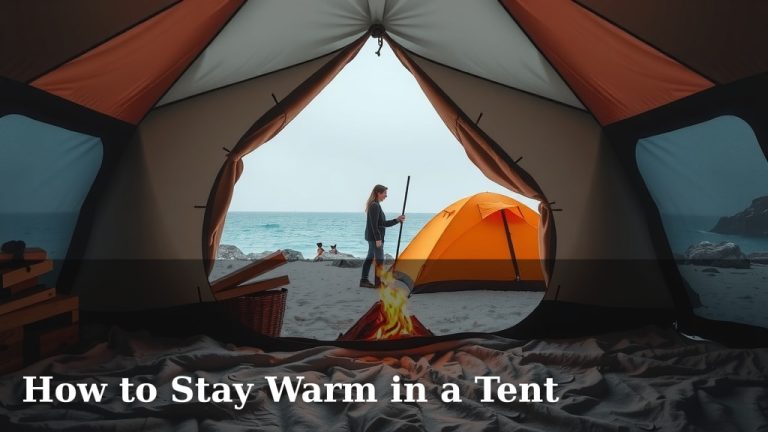
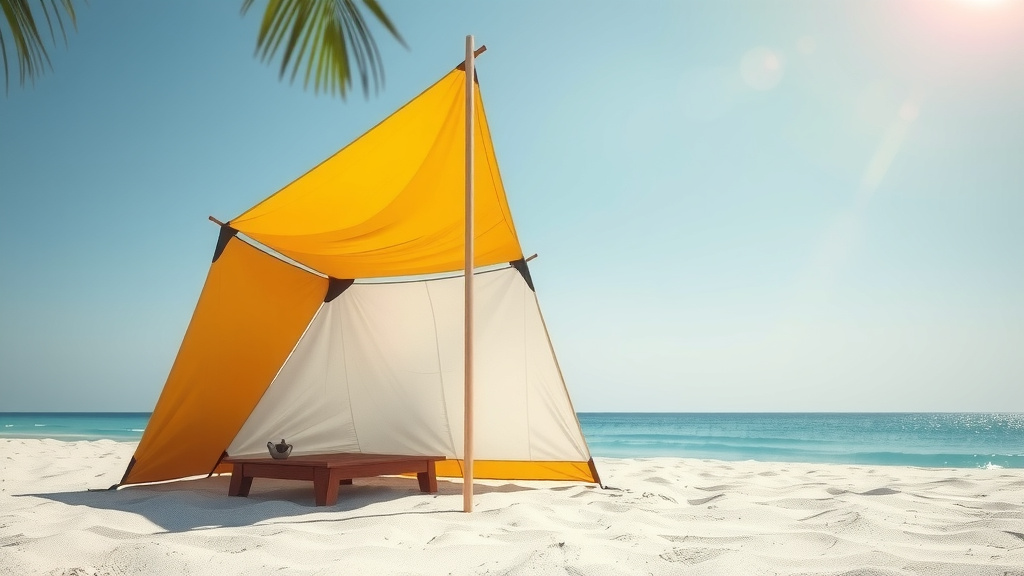
Think of a beach tent as your own little beach house. It’s an enclosed or semi-enclosed structure designed to shield you. Most beach tents are made with lightweight materials. They often have poles and stakes to keep them secure. Many pop open easily, almost like magic. Others might require a bit more assembly. They’re built to give you shade and a bit of a private spot.
Key Features of Beach Tents
Beach tents typically offer good ventilation. You’ll often find mesh windows or roll-up doors. This helps keep the air flowing, so it doesn’t feel stuffy inside. They provide more protection from the wind than open-air options. Some can even withstand a light sprinkle of rain. We found that many are designed for easy setup and takedown. This is a big win when you’re dealing with sand and wind.
When a Beach Tent Shines
A beach tent is a great choice if you have a smaller group, maybe a couple or a small family. It’s perfect if you want a bit more privacy. Need a safe spot for kids to nap away from the glare? A tent works wonders. If you’re carrying a lot of gear, the compact size when packed is a big advantage. You can often just toss it over your shoulder.
Exploring Beach Canopies
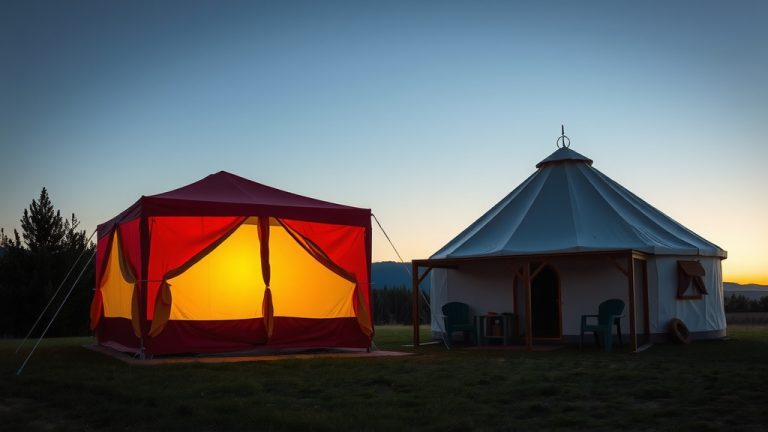
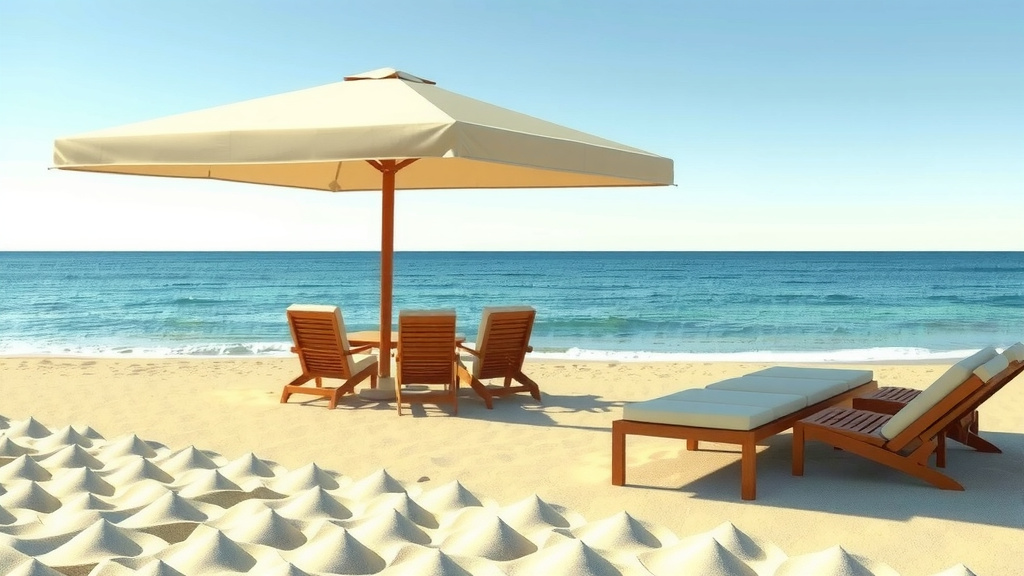
A beach canopy is more like a large umbrella or a roof on legs. It’s an open-air structure that creates a wide shaded area. Canopies are great for covering more ground. They usually consist of a fabric top supported by a frame. The sides are typically open, offering a clear view of your surroundings.
What to Expect from Canopies
Canopies offer maximum shade coverage over a larger space. This is ideal if you have a bigger group or plan to spread out. They are often taller than beach tents. This gives you plenty of headroom. However, they can be more susceptible to wind. Their open design means wind can easily catch them. Many require sandbags or other anchoring methods to stay put. Setting them up can sometimes be a bit more involved.
When a Canopy Is the Better Pick
If you’re hosting a beach picnic for a crowd, a canopy is a good option. It can shelter a table and several chairs. It’s also good for people who want to stay connected to the action around them. If you’re an artist sketching or a reader who enjoys the beach breeze, an open canopy works well. Just remember, you’ll need to be prepared to secure it properly.
Comparing Key Differences: Tent vs. Canopy
Let’s break down the main differences side-by-side. This can help you see which one fits your needs best. We found that size, setup, and protection are the biggest factors.
| Feature | Beach Tent | Canopy |
|---|---|---|
| Shade Area | Smaller, contained | Larger, open |
| Privacy | More private | Very open |
| Wind Resistance | Generally better | Can be challenging |
| Portability | Highly portable | Less portable, bulkier |
| Setup Ease | Often quicker and simpler | Can be more complex |
| Group Size | Best for 2-4 people | Best for 4+ people |
Ease of Setup and Portability
When we talk about ease, beach tents usually win. Many are designed as pop-up or instant shelters. You can often have them ready in minutes. Think of it like unfurling a large umbrella. Their lighter weight and often smaller packed size make them a breeze to carry. You can usually fit them into a carrying bag with a shoulder strap. This is a huge plus when you have to walk across the sand.
Canopies, on the other hand, can be heavier and bulkier. They have more parts to assemble. While some newer models are easier, they still typically require more time and effort. Transporting a canopy might mean an extra trip from the car or a larger beach cart. This can be a drawback if you prefer a quick setup and minimal fuss.
Protection and Comfort Factors
Both offer protection from the sun’s UV rays, which is fantastic. The American Academy of Dermatology recommends seeking shade as a key way to protect your skin (American Academy of Dermatology Association). But how they offer that shade differs. Tents provide a more enclosed space. This means better defense against wind blowing sand into your area. They can also offer a bit more privacy. You can change clothes more comfortably or let a child rest without feeling exposed.
Canopies offer broad shade. This is great for keeping a larger area cool. However, because they are open, wind can easily whip sand and spray into your sheltered zone. You might find yourself constantly brushing off sand. If you need a break from the elements, a tent might feel more like a true retreat. A canopy is more like an open patio.
Considering Your Group and Activities
Your group size and what you plan to do on the beach are important. For a couple looking for a quiet spot to read or a family with one or two small children, a beach tent is often ideal. It provides enough space for a couple of beach chairs and a small cooler. It creates a cozy, personal haven.
If you’re heading out with a larger family or a group of friends, a canopy might be more suitable. It can easily accommodate a picnic blanket, several chairs, and beach toys. It allows everyone to gather under one large shade. It’s also a good choice if you plan on activities that require more open space, like playing cards or setting up a small portable grill nearby.
Your Beach Day Checklist for Choosing Shade
To help you make the final call, here’s a quick checklist. Ask yourself these questions before you buy:
- How many people will typically use the shade?
- How much space do you need for your gear and activities?
- How important is privacy to you?
- How much time and effort are you willing to spend on setup?
- Do you often deal with windy conditions on the beach?
- How will you transport your shade structure?
Conclusion
Choosing between a beach tent and a canopy depends on your priorities. For easy setup and portability with a smaller group, a beach tent offers more enclosed protection and privacy. If you need to cover a larger area for gatherings or want an open feel, a canopy might be your choice, though it often requires more effort. We’ve seen that understanding how each structure handles wind, setup time, and group size will guide your decision. Before your next trip, consider the checklist questions to ensure you bring the shade that best fits your perfect beach day.
Frequently Asked Questions
Are beach tents good for windy conditions?
Beach tents generally offer better wind resistance than canopies due to their more enclosed design. Many are built with stronger poles and anchor points designed to grip the sand. However, even the best tent can struggle in severe winds, so proper staking is always recommended.
Can a canopy really fit a large group?
Yes, canopies are excellent for larger groups. Their open design allows them to cover a wider area, making them ideal for picnics or gatherings where you need space for multiple chairs and people. You can easily fit more people under a canopy than in a typical beach tent.
Which is easier to carry to the beach, a tent or a canopy?
Beach tents are usually much easier to carry. They are typically lighter and more compact when packed, often coming with a shoulder strap for convenience. Canopies tend to be bulkier and heavier, sometimes requiring a beach cart for transport.
Do beach tents offer enough ventilation?
Most beach tents are designed with ventilation in mind. You’ll often find mesh windows and roll-up doors that allow for good airflow. This helps keep the interior cool and comfortable, even on hot days, while still providing shade and protection from the sun.
What’s the best option if I want to stay aware of my surroundings on the beach?
If staying connected to the beach atmosphere is important, an open canopy is likely the better choice. Its open sides mean you have unobstructed views and can easily hear what’s going on around you. A beach tent provides more privacy but limits your view of the surroundings.
![7 Best 1p Backpacking Tent [2026]](https://leonardhomeoutdoor.com/wp-content/uploads/2026/08/7-best-1p-backpacking-tent-2026-featured-768x432.jpg)