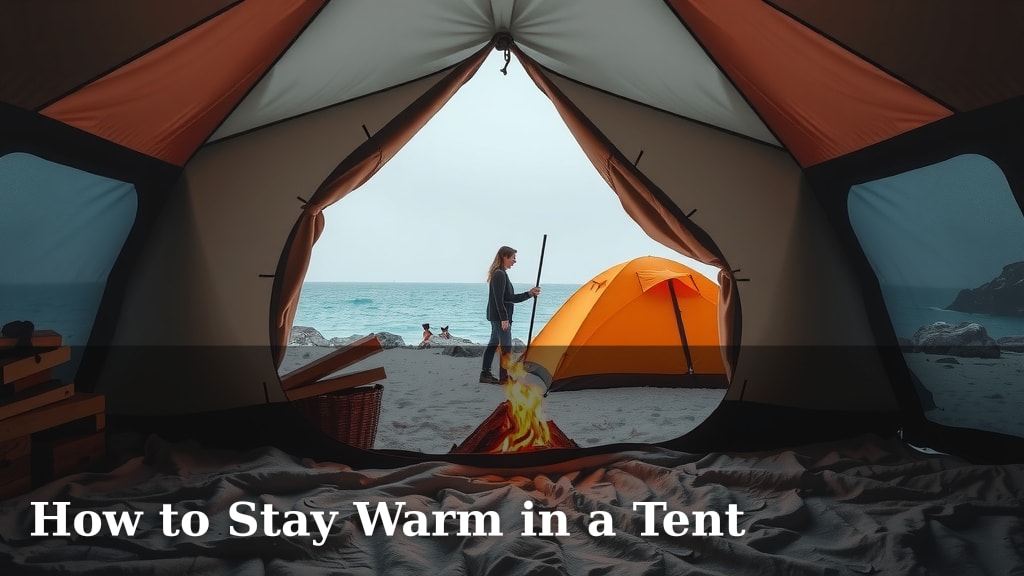
How to Stay Warm in a Tent
To stay warm in a tent, focus on two main things: proper insulation and preventing heat loss. This means bringing the right gear, like a well-rated sleeping bag and a warm sleeping pad. Layering your clothing is also key to trapping your body heat effectively.
Getting cold while camping can ruin a good time. Thankfully, there are simple, proven strategies to keep you toasty even when the temperature drops. We’ve researched the best methods to ensure your nights under the stars are comfortable, not shivery. Thinking about your sleeping setup and how you manage moisture makes a big difference.
- Pack a sleeping bag rated for colder temps than you expect.
- Use an insulated sleeping pad to block ground cold.
- Wear dry, insulating layers to bed.
- Eat a warm meal and drink something hot before sleep.
- Seal up drafts in your tent.
Ready to learn how to make your tent a cozy haven? Let’s walk through the best tips to keep you warm all night long.
“`htmlKeeping Your Tent Cozy: Essential Warmth Strategies
Staying warm in your tent is all about preparation and smart choices. We’ve researched the best ways to ensure your camping trips are comfortable, even when the mercury drops. It’s not just about a good sleeping bag; it’s about creating a warm little environment.
Your Sleeping System: The Core of Warmth
Think of your sleeping system as a multi-layer defense against the cold. Every piece plays a role in trapping your body heat and keeping you comfortable throughout the night.
Choosing the Right Sleeping Bag
Your sleeping bag is your personal micro-heater. When selecting one, look at its temperature rating. This rating tells you the lowest temperature at which the bag is designed to keep an average person warm. Many experts suggest choosing a bag rated about 10-15 degrees Fahrenheit lower than the coldest temperature you expect to encounter (National Park Service).
This buffer is important because body heat production can vary. Factors like your metabolism, how tired you are, and what you ate can affect your personal warmth. For extra warmth, consider a mummy-style bag. These hug your body more closely, reducing the amount of air you need to heat up.
The Crucial Role of Your Sleeping Pad
Many campers overlook their sleeping pad, but it’s a game-changer for warmth. The ground beneath you can suck away your body heat surprisingly fast. We found that a good sleeping pad acts as a barrier, providing vital insulation.
There are a few types to consider. Closed-cell foam pads are durable and affordable, but they don’t offer as much cushioning. Inflatable pads can be more comfortable and offer better insulation, especially if they have an insulated fill.
Look for the R-value on sleeping pads. This number indicates how well the pad resists heat flow. A higher R-value means better insulation. For colder weather camping, an R-value of 3 or higher is generally recommended.
Understanding R-Values
The R-value is a standardized measure of thermal resistance. Higher R-values offer superior insulation. For example, a pad with an R-value of 5 will keep you warmer on cold ground than a pad with an R-value of 2.
- R-value 1-2: Best for summer camping.
- R-value 3-4: Good for three-season camping (spring, summer, fall).
- R-value 5+: Suitable for winter camping and very cold conditions.
Layering Up: Your Personal Insulation
What you wear inside your sleeping bag is almost as important as the bag itself. Think of your clothing as an extension of your sleeping system, designed to trap heat effectively.
The Power of Base Layers
Your base layers are the first line of defense against the cold. Many outdoor experts recommend synthetic or wool base layers. These materials wick moisture away from your skin. Keeping dry is absolutely key to staying warm.
Cotton is a no-go for base layers. While it might feel comfortable when dry, it holds moisture. Once cotton gets damp, it loses its insulating properties and can make you feel much colder. We’ve found that moisture-wicking fabrics make a noticeable difference.
Adding Mid and Outer Layers
A mid-layer, like a fleece jacket or a puffy vest, adds extra insulation. It traps air, which is a great insulator. You can add or remove mid-layers to adjust your warmth as needed. Your outer layer is usually for protection from the elements while hiking, but can be useful in the tent if it’s very windy.
Dressing for Sleep
When it’s time to hit the sleeping bag, wear your dry base layers. You might also add a clean, dry pair of socks and a hat. It’s best to avoid wearing too many bulky layers inside your sleeping bag. This can compress the bag’s insulation, making it less effective. Plus, too many layers can sometimes cause you to overheat and sweat, which leads to being cold later.
Optimizing Your Tent Environment
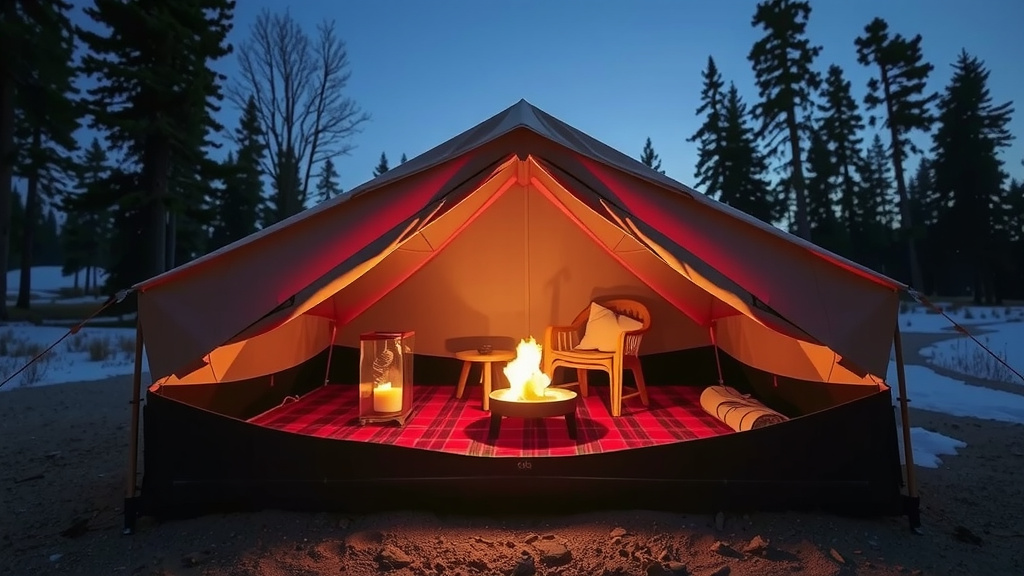
Your tent is your shelter, and a few simple tricks can make it much warmer and more comfortable. It’s about creating a cozy microclimate inside.
Minimizing Heat Loss
Check for drafts. Small gaps around zippers or seams can let cold air in. You can use tape or even a spare piece of fabric to seal these up temporarily. Make sure your tent is pitched in a sheltered spot, away from strong winds if possible. Wind can quickly sap heat from your tent walls.
Managing Moisture
Moisture is the enemy of warmth. Your body releases moisture through breathing and sweating. Condensation can build up inside your tent overnight. We found that good ventilation is important, even in cold weather. Cracking a vent can help let some of that moisture escape, preventing it from making your sleeping bag damp.
If you’ve been active, change into dry clothes before getting into your sleeping bag. Don’t bring sweaty or damp gear into your tent overnight. Store wet items in a waterproof bag or hang them outside the tent if conditions allow.
Pre-Sleep Warm-Up Routine
Getting your body temperature up before you settle in for the night is a smart move. A little effort before bed can pay off with a much warmer sleep.
Warm Food and Drinks
Eating a warm meal before bed can help. Your body uses energy to digest food, which generates heat. A hot drink, like herbal tea or hot chocolate, can also warm you from the inside out. Just be mindful of caffeine late in the day, as it can interfere with sleep for some people.
We found that sipping on a warm, non-caffeinated beverage can also help you feel more relaxed and ready for sleep. It’s a simple comfort that adds to your overall warmth.
Light Activity
A few minutes of light exercise, like jumping jacks or a brisk walk around your campsite, can boost your circulation and warm you up. Just avoid intense activity that will make you sweat heavily right before bed. You want to be warm, not damp.
Camping Warmth Checklist
Here’s a quick rundown to make sure you’re prepared:
- Pack a sleeping bag rated colder than expected.
- Bring an insulated sleeping pad with a good R-value.
- Wear dry, non-cotton base layers to bed.
- Add a hat and dry socks for extra warmth.
- Seal up any tent drafts before nightfall.
- Enjoy a warm meal and drink before sleeping.
Conclusion
Staying warm in your tent is definitely achievable with the right preparation. By focusing on your sleeping system—your bag and pad—and dressing in smart layers, you create a cozy personal microclimate. Remember to manage moisture and seal up drafts to prevent heat loss. A little pre-sleep warmth routine also goes a long way.
With these strategies, your next camping trip can be comfortable, no matter the temperature. So, pack smart and enjoy your time outdoors!
Frequently Asked Questions
What’s the best type of sleeping pad for cold weather?
For cold weather, you’ll want a sleeping pad with a higher R-value, typically 3 or more. Insulated inflatable pads often provide the best balance of comfort and warmth. They trap air and can be topped with a closed-cell foam pad for extra insulation if needed.
Can I wear too many clothes to bed in my tent?
Yes, you can. Wearing too many bulky layers can compress your sleeping bag’s insulation, making it less effective. It can also cause you to overheat and sweat, which will make you colder later. Stick to one set of dry base layers, a hat, and warm socks.
How do I stop my tent from getting too humid inside?
Moisture is a warmth killer. Ensure your tent has good ventilation, even in cold weather. Slightly opening a vent or the top of your tent door helps let humid air escape. It’s also smart to change into dry clothes before getting into your sleeping bag.
What should I eat or drink before bed to stay warm?
A warm meal or a hot, non-caffeinated drink like herbal tea can help. Your body generates heat as it digests food. Sipping a warm beverage also provides comforting warmth from the inside. Avoid heavy meals right before sleeping, as they can disrupt rest.
Does sleeping position affect how warm I stay?
Yes, it can. Sleeping in a fetal or curled-up position helps reduce the amount of air you need to heat inside your sleeping bag. It also brings your body closer together, helping to retain heat more effectively than sleeping stretched out.

![7 Best Camping Tents [2026]](https://leonardhomeoutdoor.com/wp-content/uploads/2026/06/7-best-camping-tents-2026-featured-768x432.jpg)

![7 Best Tent For 6 People [2026]](https://leonardhomeoutdoor.com/wp-content/uploads/2026/09/7-best-tent-for-6-people-2026-featured-768x432.jpg)