Bivvy Bag vs Tent: Which is Right for Your Next Trip
When choosing between a bivvy bag and a tent for your outdoor adventures, bivvy bags offer superior lightweight portability, while tents provide much more living space and weather protection. Your choice really depends on your priorities: are you aiming for minimal weight and a stripped-down experience, or do you need more comfort and gear storage?
We’ve researched both options and found that a bivvy is essentially a waterproof cover for your sleeping bag, perfect for minimalist hikers and backpackers who want to shed every ounce. A tent, on the other hand, is a freestanding shelter that offers a dedicated space for sleeping, storing gear, and even cooking in bad weather, making it a popular choice for longer trips and car camping.
- Bivvy Bags: Ultralight, minimal space, best for solo, fast trips.
- Tents: More space, better weather protection, good for groups, longer stays.
- Consider your trip length and gear needs.
- Think about your tolerance for being in close quarters.
Let’s break down the pros and cons of each to help you decide which shelter is right for your next outing.
Weighing Your Options: Bivvy Sack or Tent?
Choosing the right shelter for your camping trip is a big decision. You want something that fits your style of adventure. We’ve looked into bivvy bags and tents to help you figure out which one is best for you. A bivvy sack is like a waterproof shell for your sleeping bag. A tent is a more structured shelter. Both can get you outdoors safely. But they offer very different experiences.
Understanding the Bivvy Bag: Your Minimalist Haven
A bivvy bag is your ultralight companion for sleeping outdoors. Think of it as an advanced, waterproof bag for your sleeping bag. It often has a hood you can pull over your head. This gives you some protection from the elements. You still need a sleeping pad for comfort. Many bivvy bags are designed for solo use. They are incredibly simple to set up. You just unroll it and put your sleeping bag inside. This makes them a favorite for fastpacking or thru-hiking.
The Pros of Going Bivvy
The biggest win for a bivvy bag is its weight and size. They are significantly lighter than tents. They pack down very small. This saves precious space in your backpack. This is a huge advantage when every ounce counts. Setup is also super quick. You can be ready to sleep in minutes. This means more time enjoying the outdoors. They also offer a more immersive experience. You feel closer to nature. Many hikers enjoy the feeling of sleeping under the stars, even with the bivvy over them.
The Cons of a Bivvy Bag
Living in a bivvy sack is cozy, maybe too cozy for some. There’s very little space inside. You can’t sit up or move around much. Storing gear can be a challenge. You’ll likely need to keep most of your backpack outside. This leaves your gear exposed to dew or rain. Condensation can also build up inside a bivvy. This is especially true in humid conditions. While many are water-resistant, heavy or prolonged rain can be an issue. It’s also not ideal for bug-prone areas without careful management.
Exploring the Tent: Your Home Away From Home
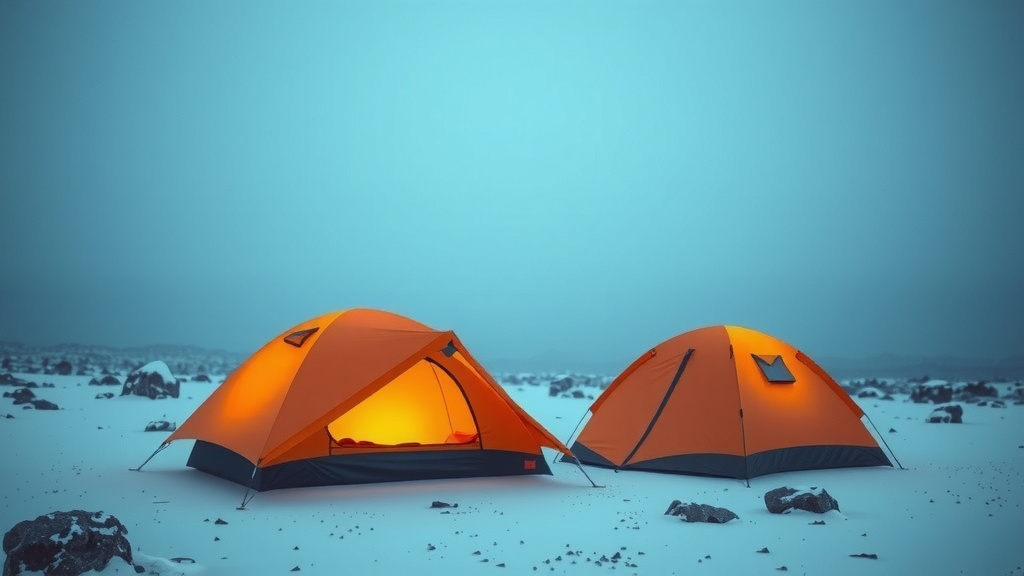
Tents offer a more traditional camping experience. They provide more room to move and store your gear. Tents come in various sizes, from solo models to those for multiple people. They are self-supporting structures. This means they can stand on their own without needing to be staked out perfectly. Most tents have an inner mesh layer. This keeps bugs out. An outer rainfly offers protection from wind and water. They often have vestibules. These are covered areas outside the main tent body. They are great for storing muddy boots or cooking.
The Advantages of a Tent
The primary benefit of a tent is the comfort and space it provides. You can sit up, change clothes easily, and organize your gear. Many tents offer good ventilation. This helps reduce condensation. They provide excellent protection from rain, wind, and insects. If you’re camping with others, a tent is usually the better choice. You can share the space and the weight. Tents also offer a sense of security. Some people feel more comfortable in a structured shelter.
The Downsides of Tent Camping
Tents are heavier and bulkier than bivvy bags. They take up more space in your pack. Setup can also take longer. You need to find a good spot and stake it out properly. If you’re backpacking long distances, the extra weight can be tiring. They can also be more expensive than a basic bivvy sack. Some lightweight backpacking tents can still be costly.
Bivvy vs. Tent: A Direct Comparison
Let’s look at how they stack up side-by-side. Think about what matters most for your trips. We’ve created a table to make it easy to see the differences.
| Feature | Bivvy Bag | Tent |
|---|---|---|
| Weight | Very Light | Moderate to Heavy |
| Packed Size | Very Small | Larger |
| Living Space | Minimal | Ample |
| Gear Storage | Limited (outside) | Good (vestibules) |
| Setup Time | Very Fast | Moderate |
| Weather Protection | Good (water-resistant) | Excellent |
| Insect Protection | Minimal | Excellent |
| Best For | Solo, fast trips, minimalist hikers | Longer trips, groups, comfort-seekers |
When to Choose Which: Making Your Decision
Your choice really comes down to your personal style and the type of adventures you enjoy. We found that many hikers lean towards one over the other based on a few key factors.
When a Bivvy Bag Shines
You should consider a bivvy bag if you are a solo backpacker. You prioritize shedding every ounce of weight. Your trips are usually short, maybe just one or two nights. You don’t mind sleeping in a minimalist space. You enjoy feeling connected to the outdoors. You are experienced with managing condensation. You plan to camp in drier, less buggy conditions.
When a Tent Is Your Best Bet
A tent is likely your best friend if you are camping with others. You need space to organize your gear. Comfort is a high priority for you. You plan longer trips where you might face varied weather. You want reliable protection from insects and rain. You enjoy having a small living area for downtime. Car camping is your preferred style of outdoor adventure.
Your Pre-Trip Checklist for Shelter Choice
Before you head out, ask yourself these questions. They can help solidify your decision:
- How much weight can you comfortably carry?
- Will you be sleeping alone or with others?
- What kind of weather do you expect?
- How much gear do you typically bring?
- What is your tolerance for sleeping in tight spaces?
- Do bugs bother you significantly when you sleep?
Conclusion
Choosing between a bivvy bag and a tent comes down to your personal camping style and priorities. If you’re a solo ultralight hiker focused on speed and minimal pack weight, a bivvy bag is likely your best bet. For those who value comfort, space, and robust protection from the elements, especially when camping with others or on longer trips, a tent offers a more traditional and forgiving experience. Consider your typical trip length, the expected weather, and how much gear you need to store. Your next adventure awaits, and the right shelter will make it even better!
Frequently Asked Questions
Can I use a bivvy bag in the rain?
Yes, you can use a bivvy bag in the rain, but it’s important to manage expectations. Most bivvy bags are water-resistant, offering good protection for a single night or light showers. However, prolonged or heavy rain can saturate the material, and condensation buildup inside can become a significant issue. You’ll want to ensure your sleeping bag is also water-resistant.
Are bivvy bags safe from bugs?
Bivvy bags offer minimal protection from insects. While some have a hood that can be cinched closed, small bugs might still find their way in. They are best suited for areas with fewer biting insects or for experienced campers who know how to manage their setup to minimize bug entry. Tents, with their mesh inner layers, provide far superior insect protection.
What kind of sleeping pad do I need for a bivvy bag?
You’ll need a sleeping pad for both comfort and insulation when using a bivvy bag, just as you would with a tent. The bivvy bag itself does not provide any cushioning or warmth. A standard sleeping pad, whether inflatable or closed-cell foam, will work well. It’s crucial for maintaining warmth and a comfortable sleeping surface.
Can I cook inside a tent?
Cooking inside a tent is generally not recommended due to safety concerns like fire hazards and carbon monoxide poisoning. Most tents have vestibules, which are covered outdoor spaces, that are a safer place to cook in inclement weather. Always ensure adequate ventilation if you must cook near your tent and never inside the main sleeping area.
Which is better for car camping: a bivvy bag or a tent?
For car camping, a tent is almost always the better choice. Car camping usually involves carrying more gear and prioritizing comfort since weight isn’t a primary concern. Tents provide ample space for sleeping, gear, and even relaxing, making them ideal for this style of trip. A bivvy bag is too minimalist for most car camping scenarios.
![7 Best Beach Tent [2026]](https://leonardhomeoutdoor.com/wp-content/uploads/2026/06/7-best-beach-tent-2026-featured-768x432.jpg)