Car vs Tent Camping Reddit: Which Is Better
When comparing sleeping in a car versus a tent for your travels, sleeping in your car is often more convenient and secure for short trips or quick overnight stops. While a tent offers a closer connection to nature, your vehicle provides shelter and protection from the elements and potential disturbances.
Many travelers weigh these options when planning their adventures. A tent might seem like the classic choice for camping, but the comfort and safety of your car can be a huge advantage, especially if you’re not in a designated campground. You get privacy and a place to lock your belongings.
- Cars offer better security and weather protection.
- Tents provide a more immersive nature experience.
- Consider your trip length and location.
- Car sleeping is great for quick overnights.
- Tents are ideal for longer camping stays.
Let’s break down the pros and cons of each to help you decide which is the best fit for your next journey.
So, you’re thinking about your next adventure and wondering if you should sleep in your car or pitch a tent. It’s a classic traveler’s dilemma! Both have their charms, but they offer very different experiences. Let’s break down what the community is saying and what makes sense for different trips.
Car vs. Tent: Weighing Your Overnight Options
When you’re deciding between sleeping in your vehicle or a tent, consider what matters most to you on this particular trip. Are you aiming for maximum convenience, a closer connection to nature, or something in between?
The Case for Sleeping in Your Car
For many, sleeping in your car feels like a **cozy, mobile hotel room**. You already have it with you, so there’s no extra gear to pack. This makes it super convenient for quick overnight stops.
Security and Protection
One of the biggest draws of sleeping in your car is the **sense of security**. Your doors lock, and you have a solid barrier between you and the outside world. This is especially comforting if you’re in an unfamiliar area or if the weather takes a turn for the worse. Research suggests that vehicle sleeping can offer better protection from wind and rain compared to a tent (National Park Service).
Comfort and Convenience
Let’s be honest, your car is usually more comfortable than sleeping on the ground. You have a built-in mattress (your seats or a sleeping pad) and the ability to control the temperature to some extent. Plus, your belongings are locked away safely. This makes it a fantastic option for **road trips where you’re moving frequently** and need a quick, reliable place to rest.
Cost Savings
Sleeping in your car can often save you money. You skip campground fees if you’re parked legally in a free spot. This makes it a favorite for budget travelers looking to stretch their dollars further.
The Appeal of Sleeping in a Tent
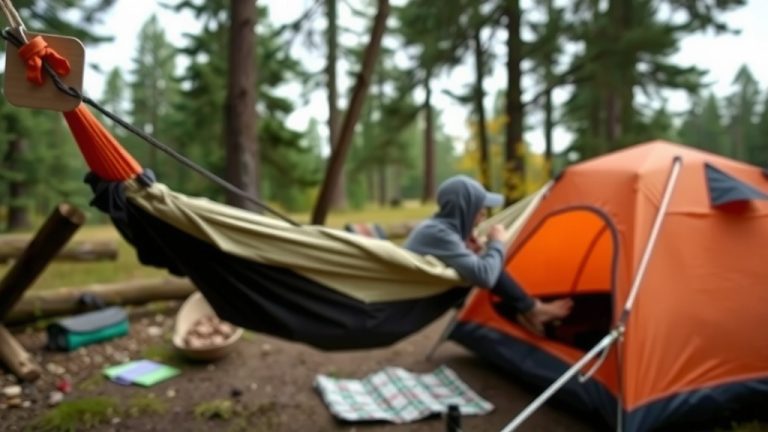
Pitching a tent offers a different kind of experience, one that many people associate with traditional camping. It’s about **immersing yourself in the natural environment**.
Connection with Nature
There’s nothing quite like waking up to the sounds of birds or the smell of pine trees right outside your tent flap. A tent allows you to feel **truly present in nature**. You’re closer to the elements, which can be incredibly peaceful and restorative.
Versatility in Location
Tents can be set up in many more places than cars can be parked. As long as you have a relatively flat spot, you can pitch a tent. This opens up more **remote and scenic camping locations** that your car simply can’t access.
Space and Setup
While your car is a confined space, a tent, especially a larger one, can offer more **headroom and a sense of spaciousness**. You can often stand up inside a good-sized tent, making it easier to change clothes or organize your gear. Setting up a tent can also be a relaxing ritual for some campers.
Key Considerations for Your Decision
When you’re weighing these options, a few factors will likely steer you one way or the other. Think about these before you pack your bags.
Trip Duration and Itinerary
If you have a packed itinerary with lots of driving and short overnight stops, sleeping in your car is often the **most practical choice**. You can pull over at rest stops or designated overnight parking areas and get some sleep without much fuss.
However, if you plan to stay in one spot for a few days, or if your goal is to experience a particular campground or natural area, a tent might be more suitable. It allows you to **set up a comfortable base camp**.
Weather and Season
This is a big one. If you’re traveling during a season known for unpredictable weather, your car offers **superior protection from rain, wind, and cold**. While you can use a tent in most conditions, extreme weather can make for a very uncomfortable or even unsafe night. Many sources suggest that a car is a safer bet in storms (American Automobile Association).
On the other hand, warm, dry nights can be lovely in a tent, especially with good ventilation.
Location and Legality
Not all places allow overnight parking or sleeping in vehicles. It’s crucial to **research local regulations** before you plan to sleep in your car. Many cities and private lots have ordinances against it. Public lands and some businesses (like certain truck stops or Walmart parking lots, though policies vary) might be options, but always check first.
Tent camping typically requires designated campsites, whether in a national park, state park, or private campground. This usually means paying a fee but also ensures you’re in an approved area.
Your Gear and Comfort Level
What kind of sleeper are you? Do you need a firm, flat surface, or are you okay with a slightly uneven car seat? Do you have a comfortable sleeping bag and pad? Your **personal comfort preferences** play a huge role.
Consider also what gear you have. If you’re already packing camping gear, adding a tent might not be a big deal. If you’re traveling light with just a backpack, sleeping in your car might be simpler.
Quick Checklist: Is Sleeping in Your Car Right for You?
Ask yourself these questions:
- Do you value **quick setup and breakdown** for overnights?
- Is **security and shelter** a top priority for your trip?
- Are you looking to **save money** on accommodation?
- Will you be **driving long distances** with frequent stops?
- Do you have a vehicle that can comfortably accommodate sleeping?
- Are you prepared to research and follow local parking laws?
Comparing the Core Differences
To help visualize, let’s look at a quick comparison.
| Feature | Sleeping in Your Car | Sleeping in a Tent |
|---|---|---|
| Security | High (locked doors, solid shell) | Moderate (zipper closure) |
| Weather Protection | Excellent (insulation, solid structure) | Good (rainfly, poles) but can be exposed in severe weather |
| Comfort Potential | High (seats, climate control if engine runs briefly) | Moderate to High (depends on ground, pad, weather) |
| Cost | Often Free (if legal free parking found) | Usually involves campsite fees |
| Location Flexibility | Limited (requires legal parking spots) | High (many natural spots, requires flat ground) |
| Nature Immersion | Low (you’re inside a vehicle) | High (direct connection to surroundings) |
| Gear Required | Minimal (sleeping bag/pad, maybe window covers) | Tent, sleeping bag, pad, possibly stove, etc. |
Ultimately, both methods of sleeping on the road have their place. It’s all about choosing the right tool for the job based on your travel style and the specific adventure you’re planning. You want to make sure your overnight rest enhances your trip, not hinders it.
Conclusion
Choosing between sleeping in your car or a tent comes down to your travel priorities. Your car offers security, convenience, and weather protection, making it ideal for quick stops and budget-conscious road trips. A tent, on the other hand, provides a deep connection to nature and more flexibility in remote locations, perfect for traditional camping experiences. Weigh your trip’s duration, the expected weather, and your comfort needs. Before your next adventure, decide which option best suits your journey and pack accordingly for a restful night.
Frequently Asked Questions
Is sleeping in a car safe compared to a tent?
Generally, your car offers a higher level of security due to locked doors and a solid structure. Research and traveler experiences suggest it’s a safer choice against weather and disturbances. A tent relies on zippers and fabric, offering less protection in severe conditions or if you’re in an isolated area.
Can you get in trouble for sleeping in your car at Walmart?
Policies can vary greatly by location and even by individual store management. While some Walmarts are known to allow overnight parking for RVers and car campers, many do not. It’s always best to ask store management directly before you plan to sleep in your car there.
What’s the best way to make sleeping in your car comfortable?
To maximize comfort, try to lay seats flat or use inflatable sleeping pads and pillows. Keeping the temperature stable is key; consider battery-powered fans or insulating window coverings to block sun and drafts. Ensuring you have enough space to stretch out makes a big difference.
Are there places where tent camping is always better than car camping?
Yes, in many designated national or state park campgrounds, tent camping is often the intended experience. These spots are designed for immersion in nature, offering picnic tables, fire rings, and direct access to trails. If your goal is to truly experience a specific natural setting, a tent usually provides a superior connection.
What gear do you absolutely need for sleeping in your car?
You’ll want a comfortable sleeping pad or pillow to make your seats more bearable. A warm sleeping bag or blankets are essential, even in mild weather, as cars can get chilly. Blackout window coverings are also highly recommended to block light and ensure privacy.
![7 Best Rated Tents For Camping [2026]](https://leonardhomeoutdoor.com/wp-content/uploads/2026/09/7-best-rated-tents-for-camping-2026-featured-768x432.jpg)