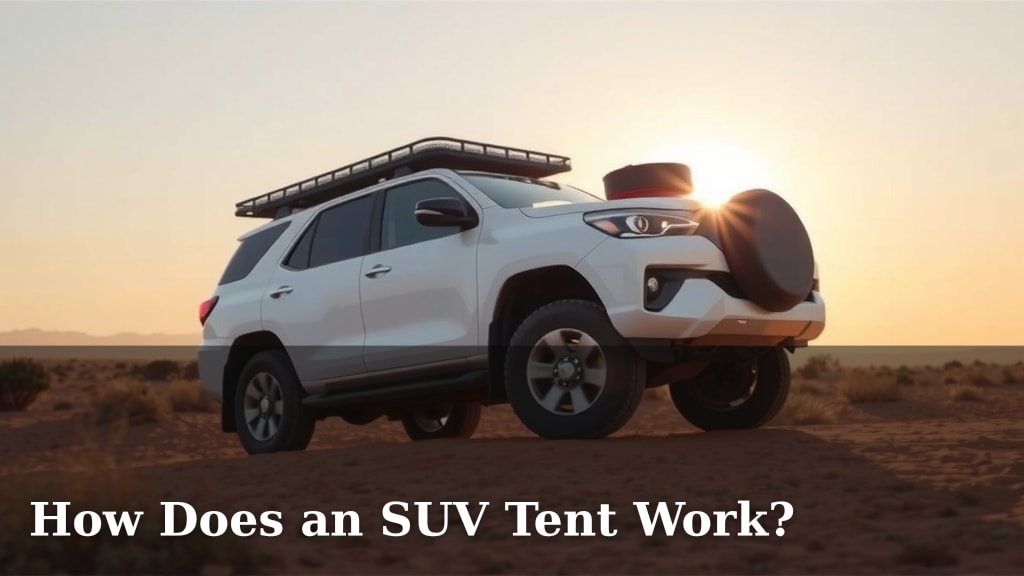
How Does an SUV Tent Work?
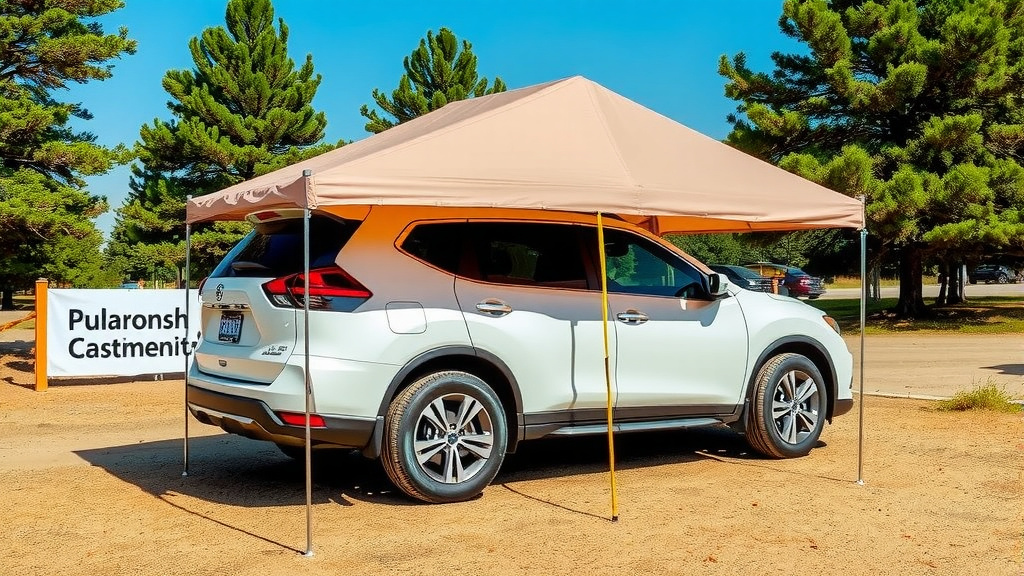
An SUV tent works by attaching directly to your vehicle, creating an extension of your living space. This setup effectively transforms your SUV into a convenient basecamp. It offers ample room for sleeping and storage without needing a separate tent site.
These tents are designed for easy setup and takedown. They often feature a sleeve that slides over your SUV’s rear hatch. This connection provides a weatherproof seal and quick access to your vehicle’s cargo area. Many models also include features like skylights and gear lofts for added comfort.
- SUV tents attach directly to your vehicle.
- They extend your SUV’s living and sleeping space.
- Setup is generally quick and straightforward.
- They provide weather protection and easy vehicle access.
- They’re great for car camping and road trips.
Ready to see how this clever camping solution can upgrade your next adventure? Let’s walk through exactly how an SUV tent works step by step.
Understanding Your SUV Tent Setup
An SUV tent works by connecting to your vehicle’s rear hatch. This creates a larger living or sleeping area. Think of it as adding a room to your car. This setup offers a convenient way to camp without sleeping inside your vehicle. It gives you more space and better ventilation. You can even access your car’s trunk easily from inside the tent.
How the Connection Works
The main connection point is a sleeve. This sleeve wraps around the open rear hatch of your SUV. You secure it using straps or elastic. This creates a weather-tight seal. It prevents rain and wind from entering. The sleeve is designed to fit most SUV rear doors. Some models have adjustable sleeves. This helps ensure a snug fit for various vehicle shapes.
The Sleeve and Seal Explained
The sleeve material is usually durable, waterproof fabric. It’s similar to tent material. This fabric attaches to your SUV’s hatch. It often uses strong Velcro or clips. These fasteners connect to the vehicle’s body. This ensures the tent stays attached. It also keeps the elements out. We found that a good seal is key for comfort. It stops bugs and drafts from getting in.
Tent Structure and Features
Once connected, the tent itself acts like a traditional camping tent. It has poles that create the structure. These poles are typically fiberglass or aluminum. They are lightweight and strong. You set them up just like you would a regular tent. The tent then extends outward from your SUV. This gives you a generous sleeping or living space. Many tents include mesh windows. These allow for good airflow. They also keep insects out.
Common Tent Features You’ll Find
Most SUV tents come with helpful features. You’ll often find gear lofts. These hang from the ceiling. They are perfect for storing small items. This keeps your main space clear. Many also have skylights. These let in natural light. They can also be opened for stargazing. Some models include built-in floor mats. These add comfort and keep the ground dry.
Setting Up Your SUV Tent: A Step-by-Step Look
Setting up is generally quite simple. First, you park your SUV on a level spot. Then, you open the rear hatch. Next, you drape the tent’s sleeve over the open hatch. You then secure the sleeve to your vehicle. This usually involves adjustable straps. After that, you assemble the tent poles. You insert the poles into the tent sleeves. Finally, you stake down the tent. This makes it stable and ready to use. We found that practicing once at home helps a lot. It makes setup much faster in the field.
Preparation Before You Connect
Before you connect the tent, make sure your SUV is parked properly. A level surface is ideal. This prevents the tent from sagging. Also, ensure your hatch opens fully. You need enough clearance for the sleeve. Check that the area around your vehicle is clear. This will make staking the tent easier. You don’t want to be tripping over rocks.
Attaching the Tent to Your Vehicle
The sleeve is the critical part here. You’ll slide it over the hatch. Then you’ll pull it down. Secure it with the provided straps. These straps often clip onto your vehicle’s wheels or body. Make sure they are snug. A tight fit prevents wind from getting underneath. This connection is what makes it an “SUV tent.” It uses your car as a support.
Assembling the Tent Body
Once the sleeve is attached, you build the tent. Most tents have color-coded poles. This makes assembly straightforward. You insert the poles into the tent fabric. Then, you connect them to the tent’s base. This lifts the tent structure. It creates your enclosed space. You’ll then stake out the tent. This anchors it to the ground. Make sure to use all the stakes. They provide stability in wind.
Key Benefits of Using an SUV Tent
SUV tents offer several advantages for campers. They provide extra living space. This is great for families or groups. You can set up chairs and a table inside. You can also store gear safely. It’s like having an extension of your vehicle. This makes car camping much more comfortable.
Space and Comfort Advantages
The primary benefit is the increased space. You get a large area to relax. You can also sleep comfortably without being cramped. Many tents have tall ceilings. This allows you to stand up inside. This is a huge improvement over sleeping inside a vehicle. It means better ventilation. It also reduces condensation build-up. This makes for a more pleasant camping experience.
Convenience and Accessibility
Access to your vehicle is a major plus. You can grab snacks or change clothes easily. You don’t have to go outside. This is especially useful during bad weather. It also means your food is secure. You can keep it in your car. The setup itself is also very convenient. Most tents can be set up in under 30 minutes. This saves you a lot of time.
Versatility for Different Adventures
These tents are perfect for various trips. They work well for weekend camping. They are also great for long road trips. You can use them at music festivals. They are also good for spontaneous adventures. You don’t need a dedicated tent site. You can park and set up almost anywhere. This flexibility is a big draw for many campers.
| Feature | SUV Tent | Traditional Tent |
|---|---|---|
| Vehicle Integration | Attaches directly to SUV | Freestanding |
| Setup Time | Generally faster | Can vary, often similar |
| Living Space | Extends from vehicle | Dedicated tent area |
| Vehicle Access | Easy access to cargo | Requires exiting tent |
| Site Requirements | Requires vehicle parking | More flexible site location |
Things to Consider When Choosing
When selecting an SUV tent, think about your needs. Consider the size you require. How many people will be using it? Also, look at the weather resistance. Is it suitable for the conditions you expect? Check the ease of setup. Some are simpler than others. Reading reviews can help. Many sources suggest checking your vehicle’s hatch style. Some tents work better with certain hatch shapes.
Material and Durability
The tent material is important. Look for waterproof and UV-resistant fabrics. Ripstop nylon or polyester are common choices. These materials are durable. They can withstand outdoor conditions. The poles should also be sturdy. Fiberglass is common and affordable. Aluminum poles are lighter and stronger. They are a good investment for frequent campers.
Ventilation and Bug Protection
Good ventilation is key for comfort. Mesh windows and vents help air circulate. This prevents the tent from getting stuffy. It also reduces moisture buildup. Effective bug screens are essential. Fine mesh keeps mosquitoes and other insects out. This ensures a peaceful night’s sleep. We found that multiple windows offer the best airflow.
Making the Most of Your SUV Tent Setup
To get the most out of your SUV tent, plan ahead. Pack smart and organize your gear. Bring a ground tarp for extra floor protection. Consider adding a battery-powered fan. This improves air circulation. Keep your tent clean and dry when not in use. This will extend its lifespan. Regular maintenance ensures it’s ready for your next adventure.
- Park on a level surface for stability.
- Check hatch clearance before attaching the sleeve.
- Secure all straps for a weather-tight seal.
- Stake out the tent properly for wind resistance.
- Use mesh panels for good ventilation.
- Keep your tent clean for longevity.
Conclusion
You’ve learned how an SUV tent transforms your vehicle into a mobile campsite. By securely attaching to your rear hatch, these tents offer expanded living and sleeping space. They provide a fantastic blend of convenience and comfort for your adventures. Remember, a little preparation makes setup a breeze. Ready to upgrade your road trips and camping experiences? Your next great escape is just a tent setup away.
Frequently Asked Questions
How do I ensure the SUV tent sleeve creates a good seal?
To ensure a good seal, make sure your SUV’s rear hatch is clean before attaching the sleeve. Secure all straps firmly, pulling them snug against your vehicle’s body. This tension prevents gaps where wind and rain could enter, keeping your space dry and comfortable.
Can I use an SUV tent if my vehicle has a non-traditional rear door (like barn doors)?
Some SUV tents are designed to accommodate various hatch styles, including barn doors or liftgates with different shapes. You’ll need to check the specific tent model’s specifications and compatibility. Many brands offer universal sleeves or adjustable systems designed for flexibility.
What’s the difference between an SUV tent and a standard car rooftop tent?
An SUV tent attaches to your vehicle’s rear hatch, effectively extending your vehicle’s footprint. A rooftop tent is mounted on your vehicle’s roof rack, offering a sleeping platform above the ground. SUV tents generally provide more living space than rooftop tents.
How much weight can the SUV tent sleeve handle from inside the vehicle?
The sleeve itself is designed for structural connection and weatherproofing, not for supporting significant weight. Any gear you store should be placed on the ground inside the tent area, not hung from or placed directly against the sleeve material. Your vehicle’s cargo space is for heavier items.
Is an SUV tent suitable for extreme weather conditions like heavy rain or strong winds?
While SUV tents offer good protection, they perform best in moderate conditions. For heavy rain, ensure the seal is tight and the tent fabric is waterproof. In strong winds, proper staking and securing of all straps are essential for stability. Always check the tent’s wind rating and weather resistance features before heading out.
![7 Best Air Beam Tents [2026]](https://leonardhomeoutdoor.com/wp-content/uploads/2026/07/7-best-air-beam-tents-2026-featured-768x432.jpg)

![7 Best Large Pop Up Tent [2026]](https://leonardhomeoutdoor.com/wp-content/uploads/2026/08/7-best-large-pop-up-tent-2026-featured-768x432.jpg)