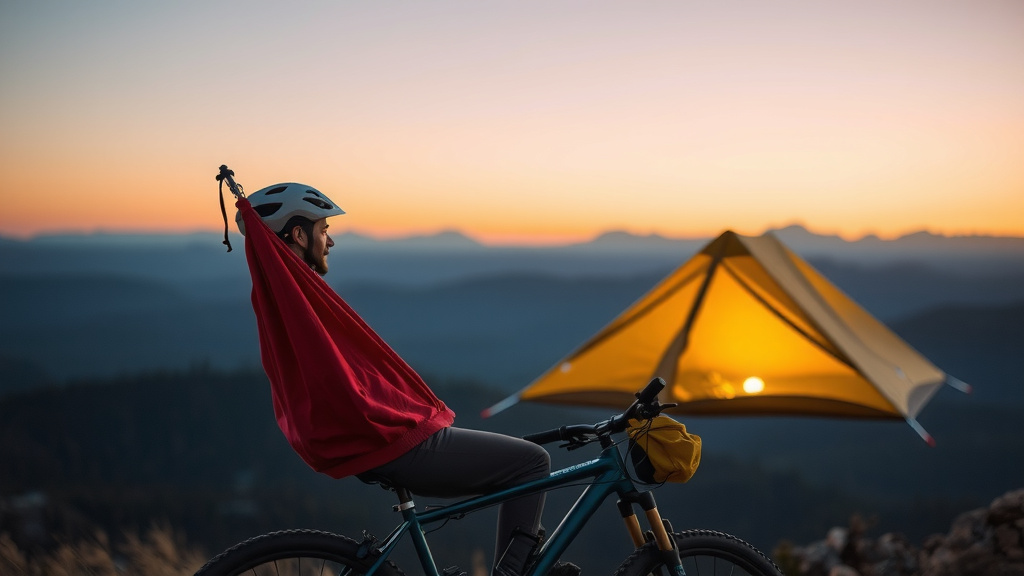
Bikepacking Hammock vs Tent Which is Best for Your Trip
When deciding between a bikepacking hammock and a tent, the best choice depends entirely on your priorities and the conditions you expect. For lightweight travel and comfort in warmer weather, a hammock often wins. Tents offer superior protection from bugs and weather, making them ideal for diverse conditions and solo trips.
Many bikepackers grapple with this choice. We found that both shelters have their unique advantages for the trail. Understanding the weight, packed size, and setup time for each can guide your decision. Your personal camping style will ultimately tip the scales.
- Hammocks are lighter and more comfortable in mild weather.
- Tents provide better bug and weather protection.
- Consider your typical trip environment.
- Setup ease varies; practice at home!
Let’s break down the bikepacking hammock versus tent debate so you can choose the perfect shelter for your next adventure.
Choosing Your Bikepacking Shelter: Hammock or Tent?
Deciding whether to pack a bikepacking hammock or a tent is a big choice. We’ve looked into what makes each great for life on two wheels. Your ideal shelter depends on where you ride and what you need for a good night’s sleep.
The Weight Factor: Less is More on the Bike
When you’re bikepacking, every ounce counts. Your bike has to carry everything you need. This includes your shelter, sleeping bag, food, and water. It’s a careful balancing act. We found that weight is often the first thing people consider. This is especially true for long trips.
Hammock Weight Advantages
Hammocks generally win the weight game. A typical hammock setup includes the hammock itself, suspension straps, and sometimes a bug net and tarp. Many setups can weigh under two pounds. This is significantly lighter than most backpacking tents. For example, a lightweight hammock system might be 1.5 pounds. A comparable tent could easily be 3 pounds or more.
Tent Weight Considerations
Tents, while heavier, offer more. They provide a self-contained living space. The poles, stakes, and rainfly all add up. Even minimalist solo tents can push 2 pounds. More robust two-person tents can easily reach 4-5 pounds. This extra weight can make a noticeable difference on long climbs.
Packed Size: Fitting it All In
Besides weight, how much space your shelter takes up matters. You need to fit everything into your bikepacking bags. A smaller packed size means more room for other essentials. Or it allows for a more streamlined setup.
Hammock Portability
Hammocks are incredibly compact. When packed, they often fit into a small stuff sack. This makes them easy to tuck into a handlebar bag or saddlebag. Even with a tarp and bug net, the packed volume is usually quite small. This is a big plus for minimalist packers.
Tent Packing Dynamics
Tent designs vary in how they pack. Some tents have a single stuff sack. Others come with separate bags for poles and stakes. Generally, tents take up more volume than hammocks. You might need to strap a tent to the outside of your bags if it doesn’t fit inside. This can be less aerodynamic and more prone to snagging on branches.
Setup Simplicity: What’s Your Style?
How quickly and easily can you set up your shelter? This can be important, especially if you arrive at camp late or in bad weather. Practice is key for both options. We found that with practice, both can be set up fast.
The Hammock Setup
Setting up a hammock usually involves finding two sturdy trees. You attach suspension straps to the trees and then clip the hammock to the straps. Adding a tarp for rain protection is another step. Many bikepackers find this process straightforward and quick, often under five minutes. However, finding suitable trees can be a challenge in open areas.
The Tent Setup
Tents require a bit more work. You typically pitch them by unfolding the tent body, inserting poles, and staking it out. Adding the rainfly is the next step. Depending on the tent design, this can take anywhere from five to fifteen minutes. Freestanding tents are generally easier to set up than non-freestanding ones, as they don’t require stakes to stand.
Comfort and Sleep Quality: Where Do You Rest?
Your shelter is where you recover from a hard day of riding. Comfort is subjective, but research suggests different factors matter for sleep.
Hammock Comfort Factors
Many hammock users swear by their comfort. They describe feeling suspended and cradled. This can relieve pressure points compared to sleeping on a flat surface. For back sleepers, it can feel like a gentle hug. Side sleepers might find it takes some adjusting to get comfortable. Lying at a slight angle can improve comfort significantly.
Tent Comfort Factors
Tents offer a stable, flat sleeping surface. This is familiar and comfortable for most people. You have room to move around inside. You can also organize your gear neatly. The ground beneath you can impact comfort, so a sleeping pad is essential. We found that many people prefer the sense of having a defined personal space.
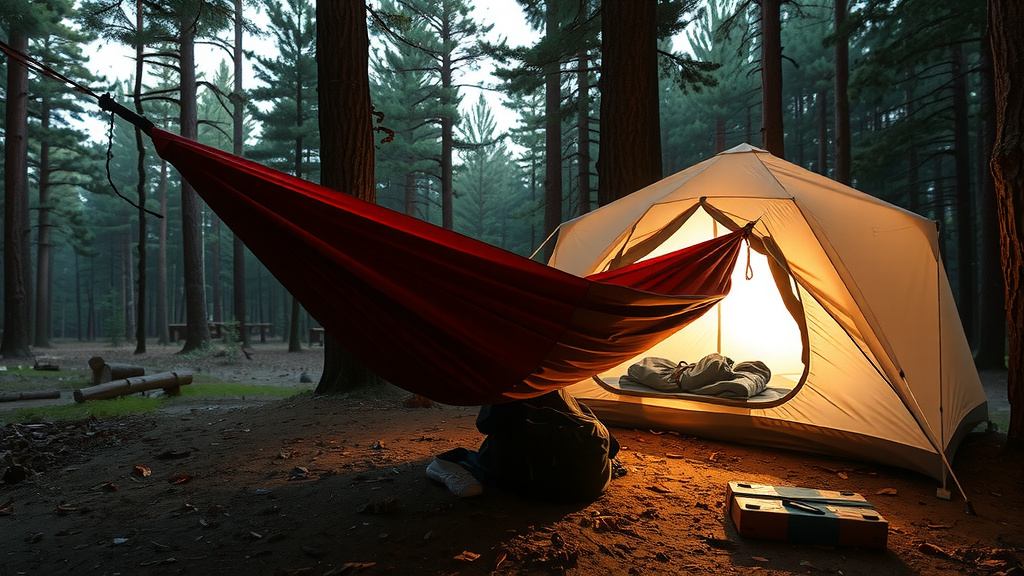
Protection: Bugs, Rain, and Wind
What kind of conditions do you expect on your trips? This is a major factor in choosing your shelter.
Hammock Protection Levels
Hammocks often require a separate tarp for rain protection. Bug nets are also usually an add-on. Without these, you’re exposed. A good tarp setup can keep you dry. A bug net is essential in buggy areas. Wind can be an issue, as hammocks can sway. Cold can also seep in from underneath if you don’t use an underquilt.
Tent Protection Capabilities
Tents are designed as enclosed units. They offer built-in protection from rain, wind, and bugs. Most tents have a rainfly that keeps water out. Mesh panels provide ventilation while keeping insects at bay. Many tents are engineered to withstand wind better than a hammock setup.
Situational Suitability: When to Choose Which
Both hammocks and tents have environments where they shine. Consider your typical riding locations.
Best for Hammocks
Hammocks are fantastic for wooded areas where trees are plentiful. They are great for warmer climates where bugs are the main concern. If you prioritize a lightweight setup and unique sleeping experience, a hammock is a strong contender.
Best for Tents
Tents are more versatile. They work well in open terrain like deserts or high alpine areas where trees are scarce. They are superior for colder weather camping. If you camp with a partner and need shared space, a tent is usually the better choice. Tents also offer a sense of security for solo riders.
Making Your Final Decision: A Quick Checklist
To help you decide, ask yourself these questions:
- What is the typical terrain you will be bikepacking in?
- How important is minimizing weight for your trips?
- What are the most common weather conditions you’ll face?
- Do you prioritize speed of setup or a stable, flat sleeping surface?
- Will you be camping solo or with a partner?
- How much of a priority is bug protection?
By answering these, you’ll start to see which shelter aligns best with your bikepacking adventures. Remember, both can offer a fantastic way to sleep under the stars.
Conclusion
You’ve weighed the pros and cons of bikepacking hammocks versus tents. Remember, your ideal shelter hinges on your personal riding style and expected conditions. For ultralight trips in fair weather, a hammock might be your perfect companion. If you need robust protection against elements and bugs, or travel with a partner, a tent likely offers more security. Consider where you’ll be riding most often and what trade-offs you’re willing to make.
Your next step? Grab your gear list and a measuring tape. See how each option fits into your existing bikepacking setup. A quick test pitch in your backyard can reveal a lot about what works best for you before you hit the trail.
Frequently Asked Questions
Can I use a hammock if there aren’t many trees on my route?
If your bikepacking route lacks trees, a hammock isn’t your best option. You’ll need a tent for shelter in open terrain like deserts or alpine meadows. Some people use trekking poles to rig a tarp over a hammock, but this isn’t as stable as using trees.
What’s the biggest difference in comfort between a hammock and a tent?
Hammock comfort comes from being suspended and cradled, which can relieve pressure points. Tent comfort is usually from a stable, flat surface that’s familiar to most sleepers. Your personal preference for sleeping position and space will determine which you find more comfortable.
How does a bug net work with a hammock?
Most bikepacking hammocks either come with an integrated bug net or have an optional one you can zip on. This net creates a barrier between you and insects while still allowing for airflow. It’s essential for camping in buggy areas.
Are tents really that much heavier than hammocks for bikepacking?
Generally, yes. A full hammock setup, including tarp and bug net, can often be under two pounds. A comparable lightweight tent, especially one with decent weather protection, will typically start around two pounds and can easily go up from there.
Can I bikepack with a hammock in cold weather?
While possible, it’s trickier. You’ll need an insulated underquilt to prevent cold air from seeping up from below. Tents provide a more enclosed space that retains warmth better. Special gear is required to make hammock camping comfortable in cooler temperatures.
![7 Person Tent 4 Season [2026]](https://leonardhomeoutdoor.com/wp-content/uploads/2026/08/7-person-tent-4-season-2026-featured-768x432.jpg)
![7 Best Backcountry Hunting Tent [2026]](https://leonardhomeoutdoor.com/wp-content/uploads/2026/08/7-best-backcountry-hunting-tent-2026-featured-768x432.jpg)