
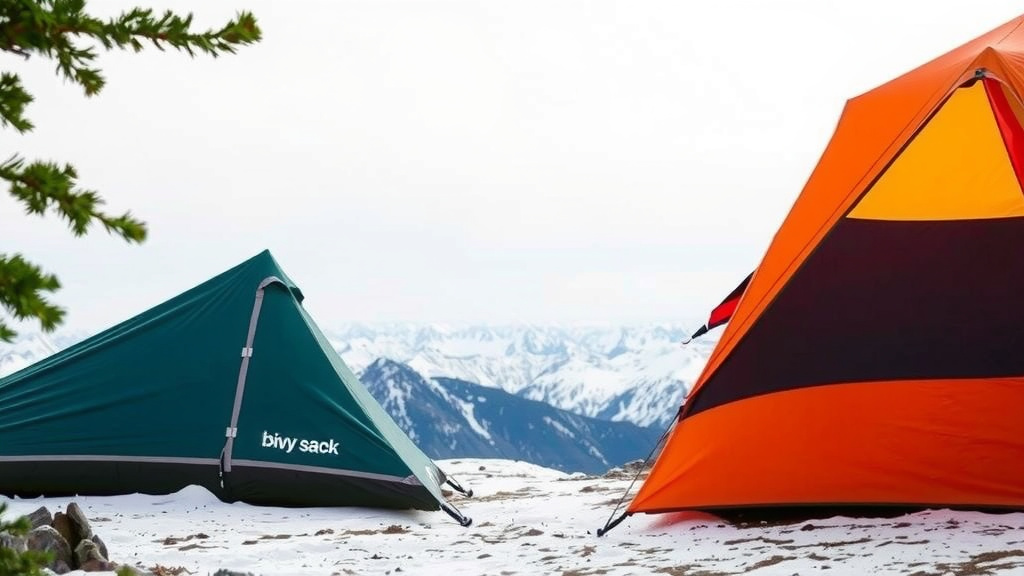
Bivy Sack vs Solo Tent: Which is Right for You
Deciding between a bivy sack and a solo tent often comes down to prioritizing weight and space versus comfort and protection. A bivy sack is your go-to for ultralight trips where every ounce counts, while a solo tent offers more livability for longer stays or rougher weather. We found that most backpackers choose a bivy for fast-and-light missions and a tent for car camping or extended backpacking trips.
Think of it this way: a bivy sack is essentially a waterproof shell for your sleeping bag, offering minimal living space but maximum portability. A solo tent, on the other hand, gives you a small room of your own in the backcountry. Many campers find the trade-off between simplicity and spaciousness is the biggest factor in their choice.
- Bivy sacks are ultralight and pack small.
- Solo tents offer more living space and protection.
- Choose a bivy for fast, lightweight trips.
- Opt for a tent for more comfort and gear storage.
- Weather and trip duration heavily influence the best choice.
So, which one is right for your next adventure? Let’s break down the pros and cons of each to help you make the perfect decision.
“`htmlBivy Sack vs. Solo Tent: Your Backcountry Shelter Showdown
Choosing between a bivy sack and a solo tent hinges on what you value most for your outdoor adventures. We’ve looked at countless options, and it really comes down to weight and simplicity versus space and comfort. If you’re an ultralight backpacker, every ounce matters. A bivy sack might be your perfect companion. If you prefer a bit more room to stretch out or organize your gear, a solo tent could be the better fit.
Think of a bivy sack as a super-light, waterproof cocoon for your sleeping bag. It’s designed for minimalists who want to stay dry and protected without adding much bulk. A solo tent, on the other hand, is like having a tiny personal hotel room in the wilderness. It offers more space to move around, store your gear, and even sit up.
What Exactly is a Bivy Sack?
A bivy sack, short for bivouac sack, is essentially a protective cover for your sleeping bag. It’s usually made from waterproof and breathable materials. Its primary purpose is to keep your sleeping bag dry and add a little warmth. We found that most bivy sacks are designed for solo use. They often have a small opening or a mesh window for ventilation. Some have a small hoop to keep the fabric off your face.
Pros of Using a Bivy Sack
- Incredible Weight Savings: Bivy sacks are significantly lighter than solo tents. We’ve seen models weighing less than a pound! This is a huge advantage when you’re covering long distances.
- Compact Pack Size: They pack down incredibly small, taking up minimal space in your backpack. You can easily stash one away without it dominating your pack.
- Simplicity: Setting up a bivy is usually as simple as unrolling it and clipping it to your sleeping pad. No complex poles or pitching involved.
- Cost-Effective: Generally, bivy sacks are less expensive than solo tents. This can be a big plus for budget-conscious adventurers.
Cons of Using a Bivy Sack
- Limited Space: This is the biggest drawback. You have very little room inside. Forget about changing clothes comfortably or spreading out your gear.
- Condensation Issues: Even with breathable fabrics, condensation can build up inside, especially in humid or cold conditions. We found that managing moisture is key.
- Ventilation Challenges: While they have vents, airflow can sometimes be restricted. This can make it feel stuffy, especially if you zip yourself in tightly.
- Less Protection from Bugs and Critters: If the zipper isn’t fully sealed or if you open the mesh, insects can easily find their way in.
- Can Feel Claustrophobic: The close confines can be uncomfortable for some people. It might feel like being sealed in a bag.
Understanding Solo Tents
A solo tent is a freestanding or non-freestanding shelter designed for one person. They come in various shapes and sizes, but all offer more interior space than a bivy sack. Most solo tents have poles that create a canopy, a waterproof flysheet, and a floor. We noticed that many solo tents also include a small vestibule area for storing gear outside the main sleeping area.
Pros of Using a Solo Tent
- More Living Space: You can sit up, change clothes, read a book, or organize your gear with much more ease. This is a major comfort upgrade.
- Better Ventilation: Tents typically have mesh panels and larger openings, allowing for much better airflow. This helps reduce condensation.
- Superior Protection: They offer excellent protection from rain, wind, and bugs. The full coverage flysheet is a big advantage in bad weather.
- Gear Storage: Vestibules provide dedicated space for your backpack, boots, and other items, keeping your sleeping area clean and clutter-free.
- Sense of Security: For some, the solid walls and enclosed space offer a greater sense of security.
Cons of Using a Solo Tent
- Heavier Weight: Solo tents are heavier than bivy sacks, often ranging from 2 to 4 pounds. This can add up on long backpacking trips.
- Larger Packed Size: They take up more space in your backpack.
- More Complex Setup: Pitching a tent usually involves assembling poles and attaching the flysheet, which can take more time and effort, especially in difficult conditions.
- Higher Cost: Generally, solo tents are more expensive than bivy sacks.
Comparing Key Features: Bivy Sack vs. Solo Tent
Let’s break down how these two shelters stack up side-by-side. We found that the choice often comes down to a few key factors that align with your specific trip goals.
| Feature | Bivy Sack | Solo Tent |
|---|---|---|
| Weight | Ultralight (often under 1 lb) | Lightweight to Moderate (2-4 lbs) |
| Pack Size | Very small | Moderate to large |
| Living Space | Minimal; sleeping bag cover | Comfortable for one; can sit up |
| Setup Difficulty | Very easy | Easy to moderate |
| Weather Protection | Good (waterproof shell) | Excellent (full coverage fly) |
| Bug Protection | Limited (mesh opening) | Excellent (mesh panels, full enclosure) |
| Gear Storage | Very limited; on your person or outside | Good (vestibule) |
| Condensation Management | Can be challenging | Generally better |
| Cost | Lower | Higher |
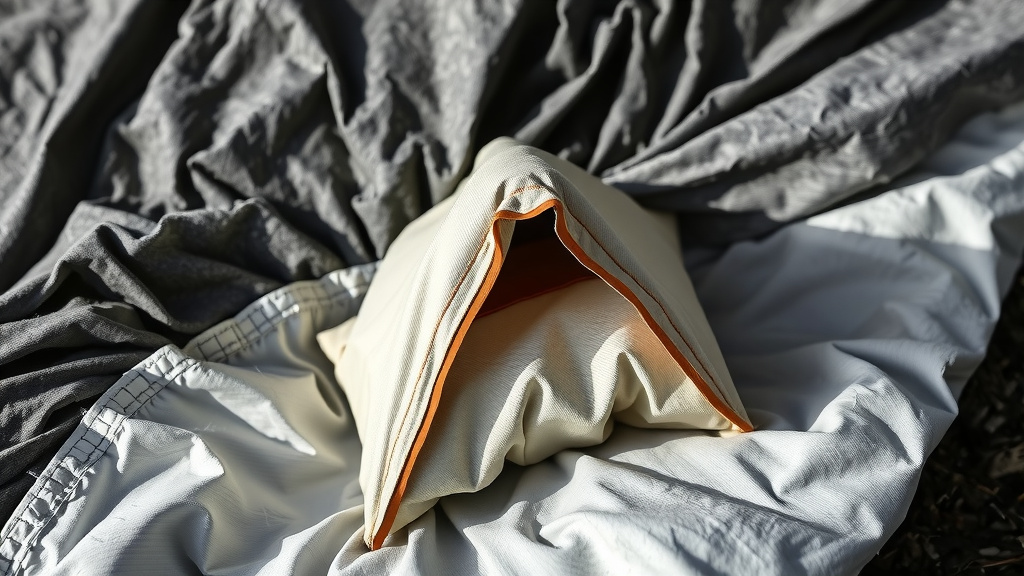
When to Choose a Bivy Sack
A bivy sack shines when speed and minimal weight are your top priorities. We found it’s ideal for:
- Fastpacking and Ultralight Backpacking: If you’re covering many miles a day and every ounce counts, a bivy is hard to beat.
- Emergency Shelter: It’s a great backup to keep in your pack for unexpected overnight stops.
- Minimalist Camping: For those who are comfortable with very little gear and prioritize being close to nature.
- Warm, Dry Climates: Where bug protection is minimal and condensation is less of an issue.
When to Choose a Solo Tent
A solo tent offers a more comfortable and versatile experience. We recommend it for:
- Longer Backpacking Trips: When you need a comfortable place to relax and organize after a long day.
- Variable Weather Conditions: The added protection and better ventilation are crucial in unpredictable weather.
- Car Camping or Base Camping: Weight and pack size are less of a concern, so comfort takes precedence.
- Buggy Areas: The secure netting keeps pests at bay, allowing for a more peaceful night’s sleep.
- Beginner Backpackers: The extra space and ease of use can make the transition to solo camping much smoother.
Making Your Final Decision: A Quick Checklist
To help you decide, ask yourself these questions:
- How much weight am I willing to carry?
- How important is interior space for gear and comfort?
- What kind of weather do I expect to encounter?
- How many bugs do I want to share my shelter with?
- What is my budget for a new shelter?
- How long will my typical trips be?
Answering these will guide you toward the shelter that best fits your personal backpacking style and upcoming adventures.
“`Conclusion
Ultimately, your choice between a bivy sack and a solo tent boils down to your personal backpacking priorities. If you’re chasing ultralight dreams and fast miles, the bivy sack’s minimal weight and packability are unmatched. However, if comfort, gear management, and a bit more personal space are high on your list, especially in less-than-perfect weather, a solo tent offers superior livability. Consider your typical trip length, expected weather, and how much you value a roomy campsite. Your perfect shelter is out there – go find it!
Frequently Asked Questions
Can I use a bivy sack in the rain?
Yes, you can use a bivy sack in the rain, as they are made from waterproof materials designed to keep your sleeping bag dry. However, be aware that some condensation can still build up inside, especially during prolonged rain or in humid conditions. Ensure good ventilation to manage moisture.
Is a solo tent too heavy for long backpacking trips?
A solo tent is generally heavier than a bivy sack, but many modern solo tents are designed with backpacking in mind. They typically weigh between 2 to 4 pounds, which is manageable for many backpackers on longer trips where the added comfort and protection are worth the extra weight.
Which is better for bug protection: a bivy or a tent?
A solo tent offers significantly better bug protection. Tents feature mesh panels and full enclosures that create a barrier against insects, while bivy sacks usually only have a mesh opening, leaving more potential entry points for bugs.
Can I cook inside a solo tent?
It is generally not recommended to cook inside any tent, including a solo tent. Cooking inside can lead to condensation, fire hazards, and can leave lingering smells that attract animals. Always cook in a well-ventilated area away from your shelter.
Is a bivy sack difficult to set up?
No, setting up a bivy sack is incredibly simple. Most require you to simply unroll it, place your sleeping pad inside, and perhaps secure it with a few stakes or clips. There are usually no poles to assemble, making it a very quick and easy setup, even in the dark.
![7 Best Budget Rooftop Tent [2026]](https://leonardhomeoutdoor.com/wp-content/uploads/2026/08/7-best-budget-rooftop-tent-2026-featured-768x432.jpg)

![7 Best Air Beam Tents [2026]](https://leonardhomeoutdoor.com/wp-content/uploads/2026/07/7-best-air-beam-tents-2026-featured-768x432.jpg)