Double vs Single Wall Tent: Which Is Best for Your Camping
When choosing between a double wall tent and a single wall tent, the key difference lies in their construction and how they handle condensation. Double wall tents have an inner tent made of mesh and a separate waterproof outer rainfly, offering excellent ventilation to prevent moisture buildup. Single wall tents, however, use a single layer of waterproof fabric, making them lighter but more prone to condensation if not managed properly.
Your camping needs will determine which is best for you. If you prioritize ventilation and keeping moisture at bay, a double wall tent is often the preferred choice for most campers. For those who need the absolute lightest gear, like ultralight backpackers, a single wall tent might be considered, provided you understand how to manage its unique challenges.
- Double wall tents offer better ventilation and condensation control.
- Single wall tents are lighter but can get clammy inside.
- Consider your trip type and weight priorities.
- Proper ventilation is key for single wall tents.
Let’s dive into the details of each type so you can make the best decision for your next adventure.
Here’s the main body content for your blog post:
Understanding Tent Walls: Double vs. Single Layer
Choosing the right tent can feel like a big decision for your outdoor adventures. We’re here to help you sort through the details of double wall versus single wall tents. Think of it like choosing between a cozy sweater with a liner versus a sleek, single-layer waterproof jacket. Both keep you dry, but in different ways.
What Exactly is a Double Wall Tent?
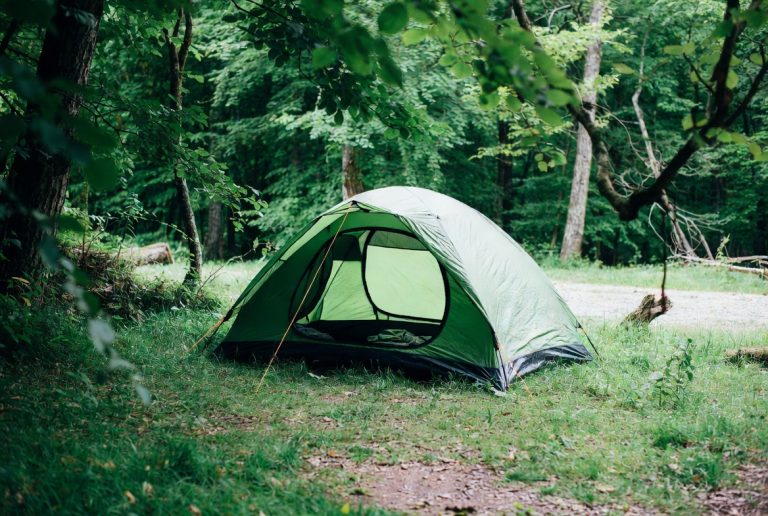
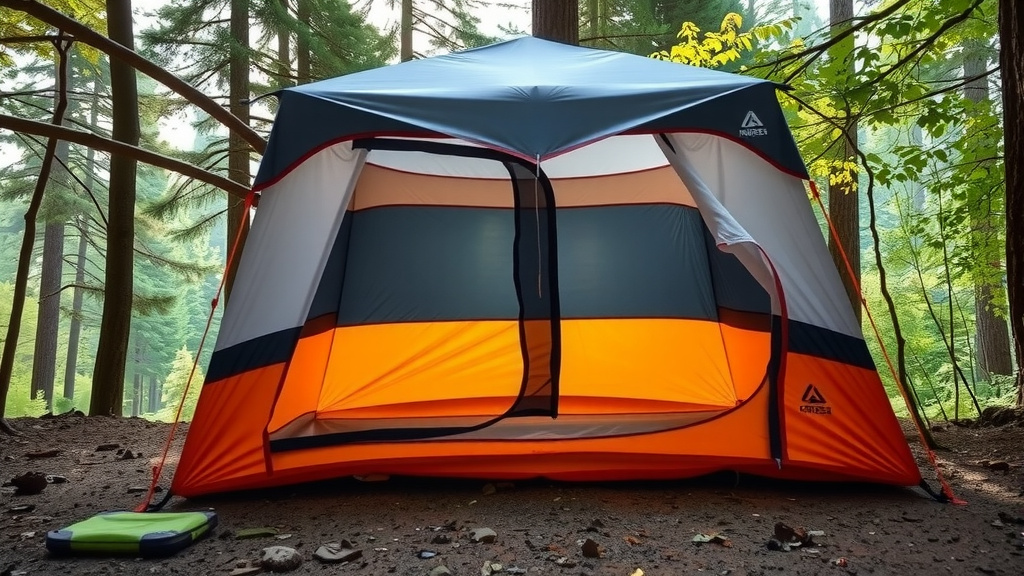
A double wall tent is the most common type you’ll see. It has two distinct layers: an inner tent and an outer rainfly. The inner tent is usually made from breathable fabric, often mesh. This mesh lets air flow freely. The outer layer is a waterproof, ripstop nylon or polyester fabric. This is what shields you from rain and wind.
These two layers work together. The inner tent provides ventilation and keeps bugs out. The outer rainfly is the waterproof barrier. They don’t touch each other, creating a pocket of air between them. This air gap is super important. It helps to prevent condensation from building up on the inside of your tent.
The Advantages of Two Walls
The biggest win for double wall tents is their excellent ventilation. The mesh inner tent allows for constant airflow. This is especially helpful during warmer months or in humid conditions. You get fresh air without getting wet from rain. You’ll find that condensation, that misty film that can coat the inside of tents, is much less of a problem.
We found that this design leads to a more comfortable sleeping environment. Less condensation means your sleeping bag stays drier. Your gear inside the tent also stays drier. This can be a huge relief after a damp night. Many experts agree that for general camping, the double wall tent offers the best balance of comfort and protection (REI).
Potential Downsides of Double Wall Tents
Because they have two layers and often more poles, double wall tents tend to be heavier and bulkier. Packing two separate pieces also means a bit more setup time. You need to pitch the inner tent and then cover it with the rainfly. This can feel like a small chore after a long day of hiking.
They can also be more expensive. The extra materials and more complex design often translate to a higher price tag. But for many campers, the added comfort and superior condensation management are well worth the investment.
Exploring the Single Wall Tent
Now, let’s look at single wall tents. These tents use just one layer of fabric. This fabric is waterproof and breathable. Think of it like a high-tech rain jacket that you can sleep inside. The idea is to keep things simple and light.
The construction is straightforward. You have one fabric wall separating you from the elements. This design is popular with ultralight backpackers and thru-hikers who are obsessed with shaving every ounce off their pack weight.
Why Go Single Wall? The Weight Factor
The primary reason people choose single wall tents is their low weight. By eliminating the inner tent, you cut down on material and poles. This can make a big difference when you’re carrying everything on your back for days or weeks on end. We’ve seen these tents be several pounds lighter than comparable double wall models.
Another advantage is faster setup. With only one layer to pitch, you can often get your shelter up in a flash. This is fantastic when the weather turns sour unexpectedly or when you’re setting up camp in the dark. It’s just one piece to manage.
The Condensation Challenge of Single Wall Tents
Here’s where single wall tents can get a little tricky. Because there’s no mesh inner tent and no air gap, condensation can be a real issue. Moisture from your breath, sweat, and even dew can form on the inside of that single waterproof layer. If not managed well, this moisture can drip down and make your sleeping bag damp.
Managing condensation requires a bit of skill and awareness. You need to maximize ventilation. This means using all the vents on the tent. You might also need to pitch the rainfly higher off the ground if the design allows. Open doors and windows whenever weather permits. Many manufacturers use special breathable fabrics to help reduce this, but it’s still something to be mindful of.
Fabric Technology in Single Wall Tents
The fabrics used in single wall tents are key to their performance. Many are made with advanced waterproof-breathable materials. These materials allow some water vapor to escape while still keeping liquid water out. However, even the best breathable fabrics have their limits, especially in very humid or cold conditions.
Research and development in outdoor gear are constantly improving these fabrics. But it’s important to remember that “breathable” doesn’t mean “perfectly dry” in all situations. You’ll likely still need to employ good ventilation strategies.
Comparing Double and Single Wall Tents: A Quick Look
Let’s lay out the main differences side-by-side to make it easier to see what might suit you best.
| Feature | Double Wall Tent | Single Wall Tent |
|---|---|---|
| Construction | Inner mesh tent + outer waterproof rainfly | Single layer of waterproof/breathable fabric |
| Weight | Generally heavier | Generally lighter |
| Condensation Control | Excellent, due to air gap and ventilation | Can be challenging, requires active management |
| Setup Time | Slightly longer | Typically faster |
| Ventilation | Superior, natural airflow | Relies on vents and design, can be limited |
| Durability | Often very durable | Depends heavily on fabric quality |
| Cost | Can be higher | Can also be high, especially for advanced fabrics |
Which Tent is Right for Your Adventures?
So, which type should you choose? It really depends on your priorities and where you plan to camp. If you’re heading out for weekend trips in varied weather or enjoy car camping, a double wall tent is likely your best bet. They offer great comfort and peace of mind regarding condensation.
If you’re a serious backpacker aiming to go ultralight, or if you’re spending most of your time in dry climates where condensation is less of a concern, a single wall tent could be a great option. Just be prepared to put in a little extra effort to manage moisture.
Tips for Optimizing Your Tent’s Performance
No matter which type of tent you choose, there are ways to make your camping experience even better. Paying attention to how you use your tent can make a big difference.
- Always ventilate your tent well.
- Pitch your tent on stable ground.
- Keep wet gear outside the tent.
- Wipe down any condensation you see.
- Consider the weather forecast for your trip.
Conclusion
Choosing between a double wall and single wall tent boils down to your personal camping style and priorities. You’ve learned that double wall tents offer superior ventilation and condensation management, making them a comfortable choice for most campers. Single wall tents, while lighter and quicker to set up, require more attention to airflow to combat moisture. Weigh these factors against your typical trip length and pack weight goals. For your next adventure, consider where you’re headed and how much weight you’re willing to carry to make the best tent decision for a drier, more enjoyable experience.
Frequently Asked Questions
Will a single wall tent always be damp inside?
Not necessarily, but it’s a common challenge. Proper ventilation is key. You need to use all available vents and perhaps pitch the tent in a way that maximizes airflow. Even then, some moisture from your breath can form, especially in cooler or humid conditions.
Can I use a double wall tent in dry, hot weather?
Absolutely! Double wall tents are very versatile. While they excel in managing condensation, their mesh inner tents provide excellent airflow in hot weather. You can often just use the inner tent without the rainfly for maximum ventilation and bug protection.
How much heavier is a typical double wall tent compared to a single wall tent?
The weight difference can vary significantly based on the specific models and materials used. However, research indicates that a comparable double wall tent can often be one to three pounds heavier than its single wall counterpart. This is primarily due to the extra fabric of the inner tent and often more complex pole structures.
Is a single wall tent only for ultralight backpackers?
While ultralight backpackers are a primary user group, single wall tents can be great for any camper who prioritizes minimal weight and fast setup. If you enjoy short trips or car camping and want a very simple shelter, a single wall tent might appeal to you, provided you’re prepared for potential condensation.
What is the easiest way to reduce condensation in a single wall tent?
The most effective method is consistent ventilation. Always open your tent’s vents and doors whenever weather permits. You can also try pitching your tent so the rainfly is slightly elevated from the ground to allow more air exchange. Wiping down any visible condensation with a small towel can also help.
![7 Best Affordable One Person Tent [2026]](https://leonardhomeoutdoor.com/wp-content/uploads/2026/06/7-best-affordable-one-person-tent-2026-featured-768x432.jpg)

![7 Best Beginner Backpacking Tent [2026]](https://leonardhomeoutdoor.com/wp-content/uploads/2026/08/7-best-beginner-backpacking-tent-2026-featured-768x432.jpg)