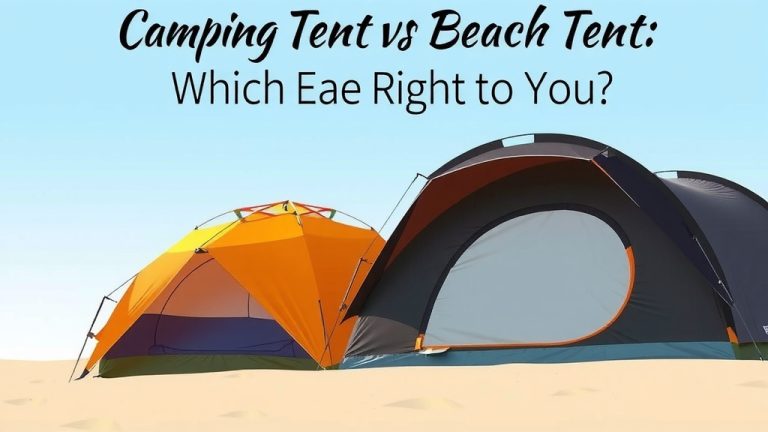
Pop Up Tents vs Regular Tents: A Realistic Comparison for Campers
When you’re standing in a camping store or scrolling through outdoor gear websites, one question inevitably pops into your mind: should I go with a pop-up tent or stick with a traditional regular tent? It’s not just about picking the first thing that catches your eye. This decision can seriously impact your camping experience, your wallet, and how much you actually enjoy being outdoors. Think of it like choosing between a sports car and a family sedan—both get you where you’re going, but the journey feels completely different.
I’ve spent years testing different tents in various conditions, and I’ve learned that there’s no one-size-fits-all answer. What works beautifully for a quick festival trip might be a nightmare for a week-long backpacking adventure. So let’s break down everything you need to know about these two tent styles and help you figure out which one actually makes sense for your camping lifestyle.
Outline of This Article
- Introduction to Pop-Up vs Regular Tents
- Understanding Pop-Up Tents: The Basics
- Understanding Regular Tents: The Traditional Choice
- Setup Time: The Convenience Factor
- Durability and Longevity Comparison
- Weight and Portability Considerations
- Weather Performance and Protection
- Price Point Analysis
- Space and Comfort Inside
- Storage and Packing Dimensions
- Best Use Cases for Pop-Up Tents
- Best Use Cases for Regular Tents
- Maintenance and Care Requirements
- Environmental Considerations
- Making Your Final Decision
- Conclusion
- Frequently Asked Questions
Understanding Pop-Up Tents: The Basics
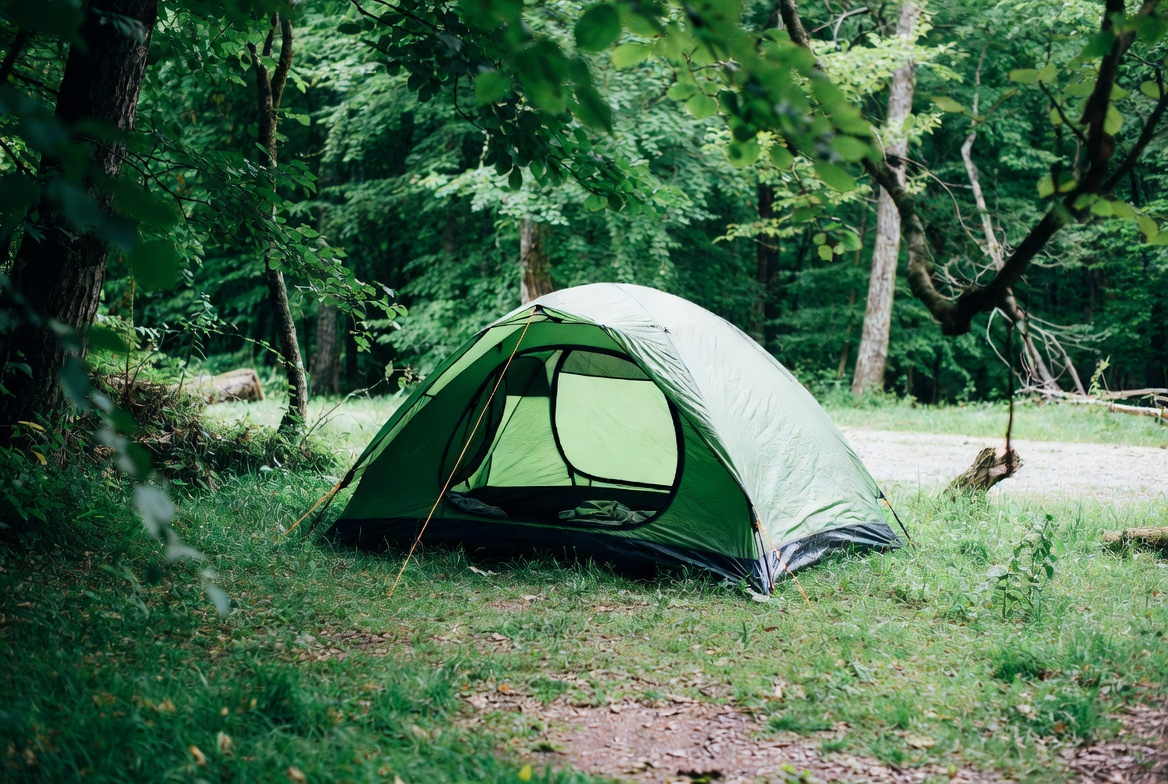
Pop-up tents are the newcomers to the camping scene, and they’ve created quite a stir. These tents use a spring-loaded frame system that deploys automatically or with minimal effort. Imagine a tent that practically assembles itself—that’s the appeal. You pull it out of its carrying bag, give it a gentle toss, and boom, you’ve got shelter. No poles to arrange, no complicated assembly instructions to decipher at dusk.
How Pop-Up Tents Actually Work
The magic happens thanks to flexible fiberglass or metal rods that are permanently bent into shape inside the carrying case. When you release the tent, these rods spring back to their intended form, creating the structure instantly. Most modern pop-up tents still require you to stake them down and secure the rainfly, but the main framework is already done. It’s like the difference between inflating a balloon and constructing a wooden frame—one takes seconds, the other requires patience and skill.
These tents come in various sizes, from tiny one-person shelters perfect for solo adventurers to larger family models that can sleep four or more people. The variety available today is actually quite impressive compared to what existed just five years ago.
Understanding Regular Tents: The Traditional Choice
Regular tents are what most of us grew up with. They use a pole system where you manually insert poles through sleeves or attach them to clips on the tent fabric. This traditional approach has been refined over decades and remains the standard for most serious campers. Regular tents come in countless designs, from simple dome tents to elaborate tunnel tents with multiple rooms.
The Mechanics Behind Traditional Tent Design
With a regular tent, you’re building the structure from scratch every time you set up camp. This means more work upfront, but it also gives you complete control over how everything comes together. You adjust tension, position poles exactly where they need to be, and create the shape that provides optimal weather protection. It’s like building with LEGO—you have all the pieces and can arrange them however you want.
The variety in regular tents is absolutely staggering. You’ve got ultralight backpacking tents weighing less than two pounds, spacious bell tents that could fit a small living room, and everything in between. This diversity is one of the biggest advantages of the traditional tent market.
Setup Time: The Convenience Factor
Pop-Up Tents: The Speed Champion
Let’s be honest—setup time is often the biggest selling point for pop-up tents, and for good reason. Under ideal conditions, you can have a pop-up tent ready in under thirty seconds. Seriously. Throw it out of the bag, let it expand, stake it down, and you’re done. This is absolutely game-changing when you’re arriving at a festival late in the evening or when you’ve got a group of tired kids who just want shelter.
Even in less-than-ideal situations, most pop-up tents are ready in two to three minutes. That includes securing the rainfly and staking it properly. Compare that to fumbling around with poles in the dark, and you can see why this feature appeals to so many people.
Regular Tents: Time and Skill Required
A standard dome tent usually takes ten to twenty minutes to set up properly, assuming you know what you’re doing. If you’re new to camping or it’s your first time with that particular tent model, you might be looking at thirty minutes or more. There’s threading poles, adjusting tension, securing everything just right. Once you’ve done it a few times, it becomes second nature, but there’s definitely a learning curve.
Larger regular tents can take considerably longer. A family-sized tunnel tent or a complex backpacking tent might eat up forty-five minutes or an hour of your time. On the other hand, once you understand the system, you can develop a rhythm and actually find the process somewhat meditative.
Durability and Longevity Comparison
How Pop-Up Tents Hold Up Over Time
Here’s where pop-up tents show some weakness. The spring-loaded frame system, while convenient, has limitations. Those compressed rods are under constant tension, and over time, they can lose their springiness. I’ve seen pop-up tents that were fine for two seasons but started showing signs of fatigue in year three. The frame might not deploy fully anymore, or it becomes more stubborn to pack away.
The fabric on pop-up tents also tends to be on the thinner side because manufacturers are trying to keep the overall package compact. This means they’re more susceptible to tears and UV damage if you leave them set up in strong sunlight for extended periods. It’s like comparing a thin rain jacket to a sturdy winter coat—they both shed water, but one’s built for the long haul.
That said, quality matters enormously. A well-made pop-up tent from a reputable manufacturer might last five to seven years with reasonable care, while a cheap one could fail after a couple of seasons.
Regular Tents: Built for the Long Game
Regular tents, especially quality ones, can last ten to twenty years or more. The pole system doesn’t degrade the way compressed springs do. Fiberglass poles remain flexible and reliable for decades. The fabric on good-quality regular tents is usually thicker and treated with protective coatings that resist UV damage and water penetration.
I know people who are still using the same tent they bought in the 1990s. Could that happen with a pop-up tent? Highly unlikely. This longevity matters if you’re a serious camper planning to use your tent many times over.
Weight and Portability Considerations
Pop-Up Tents: Surprisingly Heavy
This might surprise you, but pop-up tents aren’t necessarily lighter than regular tents. The frame system adds weight. A typical two-person pop-up tent weighs between four and six pounds. Now compare that to a lightweight two-person dome tent, which can weigh around three to four pounds. The pop-up isn’t dramatically heavier, but it’s not the lightweight champion either.
Where pop-up tents really differ is in how that weight is distributed. Because the frame is rigid and self-supporting, the tent occupies more space in its carrying bag even with that weight. It’s bulkier than you’d expect for something that weighs only five pounds.
Regular Tents: Lightweight Options Available
The regular tent market offers incredible variety in weight. You can find ultralight backpacking tents that weigh barely two pounds. You can also find spacious camping tents that weigh fifteen pounds. This range means you can precisely match the tent to your specific needs. Going on a week-long backpacking trip? There’s a lightweight regular tent for that. Planning car camping with your family? A heavier regular tent is perfectly acceptable and often offers more space.
Weather Performance and Protection
Pop-Up Tents in Different Conditions
Pop-up tents generally handle light rain and moderate wind pretty well, assuming you’ve secured the rainfly properly. However, they do have limitations. The thinner fabric and less sophisticated ventilation systems mean they don’t perform as well in heavy rain or strong wind. The seams might leak if there’s sustained water pressure. The ventilation design often creates condensation buildup inside, especially in cool weather.
Most pop-up tents aren’t really designed for serious weather. They’re better suited for fair-weather camping, festival situations, or backup shelter. If you’re planning to camp during unpredictable seasons or in mountainous terrain where weather changes rapidly, a pop-up tent might leave you wishing you’d packed something more robust.
Regular Tents: Engineered for Serious Weather
Quality regular tents are designed with weather protection as a primary concern. The seams are sealed, the fabric is thicker, and the overall structure is engineered to shed water and withstand wind effectively. You’ve got sophisticated ventilation systems that manage moisture without creating pools of condensation. The pole structure creates better angles for water runoff.
Backpacking tents in particular are tested in harsh conditions because people literally depend on them for survival in remote areas. This engineering carries over to family camping tents as well. You’re getting shelter that’s been thoughtfully designed to protect you from nature’s worst moods.
Price Point Analysis
Initial Investment for Pop-Up Tents
Pop-up tents range dramatically in price. You can find basic ones for thirty to fifty dollars, while higher-quality models run eighty to two hundred dollars or more. For the price, you’re paying for convenience and speed. Budget pop-up tents exist, which is part of their appeal to casual campers.
However, remember that durability issues mean you might need to replace it sooner than you’d expect. That bargain forty-dollar tent might need replacing after two seasons, which actually works out more expensive in the long run than investing in something better initially.
Investment in Regular Tents
Regular tents span an even wider price range. You can pick up a basic dome tent for fifty to eighty dollars. Mid-range quality tents run one hundred fifty to three hundred dollars. High-end backpacking tents can exceed four hundred dollars. Family camping tents might be two hundred to six hundred dollars or more.
The key advantage is longevity. Spend two hundred dollars on a quality regular tent today, and you could easily use it for fifteen years. Spread that cost across all those camping trips, and you’re looking at incredibly low cost per use. A pop-up tent might cost seventy dollars but need replacing every three years, which actually works out more expensive overall.
Space and Comfort Inside
Pop-Up Tent Interior Space
Pop-up tents tend to be more cramped than regular tents of similar weight. The self-supporting frame system means the walls are often quite steep, creating a smaller usable floor area relative to the tent’s footprint. You might technically fit two people, but “fit” is the operative word. Personal space is limited.
Headroom is also often compromised. Most pop-up tents have peaked ceilings only in a narrow central area, with slopes down toward the edges. This works fine if you’re just sleeping, but if you want to sit up comfortably or move around, you’ll feel the constraints.
Regular Tent Comfort and Space
Regular tents, especially dome and tunnel designs, offer much better interior space relative to their weight and footprint. You can sit up, move around, and actually stand up in many models. Family camping tents often have nearly as much floor area as a small room. The interior feels more open and livable.
Better ventilation systems in regular tents also mean better air circulation and less condensation, which impacts how comfortable your sleeping experience actually is. You’re not waking up feeling like you’re in a damp, cramped cave.
Storage and Packing Dimensions
Pop-Up Tent Packing Size
Pop-up tents pack down into a circular or oval carrying case, typically around thirty inches in diameter for a two-person model. This footprint is actually pretty large. If you’re fitting it into a car’s trunk space with other gear, you’ll notice how much room it claims. It’s like packing a big round pizza box into your vehicle.
The rigidity of the frame means you can’t compress it further. You either fit the carrying case in your car or you don’t. There’s no squishing it to squeeze extra room out.
Regular Tent Packing Efficiency
Regular tents pack down into smaller bags or stuff sacks. A two-person tent might pack into a bag just twelve inches long and eight inches in diameter. You can squeeze it into backpack side pockets or fit multiple tents into relatively little space. This packing efficiency really matters if you’re maximizing limited vehicle space or carrying a heavy backpack.
Best Use Cases for Pop-Up Tents
Perfect Scenarios for Pop-Up Tent Performance
Pop-up tents shine in specific situations. Music festivals and large events are ideal because you need speed and simplicity. You’re setting up for just one night, maybe in calm weather, and you want to minimize time away from the action. Pop-up tents are perfect.
Family beach trips also work well. Weather is usually stable, setup speed matters because kids get impatient, and durability isn’t critical since it’s occasional use. Casual backyard camping or glamping setups benefit from the ease of use.
Pop-up tents are also excellent for emergency shelter, first-time campers learning the basics, or situations where accessibility matters more than performance. If you’ve got limited mobility and assembling a complex tent is genuinely difficult, a pop-up tent removes that barrier to enjoying the outdoors.
Who Should Actually Buy Pop-Up Tents
Buy a pop-up tent if you camp very infrequently, only in good weather, and value speed over everything else. Buy one if you’re taking it to festivals or organized campgrounds where you’ll have help if something goes wrong. Buy one if you genuinely can’t manage the physical task of assembling a regular tent.
Don’t buy a pop-up tent if you camp regularly throughout the year, expect challenging weather, or plan to use your tent for more than a few seasons. That investment doesn’t make sense for serious camping lifestyles.
Best Use Cases for Regular Tents
Scenarios Where Regular Tents Excel
Regular tents are superior for serious camping across the board. Backpacking trips benefit from the weight efficiency and weatherproofing. Multi-day camping adventures rely on durability and space. Family camping vacations need the room and weather protection.
Shoulder-season camping, when weather is unpredictable, absolutely demands a properly engineered regular tent. Same with camping in mountainous areas or at higher elevations where conditions change rapidly. Any situation where your shelter might be your safety net depends on a
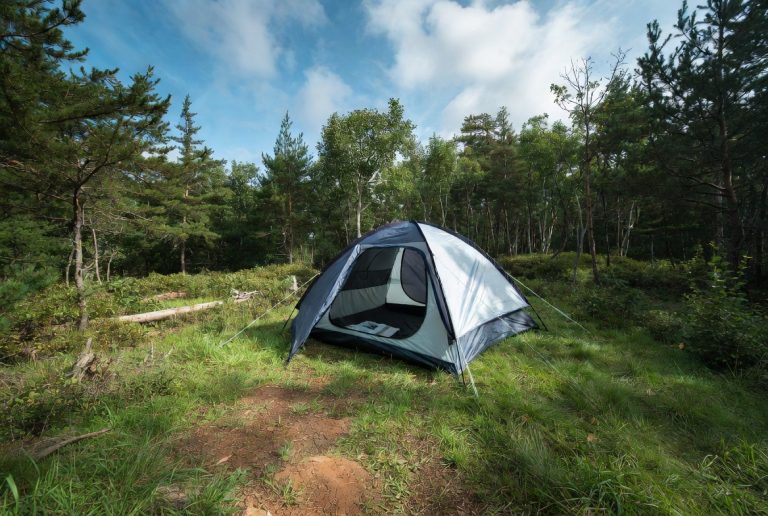


![7 Person Instant Tent [2026]](https://leonardhomeoutdoor.com/wp-content/uploads/2026/08/7-person-instant-tent-2026-featured-1-768x432.jpg)