
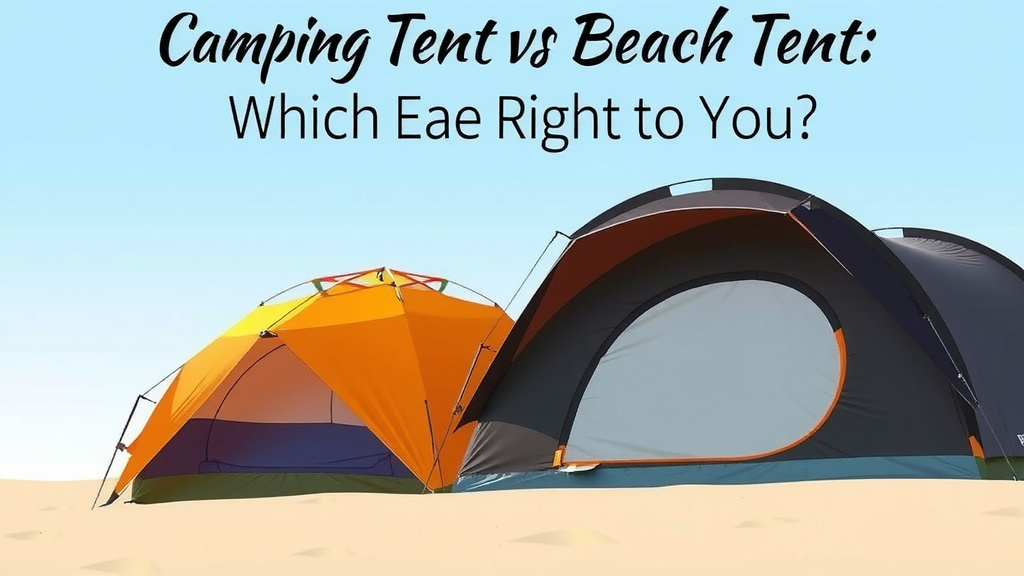
Camping Tent vs Beach Tent: Which is Right for You
When deciding between a camping tent and a beach tent, remember that while both offer shelter, they serve different purposes and environments. A camping tent is built for durability and protection against the elements, like wind and rain, making it ideal for campsites. A beach tent, on the other hand, prioritizes shade and easy setup for sunny, sandy locations.
Choosing the right one depends on your main activity. Camping tents often feature sturdier poles and waterproof fabrics for adverse weather. Beach tents are usually lighter and designed for quick assembly, focusing on providing a cool, shady spot to relax. Your choice impacts your comfort and protection.
- Camping tents are for varied weather and terrain.
- Beach tents excel at providing shade on sunny shores.
- Consider your primary location and expected conditions.
- Durability and weather resistance matter for camping.
- Ease of setup is key for quick beach trips.
Let’s dive into the key differences between these two types of shelters to help you pick the perfect one for your next adventure.
You’ve got your trip planned. Sun, sand, maybe some mountains? You’re thinking about shelter, which is smart! But wait, what’s the difference between that beach umbrella-shaped thing and a proper tent? They might both keep the sun off, but they’re built for very different adventures.
Tent Styles for Different Outdoor Escapes
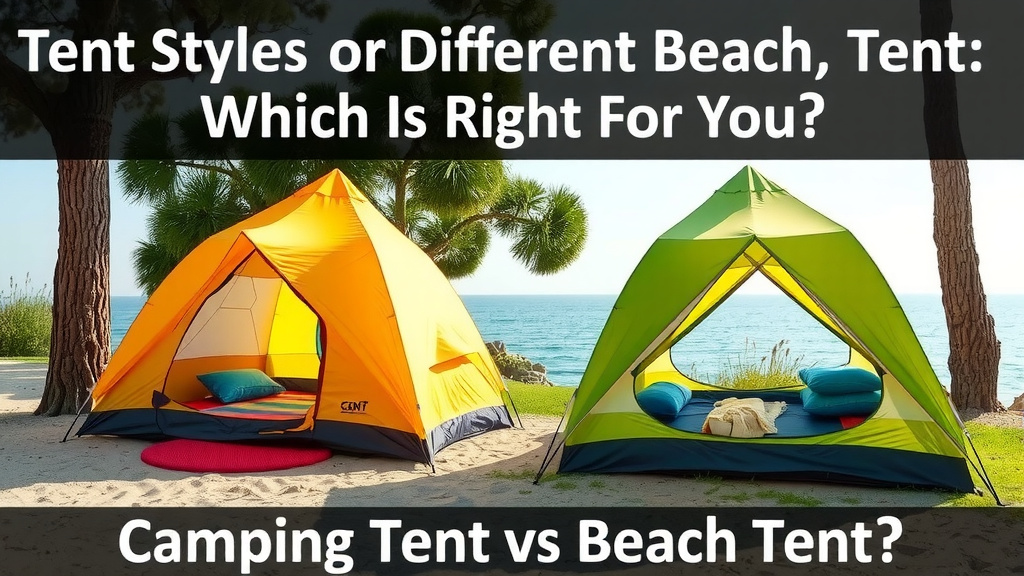
Choosing the right shelter comes down to where you’re going and what you’ll be doing. Let’s break down what makes a camping tent tick and what makes a beach tent shine.
Camping Tents: Your All-Weather Home Away From Home
Think of a camping tent as your sturdy little cabin in the woods. These are designed to handle more than just a bit of sun.
Durability and Weather Protection
Camping tents are built tough. They often have stronger poles, made from materials like aluminum or fiberglass. This helps them stand up to wind that can whip through campsites. The fabric is usually thicker and treated to be waterproof. This means you can sleep soundly even if it rains overnight (we’ve all been there!).
Many camping tents also feature a rainfly. This is an extra layer that goes over the main tent. It provides another barrier against rain and can help keep the inside cooler on warm days. You’ll also find features like mesh windows for ventilation and sturdy zippers that are built to last.
Designed for the Ground Up
The floors of camping tents are typically made from heavy-duty, waterproof material. This is essential for keeping moisture from seeping up from the ground. Many also have a bathtub-style floor, where the fabric goes up the sides a bit. This adds an extra layer of protection against puddles. Setting up a camping tent might take a little more effort, but it’s usually worth it for the security it provides.
Beach Tents: Your Shade Oasis by the Sea
Now, picture a beach tent. Its main job is simple: provide plenty of shade and be easy to set up when you’re only planning on being by the water for a few hours. They’re not usually built for serious weather.
Focus on Shade and Portability
Beach tents are often lighter than camping tents. They use flexible poles, sometimes even shock-corded ones, that make them quick to assemble. Many look more like a canopy or a small dome with open sides, designed to catch the breeze. The fabrics are usually lighter too, focusing on blocking the sun rather than heavy rain.
You’ll find many beach tents have a simple pole structure that you might just have to push into the sand. Some even use sandbags or stakes to keep them from blowing away. They’re all about quick setup and takedown so you can spend more time relaxing and less time fiddling with poles.
Sun Protection is Key
The primary goal here is to create a cool, shady spot. Many beach tents offer UPF (Ultraviolet Protection Factor) ratings, just like your sunglasses or sunscreen. This tells you how much of the sun’s harmful rays they block. They’re perfect for families with little ones who need a break from the direct sun, or for anyone who wants a comfortable place to read or nap without getting sunburned.
Key Differences at a Glance
Let’s get straight to the point. What really sets these two apart?
The main differences boil down to intended use, materials, and construction. A camping tent is your reliable shelter for the wilderness, ready for whatever nature throws at you. A beach tent is your portable sunshade, designed for ease and comfort on a sunny day.
| Feature | Camping Tent | Beach Tent |
|---|---|---|
| Primary Purpose | Weather protection, shelter, sleeping | Shade, sun protection, relaxation |
| Durability | High; built for varied terrain and weather | Moderate; designed for sand and sun |
| Weather Resistance | Waterproof fabrics, strong poles, rainfly | Lightweight, sun-blocking fabrics; minimal rain protection |
| Setup Time | Can take longer, more involved | Quick and easy, often under 10 minutes |
| Portability | Can be heavier and bulkier | Generally lightweight and compact |
| Features | Ventilation, sturdy zippers, sealed seams, floor protection | Sand pockets, UPF rating, open airflow design |
Weight and Packability
If you’re hiking to your campsite, every ounce counts. Camping tents can be heavier and bulkier because they’re built with more robust materials for durability. Beach tents, on the other hand, are usually very light. They’re meant to be tossed in the car and carried a short distance to the beach.
Ventilation vs. Shade
Camping tents often have screened windows and doors for good airflow, but they also aim to keep bugs out and rain off. They need to be enclosed spaces for sleeping. Beach tents, however, often have more open designs to maximize airflow and keep you cool. They might have mesh panels, but the focus is on creating a breezy, shaded area.
When to Choose Which
So, how do you make the final call? It really depends on your next outing.
- Going camping in a campground, a state park, or the backcountry? You’ll want a camping tent. It’s your best bet for a good night’s sleep, come rain or shine.
- Heading to the beach for a day trip or a short stay with the goal of staying out of the sun? A beach tent is your perfect companion. It’s all about simple shade and comfort.
- Planning a trip that might involve some unpredictable weather, even if you’re near water? A more robust camping tent will offer better protection.
Many outdoor enthusiasts find they need both! A camping tent for proper overnight stays and a beach tent for those spontaneous sunny days at the shore. Think about your most frequent outdoor activities.
A Quick Checklist for Your Decision
To help you decide, ask yourself these questions:
- Will I be sleeping in this overnight?
- Do I expect rain or strong winds?
- How important is quick setup and takedown?
- Will I be carrying it far from my car?
- Is blocking the sun my top priority?
- Do I need protection from bugs?
Conclusion
You’ve learned that while both camping and beach tents offer shelter, they’re designed for different worlds. A camping tent is your robust companion for varied terrain and unpredictable weather, built for durability. A beach tent prioritizes quick setup and shade, making sunny days by the water a breeze. Your next adventure’s location and expected conditions should guide your choice. Think about what matters most: sleeping soundly through a storm or relaxing in cool shade. Consider investing in both if your outdoor plans vary!
Frequently Asked Questions
Can I use a beach tent for camping?
While you might get by for a single night in perfect, calm weather, a beach tent generally isn’t suitable for traditional camping. They lack the durability and weather resistance needed for rain, wind, or uneven ground, and often don’t offer bug protection.
Can I use a camping tent at the beach?
Yes, you absolutely can! A camping tent will provide excellent shade and protection at the beach. However, they can be heavier, take longer to set up, and might be overkill if your primary goal is just a quick spot of sun protection.
What makes a beach tent easier to set up?
Beach tents are typically designed with lighter, more flexible poles and simpler pole structures. Many use a pop-up or pre-attached pole system that allows for setup in just a few minutes, often with minimal instructions.
Do beach tents offer bug protection?
Most beach tents are open-air designs focused on shade and ventilation, so they usually do not offer significant bug protection. If you need to keep insects out, a camping tent with screened doors and windows would be a better option.
How do I secure a beach tent in the wind?
Beach tents often come with sandbags or pockets to fill with sand, or long stakes designed for sand. It’s important to use these anchoring methods correctly, as sandy, windy conditions can easily lift a lightweight beach tent.
![7 Best Canopy Tent For Wind [2026]](https://leonardhomeoutdoor.com/wp-content/uploads/2026/08/7-best-canopy-tent-for-wind-2026-featured-768x432.jpg)
![7 Best Easy Up Tents [2026]](https://leonardhomeoutdoor.com/wp-content/uploads/2026/08/7-best-easy-up-tents-2026-featured-768x432.jpg)
![7 Best Budget Pop Up Tent [2026]](https://leonardhomeoutdoor.com/wp-content/uploads/2026/08/7-best-budget-pop-up-tent-2026-featured-768x432.jpg)
![7 Best Canvas Hot Tents [2026]](https://leonardhomeoutdoor.com/wp-content/uploads/2026/08/7-best-canvas-hot-tents-2026-featured-768x432.jpg)
One Comment