Hut vs Tent: Which Camping Shelter is Best For You
When deciding between a hut and a tent for your camping trip, know that a hut generally offers more comfort and protection. Huts are typically solid structures with roofs and walls, providing better shelter from rain, wind, and bugs. Tents, on the other hand, are portable shelters made of fabric, offering flexibility but less protection.
Choosing the right shelter depends on your priorities. Are you looking for a rustic, no-frills experience, or do you want to be as comfortable as possible? We found that understanding the fundamental differences helps you pack smarter. Think about weather conditions and how much gear you’ll bring. A hut might be a cabin, while a tent is your traditional camping shelter.
- Huts offer superior weather protection and comfort.
- Tents are lighter and more portable but offer less shelter. We compare camper vs tent camping to help you decide.
- Consider your trip’s location and expected conditions.
- Huts can be simple shelters or more developed cabins.
Let’s get into the details of what makes each one a great choice for your next outdoor adventure.
Comparing Shelters: Huts vs. Tents for Your Outdoor Needs
When you’re planning your next trip into the great outdoors, deciding on the right shelter can make all the difference. You’re likely weighing your options between a cozy hut and a familiar tent. Both offer a place to rest your head, but they bring very different experiences to the table.
What Exactly Is a Hut?
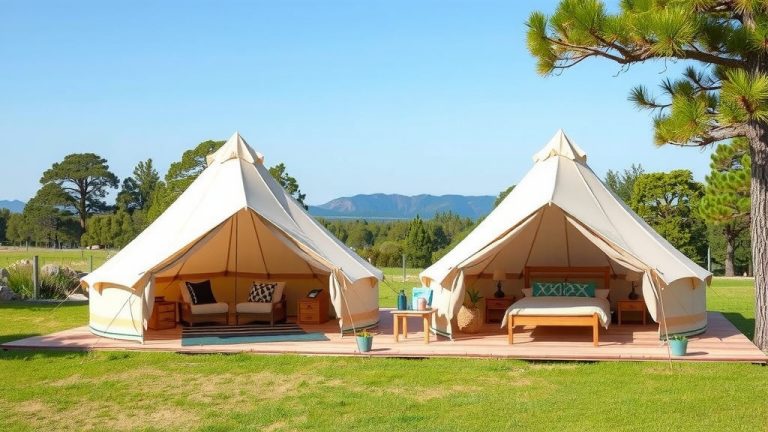
Think of a hut as a more permanent, solid structure. It’s a step up from basic camping. Huts often have walls, a roof, and sometimes even a floor. They are designed to provide substantial protection from the elements. You’ll find them in various forms, from simple, rustic shelters to more developed cabins. Their primary advantage is their **durability and comfort**.
Types of Huts You Might Encounter
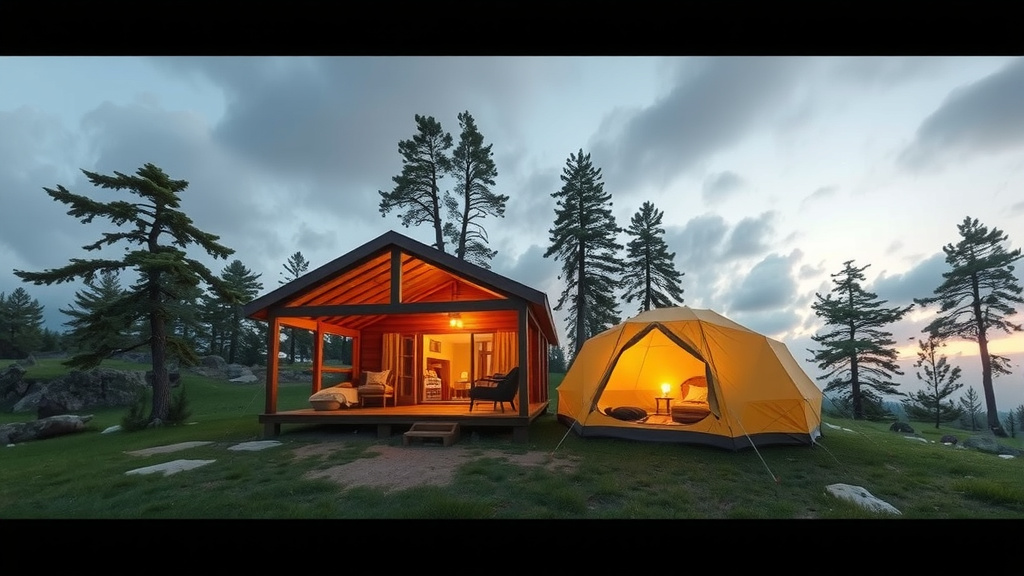
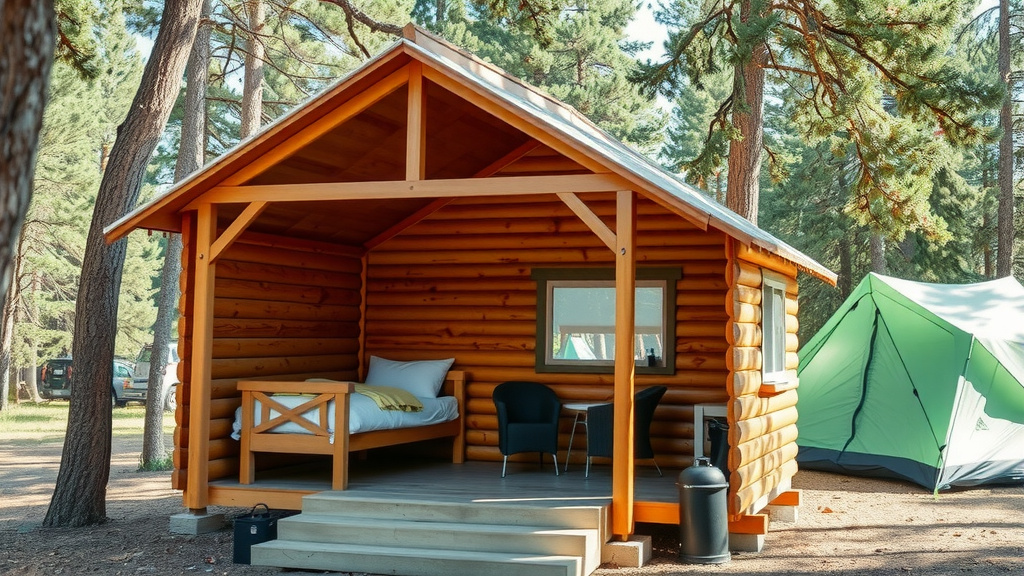
The term “hut” can cover a lot of ground. Some are very basic, offering just four walls and a roof, with maybe a bench to sit on. Others can be quite well-equipped, resembling small cabins with bunks, windows, and even a stove for heating. We’ve seen everything from simple lean-to structures in the wilderness to well-maintained shelters along hiking trails. Your experience will depend heavily on the specific type of hut and its location.
The Advantages of Staying in a Hut
The most obvious benefit is the **superior protection** huts offer. They are much better at keeping out wind, rain, snow, and even bugs compared to a tent. This means you’re likely to stay drier and warmer. For many, this extra comfort is well worth the trade-off in portability. It allows for a more relaxed camping experience, especially if the weather might be unpredictable.
When a Hut Might Not Be Ideal
Huts aren’t always the easiest option. They are typically fixed in place, meaning you can’t just pack them up and move. You’ll need to hike to their location, and sometimes they require reservations. Also, if you’re looking for a truly “off-the-grid” experience with no other people around, a hut might not offer that solitude, as they are often shared spaces.
Understanding the Tent Experience
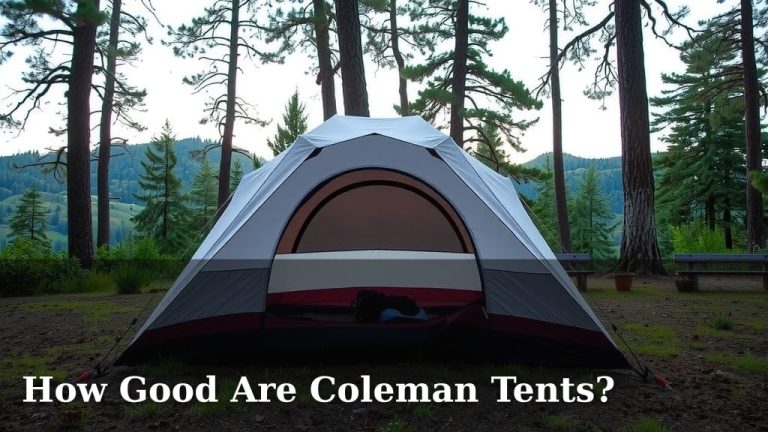
A tent is what most people picture when they think of camping. It’s a portable shelter made primarily of fabric. Tents are designed to be lightweight and easy to set up just about anywhere. Their main appeal lies in their **flexibility and freedom**.
The Versatility of a Tent
You can pitch a tent in a designated campground, a remote backcountry spot, or even your backyard. This adaptability is a huge draw for many adventurers. Setting up camp is part of the fun for some, and the ability to choose your campsite adds to the sense of exploration. We found that tents offer a direct connection to nature, allowing you to hear the sounds of the forest around you.
What to Expect in Terms of Protection
While tents keep you covered, they offer less protection than a hut. Modern tents are quite good at repelling rain, but strong winds can be a challenge. They also don’t offer much insulation, so you’ll rely on your sleeping bag and layers to stay warm. And while mesh doors and windows help, bugs can sometimes find a way in. It’s a more exposed kind of shelter.
Setting Up and Taking Down Your Tent
The process of setting up and packing away a tent is a skill many campers develop. With practice, it becomes quite quick and simple. You’ll need to find a relatively flat spot and often stake down the fabric to keep it secure. Many camping experts recommend clearing the ground of sharp rocks or twigs first to avoid damaging the tent floor (National Park Service).
Key Differences at a Glance
Let’s break down the core distinctions to help you decide. It really comes down to what you prioritize for your outdoor trips.
| Feature | Hut | Tent |
|---|---|---|
| Protection | High (wind, rain, snow, animals) | Moderate (rain, wind, basic shelter) |
| Portability | Low (fixed location) | High (easy to move) |
| Setup Time | Minimal to None (arrive and use) | Moderate (requires pitching) |
| Comfort Level | Generally Higher (solid walls, roof) | Variable (depends on gear and weather) |
| Weight/Bulk | Not Applicable (don’t carry) | Lightweight to Heavy (carry in pack) |
| Cost/Access | Can be free, require booking, or have fees | Wide range of prices, generally accessible |
Making Your Choice: What to Consider
Your ideal shelter depends entirely on the kind of adventure you’re planning. Think about the conditions you’ll face and what kind of experience you want.
Weather Considerations
If you’re heading to a place known for unpredictable or harsh weather, a hut provides a much more reliable and comfortable refuge. Rain, snow, or strong winds are less of a concern. If the forecast looks clear and mild, a tent can be perfectly adequate.
Trip Duration and Location
For short, easy-to-access trips, a tent is often the go-to. If you’re planning a multi-day trek to a remote location, and huts are available, they can be a welcome relief. Consider how far you’ll have to carry your gear. A tent needs to fit in your backpack, whereas you simply hike to a hut.
Group Size and Gear
Are you traveling solo or with a large group? Huts can often accommodate more people comfortably than a single tent. If you have a lot of gear, a hut might offer more space to store it safely and keep it dry. With a tent, space is usually more limited.
Your Personal Comfort Preferences
Let’s be honest, how much do you value creature comforts? Some people love the simplicity and challenge of sleeping in a tent. Others prefer the security and coziness of a solid structure. We found that understanding your own comfort threshold is key to a successful trip.
Here’s a quick checklist to guide your decision:
- Will I be hiking a long distance to my campsite?
- What is the expected weather like?
- How much gear do I need to carry?
- Do I prefer a more rustic or comfortable shelter?
- Am I comfortable with potential shared sleeping spaces?
- What is my budget for accommodation?
Conclusion
Choosing between a hut and a tent really boils down to what you want from your outdoor experience. Huts offer robust protection and comfort, ideal for challenging weather or when you want a more relaxed base. Tents provide freedom and a closer connection to nature, perfect for flexible adventures in milder conditions. We found that considering the weather, your group size, and your personal comfort level are your best guides. Think about your priorities for this trip, and pick the shelter that best aligns with your adventure goals. Your next great escape awaits!
Frequently Asked Questions
Can I use a tent in heavy rain?
Yes, most modern tents are designed to be waterproof and can handle moderate to heavy rain. Proper setup, including staking down all guylines, is key to preventing leaks. You’ll want to ensure your tent has a good rainfly for maximum protection. Our guide to waterproof tents can help you stay dry.
Are huts always shared accommodations?
Huts can vary greatly; some are indeed communal with shared sleeping areas and facilities. However, others are private cabins or smaller shelters intended for individual use or a single group. Always check the reservation details or description for specifics on occupancy.
What’s the difference in carrying weight between a hut trip and a tent trip?
When you choose a hut, you don’t carry the shelter itself, which significantly reduces your pack weight. This allows you to bring more personal gear or enjoy a lighter load. A tent, however, must be carried in your backpack, adding its weight to your overall load.
Which is better for beginners, a hut or a tent?
For absolute beginners who might be nervous about the elements or setup, a hut can offer a more comfortable and forgiving introduction to overnighting outdoors. If you’re eager to learn traditional camping skills and enjoy the independence of choosing your spot, a tent is a great starting point with practice.
Can I cook inside a tent or a hut?
Cooking inside a tent is generally not recommended due to fire hazards and ventilation issues, though some larger tents have specific areas designed for cooking. Many huts, especially cabin-style ones, may offer cooking facilities or at least a safe space to prepare food.