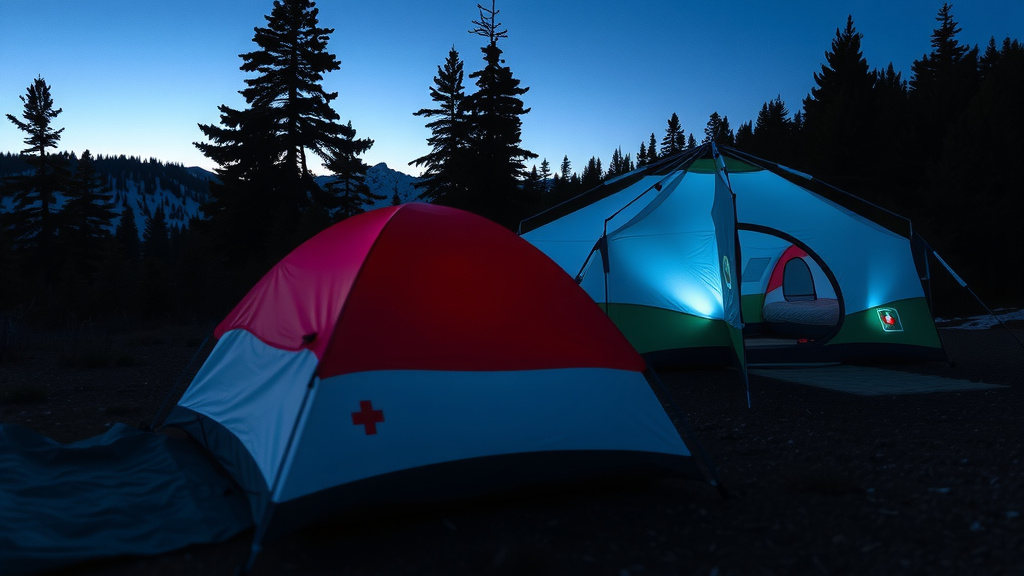
Hot Tent vs 4 Season Tent: Which is Best for Camping
When choosing between a hot tent and a 4-season tent, the best choice depends on your camping goals. A hot tent is specifically designed for use with a wood stove, offering warmth and comfort in freezing conditions. A 4-season tent provides robust protection against extreme weather but doesn’t inherently include heating capabilities.
Both tent types are built for durability. However, a hot tent prioritizes creating a cozy living space in winter. A 4-season tent focuses more on withstanding heavy snow and high winds. Think about how you want to camp before you decide which is right for your adventures.
- Hot tents are for winter camping with a stove.
- 4-season tents are for extreme weather protection.
- Choose based on whether you need built-in heating.
- Consider your comfort versus pure weather survival.
Let’s break down the differences between these two heavy-duty shelter options to help you pick the perfect one for your next trip.
“`html
Hot Tents Versus 4-Season Tents: Making the Right Choice
Deciding between a hot tent and a 4-season tent feels like a big step. Both are tough shelters. But they serve different camping dreams. Think about what kind of adventure you want. Do you want cozy nights by the fire? Or do you need to survive the harshest storms nature can throw at you?
Understanding the Core Differences
The main distinction boils down to heating. A 4-season tent is built for extreme weather. Think blizzards, high winds, and heavy snow. It’s about survival and protection. A hot tent is designed with comfort in mind. Its primary feature is the ability to safely house a wood stove.
The Purpose of a Hot Tent
Imagine camping in deep winter. The snow is piling up outside. You’re warm and toasty inside your tent. That’s the magic of a hot tent. These tents have a special opening for a stovepipe. This lets you burn wood for heat. They are essentially portable cabins. You can cook, dry gear, and stay comfortable in freezing temperatures. Many research papers point to consistent warmth as a key factor in preventing hypothermia during cold-weather outings (CDC).
Hot tents often feature a fire-resistant stove jack. This is where the stovepipe goes through the tent fabric. It needs to be made of special material. This material can withstand high temperatures. It prevents the tent from catching fire. Safety is a huge consideration with these tents.
The Purpose of a 4-Season Tent
A 4-season tent is your shield against nature’s fury. Its design is all about strength. It can handle gale-force winds and significant snow loads. These tents typically have a strong pole structure. They often use more poles than a 3-season tent. This gives them a sturdy dome or geodesic shape. This shape helps shed snow and resist wind. Many outdoor survival guides emphasize the importance of a strong frame in high winds (National Park Service).
They are made from robust, often waterproof materials. They have fewer mesh panels than a 3-season tent. This helps keep the wind and cold out. While they offer excellent protection, they don’t come with built-in heating. You’ll need to bring your own sleeping bags and layers to stay warm.
Key Features and Design Aspects
Let’s look at what makes each tent unique. It’s in the details of their construction and intended use. Both are built tough, but their toughness is directed differently.
Materials and Ventilation
Hot tents often use canvas or heavy-duty synthetic fabrics. These materials offer good insulation. They also help contain the heat from your stove. Ventilation is still important, though. You need to manage moisture. Good ventilation prevents condensation. This keeps your gear dry. We found that proper airflow is essential, even when it’s freezing outside.
4-season tents use strong, often waterproof nylon or polyester. They have smaller vents. These vents are designed to be adjustable. You can open them slightly for airflow. But you can close them tightly to keep out the elements. The goal is to balance ventilation with wind resistance. Too much ventilation can let in a blizzard. Too little can lead to dangerous condensation buildup.
Structural Integrity and Weather Resistance
When we talk about structural integrity, 4-season tents usually win. They are engineered to withstand extreme pressure. Think heavy snow piling up on the roof. Or winds that could rip a lesser tent apart. The pole system is robust. The guy-out points are numerous and strong. These tents are meant to be your secure basecamp in a storm.
Hot tents also need to be strong. But their primary design isn’t always about resisting hurricane-force winds. They need to be stable enough to stand up in winter weather. Their strength is often more about supporting the weight of snow or resisting moderate winds. The focus is on creating a livable space.
Weight and Portability
Hot tents can be quite heavy. Especially the larger canvas models. This is because the fabric is thicker. They often come with a stove, which adds more weight. This means they are usually best for car camping. Or for trips where you can use an ATV or sled. You won’t want to hike miles with a hot tent and stove on your back.
4-season tents can also be heavy. This is due to their robust poles and strong fabric. However, many brands have worked to make them lighter. Backpacking-specific 4-season tents exist. They balance strength with packability. They are still heavier than 3-season tents. But they are designed for transport into remote, harsh environments.
When to Choose Which Tent
Your camping style and destination are the deciding factors. There’s no single “better” tent. It’s about finding the right tool for your specific adventure.
Hot Tent Use Cases
You should pick a hot tent if your main goal is winter camping with comfort. If you dream of snowshoeing trips where you can return to a warm shelter. Or if you want to basecamp in the backcountry during the coldest months. Think ice fishing trips or winter photography expeditions. If you want to be able to dry wet clothes and boots inside. And if you plan on cooking full meals inside your tent. This tent makes winter feel less like survival and more like a cozy retreat.
4-Season Tent Use Cases
A 4-season tent is your best bet for serious mountaineering. Or high-altitude trekking where extreme weather is common. If you are planning trips in areas known for severe storms. Like Patagonia, the Himalayas, or even exposed mountain ranges in the US. If your trip involves potential for heavy snow or high winds, this is your shelter. It’s for those who prioritize safety and protection above all else. When the forecast looks grim, you want this tent.
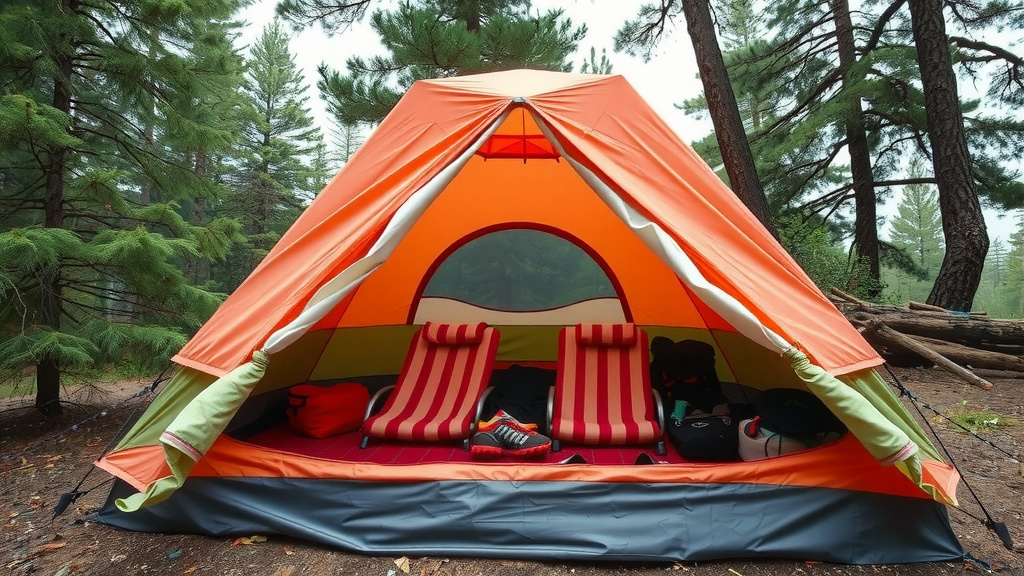
Quick Comparison Table
Here’s a quick look at how they stack up:
| Feature | Hot Tent | 4-Season Tent |
|---|---|---|
| Primary Purpose | Warmth and comfort with a stove | Extreme weather protection |
| Heating Capability | Designed for wood stove use | None built-in |
| Weather Resistance | Good for winter conditions | Excellent for severe storms, snow, wind |
| Weight | Often heavier, especially with stove | Can be heavy, but lighter options exist |
| Best For | Cozy winter camping, basecamps | Mountaineering, extreme environments |
Your Winter Camping Checklist
No matter which tent you choose, preparation is key. Here’s a short list to get you thinking:
- Confirm your tent’s suitability for the expected conditions.
- Practice setting up your tent before you go.
- Pack appropriate sleeping gear for the temperatures.
- Understand ventilation needs to prevent condensation.
- Carry repair kits for your tent and stove.
- Check weather forecasts constantly.
Knowing the strengths of each tent type will help you make an informed decision. You want your shelter to enhance your adventure, not hinder it. Think about those cozy evenings or the peace of mind during a storm. Which one calls to your inner explorer?
“`
Conclusion
Deciding between a hot tent and a 4-season tent ultimately hinges on your camping priorities. A hot tent is your ticket to cozy, warm winter adventures when paired with a stove, transforming cold nights into comfortable retreats. Conversely, a 4-season tent is built for pure survival, offering unparalleled protection against the most brutal elements. We found that understanding this core difference – comfort versus survival – will guide you to the right choice. Before your next trip, ask yourself: do you crave warmth and amenities, or do you need absolute resilience against nature’s harshest moods? Then, plan your packing accordingly.
Frequently Asked Questions
Can I use a regular 4-season tent with a wood stove?
Generally, no. Standard 4-season tents are not designed with the necessary safety features, like a fire-resistant stove jack, to safely house a wood stove. Attempting to do so creates a significant fire hazard and can damage the tent fabric.
Are hot tents heavy to carry?
Yes, hot tents, especially canvas models, can be quite heavy. They are often best suited for car camping or situations where you can transport them with vehicles or sleds, rather than for long backpacking trips.
Will a hot tent withstand strong winds?
While hot tents are designed to be sturdy for winter conditions, their primary focus isn’t extreme wind resistance like a dedicated 4-season tent. They can handle moderate winds well, but gale-force conditions might be too much for some models.
What is the main advantage of a 4-season tent over a hot tent?
The main advantage of a 4-season tent is its superior structural integrity and ability to withstand extreme weather like heavy snow loads and high winds. It prioritizes safety and survival in the harshest environments, without the need for a stove.
Do I need a stove for a hot tent?
Yes, the defining feature of a hot tent is its compatibility with a wood stove for heating. Without a stove, it functions more like a well-insulated, sturdy tent, but you lose the primary benefit of a “hot tent.”
![7 Best Darkroom Tent [2026]](https://leonardhomeoutdoor.com/wp-content/uploads/2026/08/7-best-darkroom-tent-2026-featured-768x432.jpg)
![7 Best Car Roof Top Tent [2026]](https://leonardhomeoutdoor.com/wp-content/uploads/2026/08/7-best-car-roof-top-tent-2026-featured-768x432.jpg)