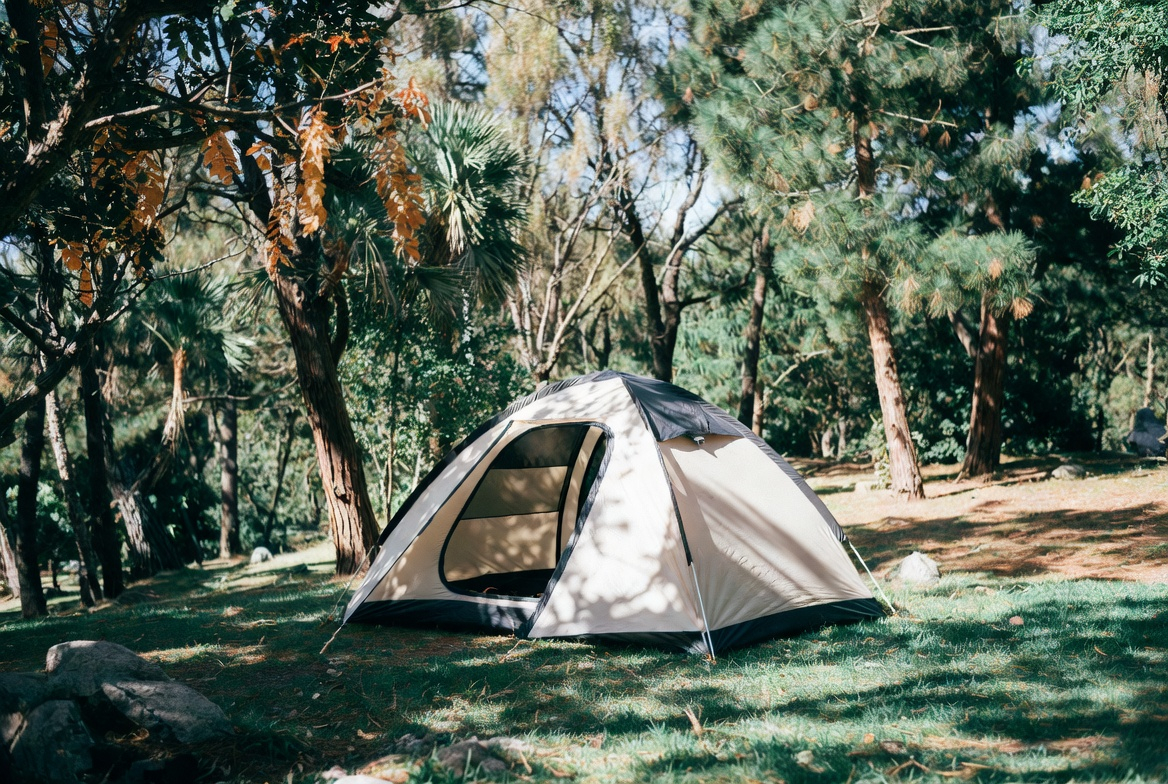
Pop Up vs Tent: A Complete Fast Pitching Guide for Busy Adventurers
When you’re standing at the edge of a hiking trail with your backpack heavy on your shoulders and the sun starting to dip toward the horizon, one question becomes crystal clear: which shelter should I choose? The pop-up tent versus the traditional tent debate has sparked countless conversations around campfires, and honestly, there’s no one-size-fits-all answer. But that’s exactly why I’m here to break down everything you need to know.
Think of choosing between a pop-up tent and a traditional tent like deciding between a smartphone and a laptop. Both are incredible tools, but they serve different purposes and fit different lifestyles. Let me walk you through this decision-making journey so you can confidently choose what works best for your adventures.
Understanding the Basics: What Makes Each One Unique
What Exactly Is a Pop-Up Tent?
A pop-up tent is like that magic trick you saw as a kid—you unfold it, and suddenly it’s standing upright. These tents use flexible poles pre-attached to the tent fabric, creating a spring mechanism that automatically expands when you release them. The moment you pull them apart, they spring into their fully functional form, ready to shelter you from the elements.
The beauty of pop-up tents lies in their simplicity. There’s no assembly required, no figuring out which pole goes where, and no searching for those tiny connectors that always seem to go missing. Just toss it out of your bag, unfold it, and you’re done. Literally. Some people set up a pop-up tent in under thirty seconds.
What Is a Traditional Tent?
A traditional tent, on the other hand, is the classic shelter that’s been around for generations. These tents feature separate poles that you manually assemble, thread through sleeves or clips, and connect to create the tent’s structure. They require a bit more thought and effort, but this complexity comes with distinct advantages that we’ll explore throughout this article.
Traditional tents have been perfected over decades, and manufacturers have developed countless variations to suit nearly every camping scenario you can imagine. From ultralight backpacking shelters to spacious family camping tents, the traditional tent market offers incredible diversity.
The Speed Factor: How Fast Can You Really Pitch Them?
Pop-Up Tents: The Speed Champions
If you’ve ever watched someone pitch a pop-up tent, you know it’s almost anticlimactic. The setup time is genuinely remarkable—we’re talking about fifteen to thirty seconds for most models. This speed advantage is particularly valuable when you’re caught in unexpected weather or when you’re camping with kids who need to get shelter quickly.
Imagine arriving at your campsite just as dark clouds roll in. With a pop-up tent, you’re laughing about your good luck while enjoying a hot drink inside your shelter. With a traditional tent? You might still be assembling poles while the rain begins to fall.
Traditional Tents: Slower Setup, but Worth It Sometimes
Setting up a traditional tent typically takes five to fifteen minutes, depending on the design and your experience level. First-timers might need twenty minutes or longer, while seasoned campers can move through the process smoothly. It’s not lightning-fast, but it’s also not unreasonably slow once you know what you’re doing.
The setup time for traditional tents includes multiple steps: laying out the tent body, assembling and inserting poles, securing the tent to the ground with stakes, and adjusting guy lines for stability. Each step requires attention and care to ensure proper setup.
Weight and Portability Considerations
Pop-Up Tents: Surprisingly Heavy
Here’s where pop-up tents reveal their weakness. Those pre-attached, spring-loaded poles add significant weight. Most pop-up tents weigh between four and eight pounds, which might not sound terrible until you’re hiking uphill and every ounce matters.
The compact shape when folded doesn’t match the actual material weight. You’re carrying all the metal springs and poles with you, and there’s no way to reduce that burden. For ultralight backpackers, this weight penalty often becomes a dealbreaker.
Traditional Tents: Lighter Options Available
Traditional tents vary dramatically in weight depending on their size and construction. You can find ultralight backpacking tents weighing just two to three pounds, while larger family tents might weigh ten to twenty pounds or more.
The advantage here is choice. If weight is critical to your adventures, you can select a traditional tent specifically designed for ultralight backpacking. Pop-up tents don’t offer this flexibility—they’re all relatively heavy because of their design.
Weather Resistance and Durability
Pop-Up Tents in Harsh Conditions
Pop-up tents generally handle mild weather reasonably well, but they have limitations in severe conditions. The spring-loaded design means there’s less flexibility in how you can stabilize the tent during high winds. You can’t adjust pole tension or modify the setup to better handle gusts.
Additionally, the constant flexing of those pre-attached poles can eventually lead to fatigue and failure. After a season or two of regular use, some users report that the springs lose their snap, making the tent harder to open and potentially compromising structural integrity.
Traditional Tents: Built for Battling the Elements
Traditional tents shine when weather becomes serious. You can adjust pole tension, modify guy line angles, and even reinforce weak points if needed. The separated pole system allows for more sophisticated designs that better distribute stress and wind load.
Quality traditional tents use high-grade materials and have been engineered through countless iterations to handle everything from heavy rain to strong winds to snow load. They’re the choice of mountaineers and expedition teams for good reason.
Price Comparison: What Will You Actually Spend?
The Cost of Pop-Up Tents
Pop-up tents are generally more affordable upfront. You’ll find decent models ranging from thirty to one hundred dollars, with premium versions reaching a couple hundred. The lower entry price makes them attractive to casual campers and families just starting their outdoor journey.
However, remember that durability might be shorter, so you could end up replacing them more frequently. It’s a classic case of paying less initially but potentially paying more over time.
Traditional Tent Pricing
Traditional tents span a wider price range. Budget options start around fifty dollars, mid-range quality tents cost one hundred to three hundred dollars, and premium expedition-grade tents can exceed a thousand dollars.
The advantage is that a quality traditional tent can last for decades with proper care. Many experienced campers still use tents they purchased ten or fifteen years ago without any issues. That longevity makes the higher upfront cost more reasonable when you calculate the per-use expense.
Ventilation and Condensation Management
Pop-Up Tents: Ventilation Challenges
The compact design of pop-up tents limits ventilation options. Most have minimal windows or vents, which can lead to condensation buildup—especially in cool weather when moisture from your breath and body heat meets the cool tent walls.
This condensation isn’t just uncomfortable; it can actually make your gear damp and increase the risk of mold and mildew developing inside your tent or sleeping bag.
Traditional Tents: Superior Air Flow Design
Traditional tents typically feature multiple vents and windows that you can open or adjust based on conditions. This superior ventilation system helps moisture escape and keeps the interior more comfortable throughout the night.
Many traditional tents use a two-wall design with an inner breathable layer and an outer waterproof fly, creating excellent moisture management. Experienced campers know that proper ventilation is just as important as keeping rain out.
Space and Comfort During Use
Pop-Up Tents: Cozy but Cramped
Pop-up tents typically feel snug inside—and I’m being generous with that word. The curved walls and compact interior space mean you’re often touching the tent fabric as you move around. This isn’t terrible for short trips, but for extended camping adventures, it can feel claustrophobic.
If you’re storing gear inside the tent, space becomes even more limited. You’ll quickly run out of room for backpacks, boots, and other equipment.
Traditional Tents: More Spacious Options
Traditional tents come in various sizes and configurations. A three-person traditional tent might actually feel roomy for two people, while a pop-up tent labeled as three-person will feel crowded with that many occupants.
Taller traditional tents let you sit up comfortably and even move around in a crouch position. This makes a huge difference during rainy days when you’re stuck inside, or when you need to organize your gear and change clothes.
Maintenance and Long-Term Care
Maintaining Your Pop-Up Tent
Pop-up tents require careful storage to maintain their spring mechanism. You can’t just roll them up loosely—they need to be folded back into their original shape to avoid putting stress on the springs. This is actually more complicated than maintaining a traditional tent.
The poles are prone to rust if not dried thoroughly, and the spring mechanisms can weaken over time. Regular inspection is necessary to catch problems before they affect your shelter’s performance.
Caring for Traditional Tents
Traditional tent maintenance is straightforward. After each camping trip, let it air dry completely before storing it. Every season, inspect the seams, poles, and fabric for any damage. That’s really it.
The simplicity of traditional tent design makes them easier to repair if something breaks. Replacement poles are available, patches can fix small tears, and the basic structure makes sense visually, so you can troubleshoot issues more easily.
Different Adventure Types and Best Applications
When Pop-Up Tents Excel
Pop-up tents are perfect for festival camping where you’re driving to a campground and spending one or two nights. They’re ideal for beach trips, backyard sleepovers, and casual car camping. If you’re camping near your vehicle and carrying distance isn’t a concern, the setup speed becomes a genuine advantage.
They’re also excellent for families with young children who get excited about having a personal tent space. Kids love the instant gratification of a pop-up tent that’s ready in seconds.
Where Traditional Tents Shine
Traditional tents are the clear winner for backpacking trips, mountaineering expeditions, and any adventure where weight matters. They’re superior for extended trips where you’ll spend significant time inside your shelter. They handle harsh weather better and offer more customization options.
If you’re planning regular camping trips and want a tent that will last for years, a quality traditional tent is your best investment. They’re also better for larger groups where space and comfort become important.
Environmental and Sustainability Factors
Pop-Up Tents: Environmental Impact
Pop-up tents tend to have a shorter lifespan, which means more frequent replacements and more waste in landfills. The spring mechanisms can’t be easily repaired or replaced, so when they fail, the entire tent becomes problematic.
If you’re concerned about your environmental footprint, the frequent replacement cycle of pop-up tents is a legitimate worry.
Traditional Tents: Longevity Benefits
A traditional tent that lasts twenty years represents far less waste per year of use than a pop-up tent that needs replacement every five years. When components eventually break, individual parts can usually be replaced without discarding the entire shelter.
From a sustainability perspective, buying one durable traditional tent beats buying multiple pop-up tents over the same time period.
Real User Experiences and Practical Tips
What Pop-Up Tent Users Love
People who choose pop-up tents consistently praise the speed and convenience factor. Parents appreciate setting up shelter quickly so they can focus on their kids. Festival campers love how easy it is to pack up when the event ends. Casual campers value the straightforward setup that requires no learning curve.
The frustration typically comes when they need to use these tents in adverse conditions or want to extend their camping lifestyle beyond casual day trips.
What Traditional Tent Users Appreciate
Experienced campers consistently choose traditional tents because they understand that initial setup time is negligible compared to the hours of comfort and reliability you gain. They appreciate the durability, the weather protection, and the space to move around.
Pro tip: If you’re considering a traditional tent, invest the time to practice setup at home before your first trip. It makes the process much faster and less stressful when you’re at your actual campsite.
Making Your Final Decision: A Practical Framework
Ask Yourself These Questions
- How often will you camp, and for how many nights per trip?
- Will you be backpacking or car camping?
- How important is setup speed to your camping style?
- What’s your budget for tent investment?
- How many people will use this tent regularly?
- What weather conditions will you face most often?
- How much do you value space and comfort?
Answer these honestly, and the right choice often becomes obvious. If you’re buying your first tent and planning occasional camping trips, a pop-up tent might be perfect. If you envision regular adventures and want equipment that grows with you, a traditional tent is the smarter choice.
Conclusion
The pop-up versus tent debate doesn’t have a universal winner because different adventurers have different needs. Pop-up tents deliver incredible convenience and speed, making them ideal for casual camping, festivals, and quick getaways where setup time is genuinely valuable. They’re affordable, require minimal skill to deploy, and work perfectly for their intended purpose.
Traditional tents, however, offer superior durability, better weather protection, more space, and genuine longevity that rewards your investment over years of use. They provide more customization options, handle harsh conditions better, and ultimately cost less per year of use despite higher upfront prices.
Here’s my honest take: If camping is just an occasional activity, a pop-up tent serves you well. If you’re serious about exploring the outdoors regularly, commit to a quality traditional tent and you’ll thank yourself for the decision every single trip. Remember, the best tent is the one you’ll actually use, so choose based on your real camping plans, not just theoretical outdoor adventures.
Frequently Asked Questions
Can I use a pop-up tent for backpacking trips?
While technically possible, it’s not ideal. Pop-up tents are heavier than lightweight backpacking tents, and they don’t handle challenging weather as well. If you’re doing a short, low-altitude backpacking trip in good weather, it could work, but you’d be carrying unnecessary weight. Most serious backpackers choose traditional ultralight tents instead.
How long do pop-up tents typically last?
With proper care, most pop-up tents last three to five years of regular use. The spring mechanisms gradually lose their responsiveness, and the fabric can develop wear patterns over time. Some users report their pop-up tents lasting longer, but degraded performance becomes noticeable after a few seasons. Traditional tents, by comparison, often last ten to twenty years.
![7 Person Ultralight Tent [2026]](https://leonardhomeoutdoor.com/wp-content/uploads/2026/08/7-person-ultralight-tent-2026-featured-768x432.jpg)