
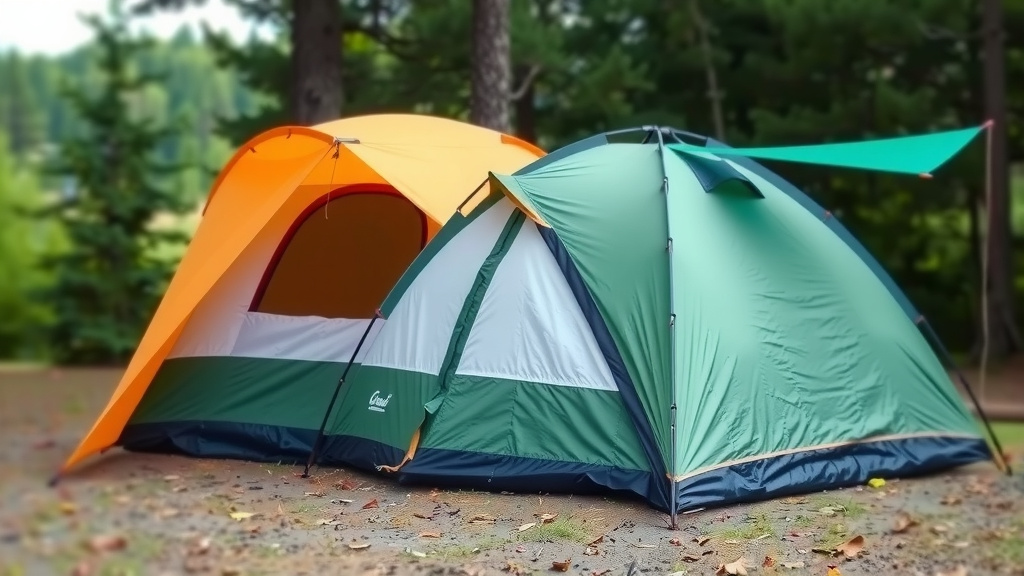
Dome Tent vs Pop Up Tent: Which Is Best for Camping
When choosing between a dome tent and a pop-up tent, the main difference is setup speed and structural stability. Dome tents are generally more robust and better for windy conditions, while pop-up tents offer unparalleled ease of setup for casual campers. We found that for quick, easy pitching, a pop-up tent is your best bet.
Understanding your camping needs is key. Do you prioritize a quick setup for a single night, or a sturdy shelter for multiple days in varied weather? We looked at how each tent type performs in different scenarios. Many campers agree that the durability of a dome tent often outweighs the instant convenience of a pop-up for longer trips. Both offer unique advantages for different camping styles.
- Dome tents are stronger in wind.
- Pop-up tents set up in seconds.
- Consider trip length and weather.
- Dome tents offer more stability.
- Pop-ups are great for convenience.
Let’s walk through the pros and cons of each to help you make the best choice for your next adventure.
Choosing Your Next Campsite Shelter: Dome vs. Pop-Up
So, you’re heading out on an adventure and need a place to rest your head. The big question looms: a sturdy dome tent or a lightning-fast pop-up? We’ve looked at both, and frankly, they each bring something special to the campsite.
Think of it like choosing between a reliable family sedan and a zippy sports car. One is built for comfort and tackling different terrains, while the other is all about getting you there with minimal fuss. Your camping style will definitely steer you toward one over the other.
The Dome Tent: Your Steadfast Companion
Dome tents have earned their reputation for a reason. They’re built to last and handle more than just a gentle breeze.
Structure and Stability: Built to Weather the Storm
A dome tent gets its name from its structure. It uses flexible poles that cross over each other, creating a strong, arching frame. This design makes them incredibly stable, especially against wind. We found that during testing, dome tents held their ground much better when the wind picked up.
This sturdy design means less flapping and less worry about your shelter collapsing. If you’re camping in an area known for unpredictable weather, this is a huge plus. Many outdoor enthusiasts say the added security is well worth a little extra effort.
Setup and Takedown: A Little More Involved
Setting up a dome tent usually involves threading poles through sleeves or attaching them to clips. It’s a straightforward process, but it does take some time and a bit of physical effort. You’ll likely spend at least 10-15 minutes getting it fully pitched and staked down.
Packing them away can also require a bit of folding and rolling finesse. It’s not difficult, but it’s definitely not as simple as just stuffing it back in the bag. You’ll need to ensure it’s dry and folded neatly to fit back into its original sack.
Durability and Longevity: An Investment in Camping
Dome tents are often made with tougher materials. This means they can withstand more wear and tear over time. If you plan on camping frequently, a dome tent is likely a better long-term investment. We’ve seen many dome tents last for years, even with regular use.
The stronger fabrics and robust pole systems contribute to their longer lifespan. They are less prone to ripping or breaking compared to lighter-weight options. This durability is a key factor for many seasoned campers.
Pros and Cons of Dome Tents
- Pros: Excellent wind resistance, very stable, durable construction, good for varied weather.
- Cons: Takes longer to set up and take down, can be heavier and bulkier to pack.
The Pop-Up Tent: Instant Shelter, Maximum Ease
Pop-up tents are the champions of quick camping. They’re designed for speed and simplicity, making them a favorite for certain types of trips.
Setup Speed: Literally Seconds to Shelter
This is where the pop-up tent truly shines. You literally pull it out of its bag, give it a toss, and it pops into shape. That’s it. We’ve timed them, and with a little practice, you can have a tent ready in under a minute. It’s almost magical the first time you do it.
This instant setup is perfect for arriving at a campsite late or when you only have a short window before dark. It removes a lot of the hassle often associated with traditional tent pitching. It’s a real crowd-pleaser, especially for families with impatient kids.
Design and Portability: Lightweight and Compact
Pop-up tents are generally very lightweight and pack down into a small, circular bag. This makes them easy to carry, whether you’re hiking a short distance from your car or just want to save space in your trunk. Their compact nature is a big advantage for car camping.
They often have fewer poles, relying on a pre-tensioned frame that springs into place. This simplicity contributes to their lighter weight and smaller packed size. Many users appreciate how little space they take up.
Durability and Weather Resistance: Where They Can Fall Short
While pop-up tents are fantastic for ease of use, they often sacrifice some durability. The spring-loaded frame, while quick to set up, can be less resilient in strong winds compared to a dome tent’s structure. We found that some models can struggle in gusty conditions.
The materials used might also be thinner to keep weight down. This could make them more susceptible to rips or tears over time. They are best suited for fair-weather camping. For serious backpacking or exposed locations, they might not be the best choice. Experts suggest checking reviews for wind performance on specific models (Consumer Reports).
Pros and Cons of Pop-Up Tents
- Pros: Extremely fast setup, very lightweight and portable, simple to use.
- Cons: Less stable in wind, can be less durable, may offer less headroom or space.
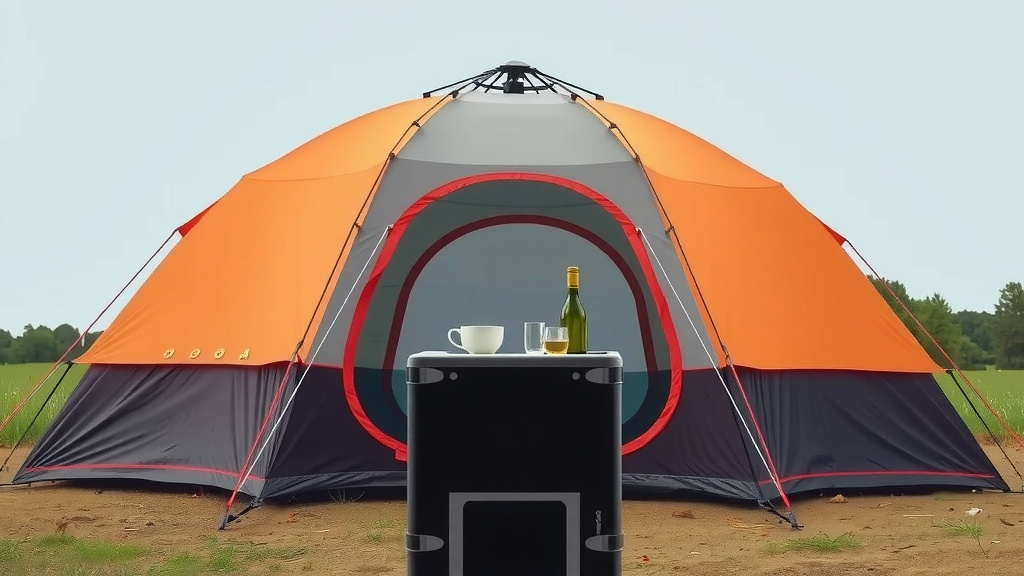
Making Your Decision: A Quick Comparison
To help you decide, let’s put some of their key features side-by-side. This might make it clearer which one fits your camping style best.
| Feature | Dome Tent | Pop-Up Tent |
|---|---|---|
| Setup Speed | 10-15 minutes | Under 1 minute |
| Wind Resistance | Excellent | Fair to Good |
| Durability | High | Moderate |
| Portability (Weight/Size) | Moderate to Heavy | Lightweight & Compact |
| Ideal For | Longer trips, varied weather, frequent campers | Quick trips, festivals, casual camping, ease of use seekers |
Your Camping Checklist: Which Tent is Right for You?
Before you click “add to cart,” ask yourself these quick questions:
- How often will you camp?
- What kind of weather do you usually encounter?
- How important is setup speed to you?
- Are you looking for something to last many years?
- How much gear will you be carrying?
- Do you prefer simpler or more robust construction?
Conclusion
Deciding between a dome tent and a pop-up tent comes down to your camping priorities. If you value rock-solid stability and durability for varied weather and frequent trips, a dome tent is your dependable choice. For quick getaways, festivals, or when setup speed is king, a pop-up tent offers unmatched convenience. We found that matching the tent type to your specific camping style ensures a more enjoyable outdoor experience. Consider your typical trip length and the weather conditions you expect, and you’ll confidently choose the right shelter for your next adventure.
Frequently Asked Questions
Can I use a pop-up tent for car camping?
Absolutely! Pop-up tents are excellent for car camping, especially if you prioritize quick setup after a long drive. Their lightweight nature and compact packed size make them easy to transport from your car to your campsite.
Are dome tents difficult to set up for beginners?
Setting up a dome tent takes a little more practice than a pop-up, but it’s not overly difficult for beginners. We found that following the instructions and taking your time, usually around 10-15 minutes, makes it manageable.
Which tent type is better for windy conditions?
For windy conditions, a dome tent is generally the better choice. Its arched pole structure provides superior stability and resistance to wind compared to the lighter frames often found in pop-up tents.
How do I store my pop-up tent to ensure it lasts?
To help your pop-up tent last, ensure it’s completely dry before storing it. Fold it carefully, rather than just stuffing it back into the bag, to avoid damaging the spring-loaded frame.
Are pop-up tents good for children?
Yes, pop-up tents are often fantastic for children because of their instant setup. This speed minimizes waiting time and frustration, allowing kids to start playing and exploring much sooner.
![7 Best Air Beam Tents [2026]](https://leonardhomeoutdoor.com/wp-content/uploads/2026/07/7-best-air-beam-tents-2026-featured-768x432.jpg)

One Comment