

How Long Do Canvas Tents Last?
How long do canvas tents last? You can expect a well-maintained canvas tent to last anywhere from 10 to 20 years, sometimes even longer. The lifespan really depends on how you treat it and the quality of the canvas material itself. Think of it as a long-term investment in your outdoor adventures!
Several factors play a big role in how long your canvas tent will stay your trusty home away from home. Things like UV exposure, mildew prevention, and proper storage can make a huge difference. We found that tents used in harsher climates might not reach the higher end of that range without extra care.
- Canvas tents can last 10-20+ years.
- Quality of material matters a lot.
- Proper care and maintenance are key.
- Storage and environmental factors impact lifespan.
- Expect longer life with good habits.
Ready to get the most out of your canvas tent? Below, we’ll walk you through what impacts its lifespan and how you can make it last for decades.
The Lifespan of Your Canvas Tent: What to Expect
So, how long can you realistically expect your canvas tent to serve you on your outdoor journeys? We found that with proper care, most canvas tents can last between 10 and 20 years. Some even go longer, becoming reliable companions for decades! It’s not just about the tent itself, but also how you treat it.
Factors Influencing Your Tent’s Longevity
Several key elements play a big role in how long your canvas tent will hold up. Think of these as the main characters in your tent’s life story. We’ll break down the most important ones to help you protect your investment.
Material Quality: The Foundation of Durability
The quality of the canvas material is the most significant factor. Higher-quality canvas is typically denser, treated for UV resistance, and made with stronger fibers. This makes it more resistant to wear and tear. Cheaper, thinner canvas might seem like a bargain initially, but it often breaks down much faster.
Environmental Exposure: Your Tent’s Toughest Critics
The environment where you use and store your tent has a huge impact. Harsh conditions will naturally shorten its lifespan if you’re not careful. We found that tents used frequently in intense sun or rough weather require more diligent care.
UV Rays: The Silent Saboteur
Prolonged exposure to the sun’s ultraviolet (UV) rays can degrade canvas fibers over time. This makes the material weaker and more prone to tearing. Think of it like leaving a nice shirt out in the sun all summer – it fades and the fabric gets brittle. Many quality canvas tents come with UV-resistant treatments, but these can wear off.
Moisture and Mildew: The Unwanted Guests
Moisture is canvas’s worst enemy if not managed properly. Mildew and mold can grow on damp canvas, weakening the fibers and causing unsightly stains. They can also create a musty smell that’s hard to get rid of. Prevention is key here.
Wind and Weather: Nature’s Stress Test
Strong winds can put immense stress on your tent poles and fabric. Constant buffeting can lead to rips and tears, especially at stress points like seams and guy-out points. Heavy rain can also saturate the canvas, increasing its weight and strain on the structure. Proper pitching techniques are vital here.
Care and Maintenance: Your Role in Longevity
This is where you have the most control! How you care for your canvas tent directly influences how long it lasts. Regular maintenance is like giving your tent a spa day.
The Importance of Proper Setup and Takedown
When setting up, avoid yanking on the canvas. Gently guide poles into sleeves and use appropriate stakes for the ground conditions. When taking it down, ensure you’re not dragging it over rough surfaces unnecessarily. A little care goes a long way.
Cleaning Your Tent: A Gentle Approach
Never machine wash your canvas tent. Most dirt can be brushed off when the tent is dry. For tougher stains, use a mild soap and water solution with a soft brush or sponge. Rinse thoroughly and allow it to air dry completely. We found that avoiding harsh chemicals is critical.
Drying is Non-Negotiable
This is perhaps the most critical step. Always, always, always ensure your tent is bone dry before you store it. Even a little dampness can lead to mildew. If you have to pack up a wet tent, spread it out to dry as soon as possible when you get home. Seriously, don’t skip this part!
Storage: Keeping Your Tent Safe Between Adventures
How you store your canvas tent can make or break its lifespan. Proper storage protects it from pests, moisture, and damage.
The Ideal Storage Environment
Store your tent in a cool, dry place. A basement, closet, or garage is usually fine, as long as it’s not prone to excessive humidity. Avoid storing it in a plastic bag, as this can trap moisture. Many tents come with breathable canvas bags for this purpose.
Protecting Against Pests
Mice and insects can sometimes find canvas tents attractive. Ensure your storage area is clean and free of food scraps. Some campers store their tents in larger bins or containers to provide an extra layer of protection.
Extending Your Canvas Tent’s Life: A Checklist
Want to ensure your canvas tent is around for every camping season to come? Follow this quick checklist:
- Always dry your tent completely before storing.
- Clean with mild soap and water; avoid harsh chemicals.
- Store in a cool, dry, and well-ventilated area.
- Pitch and take down your tent with care.
- Inspect for damage before and after each trip.
- Reapply waterproofing treatments as needed.
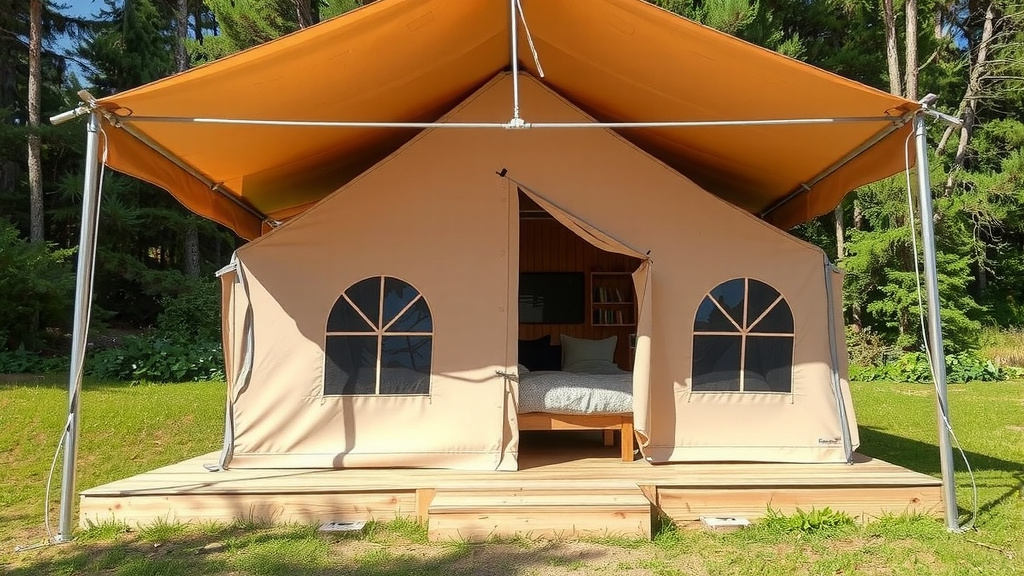
Making Your Investment Last for Years to Come
Investing in a quality canvas tent is an investment in your outdoor experiences. While factors like the environment play a role, your commitment to proper care and maintenance is the most powerful tool you have. By understanding what affects your tent’s lifespan and taking simple, consistent steps, you can ensure your canvas tent remains a comfortable and reliable shelter for many adventures to come. Think of it as nurturing a relationship – the more you care for it, the longer it will last.
Conclusion
You’ve learned that a well-cared-for canvas tent is a fantastic long-term investment, easily lasting 10 to 20 years, and often much longer. We found that material quality and consistent care are your biggest allies in this journey. Protecting your tent from harsh UV rays, moisture, and improper storage will dramatically extend its life. Make it a habit to always dry your tent thoroughly before packing it away, and clean it gently. By treating your canvas tent with respect, you ensure it remains your reliable shelter for countless adventures to come. Ready to put these tips into practice? Start by inspecting your tent for any small issues after your next trip!
Frequently Asked Questions
How often should I reapply waterproofing to my canvas tent?
You should reapply waterproofing treatments based on usage and the environment. If you notice water no longer beads up on the canvas or after heavy use in wet conditions, it’s likely time for a refresh. Many campers find reapplying once every 1-2 years is sufficient for maintaining peak performance.
Can I use a regular household cleaner on my canvas tent?
We strongly advise against using regular household cleaners on your canvas tent. Harsh chemicals can strip away protective treatments and damage the canvas fibers. Stick to mild soap (like biodegradable camp soap) and water for cleaning, and always test in an inconspicuous area first.
What’s the best way to dry a canvas tent if I have to pack it up wet?
If you absolutely must pack your tent wet, spread it out to dry fully as soon as you get home. Lay it over a vehicle, hang it on a clothesline, or set it up in your yard. Ensure all areas, especially seams and seams, are completely dry to prevent mildew before storing it long-term.
How can I protect my canvas tent from animal damage during storage?
To protect your tent from pests like mice or insects, store it in a cool, dry place away from direct attractants. Consider placing the tent, preferably in its breathable storage bag, inside a larger, sealed plastic bin. Regularly check your storage area for signs of pests.
Does the weight of the canvas matter for its lifespan?
Yes, the weight and density of the canvas do matter. Heavier, denser canvas (often measured in ounces per square yard) generally indicates stronger fibers and tighter weave. This type of canvas is typically more durable, resistant to tears, and can better withstand UV exposure and general wear and tear over time.
![7 Best Hot Tent Pellet Stove [2026]](https://leonardhomeoutdoor.com/wp-content/uploads/2026/08/7-best-hot-tent-pellet-stove-2026-featured-768x432.jpg)
![7 Best Rain Resistant Tents [2026]](https://leonardhomeoutdoor.com/wp-content/uploads/2026/09/7-best-rain-resistant-tents-2026-featured-768x432.jpg)
![7 Best Heavy Duty Tent Stakes [2026]](https://leonardhomeoutdoor.com/wp-content/uploads/2026/08/7-best-heavy-duty-tent-stakes-2026-featured-768x432.jpg)

One Comment