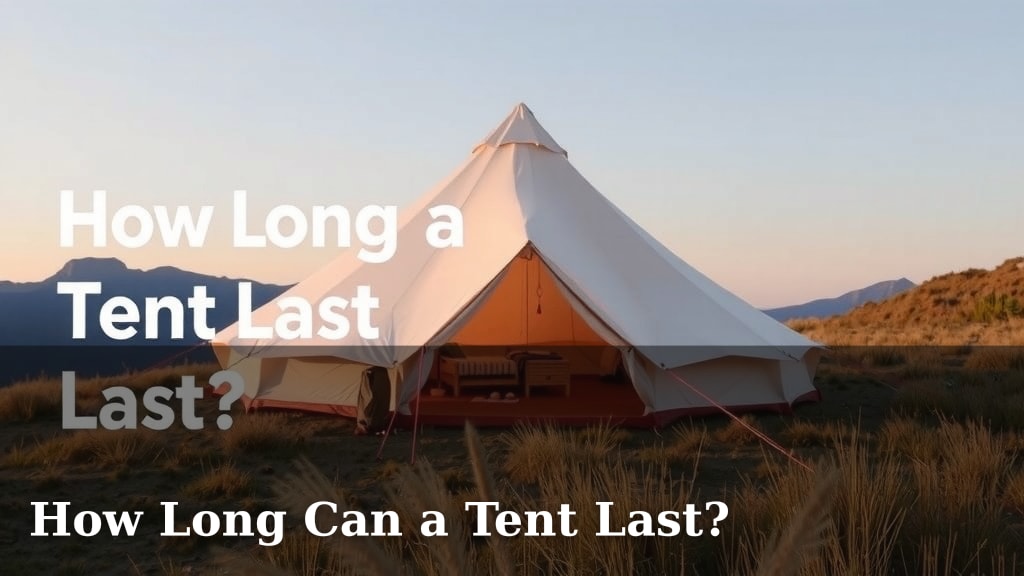
How Long Can a Tent Last?
Your trusty tent can last anywhere from 5 to 15 years, depending on its quality and how you care for it. A well-maintained tent often outlasts one that’s left out in the sun and rain without proper cleaning and storage. We found that regular attention is key to extending its lifespan.
The materials used play a big role. High-denier fabrics and robust poles generally mean a longer-lasting shelter. You’ll also find that UV protection and waterproof coatings are critical for preventing wear and tear. Think of it like caring for your favorite hiking boots; a little effort goes a long way.
- Tents generally last 5-15 years.
- Quality materials and construction matter most.
- Proper care is essential for longevity.
- UV damage and moisture are major culprits.
- Storage and cleaning significantly impact lifespan.
Ready to learn exactly what makes a tent last longer? We’ve got you covered with the details you need to keep your shelter in top shape for years of adventures.
“`htmlMaximizing Your Tent’s Lifespan
So, how long can you expect your tent to serve as your home away from home? Many research studies and user reports suggest a typical tent can last anywhere from 5 to 15 years. This range isn’t arbitrary; it’s a reflection of the many factors influencing a tent’s durability.
Think of your tent not just as fabric and poles, but as a piece of gear that deserves attention. Just like a car needs regular oil changes and a garden needs watering, your tent benefits immensely from proper care. We found that neglecting even small maintenance tasks can drastically shorten its life.
The Science of Tent Durability: Materials and Design
The foundation of a long-lasting tent is built with its materials. What your tent is made of plays a massive role in its overall lifespan. Manufacturers choose fabrics and components for a reason, and understanding these choices helps you appreciate your tent’s strengths.
Fabric Choices and Their Impact
Most modern tents use nylon or polyester for their main fabric. These synthetic materials are chosen for their strength, light weight, and resistance to stretching. The denier (D) of the fabric is a key indicator of its thickness and toughness. A higher denier number means a thicker, more durable fabric, but it also means more weight. You’ll often find tents designed for backpacking prioritize lighter, lower-denier fabrics to save on weight. For car camping or more rugged conditions, higher-denier fabrics offer greater resilience.
The Role of Coatings and Treatments
Beyond the base fabric, coatings are applied to enhance performance. Most tents feature a waterproof coating, typically polyurethane (PU) or silicone. Over time and with repeated use, these coatings can degrade, especially when exposed to the elements. UV protection is another critical treatment. Sunlight is a tent’s worst enemy. Ultraviolet rays break down the fabric fibers and coatings, making them brittle and prone to tearing.
Poles and Stakes: The Tent’s Skeleton
The poles and stakes are just as important. Aluminum poles are generally preferred for their strength and durability over fiberglass, which can splinter or break. Even aluminum poles can bend if stressed excessively. Stakes, while often overlooked, need to be strong enough to hold your tent securely in various ground conditions. Weak or easily bent stakes can lead to your tent collapsing in wind.
Environmental Factors That Affect Tent Longevity
Your tent’s environment is a major determinant of how long it will last. Exposure to the natural world presents several challenges that can wear down your shelter over time.
The Sun’s Destructive Rays: UV Damage
We found that UV damage is perhaps the most significant factor in shortening a tent’s life. Even a few days of direct sunlight can start to degrade the fabric’s protective coatings. Prolonged exposure can turn your tent’s fabric chalky and weak. Think of it like a sunburn on your skin; repeated exposure without protection leads to damage.
Moisture: The Silent Killer
Moisture, whether from rain, dew, or condensation, can be problematic if not managed correctly. While tents are designed to be waterproof, constant dampness can encourage mold and mildew growth. These can stain the fabric and, in severe cases, weaken the material and compromise its waterproof properties. Proper ventilation is key to preventing internal condensation.
Wind and Weather Extremes
Strong winds can put immense stress on a tent’s poles and fabric. Repeated whipping and flapping can tear seams or damage the material. While a well-pitched tent can withstand a good amount of wind, extreme conditions can lead to irreparable damage. Always choose a campsite that offers some natural wind protection if possible.
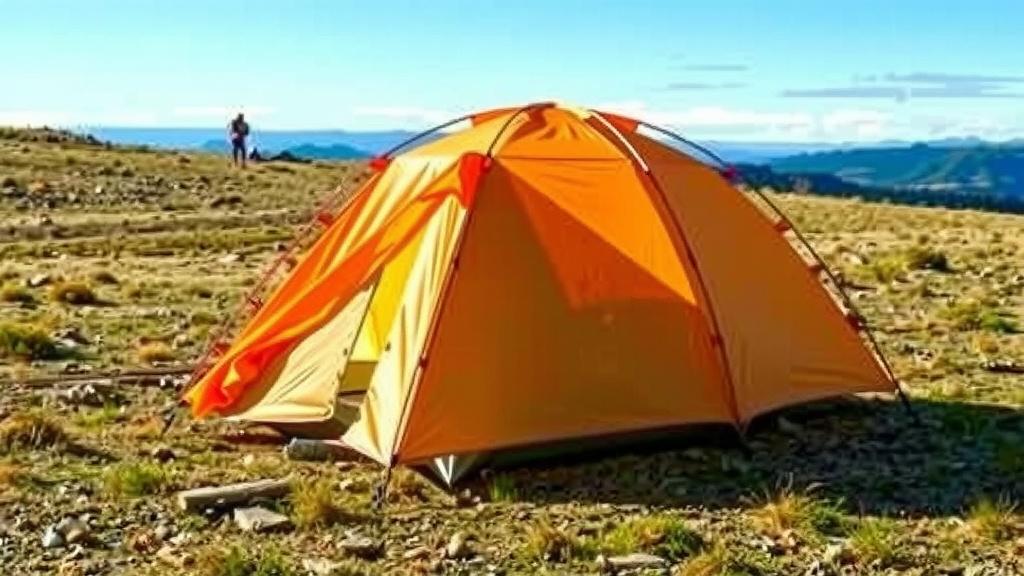
Care and Maintenance: Your Tent’s Best Friend
This is where you have the most control. How you treat your tent between trips directly impacts its lifespan. Simple, consistent care can make a world of difference.
The Importance of Cleaning Your Tent
After a trip, especially if it was wet or muddy, cleaning your tent is essential. Shake out all the dirt and debris thoroughly. For tougher grime, use a mild soap and water solution with a soft brush or sponge. Never use harsh detergents, bleach, or put your tent in a washing machine or dryer, as these can strip coatings and damage the fabric. Always rinse thoroughly to remove all soap residue.
Drying Your Tent Completely
This step is non-negotiable. Before storing your tent, it must be bone dry. Even a small amount of moisture can lead to mold and mildew. Hang your tent up to air dry, ideally in a well-ventilated area away from direct sunlight. Ensure you dry both the rainfly and the tent body, and don’t forget the stuff sacks.
Proper Storage is Key
Once clean and completely dry, store your tent loosely. Many tents come with a large cotton storage bag. Use this instead of the small stuff sack you use for packing. Compressing a tent long-term can damage the fabric fibers and coatings. Find a cool, dry place, away from extreme temperatures and potential pests.
Pitching and Packing Practices
Be mindful when setting up and taking down your tent. Avoid pitching on sharp objects like rocks or gravel that can puncture the floor. When packing, roll or stuff the tent carefully to avoid unnecessary stress on seams and zippers. Always use the stakes provided and ensure they are driven into the ground properly to avoid straining the guylines.
Factors That Can Lead to Premature Tent Failure
Sometimes, tents fail long before their natural lifespan is up. Recognizing these common pitfalls can help you avoid them.
Zippers and Seam Tape Issues
Zippers can get stuck, snagged, or have teeth break. Keeping them clean and lubricated can help. Seam tape, the waterproof strips along the seams, can peel or crack over time due to age and use. If you notice this, it’s a sign that your tent’s waterproofing is compromised.
Accidental Damage and Wear and Tear
Campfires are a common culprit. Embers can easily melt small holes in tent fabric. Sharp objects, like knives or tools, can cause tears. Pets can also contribute to wear and tear with their claws. Even everyday use, like repeatedly opening and closing zippers, causes wear over time.
Ignoring Small Problems
A small tear, a loose seam, or a stubborn zipper might seem minor. However, ignoring these issues can lead to bigger problems. A small tear can grow into a large rip. A loose seam can let in water. Addressing minor repairs promptly will save you from major headaches—and expenses—down the road.
By understanding these factors and implementing proper care techniques, you can ensure your tent remains a reliable shelter for many camping seasons to come.
| Factor | Impact on Lifespan | Mitigation Strategy |
|---|---|---|
| UV Exposure | High (Degrades fabric & coatings) | Minimize direct sun; use shade; store properly |
| Moisture | Moderate (Mold, mildew, coating breakdown) | Dry completely before storage; ventilate |
| Abrasion | Moderate (Punctures, tears) | Use a footprint; pitch on soft ground; handle with care |
| Improper Storage | High (Fiber damage, mold) | Store loosely in a cool, dry place |
| Harsh Cleaning | High (Coating removal, fabric damage) | Use mild soap and water; avoid machines |
Your Tent Care Checklist
- Shake out all dirt and debris after each trip.
- Clean with mild soap and water only.
- Always dry your tent completely before storing.
- Store your tent loosely in a cool, dry place.
- Inspect for and repair minor damage promptly.
- Use a footprint to protect the tent floor.
Conclusion
Your tent is a reliable partner for countless adventures. By understanding how materials like high-denier fabrics and UV coatings contribute to its lifespan, you can make informed choices. Remember, environmental factors like sun and moisture can take their toll, but your care makes the biggest difference. A little effort in cleaning, drying, and proper storage now means more years of comfortable camping ahead. So, take these tips to heart, and your tent will be ready for your next journey.
Frequently Asked Questions
How often should I clean my tent?
You should clean your tent after every trip, especially if it was exposed to dirt, mud, or rain. Even a quick shake-out helps remove debris. For a more thorough cleaning, use mild soap and water, and always ensure it’s completely dry before storing.
Can I use a washing machine to clean my tent?
No, you should never put your tent in a washing machine or dryer. The harsh agitation and heat can damage the fabric, coatings, and seam tape. Hand washing with a soft brush and mild soap is the safest method to maintain your tent’s integrity.
What’s the best way to store my tent long-term?
For long-term storage, keep your tent loosely packed in a breathable bag, like the cotton one it might have come with. Avoid stuffing it tightly into its small stuff sack. Store it in a cool, dry place, away from direct sunlight and extreme temperatures, to prevent mold and fabric degradation.
How does UV damage affect my tent?
UV rays break down tent fabric fibers and protective coatings. This can make the material brittle, chalky, and prone to tearing. Prolonged exposure to direct sunlight is one of the fastest ways to shorten your tent’s usable life, so minimizing sun exposure is key.
Is it worth repairing a small tear in my tent?
Absolutely. Patching small tears or fixing loose seam tape promptly can prevent minor damage from becoming a major issue. Small problems, like a tiny hole, can grow and compromise the tent’s waterproofing and structural integrity if ignored.
![7 Best Backpacking Tent For Cold Weather [2026]](https://leonardhomeoutdoor.com/wp-content/uploads/2026/07/7-best-backpacking-tent-for-cold-weather-2026-featured-768x432.jpg)
![7 Best Pop Up Privacy Tent [2026]](https://leonardhomeoutdoor.com/wp-content/uploads/2026/09/7-best-pop-up-privacy-tent-2026-featured-768x432.jpg)