
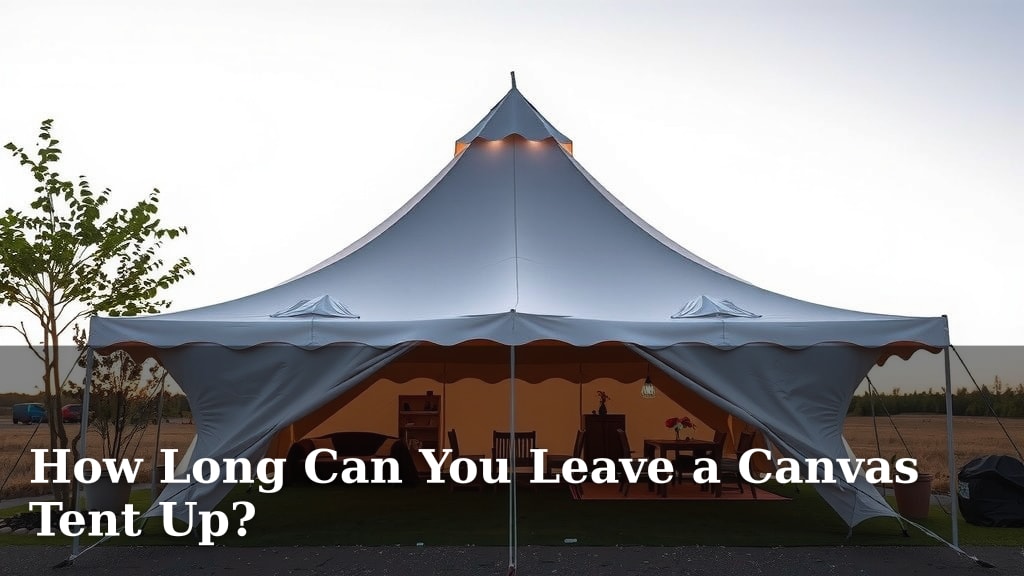
How Long Can You Leave a Canvas Tent Up?
You can leave a canvas tent up for a surprisingly long time, often **several months**, but it really depends on a few key factors. While a canvas tent is durable, leaving it up indefinitely, especially in harsh weather, can shorten its lifespan and lead to potential issues like mold and mildew. The general consensus from manufacturers and experienced campers is to aim for a balance between convenience and tent care.
Understanding how long your canvas tent can withstand the elements means considering factors like weather exposure, proper setup, and regular maintenance. Leaving a tent up during rainy seasons or extreme sun can cause premature wear and tear. Protecting your investment means being mindful of these conditions and taking steps to prolong its usability for many camping seasons to come.
- Canvas tents can last months outdoors.
- Weather conditions are a major factor.
- Proper setup and maintenance are key.
- Mold and mildew are risks if left up too long.
- Aim for a balance to maximize lifespan.
Let’s break down what influences how long your canvas tent can stay pitched and how you can ensure it lasts.
How Long Can Your Canvas Tent Stay Pitched?
So, you’re wondering just how long you can leave your trusty canvas tent set up outdoors? We found that most manufacturers suggest you can comfortably leave a well-maintained canvas tent pitched for several months. Think of it like a sturdy house, but one that needs a bit more TLC when it’s exposed to the elements 24/7. The key is understanding that “months” is a flexible term, heavily dependent on the conditions your tent faces.
Leaving a canvas tent up for an extended period isn’t a one-size-fits-all situation. You’ve invested in a durable shelter, and with the right care, it can serve you for many camping seasons. But remember, nature can be tough. We want to help you figure out the sweet spot so your tent stays in great shape.
Factors Affecting Tent Longevity Outdoors
Weather Exposure: The Big Kahuna
This is arguably the **biggest factor** in how long your tent can stay up. Constant exposure to sun, rain, wind, and snow takes a toll.
Sun’s Rays: The Fading Factor
Did you know that prolonged exposure to direct sunlight can degrade canvas fabric over time? UV rays can weaken the fibers and cause fading. If your tent is set up in a spot that gets baked by the sun all day, every day, its lifespan will likely be shorter. We found that even treated canvas can eventually show wear from intense sun.
Rain and Humidity: The Mildew Menace
Rain itself isn’t the enemy, but what happens after the rain is crucial. If your tent stays damp for days on end, you’re inviting mold and mildew. These are the arch-nemeses of canvas tents. They not only look unsightly but can also cause permanent damage and unpleasant odors. We found that good ventilation is key to combating this, but even then, prolonged dampness is a risk.
Wind: The Constant Tug-of-War
Strong winds can put a lot of stress on your tent poles and fabric. If your tent is constantly being buffeted by gales, it can lead to ripped seams, stretched canvas, or even structural damage. A securely pitched tent in a sheltered spot will fare much better than one exposed to the open. We found that frequent strong winds can require more frequent checks and adjustments.
Setup and Pitching: A Solid Foundation
How you set up your tent makes a huge difference. A well-pitched tent is more resilient. Think of it like building a house – a strong foundation is essential!
Proper Tensioning
When you pitch your tent, ensure the canvas is pulled taut. Loose fabric can flap in the wind, causing unnecessary wear and tear. Proper tension also helps water run off more effectively, preventing pooling. We found that taking the extra five minutes to get the tension just right is well worth it.
Site Selection Matters
Where you choose to pitch your tent is also important. If possible, select a site that offers some natural protection from the harshest elements. A spot with partial shade can reduce sun exposure. Being mindful of drainage is also key – you don’t want your tent sitting in a puddle after a rain shower. Many experienced campers suggest avoiding low-lying areas that might collect water.
Maintenance: The Ongoing Care
Just like anything you want to last, your canvas tent needs regular attention. This isn’t just about how long you leave it up; it’s about how well you care for it while it’s up.
Regular Inspections
We found that it’s a good idea to periodically check your tent, even if it’s just sitting there. Look for any signs of wear, loose seams, or potential issues with the poles. If you spot a small problem early, you can often fix it before it becomes a big, expensive one.
Keeping it Clean
Even if your tent is just standing in your backyard, it can accumulate dirt and debris. Keeping the exterior clean helps prevent premature wear and can reduce the likelihood of mold growth, especially if you’ve had recent rain. We found that a gentle brushing or wipe-down can go a long way.
Temporary vs. Extended Pitches
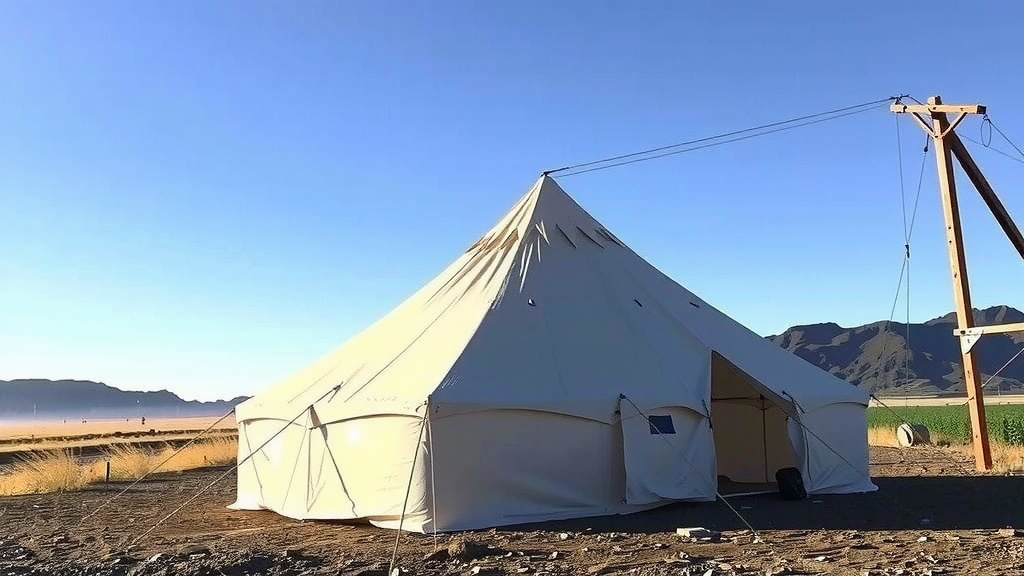
There’s a difference between leaving your tent up for a weekend camping trip and leaving it pitched for an entire season. For shorter durations, say a week or two, and with fair weather, your tent will likely be fine.
However, if you’re thinking of leaving it up for **several months** straight, especially through a season with unpredictable weather (like spring or fall), you need to be much more vigilant. We found that many manufacturers advise against leaving tents up indefinitely in harsh conditions.
Consider this: A tent used for a few weeks each year might last 10 years. A tent left up and exposed for months on end, year after year, might only last half that time, or even less, if not meticulously maintained. It’s a trade-off between convenience and longevity.
When to Consider Taking It Down
We found that you should seriously consider taking your tent down and storing it properly if:
- You’re anticipating a period of prolonged heavy rain or high humidity.
- The forecast calls for consistently strong winds for several days.
- You’re going away for an extended period and won’t be able to check on it.
- You notice any signs of mildew or mold starting to appear.
- The season is changing and the weather is becoming more unpredictable.
Taking down your tent might seem like a hassle, but it’s often the best way to protect your investment and ensure it’s ready for your next adventure, looking and performing its best.
Conclusion
You’ve learned that leaving your canvas tent up for months is possible, but it’s a balancing act. The biggest influences on how long your tent can stay pitched are weather exposure and proper setup. Intense sun, prolonged dampness leading to mold, and strong winds all test your tent’s durability. By ensuring your tent is pitched taut and on a well-drained, ideally sheltered spot, you give it the best chance to last.
Remember, regular maintenance is key, even when the tent is just standing. Don’t hesitate to take it down if harsh weather is coming or if you see the first signs of mildew. Protect your investment by being vigilant and proactive.
Your next step is to assess your typical camping season and local weather patterns. Plan to take down your tent during the most challenging times, and you’ll ensure it’s ready and in top condition for every adventure.
Frequently Asked Questions
How do I protect my canvas tent from sun damage when it’s left up?
If you must leave your tent pitched in a sunny spot, consider using a tarp as an extra layer of shade over the top. Regularly inspect the canvas for any signs of fading or weakening fibers. Storing it completely when not in use is the best protection, but these methods can help mitigate damage if it must stay out.
What’s the quickest way to check for mold or mildew on a tent left up?
Visually inspect the inside and outside seams and lower edges of the tent fabric. Sniff for any musty or damp odors, which are strong indicators of mold or mildew growth. A quick brush to remove any visible dirt or debris can also help prevent these issues from starting.
Can I leave my canvas tent up during light rain showers?
Yes, your canvas tent is designed to withstand rain. The important part is ensuring it dries out completely afterward. If it’s just a light shower and the sun comes out, the tent should dry sufficiently. Prolonged periods of dampness, however, increase the risk of mold.
How often should I inspect a tent that’s been left up for a few months?
We found it’s best to give your tent a quick check at least once every couple of weeks. Look for any loose guy lines, sagging fabric, or debris accumulation. This frequent check allows you to catch minor issues before they become major problems.
Is it better to store a canvas tent seasonally or leave it up if weather permits?
For maximum longevity, storing your canvas tent completely between seasons is ideal. This protects it from UV rays, extreme weather, and environmental factors that can degrade the fabric over time. While leaving it up might be convenient, it generally reduces the tent’s overall lifespan compared to proper seasonal storage.
![7 Best Roof Top Tent For Subaru Crosstrek [2026]](https://leonardhomeoutdoor.com/wp-content/uploads/2026/09/7-best-roof-top-tent-for-subaru-crosstrek-2026-featured-768x432.jpg)
![7 Best Camping Tent Waterproof [2026]](https://leonardhomeoutdoor.com/wp-content/uploads/2026/08/7-best-camping-tent-waterproof-2026-featured-768x432.jpg)