Canopy Tent Slant Leg vs Straight Leg: Which is Best
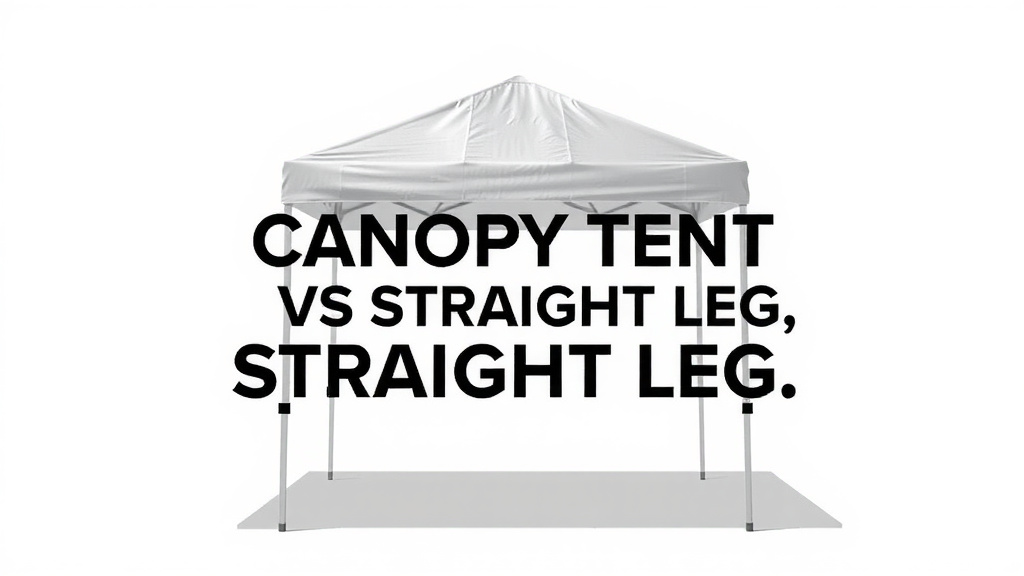
When choosing a canopy tent, the choice between slant leg vs. straight leg comes down to your specific needs for stability and space. Slant leg tents offer superior stability on uneven ground and are generally lighter, making them ideal for casual use. Straight leg tents provide more headroom and a larger shaded area, perfect for events where maximizing footprint is key.
We found that understanding these differences helps you make the best decision for your outdoor events. Slant leg canopies are often favored for their easier setup and portability. Straight leg models excel when you need a sturdy, spacious shelter for longer periods or crowded events, offering a more professional look and feel.
- Slant leg tents are more stable, especially on uneven surfaces.
- Straight leg tents offer more headroom and a larger shaded area.
- Consider your setup location and space requirements.
- Portability and ease of setup might sway your decision.
Let’s walk through the key differences to help you pick the perfect canopy for your next outdoor adventure.
You’re looking at buying a canopy tent and trying to figure out what the big deal is between slant leg and straight leg models. It might seem like a small detail, but it can make a big difference in how your canopy performs. We’ve done the research and found that understanding the frame’s angle is key to getting the right shelter for your needs.
Choosing the Right Canopy Frame: Slant vs. Straight Legs
The main difference comes down to the shape of the tent legs. This simple design choice impacts stability, space, and how easy it is to set up. We’ll break down what each type offers so you can make an informed decision.
Understanding Slant Leg Canopies
Slant leg canopies have legs that angle outwards. Think of them like a pyramid base, offering a wider stance at the bottom. This design is a big reason why they are often considered the more stable option. We found that this outward angle provides extra support, especially when dealing with uneven ground or breezy conditions.
Advantages of Slant Leg Designs
One of the biggest benefits of slant leg tents is their superior stability. Because the legs splay outward, they create a broader footprint on the ground. This makes them less likely to tip over, which is a huge plus if you’re setting up on grass, sand, or other uneven surfaces. Many users report feeling more secure with this design.
Another advantage is portability. Because the legs angle out, they generally have a lighter frame. This can make them easier to carry from your car to your setup spot. We found that many slant leg models are designed with ease of transport in mind, often coming with convenient carrying bags.
Potential Downsides of Slant Leg
While great for stability, slant leg tents do take up a bit more ground space due to their angled legs. This means the footprint on the ground is larger than the shaded area directly beneath the canopy. Also, the angled legs can sometimes make it a little trickier to position tables or chairs right up against the edges of the tent.
Exploring Straight Leg Canopies
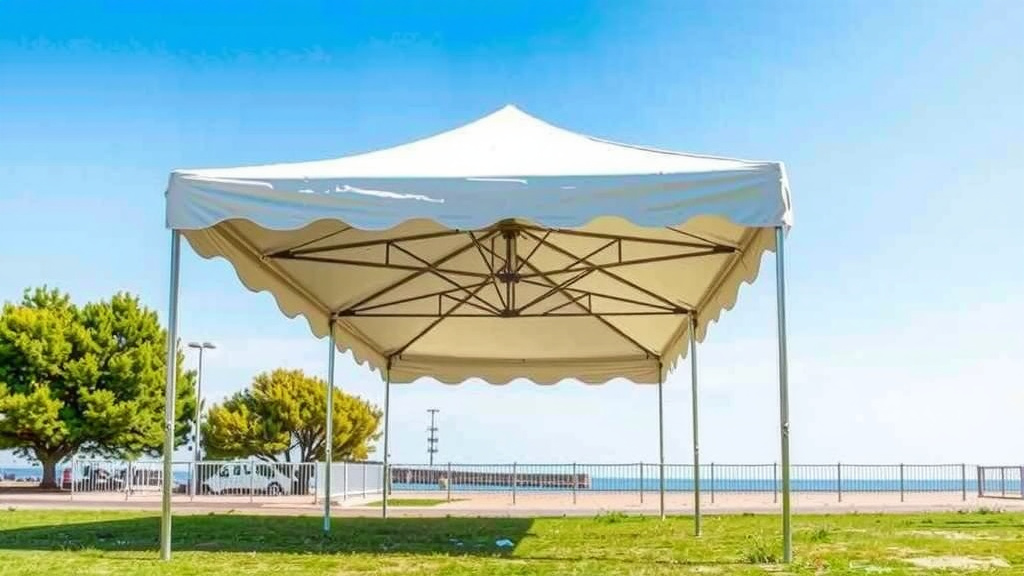
Straight leg canopies, as the name suggests, have legs that go straight up and down from the frame. These are the ones that look more like a traditional tent structure. They offer a consistent vertical space from top to bottom.
Benefits of the Straight Leg Structure
The main draw of a straight leg canopy is the maximum headroom and shaded area it provides. Since the legs are vertical, you get a full, unobstructed space underneath. This means you can fit more people or larger displays directly under the tent. We found that for events where maximizing your usable space is critical, straight leg models are often the preferred choice.
They also offer a very clean, professional look. Many businesses and vendors prefer straight leg canopies because they present a more uniform and structured appearance. This can be important for branding and creating a consistent booth setup. Think of a farmers market or a craft fair; you’ll see a lot of straight leg tents.
Considerations for Straight Leg Tents
While they offer more vertical space, straight leg canopies can be less stable on uneven ground. Because the legs are vertical, the base footprint is the same as the top footprint. If your setup location has slopes or dips, you might need to take extra steps to secure them properly. We found that proper anchoring is especially important for these models.
They can also be a bit heavier due to the straight frame design. This might make them slightly less convenient to move around on your own, especially if you have a longer distance to cover. But for many, the trade-off for more shaded space is well worth it.
Key Differences at a Glance
To help you visualize, let’s look at how they compare directly:
| Feature | Slant Leg Canopy | Straight Leg Canopy |
|---|---|---|
| Stability | High, especially on uneven surfaces. Wider base provides more support. | Good, but requires more attention to anchoring on uneven ground. |
| Shaded Area/Headroom | Slightly less direct shaded area due to angled legs. Good headroom. | Maximum shaded area and consistent headroom. |
| Ground Footprint | Larger ground footprint needed for setup. | Smaller ground footprint for the same top area. |
| Portability | Often lighter and easier to carry. | Can be heavier and bulkier. |
| Setup | Generally straightforward. | Generally straightforward. |
| Aesthetics | Casual, good for backyards. | Professional, often preferred for commercial use. |
Which Type is Right for Your Needs?
We found that the best way to choose is to think about where and how you’ll be using the canopy. Ask yourself a few key questions.
Consider Your Setup Location
Will you be setting up on a perfectly flat, paved surface like a driveway or a hard-packed event lot? If so, a straight leg canopy will likely serve you well. But if you anticipate setting up on grass, at a park, or on the beach, where the ground might be uneven or sloped, a slant leg canopy will give you that extra peace of mind. Many guidelines for outdoor event safety suggest prioritizing stability, especially when wind is a factor (CDC).
Evaluate Your Space Requirements
How much shaded space do you really need? If you’re hosting a backyard party and want to fit a few tables and chairs snugly, the extra foot or two of direct shade from a straight leg canopy can be a real advantage. If you’re hosting a casual get-together and a bit less direct shade is fine, a slant leg will still offer plenty of coverage.
Think About Portability and Setup Ease
Will you be moving the canopy frequently? If you’re a vendor who sets up and takes down their booth at multiple events each week, the lighter weight of a slant leg model might be a significant factor. If you’re just setting it up once or twice a year for a specific event and won’t be moving it far, the weight difference might be less of a concern.
Quick Checklist for Your Decision
Before you buy, quickly run through this:
- Location: Is the ground flat or uneven?
- Space: Do you need maximum shade, or is slightly less okay?
- Portability: Will you move it often?
- Headroom: Do you need to stand up tall inside?
- Look: Do you prefer a casual or professional appearance?
- Budget: Prices can vary, but compare features.
By considering these points, you’ll be well on your way to selecting the canopy that best fits your outdoor needs. Both slant and straight leg options have their strengths, and understanding them makes all the difference!
Conclusion
You’ve learned that the choice between slant leg and straight leg canopy tents boils down to your specific needs. Slant leg models offer superior stability and portability, making them great for casual events on varied terrain. Straight leg tents maximize your shaded area and headroom, presenting a professional look ideal for commercial use. Think about where you’ll set up and how much space you need.
Your next step is to consider your primary use case. If stability on grass or sand is key, opt for slant legs. If you need every inch of shaded space for vendors or guests, a straight leg is likely your best bet. You’re now equipped to make a confident decision for your outdoor shelter!
Frequently Asked Questions
Can I use a slant leg canopy on a hard surface?
Yes, you absolutely can use a slant leg canopy on a hard surface like pavement or a deck. While their design excels on uneven ground, the stability they offer is beneficial on any surface. Just be sure to use appropriate weights or anchors for secure setup.
How much more shaded area does a straight leg canopy offer?
A straight leg canopy typically offers about 1-2 feet more direct shaded area per side compared to a slant leg of the same top size. This is because the legs are vertical, providing an unobstructed space all the way to the ground. This difference can be substantial for maximizing your usable area.
Are slant leg tents harder to set up than straight leg tents?
Generally, both types of tents are designed for relatively easy setup. However, some users find slant leg tents slightly easier due to their lighter frames and often simpler pole configurations. The outward angle can also make them more forgiving if the ground isn’t perfectly level during initial setup.
Which type of canopy is better for windy conditions?
Slant leg canopies are generally considered better for windy conditions. Their outward-angled legs create a wider base footprint, providing greater inherent stability and a reduced chance of tipping over compared to straight leg models. Proper anchoring is still crucial for both types, though. Slant leg canopies are generally considered better for windy conditions.
Can I use weights with a straight leg canopy on a paved surface?
Yes, using weights is essential for securing any canopy on a paved surface, and this applies to straight leg models as well. You can use sandbags, water weights, or specialized canopy weight plates. Ensure the weights are evenly distributed across all four legs for maximum stability.
![7 Best Cot Tent 2p Kakadu [2026]](https://leonardhomeoutdoor.com/wp-content/uploads/2026/08/7-best-cot-tent-2p-kakadu-2026-featured-768x432.jpg)
![7 Best Lightweight 3 Person Tent [2026]](https://leonardhomeoutdoor.com/wp-content/uploads/2026/08/7-best-lightweight-3-person-tent-2026-featured-768x432.jpg)