Alaknak vs Wall Tent Which Is Best for Your Camping Needs
When choosing between an Alaknak and a wall tent, think about your primary use and budget. An Alaknak is generally your best bet for a more affordable and lightweight option that’s still quite durable, especially if you’re new to canvas tents. Wall tents offer superior durability and weather protection but come at a higher cost and weight.
Both Alaknak and wall tents are fantastic choices for camping, hunting, or even as a rustic cabin. We found that understanding the differences in material, frame design, and intended use can make your decision much clearer. Your comfort and the tent’s longevity depend heavily on picking the right one for your adventures.
- Alaknak tents are usually more budget-friendly and lighter.
- Wall tents offer better durability and weather resistance.
- Consider your main activity: camping, hunting, or base camp.
- Your budget and desired setup time are also key factors.
Let’s dive deeper into the specifics of each so you can make the perfect choice for your next outdoor escape.
Comparing the Alaknak and Wall Tent for Your Outdoor Shelter
So, you’re looking for the perfect tent for your outdoor adventures, but you’re torn between an Alaknak and a wall tent. Both are excellent choices, but they cater to slightly different needs and preferences. We’ve looked at what makes each of them stand out so you can decide which one will be your next home away from home.
Think of it like choosing a vehicle. Do you need a rugged, dependable truck for serious hauling and tough terrain (that’s more like a wall tent), or a versatile SUV that’s comfortable, capable, and a bit easier to handle for everyday trips (that sounds like an Alaknak)? Your choice depends on where you’re going and what you’re doing.
Understanding the Alaknak Tent’s Strengths
The Alaknak tent is often seen as a fantastic entry point into the world of canvas tents. They are generally more budget-friendly. This makes them a great option if you’re curious about canvas but don’t want to invest a fortune upfront. We found that their affordability doesn’t mean sacrificing too much quality, either.
Material and Construction: Lighter but Still Tough
Alaknak tents are typically made from a poly-cotton blend. This material is lighter than the heavy-duty canvas found in most wall tents. This lighter weight is a big advantage when you’re packing and loading your gear. The blend offers good water resistance and breathability. Many users report they hold up well against moderate weather conditions. They often feature a more straightforward pole system, making setup quicker.
Portability and Setup Ease
One of the biggest wins for the Alaknak is its ease of setup. Because the materials are lighter and the frame design is often simpler, you can usually get an Alaknak tent up and ready in a reasonable amount of time, sometimes even by yourself. This is a huge plus after a long drive or hike. We found that this tent is very popular for weekend camping trips or for families who want a comfortable shelter without a wrestling match.
Ideal Use Cases for Alaknak Tents
Where does an Alaknak tent shine? It’s perfect for base camping where you set up once and stay put. Think of car camping trips, family outings, or even as a temporary shelter at a hunting camp. If you value a balance between comfort, durability, and relative ease of use, the Alaknak is a strong contender. It’s also a great choice if your camping adventures don’t involve extreme weather or hurricane-force winds.
Exploring the Robustness of Wall Tents
Now, let’s talk about wall tents. These are the heavyweights of the outdoor shelter world. They are built for serious use and extended stays in challenging environments. Many experienced hunters and outfitters swear by them, and for good reason. They represent a significant step up in durability and weather protection.
Superior Materials and Frame Engineering
Wall tents are traditionally made from heavy-duty, 100% canvas or marine-grade vinyl. These materials are incredibly robust, waterproof, and designed to withstand harsh elements. The frames are usually made of strong steel or aluminum poles, creating a very sturdy structure. This robust construction means they can handle significant snow loads and high winds. We found that the quality of the materials directly contributes to their longevity and ability to perform in demanding conditions.
Built for the Elements and Extended Stays
If you plan on spending extended periods outdoors, especially during hunting seasons or in shoulder seasons when weather can be unpredictable, a wall tent is often the superior choice. They offer excellent insulation, keeping you warmer in the cold and cooler in the heat. The taller ceilings and vertical walls provide a more spacious, cabin-like feel. This makes living in them for weeks at a time much more comfortable. Many outfitters use them for remote base camps because they offer a reliable and comfortable living space.
The Trade-offs: Weight and Setup Complexity
The most significant drawbacks of wall tents are their weight and setup complexity. The heavy materials and more involved frame systems mean they are not easy to transport. Setup often requires at least two people and can take considerably longer than an Alaknak. This makes them less ideal for trips where you move camp frequently. You’ll definitely want a sturdy vehicle and possibly a trailer for transport. We also found that the cost is generally higher than for Alaknak tents.
Key Differences at a Glance
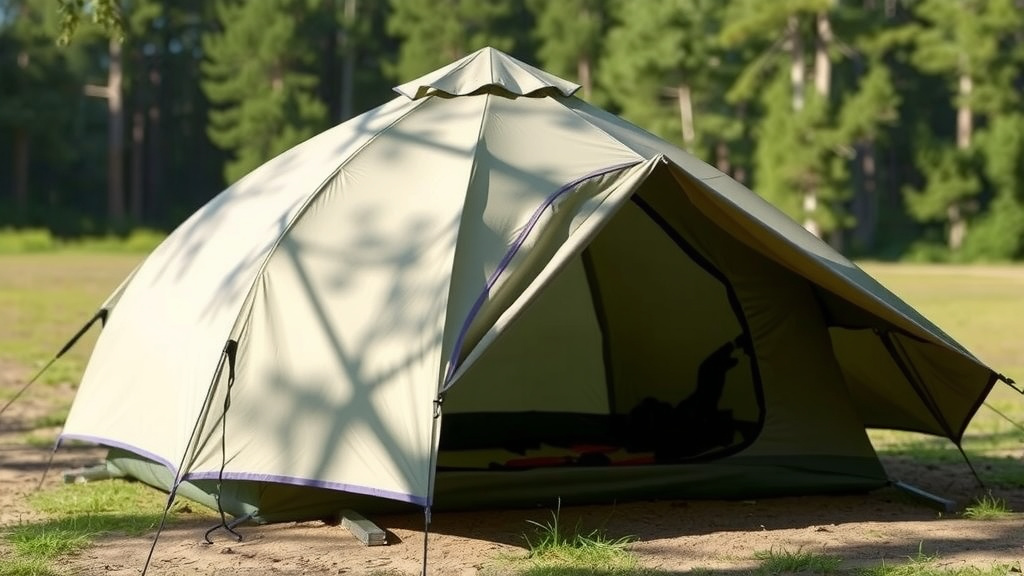
To help solidify your decision, let’s lay out the main differences side-by-side. Understanding these points can make choosing much easier.
| Feature | Alaknak Tent | Wall Tent |
|---|---|---|
| Material | Poly-cotton blend (lighter) | Heavy canvas or vinyl (heavy-duty) |
| Durability | Good, suitable for moderate use | Excellent, built for harsh conditions |
| Weight | Lighter, more portable | Heavier, less portable |
| Setup Ease | Generally quicker and easier | More complex, often requires two people |
| Weather Resistance | Good for average conditions | Superior, handles extreme weather |
| Cost | More budget-friendly | Higher investment |
| Interior Space | Comfortable, but less vertical space | Spacious, cabin-like feel, high ceilings |
Making the Right Choice for You
Ultimately, the best tent for you depends on your specific needs and how you plan to use it. We’ve seen many happy campers with both types of tents, each serving its purpose perfectly.
Consider Your Primary Activity
Are you a weekend warrior who enjoys car camping and wants a comfortable, easy-to-manage shelter? An Alaknak might be your perfect match. Do you plan on setting up a long-term base camp for extended hunting trips or expeditions where you need maximum protection from the elements? A wall tent would likely be a better investment. Think about the typical conditions you’ll face.
Budgetary Considerations
Your budget plays a significant role. Alaknak tents offer great value and are more accessible for those starting out or on a tighter budget. Wall tents are a larger investment, but many owners find they last for decades, making them a cost-effective choice in the long run if used extensively. Many experts say that quality tent investment pays off in durability.
Setup Time and Effort
How much time and effort are you willing to put into setting up your camp? If quick setup is a priority, especially after a tiring day, the Alaknak has a clear advantage. If you don’t mind a bit more work for superior weather protection and space, the wall tent is worth considering. We found that being realistic about setup is key to overall satisfaction.
Your Checklist for Deciding:
- Think about your most common camping trips.
- Assess the typical weather you’ll encounter.
- Consider how often you’ll be setting up and taking down.
- Evaluate your budget for the initial purchase and potential accessories.
- How much interior space do you really need?
- Are you camping solo, with family, or with a group?
Conclusion
Deciding between an Alaknak and a wall tent really comes down to understanding your adventure style. If you’re looking for a balance of comfort, ease of use, and affordability for weekend trips or car camping, the Alaknak tent is likely your best friend. It offers a great introduction to canvas shelter without breaking the bank. On the other hand, if you prioritize robust protection for longer stays, harsh weather, and a true home-away-from-home feel, investing in a wall tent is the way to go. You’ve got the information now; the next step is to visualize your ideal trip and choose the shelter that will make it happen.
Frequently Asked Questions
Can an Alaknak tent handle rain and wind?
Yes, Alaknak tents can handle moderate rain and wind quite well. Their poly-cotton blend offers good water resistance, and the frame is designed for stability. However, they are not built for extreme storms or heavy snow loads like a wall tent is.
Are wall tents difficult to set up for one person?
Setting up a wall tent alone is generally difficult and not recommended. Their size, weight, and frame design typically require at least two people and a good amount of time and effort to erect properly and safely.
Which type of tent is better for long-term hunting trips?
For extended hunting trips where you’ll be in one location for a while, a wall tent is usually the superior choice. They offer better durability, weather protection, and interior space for living comfortably for weeks.
Is an Alaknak tent a good option for beginners to canvas camping?
Absolutely. An Alaknak tent is often recommended for beginners because it’s more affordable and easier to set up than a traditional wall tent. You get the benefits of canvas without the initial high cost and complexity.
How much more does a wall tent typically cost compared to an Alaknak?
Wall tents represent a higher investment. While prices vary greatly based on size and features, you can generally expect a wall tent to cost significantly more upfront than an Alaknak tent, sometimes two to three times as much or even more.
![7 Person Tent Car Camping [2026]](https://leonardhomeoutdoor.com/wp-content/uploads/2026/08/7-person-tent-car-camping-2026-featured-768x432.jpg)

![7 Best Family Tents [2026]](https://leonardhomeoutdoor.com/wp-content/uploads/2026/06/7-best-family-tents-2026-featured-768x432.jpg)