
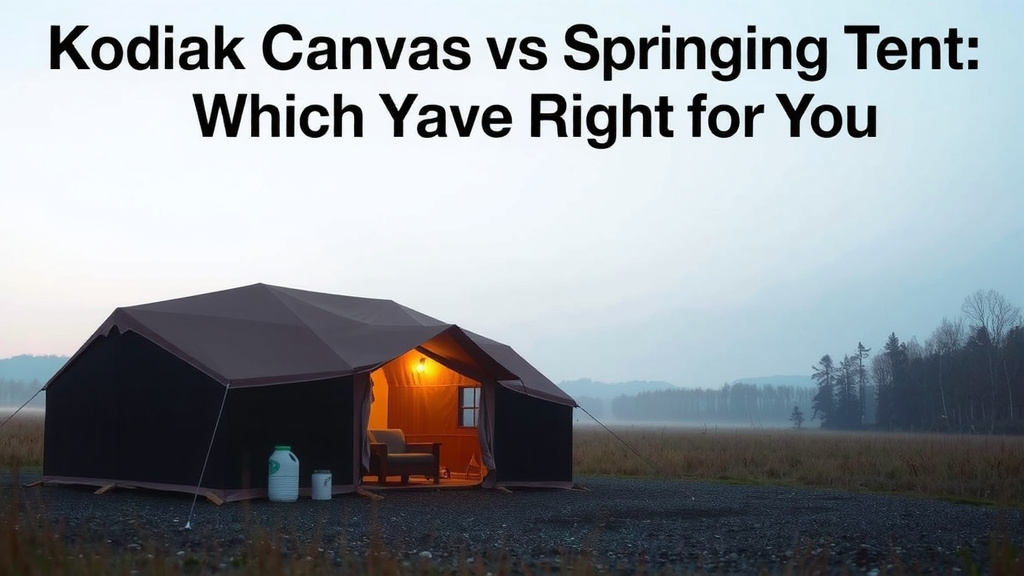
Kodiak Canvas vs Springbar Tent: Which is Right for You
Deciding between a Kodiak Canvas tent and a Springbar tent depends on what you value most: rugged durability with quicker setup (Kodiak) or time-tested comfort and a classic vibe (Springbar). Both are excellent choices for serious campers, but Kodiak Canvas generally wins for its faster pitching and beefier canvas. Springbar offers a more traditional feel and is often favored for its proven longevity.
You’re looking for a tent that feels like a home away from home. Both brands are renowned for their heavy-duty canvas construction and ability to withstand the elements. We’ve researched many user experiences and found that the choice often comes down to the subtle differences in design and what makes your camping trip perfect.
- Kodiak Canvas: Faster setup, very durable canvas, good headroom.
- Springbar: Classic design, extremely durable, excellent ventilation.
- Both offer superior canvas quality over synthetic tents. Both offer superior canvas quality over synthetic tents, and our guide to the best canvas tents for camping can help you decide.
- Your personal setup speed preference is a key factor.
- Consider the overall camping experience you desire.
Below, we break down what makes each of these popular canvas tents stand out so you can pick the best one for your adventures.
Kodiak Canvas vs. Springbar: Which Heavy-Duty Canvas Tent is Right for You?
You’re eyeing a canvas tent, and that’s a fantastic choice for a more robust camping experience. When you start looking at the top contenders, Kodiak Canvas and Springbar tents consistently pop up. They both promise that classic canvas feel, excellent durability, and a comfortable shelter. But what truly sets them apart? We’ve dug into what makes each brand shine to help you decide.
Understanding the Core Differences
At their heart, both Kodiak Canvas and Springbar tents are built for serious campers. They use heavy-duty, waterproof canvas. This material is a world away from modern synthetics. It breathes, offers great insulation, and can last for decades with proper care. The main differences often come down to design, setup, and the specific features that enhance your camping comfort.
Kodiak Canvas: Speed and Strength
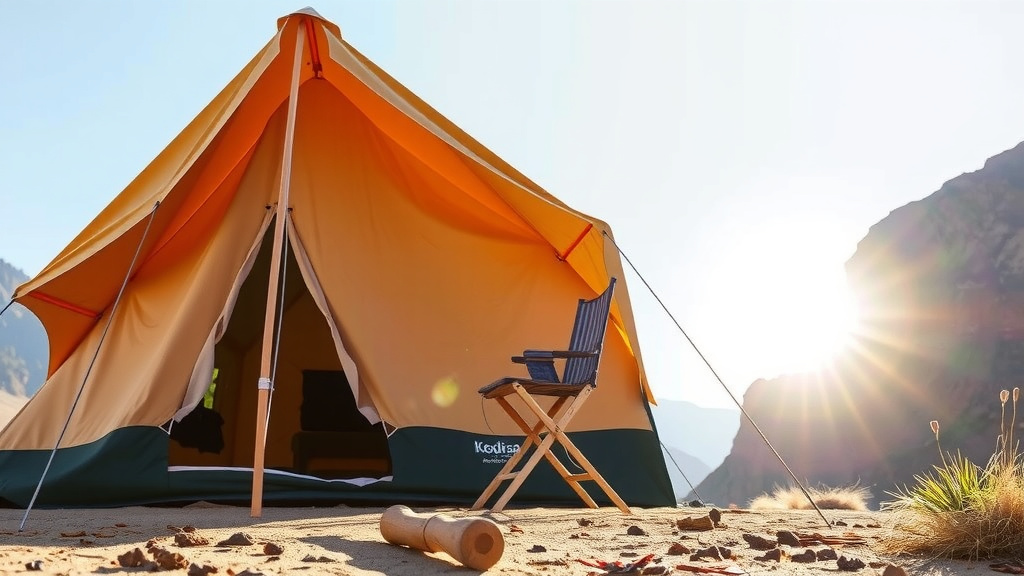
Kodiak Canvas tents are often praised for their quick setup. Many users report being able to pitch their tent much faster than expected. This is a big deal after a long day of driving or hiking. The design often features large doors and ample windows, giving you plenty of ventilation and easy access. We found that their tent poles are typically heavy-duty steel, contributing to their stability in windy conditions. The canvas itself is a thick, tightly woven material that offers excellent protection from rain and sun.
Setup Simplicity
One of the standout features of a Kodiak Canvas tent is how straightforward the setup process is. They generally use a simple pole structure that’s easy to manage. You’ll find it less intimidating than more complex tent designs. We researched user feedback and discovered that even first-time canvas tent owners found them manageable. You can often have your shelter ready in under 30 minutes, sometimes even less once you get the hang of it.
Durability and Weather Resistance
These tents are built tough. The 10 oz Hydra-Shield™ canvas is a hallmark of Kodiak. This material is treated to be waterproof and UV resistant. It’s designed to stand up to harsh weather, from heavy rain to strong winds. Many campers choose Kodiak for its reputation for longevity. You’re investing in a shelter that can accompany you on many adventures for years to come. We found that their reinforced stitching and sturdy zippers also add to the overall robustness.
Springbar: Timeless Comfort and Proven Longevity
Springbar tents have a long history, dating back to 1961. They embody a classic camping aesthetic that many people love. Their design is often simpler, focusing on a strong, stable frame that can withstand the test of time. These tents are known for their excellent ventilation, which is a huge plus for warmer weather camping. The canvas is also exceptionally durable, with many users reporting their Springbar tents lasting for 20-30 years or more.
The Classic Canvas Experience
If you’re drawn to the nostalgic feel of canvas camping, Springbar delivers. Their tents often have a more traditional shape, reminiscent of old-school wall tents. This design creates a very comfortable living space. The high ceilings and open interior make it feel more like a room than just a tent. We found that many owners appreciate the sense of peace and quiet these tents offer, as the canvas does a good job of muffling outside noise.
Ventilation and Airflow
Springbar tents excel in airflow. They typically feature large windows and doors that can be opened wide. This design promotes cross-ventilation, helping to keep the interior cool and comfortable, especially during summer months. You can often open up the tent to let in a gentle breeze, making hot nights much more bearable. This focus on airflow is a key reason why many choose Springbar for family camping or trips in warmer climates.
Comparing Key Features in a Table
To help you visualize the differences, let’s break down some key aspects. This should give you a clearer picture of what each brand prioritizes.
| Feature | Kodiak Canvas | Springbar |
|---|---|---|
| Canvas Weight | Generally 10 oz. Hydra-Shield™ canvas. | Often 8 oz. or 10 oz. treated canvas. |
| Setup Speed | Generally faster setup, often under 30 minutes. | Can take a bit longer, especially for first-timers. |
| Durability | Excellent. Built for rugged use. | Exceptional. Proven longevity for decades. |
| Ventilation | Good, with well-placed windows. | Excellent, with wide-open designs. |
| Headroom | Generous, allowing for comfortable movement. | Very good, often with high ceilings. |
| Portability | Heavier due to robust poles and canvas. | Also heavy, typical for quality canvas tents. |
Who Should Choose Which Tent?
So, based on what we’ve explored, who is each tent best suited for? This can help you narrow down your choice based on your camping style and priorities.
Kodiak Canvas is Likely Your Best Bet If:
- You value faster setup and want to get your campsite established quickly.
- You need a tent that can handle a variety of weather conditions reliably.
- You appreciate a modern approach to canvas tent design.
- You want a tent that feels spacious and has good headroom for moving around.
A Springbar Tent Might Be Perfect If:
- You love the classic canvas camping feel and aesthetic.
- Exceptional ventilation is a top priority for comfortable camping.
- You’re looking for a tent with a proven track record of extreme longevity.
- You don’t mind a slightly longer setup time in exchange for a timeless design.
Important Considerations for Canvas Tents
No matter which brand you choose, owning a canvas tent means a slightly different approach to camping. We found these are common points:
- Break-in Period: New canvas tents often require a “break-in” period. This means pitching them and letting them get wet a few times. It helps the canvas fibers swell and seal up properly, making them more waterproof. Many manufacturers recommend this step (e.g., REI often notes this for canvas products).
- Drying is Key: Always ensure your canvas tent is completely dry before storing it. Storing a damp canvas tent can lead to mold and mildew, which can ruin the fabric. This often means pitching it again at home after a trip.
- Maintenance: Canvas requires occasional treatments to maintain its water repellency and UV protection. Researching the best products for your specific tent is wise.
- Weight: Canvas tents are heavier than their synthetic counterparts. This means they are best suited for car camping or base camps where you don’t have to carry them long distances.
Conclusion
You’ve now seen how both Kodiak Canvas and Springbar tents offer incredible durability and a fantastic camping experience. If speed and a modern, robust design are your priorities, a Kodiak Canvas tent is likely your best bet for quicker setups and solid weather protection. For those who cherish a timeless aesthetic and prioritize unmatched ventilation and proven, decades-long longevity, a Springbar tent holds a special appeal. Consider your camping style, how much time you want to spend setting up, and the specific comforts you seek. Your next adventure awaits, and either of these heavy-duty canvas tents will serve you exceptionally well. Take a moment to think about your ideal campsite setup, and you’ll know which one is calling your name.
Frequently Asked Questions
How long do Kodiak Canvas and Springbar tents typically last?
With proper care, both Kodiak Canvas and Springbar tents are known for their exceptional longevity. Many users report their tents lasting 20 to 30 years or even longer. This long lifespan is a major benefit of investing in quality canvas construction.
Are canvas tents heavier than synthetic ones?
Yes, canvas tents are generally heavier than their synthetic counterparts. This is due to the dense nature of the canvas material and the sturdy pole structures used. They are best suited for car camping where weight isn’t a primary concern.
What is the “break-in” period for new canvas tents?
A break-in period involves pitching your new canvas tent and letting it get wet a few times, usually through rain or by spraying it with water. This process helps the canvas fibers swell, improving its water resistance and sealing small gaps.
How do I properly care for a canvas tent to prevent mold and mildew?
The most important step is to ensure your canvas tent is completely dry before storing it. Always pitch it out at home after a trip if necessary. Regular cleaning and occasional re-waterproofing treatments will also help maintain its condition.
Which tent is better for very hot weather camping?
While both offer good ventilation, Springbar tents often excel in this area with their classic, open designs that promote excellent airflow. If superior ventilation in warm climates is your top priority, a Springbar tent might have a slight edge.
![7 Best Budget 10 Person Tent [2026]](https://leonardhomeoutdoor.com/wp-content/uploads/2026/08/7-best-budget-10-person-tent-2026-featured-768x432.jpg)
![7 Best Backpacking Tent For Cold Weather [2026]](https://leonardhomeoutdoor.com/wp-content/uploads/2026/07/7-best-backpacking-tent-for-cold-weather-2026-featured-768x432.jpg)