Teepee vs Tent: Which Shelter Is Right For You
When choosing between a teepee and a tent, the main difference lies in their structure and intended use: a teepee offers a unique aesthetic and spacious interior, while a tent provides modern weather protection and portability. While both can shelter you outdoors, they cater to different camping styles and priorities.
Your camping adventures might call for something different. A teepee brings a rustic charm and is often favored for car camping or backyard play. Modern tents, on the other hand, are engineered for a wider range of conditions and are typically easier to transport for backpacking trips.
- Teepees excel in open design and unique look.
- Tents are built for durability and weather resistance.
- Consider your camping style and desired features.
- Portability is a key factor for many campers.
Ready to figure out which one is the perfect fit for your next outdoor escape? Let’s break down the pros and cons of teepees versus tents.
You’re standing at a crossroads, dreaming of your next outdoor adventure. The open road, the whispering pines, the crackling campfire – it’s all calling your name. But before you can answer, a crucial question arises: teepee or tent? Both offer shelter, but they bring very different experiences to your campsite. Let’s untangle the threads and figure out which one best suits your style.
Understanding Your Shelter Options
When you think about camping shelters, tents are the familiar default. They’ve been your reliable friend on countless trips. But a teepee offers a completely different vibe. We found that the choice often boils down to what you want your camping experience to feel like.
The Classic Tent: Your Dependable Companion
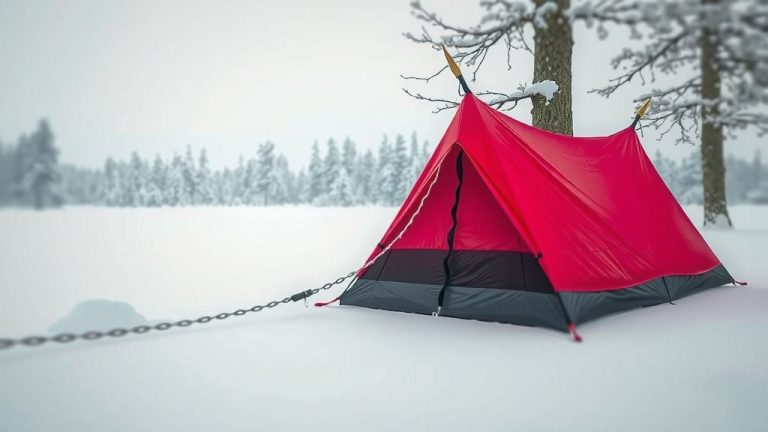
Tents are designed for modern outdoor living. They come in a dizzying array of shapes and sizes, from tiny one-person pods to spacious family domes. Their primary goal is to keep you dry and protected from the elements, no matter what nature throws at you.
Structure and Design
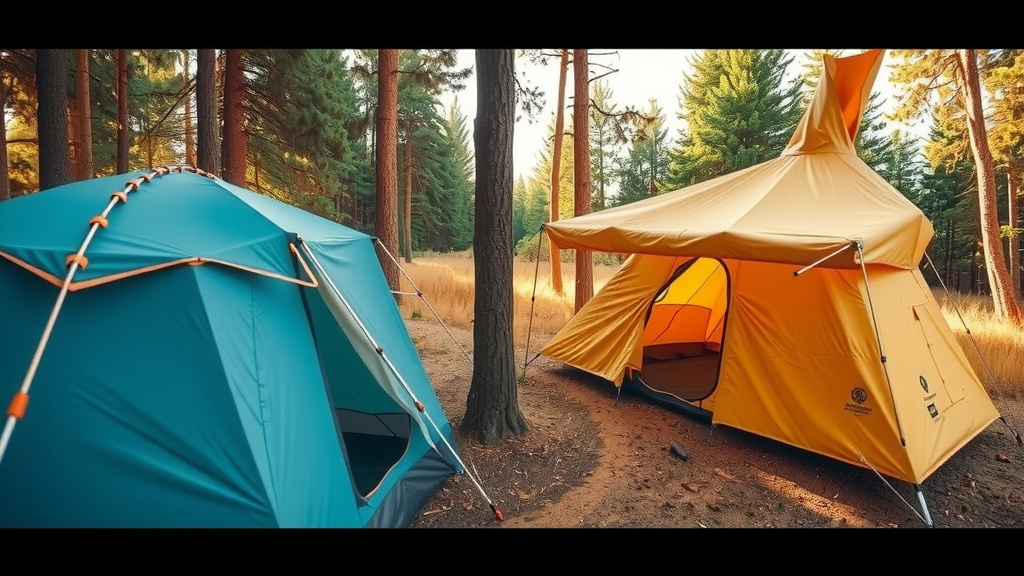
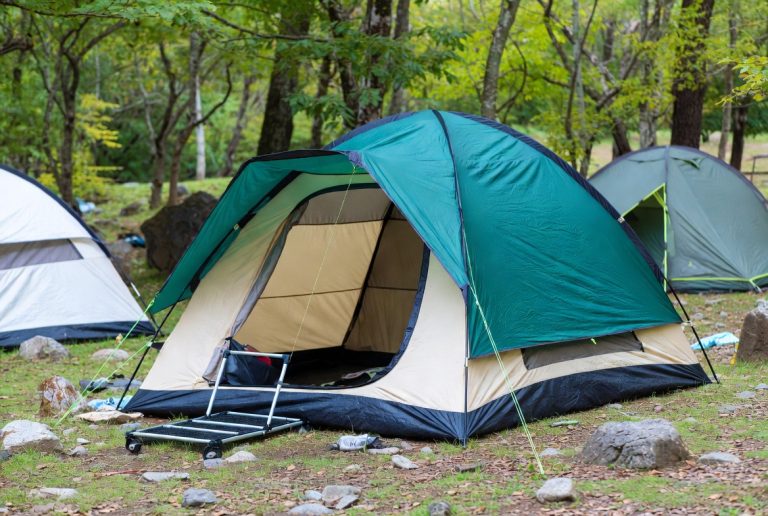
Most tents use poles to create a frame. This frame supports the fabric and gives the tent its shape. They typically have a waterproof rainfly that drapes over the main tent body. This design is excellent at shedding rain and snow away from your sleeping space. Many tents also feature mesh windows and doors for ventilation, helping to prevent condensation buildup inside (National Park Service).
Portability and Ease of Use
When we talk about portability, tents shine. They pack down relatively small and are designed for easy setup. You can often pitch a tent in under 15 minutes, even if you’re a beginner. This makes them ideal for backpacking, where every ounce counts, or for setting up camp quickly after a long day of hiking.
The Alluring Teepee: A Touch of Tradition
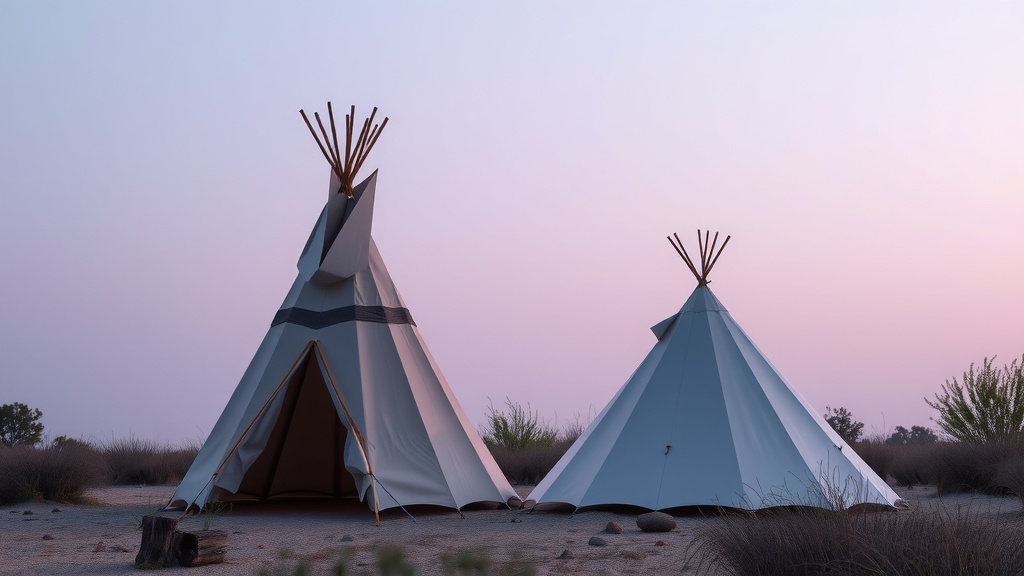
Teepees, or tipis, have a rich history rooted in the nomadic cultures of the Great Plains. Their conical shape isn’t just for looks; it’s incredibly functional. Modern teepees often adapt this classic design for contemporary camping needs, offering a unique and spacious shelter.
Unique Shape and Ambiance
The tall, conical shape of a teepee creates a feeling of openness. There’s no central pole in the middle of your living space, giving you a much larger usable area than a similarly sized tent. This open design can feel less confining and more like a cozy, communal hub. The unique aesthetic also adds a certain charm to your campsite.
Ventilation and Durability
Traditional teepees were designed to withstand harsh weather. The sloping sides are excellent at deflecting wind, and the single central pole is surprisingly stable. Many modern versions include a smoke flap at the top. While you might not be building a fire inside a modern teepee, this flap can be opened for incredible ventilation on warm days. We found this feature particularly useful for reducing heat buildup.
Key Differences at a Glance
Let’s break down the core distinctions you’ll encounter when choosing between these two iconic shelters. It’s not just about looks; it’s about function and how you plan to use your camping gear.
Setup and Stability
Tents generally rely on a network of poles and stakes to create a sturdy structure. While this can sometimes be a bit complex with many poles, modern designs have simplified this process. Teepees, especially traditional ones, use a collection of long poles that lean against each other. You then drape the fabric over this frame and secure it with ropes and stakes. Many campers find teepees to be very stable once set up, especially in windy conditions, due to their aerodynamic shape.
Weather Resistance
Modern tents are engineered with advanced waterproof materials and sturdy designs to handle rain, wind, and even snow. Their rainflies are crucial for keeping moisture out. Teepees, with their steep sides, are inherently good at shedding rain and snow. However, the seal around the base can sometimes be an area where wind or moisture can enter if not properly managed. We’ve read that proper staking and a well-fitted groundsheet are important for teepee weatherproofing (U.S. National Park Service).
Interior Space and Layout
This is where teepees often win for sheer usable space. Because there are no internal poles dividing the room, the entire floor area is typically accessible. This makes them great for families or groups who want to spread out. Tents can sometimes feel cramped due to internal poles and sloped walls, especially in larger sizes.
Portability and Weight
For backpackers, this is a dealbreaker. Tents, especially those designed for hiking, are generally much lighter and pack down smaller than teepees. Teepees, particularly larger ones, can be quite heavy and bulky due to the number and length of poles required. They are often better suited for car camping or base camps where weight isn’t a primary concern.
Making Your Decision: A Quick Checklist
Still weighing your options? Let’s condense it down. Ask yourself these quick questions:
- How will you travel? Backpacking or car camping?
- What kind of weather do you expect? Heavy rain, strong winds, or mild conditions?
- How much space do you need inside? Solo trip or family gathering?
- What’s your budget? Both options offer a range, but quality varies.
- What aesthetic are you going for? Modern and functional, or rustic and traditional?
- How much time do you want to spend setting up? Quick and easy, or a bit more involved?
| Feature | Teepee | Tent |
|---|---|---|
| Best For | Car camping, group gatherings, unique aesthetic | Backpacking, various weather conditions, ease of transport |
| Setup Complexity | Can be more involved, but often stable once up | Generally simpler, especially modern designs |
| Interior Space | Very open and spacious, no central poles | Can be limited by internal poles and sloped walls |
| Weather Protection | Good wind resistance, steep sides shed rain/snow | Excellent, with advanced waterproof materials and rainflies |
| Portability | Often heavy and bulky | Designed for lighter weight and smaller pack sizes |
Conclusion
Choosing between a teepee and a tent comes down to your personal camping style and priorities. If you love spacious interiors and a unique, traditional aesthetic, a teepee might be your perfect car camping companion. For those prioritizing portability, quick setup, and all-around weather protection, a modern tent remains the reliable workhorse. Consider your typical camping environment and how much space you really need. Before your next trip, think about the core differences in setup, space, and portability. This will help you make the best choice for a comfortable and enjoyable outdoor experience.
Frequently Asked Questions
Are teepees good for car camping?
Yes, teepees are often ideal for car camping. Their bulkier nature and heavier weight are less of an issue when you can drive directly to your campsite. You can enjoy their spacious, open design without worrying about carrying them long distances.
Can tents handle heavy rain and wind?
Modern tents are engineered for excellent weather resistance. They typically feature waterproof materials and robust pole structures designed to shed rain and withstand strong winds, making them versatile for various conditions.
Which is easier to set up, a teepee or a tent?
Generally, modern tents are designed for quicker and simpler setup, especially for beginners. While teepees can be stable once erected, their pole arrangement might require a bit more initial effort and understanding than many contemporary tent designs.
Is a teepee more spacious than a tent?
Yes, teepees typically offer more usable interior space. Their conical shape and lack of internal poles mean the entire floor area is generally accessible and feels more open compared to many tents.
Which is better for backpacking, a teepee or a tent?
Tents are almost always better for backpacking. They are designed to be lightweight and pack down compactly, which are essential factors when you need to carry all your gear on your back for miles.
![7 Best Tent For 2 3 People [2026]](https://leonardhomeoutdoor.com/wp-content/uploads/2026/09/7-best-tent-for-2-3-people-2026-featured-768x432.jpg)
![7 Best Backpacking Tents [2026]](https://leonardhomeoutdoor.com/wp-content/uploads/2026/06/7-best-backpacking-tents-2026-featured-768x432.jpg)