
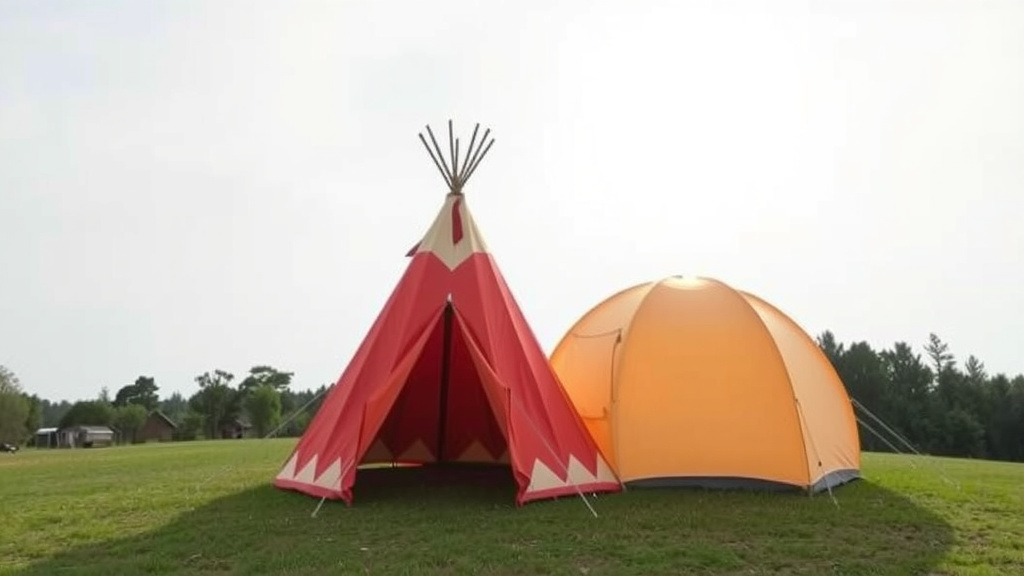
Teepee vs Dome Tent: Which Is Best for Camping
When choosing between a teepee tent and a dome tent, the teepee often wins for its unique style and spacious interior, while dome tents generally offer simpler setup and better weather resistance. It really comes down to what matters most for your camping trip.
We’ve looked at both designs, and each has its own set of pros and cons for different camping scenarios. Understanding these differences can help you pick the perfect shelter for your next outdoor adventure. Think about ease of setup, how much space you need, and the typical weather you’ll face.
- Teepee tents look cool and offer lots of headroom.
- Dome tents are usually easier and quicker to set up.
- Dome tents often handle wind and rain better. Consider our guide to budget waterproof tents if staying dry is a priority.
- Teepees might need a bit more practice to pitch perfectly.
- Your choice depends on your camping priorities.
Let’s break down the key differences between teepee tents and dome tents so you can make the best choice for your adventures.
“`htmlTeepee vs. Dome Tents: Your Next Shelter Choice
Deciding between a teepee tent and a dome tent can feel like picking a favorite camping spot. Both offer a roof over your head, but they do it in very different ways. You might wonder which one is truly the best for your next outdoor escape. We’ve looked closely at what each design brings to the table.
Let’s dive into the details to help you feel confident in your choice. It’s all about matching the tent’s strengths to your camping style and needs. Think about where you’ll camp and what kind of experience you’re hoping for.
Understanding the Teepee Tent Design
Teepee tents, also known as pyramid tents, are inspired by the traditional shelters of Native American Plains tribes. They typically feature a single central pole or a tripod of poles supporting a conical or pyramid-shaped fabric. This design creates a striking silhouette against the sky.
The shape isn’t just for looks; it significantly impacts the interior space and how the tent performs. This makes them a unique option for campers seeking something different.
The Pros of Going Teepee
One of the biggest draws of a teepee tent is the incredible interior volume. Because the walls slope outward from a central point, you get a lot of usable floor space and impressive headroom. You can often stand up and move around easily, which is a welcome change from cramped dome tents.
We found that many campers appreciate the open, airy feel. The spaciousness can make a big difference on longer trips or if you’re sharing the tent. It feels less like a confined box and more like a cozy, albeit temporary, dwelling.
Another benefit is their excellent stability, especially in windy conditions. The aerodynamic, sloped shape allows wind to pass over it more easily. When properly staked out, they can be very secure. Many designs use a single central pole, which simplifies the structural element to some extent.
Potential Teepee Drawbacks
While the unique design has its charms, it’s not without its challenges. Setting up a teepee tent can sometimes be more complex than a dome. You need to manage the central pole(s) and ensure the fabric is pitched evenly for optimal tension and stability.
We found that it often takes a bit more practice to get a teepee tent pitched perfectly. For beginners, this could mean a slightly frustrating first attempt. The large surface area, while good for wind, can also collect more snow or debris if you’re camping in less-than-ideal weather.
Storage can also be a consideration. Teepee tents can be bulky when packed down, especially those with larger central poles. You’ll need to ensure you have enough space in your vehicle.
Exploring the Dome Tent Design
Dome tents are the workhorses of the camping world. Their design relies on flexible poles that cross over the center, creating a rounded, dome-like structure. This self-supporting design is incredibly popular for a reason.
They come in all shapes and sizes, from small two-person models to larger family-sized versions. Their straightforward construction makes them a go-to for many campers.
Why Dome Tents Shine
The primary advantage of dome tents is their ease of setup. The pole system is usually intuitive, and many models can be pitched quickly, even by one person. You simply insert the poles into sleeves or clips, and the tent springs into shape. This is a huge plus after a long day of hiking or traveling.
We found that dome tents generally offer excellent weather protection. Their rounded shape helps shed rain and snow effectively. Many come with integrated rainflies that extend to the ground, providing a good barrier against wind and moisture. The lower profile also means they are less susceptible to strong gusts.
Another benefit is their lightweight and compact nature when packed. This makes them ideal for backpacking or when space is limited. You can often find models that pack down into a relatively small bag.
What Might Hold Dome Tents Back
While practical, dome tents often sacrifice interior space for their structural efficiency. The sloping walls mean you can’t always stand up fully, especially in smaller models. This can feel a bit restrictive, particularly if you plan to spend a lot of time inside the tent.
We’ve noticed that the crossing poles, while providing stability, can sometimes create awkward interior shapes. This might make organizing your gear a bit more challenging. It’s a trade-off for their portability and ease of pitching.
Ventilation can also be an issue in some dome tent designs. While many have mesh panels, the enclosed shape can sometimes lead to condensation buildup if not managed properly. Good airflow is key to a comfortable night’s sleep.
Head-to-Head: Key Differences Summarized
Let’s put the teepee and dome tents side-by-side. This comparison table should help clarify their strengths and weaknesses for your camping needs.
| Feature | Teepee Tent | Dome Tent |
|---|---|---|
| Setup Ease | Can be more complex, requires practice. | Generally very easy and quick. |
| Interior Space | Spacious, excellent headroom. | Can be more cramped, sloping walls. |
| Wind Resistance | Aerodynamic, very stable. | Good, especially lower profile models. |
| Portability | Can be bulkier when packed. | Often lightweight and compact. |
| Style | Unique, distinctive aesthetic. | Classic, functional design. |
| Cost | Can vary widely, sometimes higher for premium models. | Generally more affordable options available. |
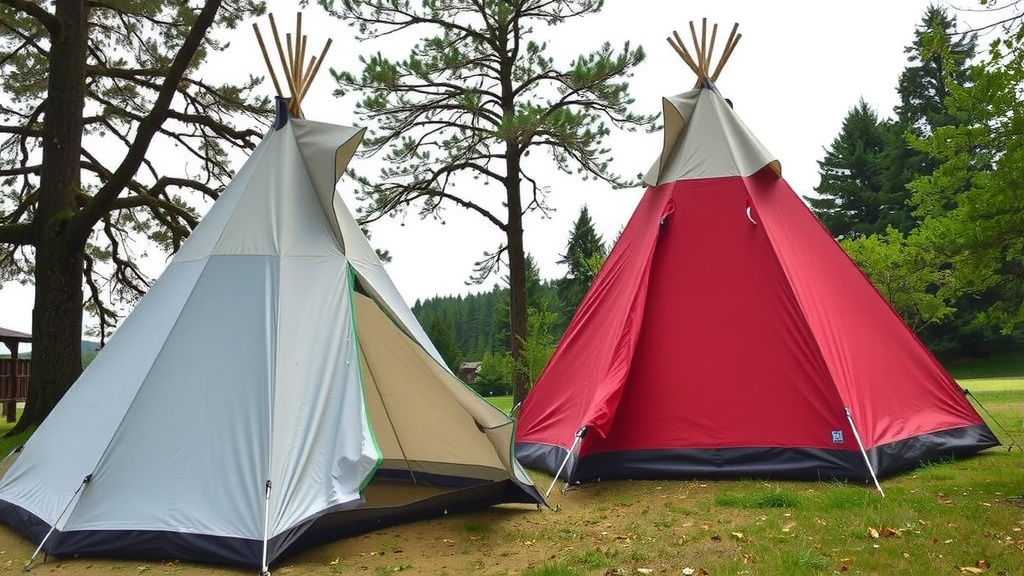
Who is Each Tent Best For?
Choosing the right tent depends heavily on your personal camping preferences. Are you a weekend warrior or a seasoned adventurer? Your answer can guide your decision.
The Teepee Tent Enthusiast
A teepee tent might be perfect for you if you value ample living space inside your shelter. Campers who enjoy car camping, glamping, or spending extended periods at their campsite will love the roominess. It’s also a great choice if you want a tent that stands out from the crowd.
If you don’t mind a slightly longer setup time and are looking for a tent that feels more like a cozy cabin, a teepee is worth considering. Many experts point to the teepee’s ability to handle strong winds as a significant advantage for exposed campsites (National Park Service).
The Dome Tent Devotee
If speed and simplicity are your top priorities, the dome tent is likely your best friend. Backpackers, festival-goers, and anyone who wants to get their campsite set up quickly will appreciate its ease of use. It’s also the go-to for those who frequently camp in varied weather conditions and need reliable protection.
Dome tents are incredibly versatile. They are fantastic for short trips, family camping, and situations where you might need to move camp frequently. Their widespread availability also means you can find a wide range of price points to fit your budget.
A Quick Checklist for Your Decision
To help you finalize your choice, ask yourself these questions:
- How important is interior headroom to you?
- How much time are you willing to spend setting up camp?
- What kind of weather do you typically encounter?
- Will you be car camping or backpacking?
- Is a unique aesthetic a priority, or is pure function key?
- What’s your budget for a new tent?
Conclusion
You’ve now seen how teepee and dome tents stack up. Teepees offer that amazing headroom and unique style, perfect for car camping where space is key. Dome tents, on the other hand, are your champions for quick setups and reliable weather protection, making them ideal for backpacking or unpredictable conditions. We found both have their place in the camping world. Your next step? Think about your camping style. Will you prioritize that spacious interior or the effortless setup? Choose the tent that best matches your adventure priorities and get ready for your next outdoor escape.
Frequently Asked Questions
Are teepee tents good for beginners?
Teepee tents can be a bit more challenging for absolute beginners. Their setup often requires managing a central pole and ensuring even tension across the fabric. While rewarding once mastered, a dome tent typically offers a simpler, quicker learning curve for your first camping trips.
Which tent is better for strong winds, teepee or dome?
Teepee tents generally have an edge in strong winds due to their aerodynamic, sloped design that allows wind to flow over them more easily. When properly staked, their structure is very stable. Dome tents, especially those with a lower profile, also handle wind well but can sometimes catch more direct force.
Can you stand up inside a dome tent?
Whether you can stand up in a dome tent depends on the size and specific design. Smaller dome tents often have sloping walls that prevent full standing height, even in the center. Larger family dome tents may offer more headroom, but it’s less common than in a teepee tent.
Which type of tent is lighter to carry for backpacking?
Dome tents are typically lighter and more compact when packed, making them the preferred choice for backpackers. Their pole systems are often lighter materials, and the overall design lends itself to efficient packing. Teepee tents, especially larger ones, can be bulkier due to their central pole structure.
How do teepee tents handle rain compared to dome tents?
Both types of tents can offer good rain protection. Dome tents usually feature integrated rainflies that extend to the ground, providing an excellent barrier. Teepee tents, with their sloped walls, are naturally good at shedding rain. Ensure any tent you choose has good seam sealing and a robust waterproof fly.
![7 Best Large Pop Up Tent [2026]](https://leonardhomeoutdoor.com/wp-content/uploads/2026/08/7-best-large-pop-up-tent-2026-featured-768x432.jpg)
![7 Best Air Tent Electric Pump [2026]](https://leonardhomeoutdoor.com/wp-content/uploads/2026/07/7-best-air-tent-electric-pump-2026-featured-768x432.jpg)