
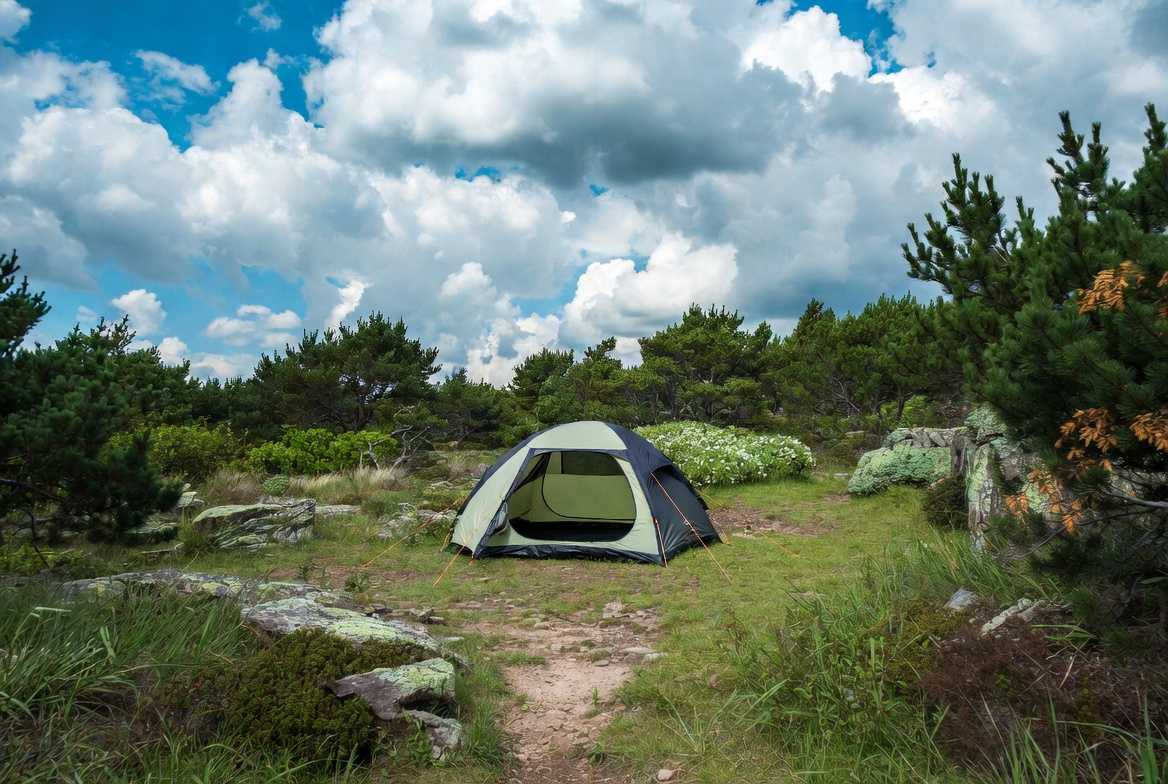
Ozark vs Core Tent: Finding the Best Value for Your Money
When you’re standing in the camping gear aisle or scrolling through online retailers, trying to decide between an Ozark Trail tent and a Core Equipment tent, you’re facing a choice that matters more than you might think. Your tent is basically your home away from home—it’s the difference between waking up refreshed and ready to explore, or waking up damp, uncomfortable, and regretting your purchase. So let’s dig into what makes these two popular budget-friendly tent brands different and help you figure out which one actually deserves a spot in your camping gear collection.
Understanding the Budget Tent Market
Before we jump into the specifics of Ozark and Core tents, let me paint a quick picture of where these brands fit in the camping world. You’ve got your ultra-premium options like Big Agnes and MSR, which can run you a thousand dollars or more. Then you’ve got your middle-ground brands. But at the affordable end of the spectrum, you’ll find Ozark Trail and Core Equipment—both companies that prove you don’t need to mortgage your house to get a decent tent.
The beauty of this market segment is that it’s become incredibly competitive. Manufacturers are forced to innovate and improve their products just to stay relevant. That’s good news for you because it means you’re getting better quality tents for less money than ever before.
What is Ozark Trail?
Ozark Trail is actually Walmart’s in-house camping brand. Now, before you roll your eyes, hear me out. They’ve been around since the late 1990s, and over the years, they’ve built a reputation for producing surprisingly solid gear at genuinely low prices. Think of it like the private label groceries at your supermarket—sometimes they’re just as good as the name brands, but you pay less because you’re cutting out the middle distributor markup.
Ozark Trail tents come in a huge range of styles and sizes. Whether you want a tiny solo backpacking tent or a massive family glamping setup, they’ve got options. Their strength is really in their breadth of selection and their price point, which typically ranges from around thirty dollars for small pop-ups to a few hundred for their larger family models.
Popular Ozark Trail Tent Models
Some of their bestsellers include the Ozark Trail 4-Person Dome Tent, which is probably their most recognizable option, and the Ozark Trail 8-Person Cabin Tent, which sits somewhere between a traditional tent and actual cabin camping. They also make some decent backpacking-specific models, though these aren’t as heavily marketed as their family camping options.
What is Core Equipment?
Core Equipment is a more specialized brand that focuses primarily on outdoor gear and camping equipment. While they’re not as ubiquitous as Ozark Trail—you won’t find them at every big-box retailer—they’ve developed a loyal following among serious hobbyist campers. They’re distributed through specialty outdoor retailers and online platforms, which gives them a bit more of an “adventurer’s choice” vibe.
Core Equipment tends to position itself as a step up from the absolute budget end, though they still keep prices reasonable. Their tent designs feel a bit more thoughtful, and they seem to put extra consideration into things like ventilation, stitching quality, and weather resistance.
Core Equipment’s Product Range
Their lineup includes options for everything from solo backpacking to family camping, but they seem to focus more heavily on the serious camper segment. You’ll find lightweight backpacking tents, four-season mountaineering options, and durable family tents. Their pricing typically ranges from about one hundred fifty dollars for basic models up to several hundred for their premium offerings.
Head-to-Head: Material Quality and Durability
Fabric Composition
Here’s where things get interesting. Both brands use polyester fabrics for their tent bodies, which is industry standard at this price point. Polyester is decent—it’s affordable, it holds up reasonably well over time, and it doesn’t degrade as quickly in sunlight as nylon does. However, Core Equipment often uses slightly higher denier (thicker, stronger) fabrics than Ozark Trail, which means they might hold up a bit better to the bumps and scrapes of real-world camping.
The floor materials tell a similar story. Both use polyethylene or similar plastic-based materials for the tent floor, which makes sense because you need something waterproof that can handle sitting on the ground. Core Equipment’s floors tend to be a touch thicker, which could mean longer lifespan, but both will eventually wear through if you use them heavily enough.
Stitching and Sealing
Stitching quality is crucial because a bad seam is where water sneaks in and ruins your trip. Ozark Trail’s stitching is… acceptable. It’s mostly straight and consistent, and their tents don’t seem to have unusually high failure rates related to seam problems. However, Core Equipment generally has neater, more consistent stitching, and they typically apply seam sealing more thoroughly out of the box, whereas with Ozark Trail, you might want to add your own seam sealer for extra protection.
Weather Performance: Keeping You Dry
Water Resistance Testing
Let’s talk about what happens when the sky opens up. Both brands use the hydrostatic head measurement to rate water resistance. Basically, this is how much water pressure the fabric can handle before it starts leaking through. Most Ozark Trail tents have ratings in the 1000-2000mm range, which is decent for light camping but might leave you concerned during a real downpour.
Core Equipment tents often come in at 2000mm and above for their floor materials, with even higher ratings for their rainfly protection. Is this a huge practical difference? Not always, but it gives you a bit more confidence if you’re camping during questionable weather.
Ventilation Systems
Here’s something that might surprise you: a tent that’s too waterproof can actually become your enemy. When you breathe, cook, or just exist inside your tent, you create moisture. If that moisture can’t escape, it condenses on the walls and suddenly everything feels wet even though it’s not actually raining. This is called interior condensation, and it’s miserable.
Ozark Trail tents have pretty basic ventilation—usually a single vent or mesh panel. This works fine for dry conditions but can be problematic in humid environments or cold nights when condensation is likely. Core Equipment tents typically have more sophisticated ventilation designs with multiple vents positioned to create better air circulation. It’s a small difference that you’ll really notice on a multi-day trip.
Design and Livability
Interior Space and Layout
Ozark Trail tends toward dome and cabin-style designs. These shapes are efficient to manufacture, which helps keep costs down. Dome tents give you a circular interior space, while their cabin tents provide more of a rectangular floor plan. The cabin-style tents are genuinely nice for family camping because they feel less cramped and give you better headroom.
Core Equipment offers similar variety, but they’ve invested more in optimizing the interior layout. Their designs tend to position storage pockets more intuitively, they include gear loops at better heights, and the overall feel is more intentional. It might sound like marketing speak, but when you’re actually camping, these details matter.
Entrances and Zippers
Let’s be honest—zippers are crucial, and cheap zippers are the worst. Both brands have had issues here historically, but modern versions seem to be improving. Ozark Trail zippers are functional but occasionally sticky or prone to jamming. Core Equipment zippers feel slightly smoother in my experience, and they’re less likely to catch fabric.
The number of entrances also differs. Many Ozark Trail tents come with a single entrance, which is fine until you’re camping with a partner and one of you needs to get out without waking the other. Core Equipment’s family tents more often include multiple entrances, which is genuinely helpful in real-world camping situations.
Setup Difficulty and Included Components
Pole Systems
Ozark Trail uses simple, lightweight pole systems that are generally easy to understand and assemble. Color-coded poles or straightforward designs mean you can usually get your tent up in five to ten minutes, even if you’re doing it in fading light. This accessibility is actually a strength—camping shouldn’t feel intimidating.
Core Equipment’s poles are similarly straightforward, but they sometimes use more advanced pole geometries that might take a few extra minutes to figure out the first time. Once you’ve set it up once though, it becomes second nature.
What’s Included in the Box
This is where budgets really show their differences. Ozark Trail tents typically come with essential components—the tent body, poles, stakes, and sometimes a carry bag. They don’t usually include extras like footprints, additional stakes, or repair kits. That’s not necessarily bad—it keeps the price low—but you’ll probably end up buying some of these items separately.
Core Equipment tents often come with more complete packages. You might get better quality stakes, guylines, a footprint, or other accessories included. It’s not always the case, but it’s more common than with Ozark Trail.
Price Comparison and Value
Entry-Level Models
If you’re looking for the absolute cheapest option to test whether camping is even for you, Ozark Trail wins. You can get a functional 2-3 person tent for under fifty dollars. Core Equipment’s entry-level offerings start around one hundred fifty dollars. That’s a meaningful difference if you’re just dipping your toes into camping.
Family Tent Options
For a family-sized tent (4-8 person capacity), you’re looking at one hundred to three hundred dollars for Ozark Trail and two hundred to five hundred dollars for Core Equipment. When you do the math on price per square foot of floor space, the difference narrows considerably. You’re not necessarily paying twice as much with Core—you’re getting more tent for not that much extra money.
Long-Term Cost of Ownership
Here’s where value gets interesting. A cheap tent that falls apart after two seasons isn’t actually cheap—it’s expensive. If you’re someone who camps multiple times per year and your gear sees real use, Core Equipment’s typically longer lifespan might actually save you money in the long run. You might pay more upfront, but you’re replacing it less frequently. That’s not to say Ozark Trail tents are junk—many people use them for years—but statistically, Core Equipment products tend to last longer.
Customer Reviews and Real-World Feedback
Let me tell you what actual users are saying. Ozark Trail tents get thousands of reviews, and honestly, they’re mixed but generally positive. People love the value and the variety. Common complaints include that seams leak without extra sealing, zippers can be finicky, and some models have durability issues after a season or two of heavy use. But you also see plenty of reviews from people who’ve been using the same Ozark tent for five years without problems.
Core Equipment reviews tend to be consistently more positive, with fewer complaints about durability and weather resistance. People seem willing to pay more because the tent meets their expectations and holds up well. The trade-off is that if something does go wrong, Core equipment is less widely available for returns and warranty service since it’s not sold at big retailers like Walmart.
Special Use Cases: Which Tent Wins?
For Casual Summer Camping
If you’re planning a few weekends per year in nice weather, Ozark Trail is perfectly fine. You don’t need premium weather protection or ultralight gear. Save your money and enjoy your camping experience. The budget brand will handle dry conditions and mild weather without any problem.
For Serious Backpacking
If you’re planning multi-day trips into the backcountry, Core Equipment is the safer choice. Their lighter weight options and better weather sealing will make a real difference when you’re miles from your car. Ozark Trail makes backpacking tents, but they’re not quite optimized the same way.
For Family Car Camping
This is honestly a toss-up, and it depends on your priorities. If you have young kids who are just getting into camping, Ozark Trail’s family tents offer great value and impressive capacity for the price. If you camp frequently and want something that will definitely make it through five years of family trips, Core Equipment is the smarter investment.
For Base Camp or Festival Camping
Neither brand is really optimized for this use case, but Ozark Trail’s larger cabin tents are actually pretty decent if you’re setting up a semi-permanent camp and weight isn’t a concern.
Warranty and Customer Service
Ozark Trail’s warranty is handled through Walmart, and honestly, it’s pretty straightforward. You can return or exchange items at any Walmart, which is incredibly convenient. However, they’re not known for going above and beyond on warranty claims. Core Equipment, being distributed through specialty retailers, often has better customer service relationships, though returns can be a bit more complicated.
Conclusion
So which tent should you choose? Here’s the honest answer: it depends on your camping style and budget. If you’re looking for maximum value on a tight budget, want variety in options, and plan to use your tent a few times per year in reasonable weather, Ozark Trail is genuinely a solid choice. You’ll be fine, and you’ll save money.
If you’re a more serious camper, plan to use your tent frequently, or anticipate encountering challenging weather conditions, Core Equipment is worth the premium price. You’ll get better weather protection, slightly better materials, more thoughtful design, and generally better longevity.
Think of it this way: Ozark Trail is like buying a decent used car that gets you where you need to go. Core Equipment is like buying a new car with a warranty. Both work, but which one feels right for your situation? Only you can answer that. Whatever you choose, the important thing is that you get outside and camp. Don’t let analysis paralysis keep you sitting on the couch when you could be under the stars.
Frequently Asked Questions
Are Ozark Trail tents waterproof?
Ozark Trail tents have a hydrostatic head rating that makes them water-resistant, but “waterproof” is a strong term. They’ll handle light rain and typical camping conditions fine, but in heavy downpours, especially if you haven’t applied extra seam sealer, you might experience some seeping. Most users recommend sealing the seams yourself for extra protection, which is an inexpensive upgrade that makes a real difference.
How long do Core Equipment tents typically last?
With proper care and maintenance, Core Equipment tents commonly last five to ten years or more, even with regular use. This is notably longer than the three to five years you might get from an Ozark Trail tent with similar usage patterns. Factors like storage conditions, how often you use it, and whether you maintain the tent properly all affect lifespan.
Which brand is better for beginners?
Ozark Trail is better for absolute beginners on a budget because it’s affordable enough that making a mistake doesn’t feel catastrophic. Core Equipment is better for beginners who are committed to camping and want to invest in gear that will grow with them as they develop their camping skills.
Can you use either tent in winter camping?
Neither brand specializes in winter camping, but Core Equipment makes some four-season tents that can handle winter conditions better than Ozark Trail’s offerings. If winter camping is on your agenda, you’d probably need to look at more specialized brands, though Core Equipment gets you closer to that capability than Ozark Trail does.
What’s the best way

![7 Best Budget Rooftop Tent [2026]](https://leonardhomeoutdoor.com/wp-content/uploads/2026/08/7-best-budget-rooftop-tent-2026-featured-768x432.jpg)