
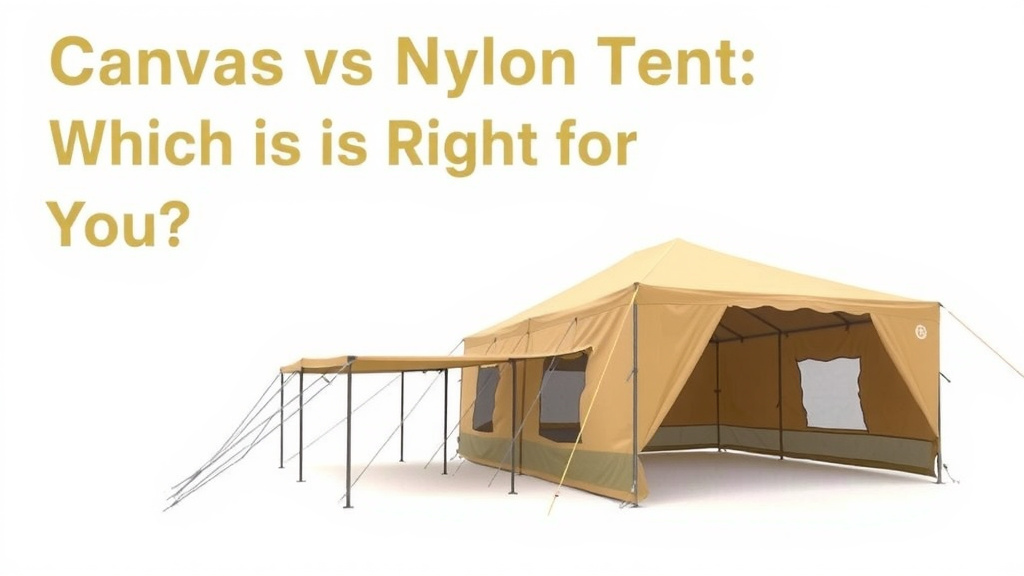
Canvas vs Nylon Tent: Which is Right for You
When choosing between a canvas tent and a nylon tent, canvas usually wins for durability and a classic camping feel. Nylon tents are often lighter and more budget-friendly. Your best bet depends on whether you prioritize longevity and breathable comfort or ease of transport and cost.
We found that canvas offers superior weather resistance and natural insulation, making it great for extended trips. Nylon, while less robust, is a popular choice for backpacking due to its lightweight nature and packability. Think about your camping style and what matters most for your adventures.
- Canvas: Durable, breathable, good insulation, classic feel.
- Nylon: Lightweight, packable, often more affordable.
- Canvas is great for car camping or longer stays.
- Nylon excels for backpacking and quick trips.
- Your choice depends on your priorities.
Let’s dive into the details of each to help you decide which material is the perfect fit for your next outdoor escape.
Weighing Your Tent Material Options: Canvas vs. Synthetic
Choosing the right tent material is a big decision for any camper. You’re probably wondering if a classic canvas tent or a modern nylon one will better suit your adventures. We’ve looked into this extensively, and the answer really depends on what you value most in your shelter.
Think of it like this: your tent is your home away from home in the wild. You want it to be comfortable, protective, and reliable, right? Both canvas and nylon aim to do that, but they go about it in very different ways. Let’s break down what makes each material unique and help you pick the winner for your camping style.
Understanding the Strengths of Canvas Tents
Canvas tents have been around for a long time, and for good reason. They offer a certain charm and performance that many campers still swear by. We found that canvas excels in a few key areas.
The Durability Factor
When we talk about durability, canvas really shines. It’s made from heavy-duty cotton or linen fabric. This material is naturally tough and can withstand a lot of wear and tear. It’s less likely to rip or tear compared to thinner synthetic fabrics. Many experts suggest that a well-maintained canvas tent can last for decades (U.S. Forest Service).
Breathability and Comfort
One of the biggest perks of canvas is its breathability. Unlike nylon, cotton fabric allows air to pass through. This helps to reduce condensation inside your tent. You’ll notice less of that “clammy” feeling, especially during humid weather or when you’re breathing inside. This natural ventilation makes for a much more comfortable sleeping environment.
Natural Insulation Properties
Canvas also provides excellent natural insulation. It keeps things cooler in the summer and warmer in the winter. When it rains, the fabric actually swells slightly, making it even more waterproof. This natural ability to regulate temperature is a huge advantage for longer camping trips. We found that this leads to a more peaceful night’s sleep, no matter the season.
The Classic Camping Vibe
There’s no denying the classic aesthetic of a canvas tent. They have a nostalgic feel that many campers love. If you enjoy a more traditional camping experience, canvas tents definitely deliver that authentic, rustic charm.
Exploring the Benefits of Nylon Tents
Nylon tents have become incredibly popular over the years. Their rise is largely due to their lightweight nature and affordability. For many campers, these are key selling points.
Lightweight and Packable Design
The primary advantage of nylon is its weight. It’s significantly lighter than canvas. This makes it ideal for backpacking and any activity where you need to carry your gear long distances. Nylon tents pack down small, taking up less space in your backpack. This portability is a game-changer for hikers and trekkers.
Budget-Friendly Options
Generally, you’ll find that nylon tents are more budget-friendly than their canvas counterparts. This makes them an accessible option for beginner campers or those on a tighter budget. You can often get a very capable nylon tent for a fraction of the cost of a similar-sized canvas tent.
Water Resistance and Quick Drying
Modern nylon fabrics are treated with waterproof coatings, making them highly water-resistant. They also dry much faster than canvas. This is a big plus if you’re camping in wet conditions and need to pack up quickly. We found that the quick-drying aspect is super convenient.
Ease of Maintenance
Nylon is generally easier to care for than canvas. It doesn’t require the same level of seasoning or special cleaning products. A simple wipe-down is often all that’s needed. This ease of maintenance appeals to campers who want a low-fuss experience.
Head-to-Head Comparison: Key Differences
To help you visualize the choice, let’s lay out the main differences side-by-side. Think about which of these points matters most for your trips.
| Feature | Canvas Tent | Nylon Tent |
|---|---|---|
| Durability | Excellent; resistant to punctures | Good; can be prone to rips without care |
| Weight | Heavy | Lightweight |
| Breathability | High; reduces condensation | Lower; can trap moisture |
| Water Resistance | Excellent; swells when wet | Very good; relies on coatings |
| Insulation | Natural; better temperature regulation | Minimal; relies on layers |
| Packability | Bulky | Compact |
| Cost | Higher initial investment | More affordable |
| Maintenance | Requires more care (drying, seasoning) | Lower maintenance |

Making Your Final Decision: What’s Right for You?
So, which tent material should you choose? We believe the best way to decide is to consider your typical camping habits.
When to Choose Canvas
Canvas is often the top pick for car camping or setting up a base camp for an extended period. If you’re not carrying your tent far and prioritize comfort, durability, and a classic feel, canvas is likely your winner. It’s fantastic for families who want a cozy, home-like feel at the campsite. Think about those cool autumn evenings where the canvas keeps you snug.
When to Opt for Nylon
Nylon is the undisputed champion for backpacking, thru-hiking, and any adventure where minimizing weight is essential. If you need a tent that’s easy to pack, set up quickly, and won’t weigh you down, nylon is the way to go. It’s also a great choice for weekend warriors or those who camp in varied weather and need a fast-drying option.
Your Tent Checklist
Before you make your final choice, let’s run through a quick checklist to ensure you’re considering all the important factors:
- How far will you carry your tent?
- What kind of weather do you usually camp in?
- How important is weight and packability to you?
- What’s your budget for a new tent?
- Do you prefer natural materials or modern synthetics?
- How much time are you willing to spend on tent maintenance?
Conclusion
Choosing between a canvas and nylon tent boils down to your personal camping priorities. If you value long-term durability, superior weather protection, and a cozy, breathable shelter for car camping or extended stays, canvas is likely your best bet. For those who need to save weight, pack light for backpacking adventures, or seek a more budget-friendly option, nylon offers excellent portability and quick-drying performance. Consider your typical trips, how far you’ll carry your gear, and the conditions you usually camp in. Your ideal tent awaits based on what matters most to your outdoor experiences!
Frequently Asked Questions
Can a canvas tent get wet?
Yes, a canvas tent can get wet, but it’s designed to handle moisture. When canvas gets wet, the fibers swell, which actually makes the material more waterproof. It’s crucial to dry it completely before storing to prevent mildew and damage.
How do I clean a canvas tent?
You can typically clean a canvas tent with mild soap and water. Avoid harsh chemicals or abrasive cleaners. For tougher stains, you might need a specialized canvas cleaner. Always rinse thoroughly and let it air dry completely.
Is nylon or canvas better for rain?
Both materials offer good rain protection, but in different ways. Canvas swells when wet for increased waterproofing and is breathable, reducing condensation. Nylon relies on waterproof coatings, which can eventually wear off, but it dries much faster and is lighter.
Will a canvas tent be too hot in summer?
Canvas offers natural breathability and insulation, which can help keep you cooler in summer than you might expect compared to some synthetics. Proper ventilation with windows and doors is still key for comfort during hot weather camping.
Are canvas tents heavy to transport?
Yes, canvas tents are significantly heavier than nylon tents. This makes them less ideal for activities like backpacking where you carry everything yourself. They are best suited for car camping or situations where you don’t need to move them far once set up.


![7 Best Cat Tent [2026]](https://leonardhomeoutdoor.com/wp-content/uploads/2026/08/7-best-cat-tent-2026-featured-768x432.jpg)
![7 Best Roof Top Tent For Subaru Crosstrek [2026]](https://leonardhomeoutdoor.com/wp-content/uploads/2026/09/7-best-roof-top-tent-for-subaru-crosstrek-2026-featured-768x432.jpg)