Tent Site vs Campsite: What’s the Difference
When you’re planning a trip, understanding the difference between a tent site and a campsite is key. A tent site is specifically designated for pitching a tent, often with minimal amenities, while a campsite is a broader term that can include sites for RVs, cabins, or primitive camping, and generally offers more facilities. The best choice depends entirely on your comfort level and planned activities.
We found that while a tent site focuses solely on providing a place to sleep under canvas, a campsite often means a more developed outdoor living space. Many campsites offer features like picnic tables, fire rings, and access to restrooms or showers. Knowing this distinction helps you book the right spot for your next adventure.
- Tent sites are basic spots for tents only.
- Campsites are broader and can host various camping types.
- Campsites often have more amenities like tables and fire pits.
- Your choice depends on your comfort and needs.
Let’s break down what each type of camping spot typically offers so you can make the best decision for your outdoor getaway.
So, you’re ready for an outdoor adventure! That’s fantastic. Picking the right spot to rest your head is part of the fun. You’ve probably seen terms like “tent site” and “campsite” when booking. They sound similar, right? But they can mean quite different things. Let’s clear up the confusion so you get exactly what you’re looking for.
Understanding Your Outdoor Overnight Options
Choosing between a tent site and a campsite comes down to your comfort and what you plan to do. We’ve found that people often use these terms interchangeably, which can lead to surprises.
What Exactly is a Tent Site?
Think of a tent site as a dedicated patch of ground for your tent. It’s a straightforward place to pitch your shelter. You’ll usually find these at campgrounds or parks that cater to tent campers. The focus here is simplicity. It’s all about having a designated area to sleep under the stars, keeping things basic and often more affordable.
Key Features of Tent Sites
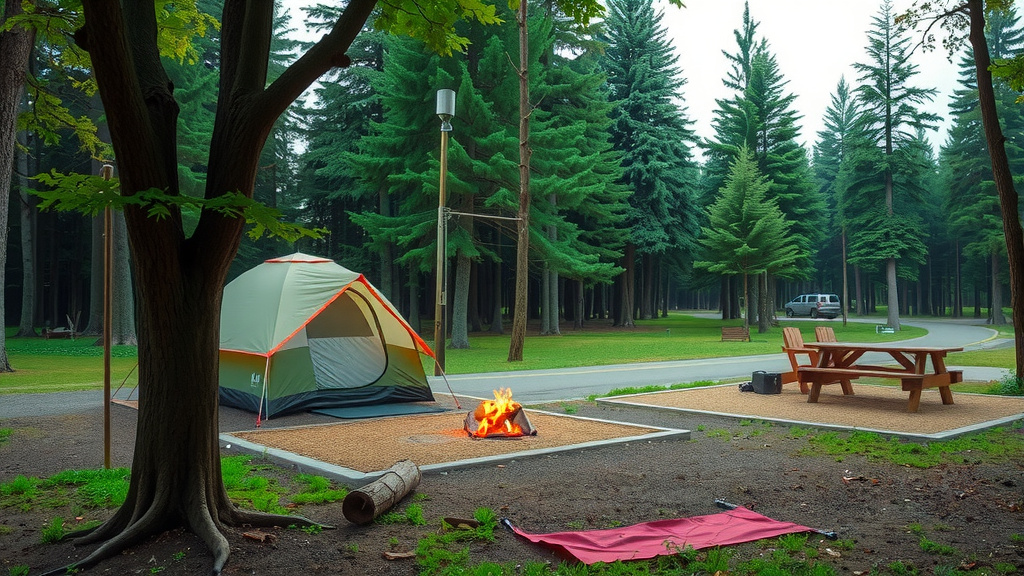
What can you expect? Typically, a tent site provides a flat, cleared area. Sometimes it’s a simple gravel or dirt pad. You might also get a small picnic table and a fire ring or pit. That’s often the extent of the amenities. Some very basic sites might not even have a table. Always check the campground’s description.
The Appeal of Simplicity
Why choose a tent site? Many campers love the closer connection to nature. It feels more primitive and authentic. You’re not surrounded by RVs or hard infrastructure. It’s just you, your tent, and the great outdoors. We found that for backpackers or those on a budget, tent sites are often the best and only option.
What is a Campsite?
A campsite is a broader term. It generally refers to any designated area for camping. This can include spots for tents, but it also commonly covers areas for RVs, campervans, or even small cabins. Campsites are usually found in more developed campgrounds.
Amenities You Might Find at a Campsite
Campsites tend to come with more comforts. Besides a place to pitch your tent or park your vehicle, you’ll often find a picnic table and a fire ring. Many offer access to restrooms and sometimes even showers. Some of the more developed campsites might also have potable water spigots nearby and even electricity hookups. These conveniences can make a big difference in your camping experience. Our guide to cabin style tents offers more details.
Types of Campsites
The term “campsite” can cover several kinds of spots:
- Tent Campsites: These are specifically for tents and often have the basic amenities mentioned for tent sites.
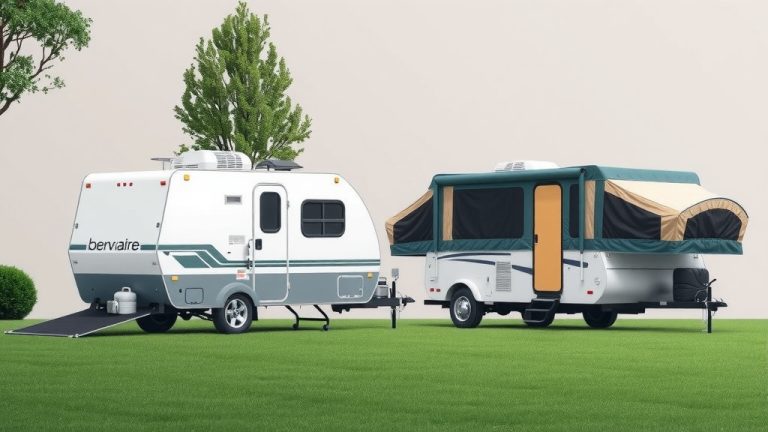
- RV Campsites: These are larger, paved, or level spots designed for recreational vehicles. They usually have hookups for water, electricity, and sometimes sewer.
- Cabin Rentals: Some campgrounds offer small cabins as an alternative to tents or RVs. These are fully developed camping sites.
- Primitive Campsites: These are very basic, often in more remote areas. They might have just a fire ring and little else. They blur the lines between a tent site and a natural setting.
Tent Site vs. Campsite: A Direct Comparison
Let’s break down the differences side-by-side. We’ve put together a quick comparison to help you decide.
| Feature | Tent Site | Campsite (General) |
|---|---|---|
| Primary Use | Pitching a tent only | Tents, RVs, vans, cabins |
| Amenities | Basic (table, fire ring) | More varied (table, fire ring, water, restrooms, showers, hookups) |
| Development Level | Usually more primitive, less developed | Can range from primitive to highly developed |
| Location | Often in dedicated tent areas or backwoods | Common in established campgrounds |
| Cost | Typically less expensive | Can vary widely, often more expensive for developed sites |
Who is a Tent Site Best For?
A tent site is perfect for the purist camper. If you enjoy sleeping close to the ground and don’t need many facilities, this is your spot. It’s ideal for solo adventurers, couples, or small groups who pack light and are comfortable with the basics. Backpackers often seek out primitive tent sites to minimize their impact and stay deep in nature.
Who is a Campsite Best For?
A campsite suits a wider range of campers. Families with children might prefer a campsite with access to restrooms and showers. RV owners will need an RV campsite with hookups. Even experienced campers might opt for a developed campsite for a weekend getaway where convenience is key. If you’re new to camping, a more developed campsite can offer a gentler introduction to the outdoors.
The Comfort Factor
We found that for many, the decision boils down to comfort. Do you mind walking to a shared restroom? Or do you prefer having facilities just steps away from your tent? There’s no right or wrong answer. It’s about what makes your camping trip enjoyable and stress-free. For instance, the American Camping Association (ACA) notes that access to amenities like clean restrooms significantly enhances the family camping experience.
Budget Considerations
Your wallet often plays a role, too. Generally, a basic tent site will cost less than a full-service RV campsite. If you’re on a tight budget, focusing on tent sites, especially primitive ones, can save you money. However, remember to factor in any additional costs for amenities you might need.
Making Your Choice: A Quick Checklist
Ready to book? Ask yourself these questions:
- How much gear are you bringing?
- Do you need hookups for electronics or an RV?
- How important are restrooms and showers to you?
- What’s your budget for the spot?
- Are you looking for a rustic experience or more convenience?
- What kind of activities do you have planned? (Some activities might be easier from a more developed campsite).
By answering these, you’ll steer yourself toward the perfect spot for your next outdoor escape. Both tent sites and campsites offer unique ways to enjoy the great outdoors. Knowing the difference helps ensure your adventure is everything you hoped for!
Conclusion
You’ve learned the key differences between a tent site and a campsite. A tent site is your basic spot for pitching a tent, often focusing on simplicity and a closer feel to nature. A campsite is a broader term, covering everything from RV spots to cabins, and usually includes more amenities for added comfort. Your ideal choice depends on your camping style, comfort needs, and budget. We found that by asking yourself a few simple questions about your trip, you can confidently pick the perfect place to rest.
So, before you book your next getaway, take a moment to consider these distinctions. Your next amazing outdoor adventure awaits!
Frequently Asked Questions
Can I set up an RV on a tent site?
Generally, no. Tent sites are specifically designed for tents only. RVs are much larger and require dedicated RV campsites that can accommodate their size and often need hookups for power and water.
Are tent sites always more affordable than campsites?
Typically, yes. Tent sites tend to be less expensive because they offer fewer amenities. More developed campsites, especially those with RV hookups or cabin rentals, will usually cost more.
What if I want a rustic experience but need a bathroom?
Look for “primitive campsites” within a larger campground. These are often tent-only spots that offer a more natural feel but still have access to shared restroom facilities that are maintained by the campground.
Do all campsites have fire rings and picnic tables?
Most developed campsites do, but it’s not guaranteed. Always check the campground’s specific listing or call ahead to confirm. Some very basic sites might only provide a flat area and nothing else.
Is a “campsite” a better choice for families with young children?
For families, a campsite with more amenities like restrooms and showers can definitely enhance the experience. It often provides a more comfortable and convenient stay, making it easier to manage the needs of younger campers.
![7 Best Affordable One Person Tent [2026]](https://leonardhomeoutdoor.com/wp-content/uploads/2026/06/7-best-affordable-one-person-tent-2026-featured-768x432.jpg)