Tent Camping vs Pop-Up Camper: Which Is Right For You
Choosing between tent camping and a pop-up camper really depends on what kind of adventure you’re craving. For ultimate simplicity and a true connection to nature, tent camping wins. If you want more comfort and protection from the elements without a huge investment, a pop-up camper offers a great balance. Both are fantastic ways to enjoy the outdoors!
Many campers ask about which option is “better.” We found that the best choice isn’t about one being superior, but rather which one fits your camping style and comfort needs. Tent camping is often the most budget-friendly way to get started. Pop-up campers provide a step up in amenities and can make longer trips more enjoyable for families.
- Tent camping is simple and close to nature.
- Pop-up campers offer more comfort and protection.
- Your personal preferences determine the best choice.
- Consider budget, desired amenities, and trip length.
Let’s dive in and help you decide which camping style is right for your next outdoor getaway.
Tent Camping vs. Pop-Up Campers: Which is Right for You?
Deciding between sleeping under the stars in a tent or enjoying the cozy shelter of a pop-up camper is a big question for many outdoor enthusiasts. We’ve looked at what makes each option special, and it really comes down to your personal camping goals. Tent camping offers an unparalleled connection to the natural world. Pop-up campers, on the other hand, provide a comfortable upgrade without the full commitment of a hard-sided RV.
Let’s break down the pros and cons of each to help you make an informed choice for your next adventure.
The Simplicity and Freedom of Tent Camping
Tent camping is often the gateway to outdoor exploration. It’s about packing light and immersing yourself directly in the environment. Think about waking up to the sounds of birds and feeling the morning dew on the grass. It’s an experience that’s hard to replicate.
Cost-Effectiveness and Accessibility
One of the biggest draws of tent camping is its affordability. You can get a decent, reliable tent for a few hundred dollars, or even less if you catch a sale. Add in a sleeping bag and a pad, and you’re set for many trips. This low barrier to entry makes it easy for families and individuals to start camping without a huge initial investment.
We found that the upfront cost for tent camping gear is significantly lower than for a pop-up camper. This means more money for campfire treats and national park passes!
Connection to Nature
When you’re in a tent, you are truly in nature’s embrace. You feel the wind, hear the rain drumming on the fabric, and see the stars more clearly. Many campers find this connection incredibly restorative.
Some research suggests that spending time in nature can **reduce stress** and improve overall well-being (National Library of Medicine). Tent camping maximizes this exposure. You’re not separated from the elements by thick walls.
Portability and Versatility
Tents are generally lightweight and pack down small. This makes them easy to transport in almost any vehicle, from a compact car to a large SUV. You can hike into remote campsites or set up a base camp anywhere you can legally pitch a tent.
This **portability** means you aren’t limited to established campgrounds with RV hookups. You can explore more rugged terrain and discover hidden gems. Your adventure isn’t dictated by where a large vehicle can go.
The Comfort and Convenience of Pop-Up Campers
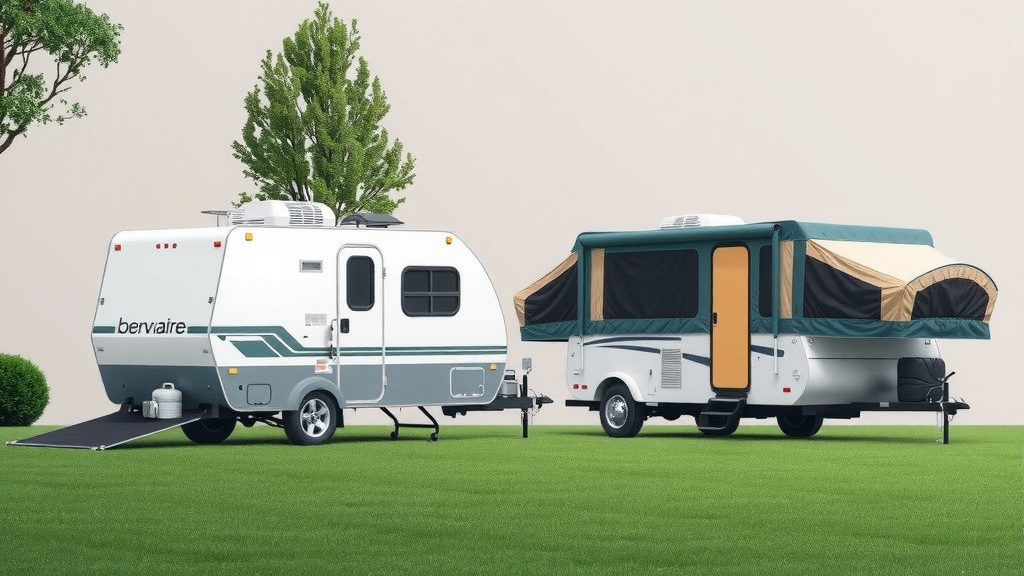
Pop-up campers, also known as tent trailers, offer a middle ground. They give you the canvas experience of a tent but with added comforts and protection. Imagine having a real bed and a bit more room to move around, especially if the weather turns sour.
Enhanced Comfort and Amenities
Pop-up campers come equipped with beds, often larger than a sleeping pad, and sometimes even small dinettes or kitchenettes. This means you don’t have to sleep on the ground, and preparing meals can be much easier. Many models have propane stoves, sinks, and even small refrigerators.
We found that families often prefer pop-ups because the beds are more comfortable, and there’s shelter from bugs and rain. It makes camping more accessible for those who might find sleeping on the ground challenging.
Protection from the Elements
While still a soft-sided structure, a pop-up camper provides better protection from rain, wind, and cold than a traditional tent. The fabric is often thicker, and the hard-sided base keeps you off the damp ground. Some models even offer heating options.
This **added protection** can make camping more enjoyable during shoulder seasons or in areas with unpredictable weather. You have a solid roof over your head, which makes a big difference during a storm.
Ease of Setup and Storage
Setting up a pop-up camper is typically easier than pitching a large family tent. Once you reach your campsite, you unlatch, crank it up, and set up the beds and any slide-outs. The process is often quicker than dealing with poles, stakes, and rainflies.
Storage is also more manageable. While they do take up more space than a tent, they are significantly smaller and easier to store than a full-sized RV. Many can fit in a standard garage or driveway.
Key Differences: A Side-by-Side Look
To help you visualize the distinctions, let’s compare them on a few key factors. Think about what matters most for your camping trips.
| Feature | Tent Camping | Pop-Up Camper |
|---|---|---|
| Initial Cost | Low ($100 – $1,000+) | Medium ($5,000 – $25,000+) |
| Setup Time | Moderate (15-45 mins) | Quick (10-30 mins) |
| Comfort | Basic (Sleeping pad, sleeping bag) | Moderate (Real beds, dinette) |
| Weather Protection | Basic (Depends on tent quality) | Good (Canvas walls, solid base) |
| Portability | High (Fits in any car) | Moderate (Requires towing vehicle) |
| Amenities | Minimal (Camp stove, cooler) | Basic Kitchen, sometimes toilet/shower |
As you can see, the differences are quite substantial. Your budget and what you expect from your camping experience will heavily influence which option is the best fit.
Making Your Decision: What Kind of Camper Are You?
So, how do you choose? It’s not about which is “better,” but which aligns with your camping personality and needs.
Are You a Purist or a Comfort Seeker?
If you crave the most authentic, stripped-down connection to nature, where the sounds and smells of the outdoors are your primary companions, then tent camping is likely your calling. It’s for the adventurer who finds joy in simplicity and doesn’t mind a little dirt or a slightly less-than-perfect night’s sleep.
On the other hand, if you enjoy the outdoors but also appreciate creature comforts like a real mattress, protection from bugs, and a bit more space to relax, a pop-up camper might be your perfect match. It’s ideal for those who want to extend their camping season or make longer trips more comfortable, especially with family.
Consider Your Trip Style
Think about the types of trips you plan to take. Are you mostly doing weekend getaways to nearby state parks? Or are you planning longer expeditions to more remote locations?
- Weekend Warrior: Tent camping is often perfect for short trips. It’s quick to set up and pack down, allowing you more time to enjoy your destination.
- Family Adventures: Pop-up campers shine on longer family trips. The added space and comfort make a huge difference when you have kids in tow.
- Backcountry Exploration: If you plan to hike to your campsite or need to access rough terrain, a tent is the only viable option.
- Seasonal Camping: For camping in cooler or wetter weather, a pop-up camper offers superior shelter and warmth.
Your vehicle also plays a role. Most cars can handle a tent, but towing a pop-up camper requires a vehicle with adequate towing capacity.
Your Next Steps to Outdoor Bliss
No matter which path you choose, the goal is the same: to get outside and enjoy yourself. Here’s a quick checklist to get you thinking about your perfect setup:
- Determine your budget for gear or camper purchase.
- List your must-have comforts (e.g., sleeping on a real bed, cooking indoors).
- Consider who will be camping with you (solo, couple, family with kids).
- Think about the typical weather and terrain where you’ll camp.
- Assess your vehicle’s capabilities for towing or carrying gear.
- Decide on your desired level of connection with the natural environment.
By carefully considering these points, you’ll be well on your way to choosing the camping style that brings you the most joy and adventure.
Conclusion
Choosing between tent camping and a pop-up camper boils down to your personal adventure style. Tent camping offers an unparalleled connection to nature and is incredibly budget-friendly, perfect for purists. Pop-up campers provide a step up in comfort and weather protection without the full commitment of an RV, ideal for families and those seeking more amenities. We found that the best choice isn’t about one being superior, but which one fits your unique needs and camping goals. Now that you’ve weighed the options, your next step is to identify your top priorities and start planning your perfect outdoor escape!
Frequently Asked Questions
What’s the biggest difference in cost between a tent and a pop-up camper?
The initial cost is a major differentiator. You can get fully equipped for tent camping for under $1,000, while pop-up campers typically start in the thousands and can go up to $25,000 or more. This makes tent camping much more accessible for beginners.
Do I need a special vehicle to tow a pop-up camper?
Yes, you will generally need a vehicle with a minimum towing capacity. Most pop-up campers weigh between 500 and 3,000 pounds, so check your car’s manual to ensure it can safely handle the weight. Small cars may not be suitable.
Is setting up a pop-up camper difficult for beginners?
Most people find setting up a pop-up camper relatively easy once they learn the process. It usually involves unlatching, raising the roof via a crank system, and then setting up the beds. It’s typically quicker than pitching a large family tent.
Can you really “camp” in a pop-up camper during colder weather?
Pop-up campers offer better insulation and protection than tents, making them more suitable for cooler weather. Many models can be equipped with heaters, and the solid base keeps you off the damp ground, enhancing comfort during shoulder seasons.
Which option is better if I want to go primitive camping or hike into a campsite?
Tent camping is the only practical option for primitive or backcountry camping. Tents are lightweight and portable, allowing you to hike them into remote locations where a pop-up camper cannot go. Pop-ups require you to drive directly to your campsite.
![7 Best Backpacking Tent [2026]](https://leonardhomeoutdoor.com/wp-content/uploads/2026/06/7-best-backpacking-tent-2026-featured-768x432.jpg)
![7 Person Tents Backpacking [2026]](https://leonardhomeoutdoor.com/wp-content/uploads/2026/08/7-person-tents-backpacking-2026-featured-768x432.jpg)
![7 Best Hot Tent Pellet Stove [2026]](https://leonardhomeoutdoor.com/wp-content/uploads/2026/08/7-best-hot-tent-pellet-stove-2026-featured-768x432.jpg)