
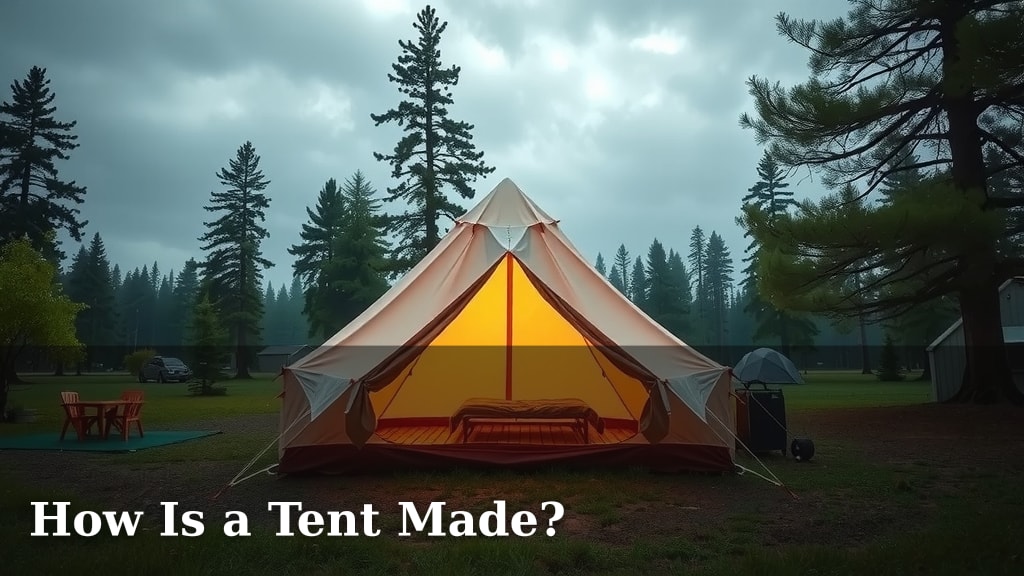
How Is a Tent Made?
A tent is made by cutting fabric to specific shapes and then sewing those pieces together. Different materials are used for the fabric, poles, and zippers. The process involves several steps, from designing the tent to packaging it for sale. It’s a careful balance of durability and lightweight design.
Many factors go into creating a functional tent. Researchers consider weather resistance and ease of setup. The type of camping you plan to do often dictates the tent’s design. From backyard sleepovers to backcountry adventures, each tent serves a purpose. We found that material choice is key for performance.
- Tents are made by cutting and sewing fabric pieces.
- Materials like nylon, polyester, and aluminum are common.
- Designers focus on weather protection and ease of use.
- The manufacturing process involves cutting, sewing, and assembly.
Let’s walk through exactly how a tent is made, step by step, so you can appreciate the engineering behind your shelter.
The Journey of a Tent: From Idea to Your Campsite
Ever wondered how that humble tent you pitch for a weekend getaway actually comes to life? It’s a fascinating blend of thoughtful design and precise manufacturing. We found that creating a shelter that’s both tough and lightweight involves several key stages.
Designing Your Home Away From Home
Before a single stitch is made, a lot of planning happens. Designers think about where you’ll use the tent. Will it face harsh winds or just a gentle summer breeze? They sketch out different shapes and features. We found that a tent’s layout is designed for maximum usable space and good airflow.
Considering the Elements
Protection from the weather is a top priority. Designers select materials that can handle rain, sun, and wind. They think about how to make seams waterproof and how to angle the tent to shed water effectively. Research and development teams test prototypes in controlled environments. They simulate strong winds and heavy rain. We found that careful attention to design can prevent leaks and tears.
Ease of Setup
Nobody wants to struggle with setting up their tent. Designers aim for simplicity. They consider how poles connect and how fabric attaches to them. Color-coded poles and clips are common solutions. We found that user feedback often influences design choices for easier pitching.
Choosing the Right Materials
The materials used are what make a tent perform. They need to be strong but also light enough to carry. Different parts of the tent use different materials for specific jobs.
The Fabric: Body and Fly
Most tent bodies are made from nylon or polyester. These synthetic fabrics are known for their durability and resistance to stretching when wet. They can also be treated with coatings to make them waterproof. The rainfly, the outer waterproof layer, often uses a similar material but with a higher water-repellent coating. We found that ripstop weaves are often used to prevent small tears from spreading.
The Floor: Your Dry Base
The tent floor needs to be extra tough and waterproof. It’s the part that directly contacts the wet ground. Thicker polyester or nylon fabrics are common. Many floors have a higher waterproof rating (measured in millimeters of water column) than the rainfly. This is a key factor for staying dry. We found that a good bathtub floor design curves up the sides to prevent water from seeping in.
Poles and Stakes: The Structure
Tent poles are typically made of aluminum, fiberglass, or carbon fiber. Aluminum is a popular choice for its balance of strength and weight. Fiberglass is more budget-friendly but can be prone to splintering. Carbon fiber is the lightest and strongest but also the most expensive. Stakes are usually aluminum or steel, designed to anchor the tent securely to the ground. We found that aluminum stakes are often preferred for their durability and light weight.
Zippers and Other Hardware
Even the zippers are chosen carefully. They need to be smooth-gliding and durable. Many tent zippers have a weather-resistant coating or flap to keep water out. Buckles and clips are usually made from strong plastic. These small components are vital for the tent’s overall function.
The Manufacturing Process: Bringing It All Together
Once the design is finalized and materials are sourced, the manufacturing begins. This is where the magic of mass production takes place.
Precision Cutting
Large rolls of fabric are spread out. Computer-controlled cutting machines precisely slice the fabric panels according to the design patterns. This ensures that all pieces for a specific tent model are identical. Accuracy here is key to a good fit during assembly. We found that this automated cutting process is very efficient and reduces waste.
Expert Sewing
Skilled workers then take these fabric panels and sew them together. They use heavy-duty industrial sewing machines. Seams are often double-stitched for extra strength. Waterproofing tape might be applied to the seams from the inside or outside. This is a meticulous process. We found that the quality of the stitching directly impacts the tent’s lifespan.
Assembly and Finishing Touches
After the main fabric body is sewn, other components are added. Poles are assembled. Zippers are attached. Guy-out loops and tie-outs are reinforced. The floor is sewn to the body. Everything is carefully inspected. We found that quality control checks happen at multiple stages.
Final Inspection and Packaging
Before a tent is ready for you, it undergoes a final inspection. Workers check for any defects in stitching, fabric, or hardware. They might even set up a few tents to ensure everything functions correctly. Once approved, the tent is folded, packed into its stuff sack, and then placed into its final retail packaging. This ensures it arrives at your doorstep in perfect condition, ready for your next adventure.
Here’s a quick checklist of what goes into making your tent:
- Design and prototyping stages.
- Selecting durable and lightweight materials.
- Precision fabric cutting with automated machines.
- Expert sewing of all fabric panels and seams.
- Assembly of poles, zippers, and other hardware.
- Rigorous quality control and final inspection.

Conclusion
You’ve seen that creating your reliable tent is a thoughtful journey. It starts with smart design focused on your camping needs. Then comes selecting robust yet lightweight materials like nylon and aluminum. Precision cutting and expert sewing bring it all together. Finally, rigorous checks ensure your shelter is ready for adventure. Understanding this process helps you appreciate the engineering that keeps you protected outdoors. Next time you pack your tent, take a moment to recognize the craftsmanship that went into it. Consider your next camping trip and pack with confidence!
Frequently Asked Questions
What makes a tent waterproof?
A tent’s waterproofness comes from the fabric coatings and seam sealing. Materials like polyester and nylon are coated with polyurethane or silicone. Seams are often taped or sealed to prevent water from leaking through the stitching. We found that higher waterproof ratings mean better protection in heavy rain.
Why are some tent fabrics ripstop?
Ripstop fabrics have a special weaving technique that makes them resistant to tearing. They include a reinforcement thread woven at regular intervals. If a small tear occurs, the ripstop pattern helps prevent it from spreading further. This extends the life of your tent.
Are all tent poles made of the same material?
No, tent poles are commonly made from aluminum, fiberglass, or carbon fiber. Aluminum offers a good balance of strength and weight, making it popular. Fiberglass is more affordable but can break or splinter. Carbon fiber is the lightest and strongest but comes at a higher cost.
How do designers ensure a tent is easy to set up?
Designers incorporate user-friendly features to simplify setup. This includes color-coded poles and clips that easily snap together. Clear instructions and well-designed pole sleeves also contribute. We found that feedback from campers often influences these design choices.
What is the difference between a tent body and a rainfly?
The tent body is the main structure that provides sleeping space. It’s often made of breathable fabric to reduce condensation. The rainfly is the outer waterproof layer that drapes over the tent body. Its primary job is to keep rain and wind out, keeping you dry and protected.

![7 Best Budget Pop Up Tent [2026]](https://leonardhomeoutdoor.com/wp-content/uploads/2026/08/7-best-budget-pop-up-tent-2026-featured-768x432.jpg)

![7 Best Canvas Tent With Stove Jack [2026]](https://leonardhomeoutdoor.com/wp-content/uploads/2026/08/7-best-canvas-tent-with-stove-jack-2026-featured-768x432.jpg)