
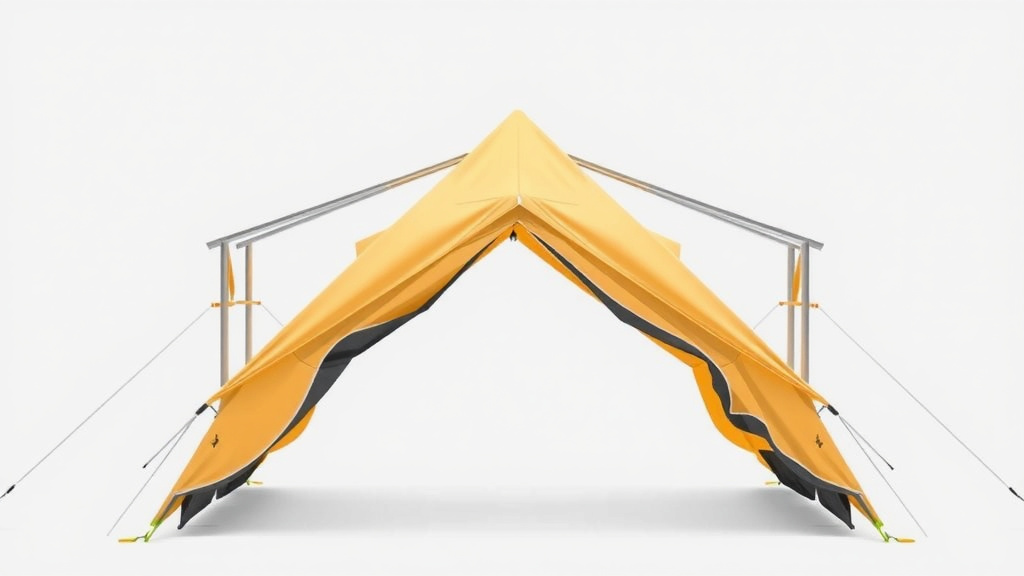
Aluminum vs Fiberglass Tent Poles: Which is Best for Camping
For your tent poles, aluminum is generally the better choice over fiberglass. Aluminum poles offer superior strength and durability, making them a more reliable option for most camping situations. Fiberglass poles can become brittle and prone to snapping, especially in colder weather.
When picking tent poles, you’re weighing factors like weight, strength, and cost. While fiberglass might seem appealing due to its lower price point, its tendency to break easily often makes it a less economical choice in the long run. Aluminum provides a dependable performance that seasoned campers appreciate.
- Aluminum poles are stronger and last longer.
- Fiberglass poles are cheaper but can break easily.
- Consider your camping style for the best choice.
- Weight is also a factor for backpackers.
Let’s break down the key differences between aluminum and fiberglass tent poles so you can make the best decision for your adventures.
“`html
Aluminum vs. Fiberglass Tent Poles: Which is Right for You?
When you’re out camping, your tent is your shelter. The poles holding it up are pretty important. You’ll often see two main types: aluminum and fiberglass. Understanding their differences can really help you choose the best poles for your needs. Let’s get into it.
A Deep Dive into Tent Pole Materials
Understanding Fiberglass Tent Poles
Fiberglass poles are made from thin strands of glass bound together with resin. They’re often found in older or budget-friendly tents. They’re usually a bit thicker and have a more flexible feel compared to aluminum. This flexibility can be a double-edged sword, though.
The main appeal of fiberglass is its low cost. If you’re on a tight budget or only camp occasionally, fiberglass might seem like a good starter option. You can often find tents with fiberglass poles for a more attractive price tag. This makes them accessible for many campers.
The Strengths and Weaknesses of Aluminum Tent Poles
Aluminum poles are made from lightweight metal alloys. They are engineered for strength and durability. You’ll find them in higher-quality tents and for good reason. They offer a much better balance of weight and sturdiness.
Aluminum poles are known for their impressive strength-to-weight ratio. This means they can hold up your tent securely without adding a lot of extra bulk. They are also quite resistant to bending and breaking, even under stress. This reliability is a big plus for any camper.
Key Differences: What to Look For
Durability and Longevity
When we talk about how long tent poles will last, aluminum usually wins. Research and user experiences often show that aluminum poles can withstand repeated use and rougher conditions much better than fiberglass. They are less likely to bend permanently or snap.
Fiberglass, on the other hand, has a tendency to become brittle over time. This is especially true in cold weather. We’ve all heard stories or experienced it ourselves: a pole snaps unexpectedly, leaving you with a sagging tent. This can really put a damper on your trip.
Strength and Stability
For your tent’s stability, especially in windy conditions, aluminum is generally superior. Aluminum poles are very rigid. This means they can resist wind forces effectively, keeping your tent upright and secure. You’ll feel more confident with aluminum poles when the weather turns.
Fiberglass poles are more flexible. While some flexibility can be good, too much can lead to poles bending and potentially breaking under strong gusts. You might find yourself constantly adjusting or worrying about your tent’s integrity. This lack of rigidity can be a problem in exposed campsites.
Weight Considerations
If you’re a backpacker or someone who values carrying less weight, this is important. Modern aluminum alloys used in tent poles are very light. They are designed to be as light as possible while maintaining strength. This makes a noticeable difference when you’re hiking long distances.
Fiberglass poles can sometimes be heavier than their aluminum counterparts, especially when you compare poles of similar strength. The thicker diameter often needed for adequate strength can add to the overall weight. This is a factor to consider if every ounce counts in your pack.
Cost Comparison
Fiberglass poles are almost always cheaper upfront. This is a major reason why many entry-level tents come equipped with them. If your budget is your primary concern, fiberglass might seem like the obvious choice. However, consider the long-term cost.
While aluminum poles have a higher initial price, their longevity can make them more cost-effective over time. If fiberglass poles break and need replacing more frequently, the initial savings can quickly disappear. Many campers find that investing in aluminum poles saves them money and hassle in the long run.
Repair and Maintenance
Repairing tent poles can be a bit of a headache. Fiberglass poles that snap are often difficult to repair effectively. You might need to replace the entire pole section, or worse, the whole set. This adds to the inconvenience and potential cost.
Aluminum poles can sometimes be repaired with a sleeve or by carefully straightening them if they get bent. While not always possible for every damage scenario, they often offer more options for on-the-spot fixes. Some companies even offer replacement parts for their aluminum pole systems.
Putting It All Together: A Quick Comparison
To help you visualize the differences, here’s a quick table:
| Feature | Aluminum Poles | Fiberglass Poles |
|---|---|---|
| Strength | High | Moderate |
| Durability | Excellent | Fair to Good |
| Weight | Light to Moderate | Moderate to Heavy |
| Cost (Initial) | Higher | Lower |
| Brittleness (Cold Weather) | Low | High |
| Repairability | Moderate | Low |
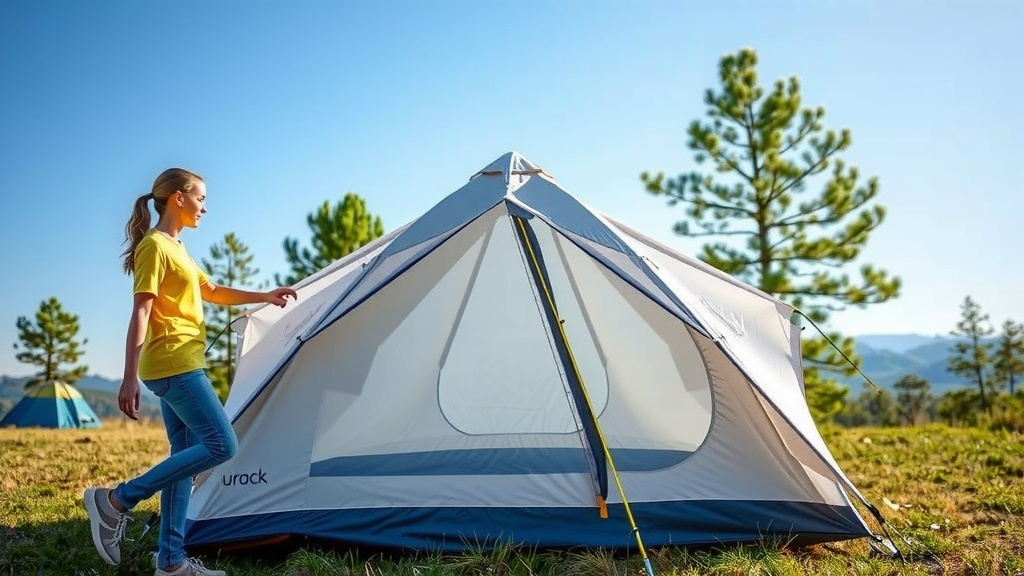
Your Camping Style Matters
For the Weekend Warrior
If you go camping a few times a year for short trips, and your campsite is usually protected from harsh weather, fiberglass poles might serve you well enough. The lower initial cost could be appealing for infrequent use. Just be aware of their limitations.
For the Backpacker and Through-Hiker
For those who spend extended time outdoors or cover a lot of ground, aluminum is almost always the better choice. The reduced weight is a huge benefit over miles. Plus, the superior durability means your poles are less likely to fail when you’re far from civilization.
For Family Campers and Car Campers
If you’re car camping with your family and prioritize ease of use and reliability, aluminum poles offer peace of mind. They can handle the general wear and tear of family trips. You won’t have to worry as much about poles snapping when little ones are around.
Quick Checklist for Choosing Tent Poles
Before you make your final decision, consider these points:
- How often do you camp?
- What kind of weather do you expect?
- How important is weight for your trips?
- What’s your budget, considering long-term value?
- Do you prefer a more rigid or flexible pole system?
- Are you comfortable with potential repairs or replacements?
“`
Conclusion
As you gear up for your next camping trip, remember that your tent poles are more than just accessories; they’re your shelter’s backbone. While fiberglass offers a lower initial cost, aluminum poles consistently prove their worth through superior strength, durability, and reliability. For peace of mind and long-term value, especially in unpredictable weather or challenging terrain, aluminum is your clear winner. Consider how and where you camp most often to make the most informed choice for your adventures.
Frequently Asked Questions
Can fiberglass tent poles be repaired if they break?
Repairing snapped fiberglass poles can be quite tricky. Often, the best solution is to replace the entire pole section or, in some cases, the whole set. This can be more inconvenient and costly in the long run compared to aluminum repairs.
Are aluminum tent poles heavy compared to fiberglass?
Modern aluminum tent poles are engineered for a high strength-to-weight ratio, meaning they are surprisingly light. While some thicker fiberglass poles might feel heavier, well-made aluminum poles typically offer a lighter option, which is a big plus for backpackers.
Is aluminum better for windy conditions?
Yes, aluminum poles are generally better for windy conditions. Their rigidity helps them resist bending and snapping under strong gusts, providing greater stability for your tent. Fiberglass poles, being more flexible, can bend more easily and may not withstand sustained high winds as effectively.
What does “strength-to-weight ratio” mean for tent poles?
It means that aluminum poles offer a lot of strength for how little they weigh. You get excellent support for your tent without adding a lot of extra bulk to your gear. This balance is key for both durability and portability.
How does cold weather affect fiberglass tent poles?
Cold weather can make fiberglass poles more brittle. This increased brittleness means they are more prone to snapping unexpectedly when flexed or stressed. Aluminum poles generally hold up better in cold temperatures without becoming more fragile.

![7 Best Freestanding Tent [2026]](https://leonardhomeoutdoor.com/wp-content/uploads/2026/08/7-best-freestanding-tent-2026-featured-768x432.jpg)

![7 Room Tent [2026]](https://leonardhomeoutdoor.com/wp-content/uploads/2026/08/7-room-tent-2026-featured-768x432.jpg)
2 Comments