
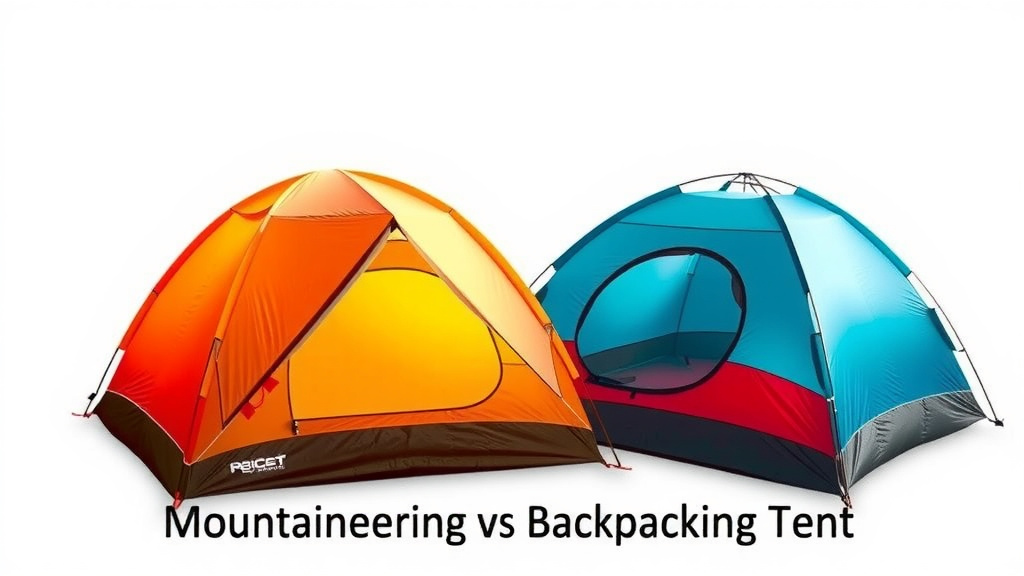
Mountaineering vs Backpacking Tent: What’s the Difference
When choosing between a mountaineering tent and a backpacking tent, know this: mountaineering tents are built for extreme conditions, while backpacking tents prioritize lightness and packability. You’ll want a mountaineering tent if your adventures involve high winds, heavy snow, and harsh alpine environments. A backpacking tent is the better choice for milder weather and treks where every ounce matters. To further refine your choice, understanding the difference between 3 season vs 4 season tents is essential.
Think of it this way: a mountaineering tent is your fortress against the elements. It’s robust and designed for durability in the face of Mother Nature’s worst. A backpacking tent, on the other hand, is your cozy, portable shelter for more forgiving trails. We found that understanding these core differences is key to picking the right shelter for your next trip.
- Mountaineering tents handle extreme weather and heavy snow loads.
- Backpacking tents are lighter and easier to carry on long hikes.
- Choose a mountaineering tent for high-altitude, rugged trips.
- Opt for a backpacking tent for general hiking and camping.
- Your intended use and expected conditions are the main deciding factors.
Let’s dive into the specifics of each type so you can make the best choice for your outdoor adventures.
Choosing Your Shelter: Mountaineering Tent vs. Backpacking Tent
Deciding between a mountaineering tent and a backpacking tent comes down to where you’re headed and what you expect. We found that understanding their core strengths helps you pick the right shelter for your adventures.
The Heart of the Matter: Purpose and Design
Think about your planned trips. Are you aiming for snowy peaks or well-trodden trails? This is the biggest question you need to answer. Your answer will guide you to the correct tent type.
Mountaineering Tents: Your Fort Against the Wild
These tents are built like tanks. They are designed to withstand extreme weather and harsh conditions. You’ll find them on expeditions where safety and durability are non-negotiable. They are often called “four-season” tents.
Built for the Extremes
Mountaineering tents feature a stronger pole structure. This helps them handle heavy snow loads and high winds. Their poles are usually thicker and made from robust materials like aluminum alloys. The fabric is also tougher to resist tears and abrasions. We found that this robust construction is key to their survival in alpine environments.
Weather Resistance is Key
Expect these tents to have a low-profile design. This helps them hug the ground, reducing wind’s ability to lift or damage them. They also have features like snow skirts. These are fabric extensions around the base that help keep snow and drafts out. Many mountaineering tents are double-walled for better condensation management in cold, damp conditions.
When to Choose a Mountaineering Tent
- High-altitude climbs
- Winter camping
- Areas prone to severe weather
- Trips where extreme durability is a must
Backpacking Tents: Lighter for the Long Haul
Backpacking tents prioritize light weight and packability. They are your go-to for longer hikes and treks where every ounce matters. These are often referred to as “three-season” tents.
Focus on Weight Savings
These tents use lighter poles and thinner, yet still durable, fabrics. The goal is to make them as easy as possible to carry in your backpack. You’ll notice they often have more mesh for ventilation. This is great for warmer weather camping. Many backpacking tents are designed for quick and easy setup, which is a bonus after a long day of hiking.
Balancing Comfort and Portability
While built for lighter loads, modern backpacking tents are still quite capable. They offer good protection against rain and moderate winds. They are perfect for most general camping and hiking. We found that for the average hiker, a good backpacking tent provides an excellent balance.
When to Choose a Backpacking Tent
- Summer and shoulder-season camping
- Multi-day hikes where weight is a concern
- Car camping trips
- Trails with milder weather conditions
Key Differences at a Glance
To make your choice easier, let’s look at the main distinctions side-by-side. It’s like comparing a sturdy cabin to a nimble camper van.
| Feature | Mountaineering Tent | Backpacking Tent |
|---|---|---|
| Weight | Heavier | Lighter |
| Durability | High (for extreme conditions) | Good (for general use) |
| Weather Rating | Four-season (all-weather) | Three-season (mild to moderate weather) |
| Pole Strength | Very strong, thicker poles | Lighter, often thinner poles |
| Wind Resistance | Excellent (low profile, strong structure) | Good (can be affected by very high winds) |
| Snow Load Capacity | High | Low to moderate |
| Ventilation | More controlled, for cold climates | Often higher (more mesh) for warmer climates |
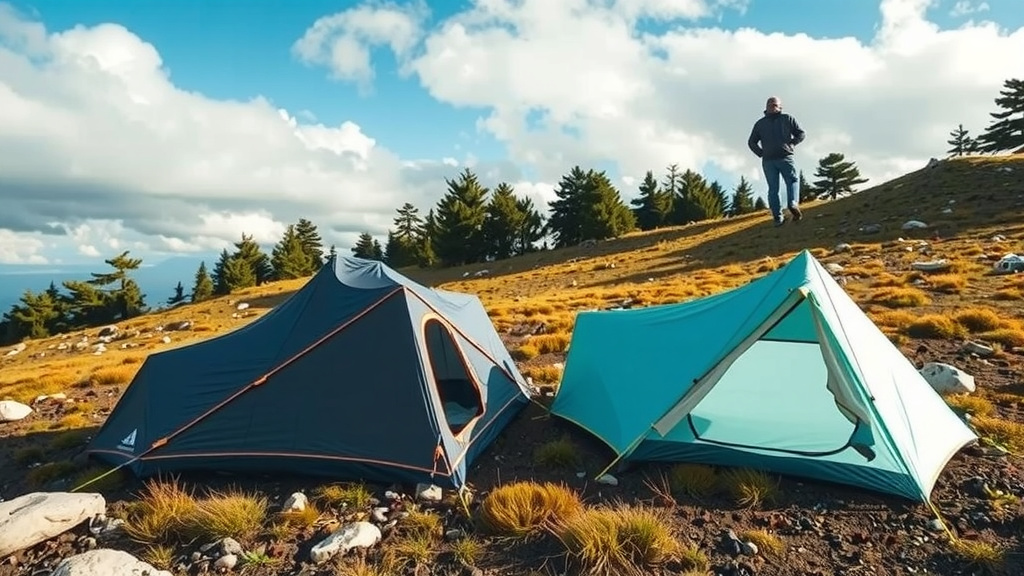
Considering Your Needs: A Practical Checklist
Before you buy, take a moment to think about these points. They’ll help solidify which type of tent is the best fit for you.
- Where will you camp most often? (Mountains, forests, deserts?)
- What season(s) are your trips usually in? (Summer, winter, year-round?)
- How much are you willing to carry? (Every ounce counts on long hikes.)
- What kind of weather do you typically encounter? (Mild rain, heavy snow, high winds?)
- Who will be sleeping in the tent? (Solo, with a partner, family?)
- What’s your budget? (Mountaineering tents often cost more due to materials.)
Conclusion
You’ve seen that choosing between a mountaineering and a backpacking tent isn’t a one-size-fits-all decision. Your planned adventures are the guiding star. Mountaineering tents offer unparalleled protection for extreme conditions and heavy weather. Backpacking tents deliver the lightweight convenience you need for longer treks and milder seasons. We found that understanding these core differences is key.
Now, think about your next trip. Will it challenge you with snow and wind, or offer a more forgiving path? Make your choice based on where you’re going and what you expect from your shelter. Your perfect tent awaits!
Frequently Asked Questions
Can a backpacking tent be used for mountaineering?
Generally, no. Backpacking tents are designed for lighter loads and milder conditions. They lack the robust pole structure and heavy-duty fabric needed to withstand extreme weather, high winds, and heavy snow common in mountaineering. Using one in such conditions could lead to failure and compromise your safety.
Are mountaineering tents too heavy for regular backpacking trips?
Yes, usually. Mountaineering tents are significantly heavier due to their reinforced construction, stronger poles, and more durable fabrics. For standard backpacking trips where weight is a concern, this extra bulk can become a burden over long distances. You’ll likely prefer a lighter backpacking tent for those journeys.
What is the main difference in pole strength between the two tent types?
Mountaineering tents use thicker, stronger poles made from robust materials like high-grade aluminum alloys. These are built to handle heavy snow loads and intense wind without bending or breaking. Backpacking tents use lighter poles, often thinner aluminum or even composite materials, to save weight, making them less suitable for extreme conditions.
How do snow skirts on mountaineering tents help?
Snow skirts are fabric extensions around the base of a mountaineering tent. They help to seal the tent against the ground, preventing snow from blowing in and creating drafts. This is essential for keeping the interior warmer and more comfortable during winter camping and high-altitude expeditions.
Which tent type offers better ventilation?
Backpacking tents typically offer better ventilation. They often feature more mesh panels and higher vents, which are ideal for warmer weather to reduce condensation and improve airflow. Mountaineering tents have more controlled ventilation systems designed to keep heat in and cold air out in harsh, frigid environments.
![7 Best Mosquito Tent For Camping [2026]](https://leonardhomeoutdoor.com/wp-content/uploads/2026/08/7-best-mosquito-tent-for-camping-2026-featured-768x432.jpg)
![7 Best Heavy Duty Tent Stakes [2026]](https://leonardhomeoutdoor.com/wp-content/uploads/2026/08/7-best-heavy-duty-tent-stakes-2026-featured-768x432.jpg)
![7 Best Rooftop Tent For Tacoma [2026]](https://leonardhomeoutdoor.com/wp-content/uploads/2026/09/7-best-rooftop-tent-for-tacoma-2026-featured-768x432.jpg)