
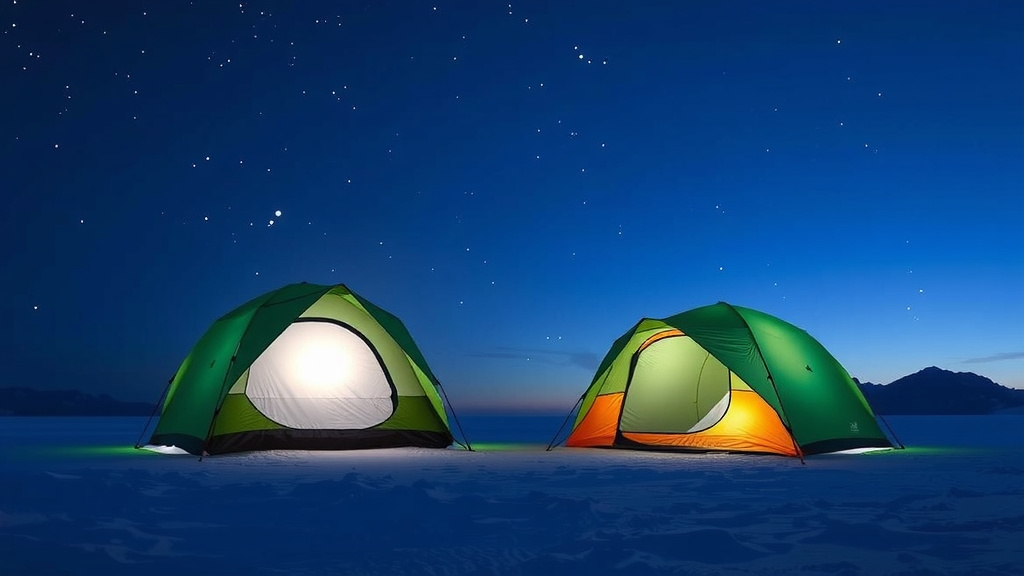
3 Season vs 4 Season Tents: Which Is Right For You
Choosing between a 3 season and 4 season tent depends mostly on where and when you plan to camp. A 3 season tent is best for spring, summer, and fall in milder conditions. A 4 season tent offers stronger protection for winter camping and harsh weather.
If you’re camping in fair weather with minimal wind and no snow, a 3 season tent will likely be your best friend. For serious winter expeditions or areas prone to heavy snow and strong winds, a 4 season tent provides the necessary durability and support. We found that knowing your typical camping environment is key to making the right choice.
- 3 season tents are for mild weather (spring, summer, fall).
- 4 season tents are built for snow, high winds, and winter camping.
- 3 season tents offer better ventilation and are lighter.
- 4 season tents are sturdier but can be warmer and heavier.
- Your intended camping location is the biggest factor.
Let’s break down the key differences to help you decide which tent is right for your next adventure.
“`htmlChoosing the Right Tent: 3-Season vs. 4-Season Options
Deciding between a 3-season and a 4-season tent is like picking the right tool for the job. You wouldn’t use a screwdriver to hammer a nail, right? The same logic applies here. Your camping plans dictate which tent will keep you cozy and protected.
Think about your typical camping trips. Are you usually out during the warm months? Do you stick to established campgrounds? Or are you planning to brave the elements, perhaps during a winter trip or in a very exposed location?
Understanding 3-Season Tents: Your Fair-Weather Friend
A 3-season tent is your go-to for camping in spring, summer, and fall. These tents are designed for mild weather conditions. They aim to offer a good balance of ventilation and protection from rain and bugs. You’ll find them to be lighter and easier to set up than their 4-season counterparts.
Key Features of 3-Season Tents
The main goal of a 3-season tent is to keep you comfortable when the weather is generally pleasant. They prioritize breathability and bug protection. This means you’ll see a lot of mesh fabric. This mesh is fantastic for letting air flow through, keeping condensation down and you cool on warmer nights. They also come with rainflies that offer decent protection against moderate rain showers.
Many 3-season tents are built with a focus on lightweight design. This makes them ideal for backpacking where every ounce counts. You can expect them to be easy to pack down small, fitting nicely into your backpack.
Ventilation is King
When you’re camping in warmer months, you want to avoid feeling like you’re inside a sauna. 3-season tents excel here. The ample mesh panels allow for excellent airflow. This helps to prevent that sticky, humid feeling that can ruin a camping trip. Many also feature adjustable vents that you can open or close.
What They’re Best For
These tents are perfect for a wide range of activities. Think car camping in national parks during the summer. They’re great for hiking trips where you expect clear skies and moderate temperatures. If you’re heading to a music festival or a weekend getaway with friends, a 3-season tent is usually the most practical choice.
Limitations of 3-Season Tents
Now, where do they fall short? A 3-season tent is not designed for heavy snow loads. The poles are typically thinner and the fabric isn’t as robust. If you encounter strong winds, you might feel your tent swaying quite a bit. They also offer less insulation against cold temperatures.
Exploring 4-Season Tents: Built for the Elements
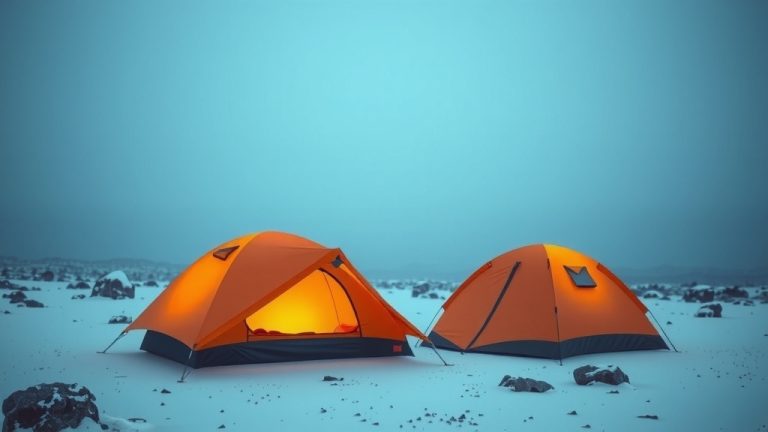
A 4-season tent is a different beast altogether. These are engineered for the harshest conditions. We’re talking about camping in the dead of winter, facing heavy snowfall, and battling strong winds. They prioritize durability and maximum protection over light weight and maximum ventilation.
The Robust Construction of 4-Season Tents
The first thing you’ll notice is the difference in construction. 4-season tents often feature stronger, thicker poles. These are designed to withstand significant weight, like piles of snow. The fabric used is usually heavier duty and has fewer mesh panels. Instead, you’ll find solid fabric or smaller mesh windows for ventilation.
These tents have a more dome-like or geodesic shape. This design helps to shed snow and resist wind effectively. The rainfly often extends closer to the ground, providing an extra barrier against the elements. Many also include “snow skirts” – an extra flap of fabric around the base that you can bury in snow to seal out drafts.
Superior Strength and Stability
When the wind howls and snow starts to fall, a 4-season tent stands its ground. The stronger pole structure and robust fabric allow it to handle significant wind gusts and snow loads without collapsing. We found that this stability provides a much-needed sense of security when you’re out in severe weather.
Insulation and Warmth Considerations
While they offer excellent protection, 4-season tents can also get quite warm. This is partly due to the heavier fabric and fewer mesh panels. If you’re using one in milder weather, you might find it to be overly warm and less breathable. This can lead to increased condensation inside the tent, even in cooler temperatures.
When Do You Actually Need a 4-Season Tent?
These tents are primarily for serious winter camping or expeditions in high-alpine environments where weather can change rapidly. If your adventures include mountaineering, backcountry skiing, or camping above the treeline in winter, a 4-season tent is essential. They are also a good choice for areas that experience frequent, intense storms year-round.
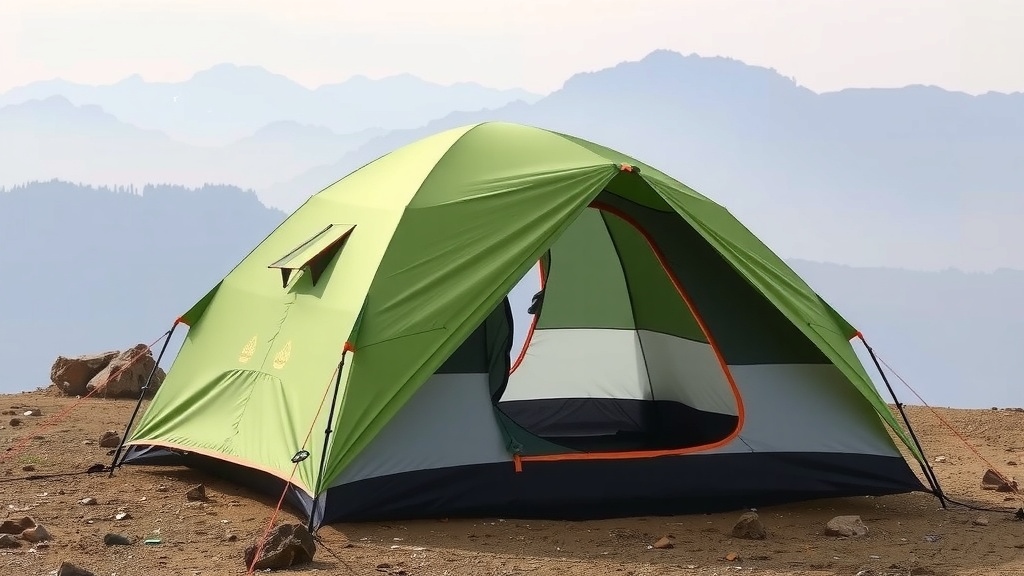
Comparing the Two: A Quick Overview
Let’s put it side-by-side so you can see the differences clearly. It’s all about finding the right tool for your specific outdoor needs.
| Feature | 3-Season Tent | 4-Season Tent |
|---|---|---|
| Best Use | Spring, Summer, Fall; mild weather | Winter, high winds, heavy snow |
| Ventilation | High (lots of mesh) | Low (designed to seal out cold) |
| Weight | Lighter | Heavier |
| Durability | Good for moderate conditions | Excellent for extreme conditions |
| Cost | Generally less expensive | Generally more expensive |
| Pole Strength | Moderate | High |
Weight and Portability
If you’re hiking to your campsite, weight is a major factor. 3-season tents are typically much lighter. This makes them easier to carry over long distances. 4-season tents, with their heavier fabrics and sturdier poles, can add considerable weight to your pack. This is why they are often favored for base camps or shorter hikes in winter.
Ventilation vs. Insulation
Here’s a key trade-off. A 3-season tent breathes well, keeping you cooler and drier in warm weather. A 4-season tent is designed to keep the cold out, but this can make it feel stuffy and humid when it’s not freezing. Many experts note that overheating can be a problem in a 4-season tent during shoulder seasons (late spring or early fall).
Making Your Final Decision: A Quick Checklist
Still on the fence? Ask yourself these quick questions to guide your choice:
- What are the typical weather conditions where you camp most often?
- Do you plan on camping during the winter months?
- Will you be in areas prone to heavy snow or strong winds?
- How important is weight and packability for your trips?
- What is your budget for a new tent?
Answering these will help you zero in on the best tent for your adventures. Remember, the goal is to be comfortable and safe, no matter the season!
“`Conclusion
You’ve learned the key differences between 3-season and 4-season tents. Your camping style and planned locations are the biggest factors in your choice. A 3-season tent keeps you comfortable in mild spring, summer, and fall weather with excellent ventilation. A 4-season tent offers superior strength and protection for harsh winter conditions and heavy snow. Consider your typical trips and the environments you’ll face. Now you can confidently select the tent that ensures your comfort and safety on your next adventure.
Frequently Asked Questions
Can I use a 4-season tent in the summer?
You can, but it’s generally not recommended. 4-season tents are built with heavier fabrics and fewer mesh panels to trap heat and block wind. This can make them very hot and stuffy in warmer weather, leading to increased condensation inside.
Are 3-season tents durable enough for light rain and wind?
Yes, most 3-season tents are designed to handle moderate rain and wind typical of spring, summer, and fall. They come with rainflies that offer good protection. However, they are not built to withstand heavy downpours or strong gusts that a 4-season tent can manage.
What makes 4-season tents heavier?
4-season tents are heavier due to their robust construction. This includes stronger, thicker poles to support snow loads, heavier-duty fabrics for durability, and often more poles for structural integrity against high winds.
How important is ventilation when choosing a tent?
Ventilation is very important, especially for 3-season tents. Good airflow prevents condensation buildup, which can make your gear damp and uncomfortable. 3-season tents excel at this with ample mesh panels, while 4-season tents have less to retain warmth.
Is a 4-season tent overkill if I only camp in the winter occasionally?
If your winter camping trips are infrequent and in milder conditions, a robust 3-season tent might suffice with careful site selection and precautions. However, if you plan on facing snow, strong winds, or freezing temperatures regularly, investing in a 4-season tent provides the essential safety and comfort you’ll need.
![7 Best 1p Backpacking Tent [2026]](https://leonardhomeoutdoor.com/wp-content/uploads/2026/08/7-best-1p-backpacking-tent-2026-featured-768x432.jpg)
2 Comments