
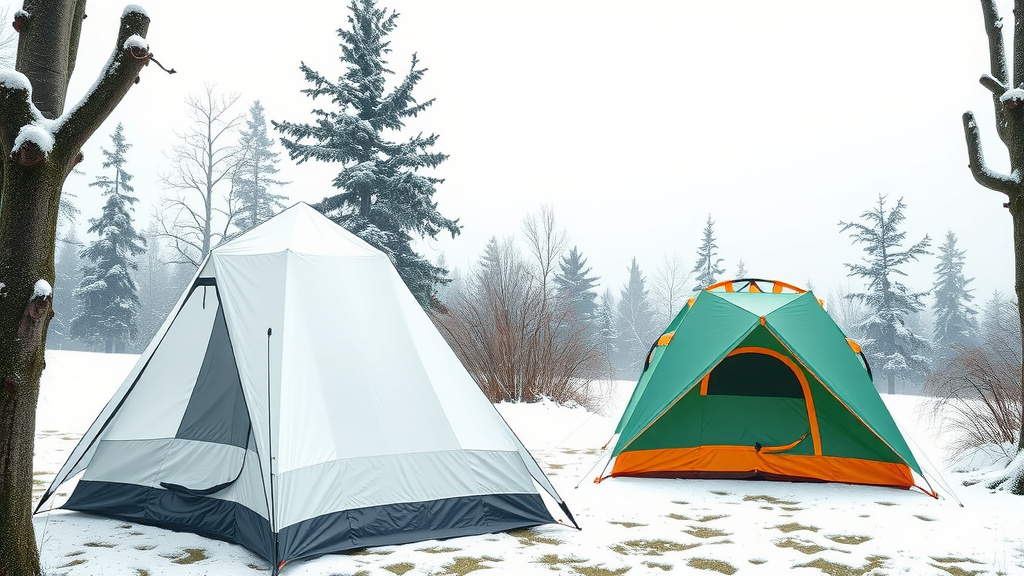
Summer Tent vs Winter Tent: Which Is Right For You
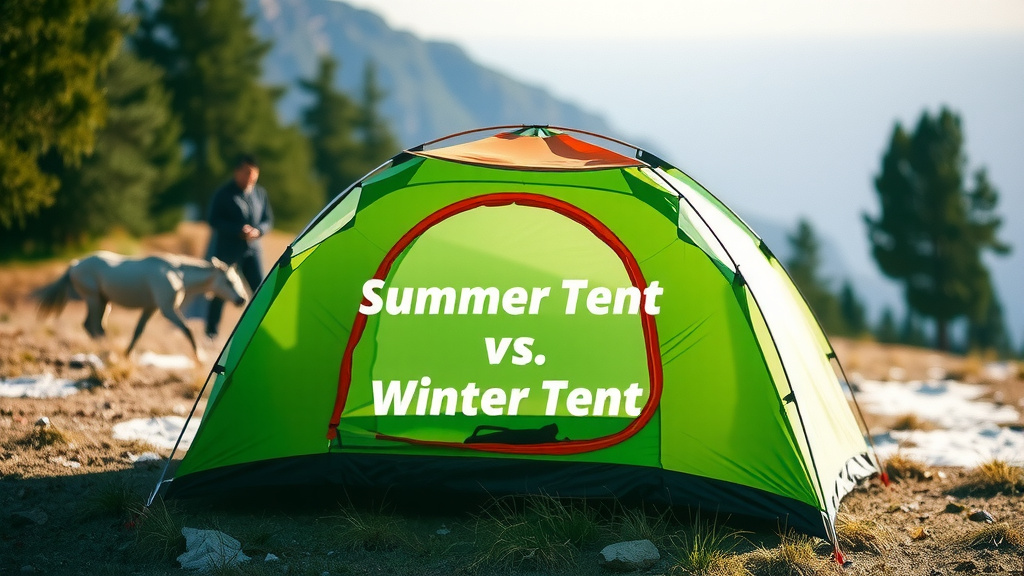
When choosing a tent for camping, you can’t use a summer tent in winter or vice versa. A winter tent is designed for harsh conditions, offering superior strength and insulation. Summer tents prioritize ventilation and lighter weight for warmer weather. Think of it like wearing a t-shirt versus a snow jacket – they serve very different purposes!
Your choice depends heavily on the season and expected weather. Summer tents feature mesh panels for airflow to keep you cool. Winter tents are built with sturdier poles and fewer mesh areas to trap heat and withstand snow loads. We found that using the wrong tent can lead to a miserable, or even unsafe, camping experience.
- Summer tents: lightweight, breathable, best for warm weather.
- Winter tents: durable, insulated, built for snow and cold.
- Using the wrong tent can be uncomfortable and dangerous.
- Consider your destination and the season’s typical conditions.
Below, we break down exactly what makes these tents different and help you decide which is right for your next adventure.
“`htmlSummer Tent vs. Winter Tent: What’s the Real Difference?
Choosing the right tent is super important for a comfortable camping trip. You might be wondering what makes a tent suitable for summer versus winter. The main difference lies in their design and intended use. A summer tent is all about keeping you cool and comfortable when the sun is shining. A winter tent, on the other hand, is built tough to handle cold, wind, and snow. We found that understanding these differences can save you from a chilly, wet, or even unsafe adventure.
Summer Tents: Your Warm-Weather Companion
Think of a summer tent as your cozy, breezy beach house. Its primary goal is to provide shelter while maximizing airflow. This is key when temperatures climb and you want to avoid feeling like you’re inside a sauna. Many designs prioritize ventilation to keep you comfortable throughout the night.
Key Features of Summer Tents
When we looked at typical summer tents, we noticed a few common themes. They often feature large mesh panels on the doors and ceiling. This mesh allows fresh air to circulate freely, letting out hot air and bringing in cooler evening breezes. This design helps prevent condensation buildup inside the tent, too.
Another big factor is weight. Summer tents are generally lightweight and pack down small. This makes them ideal for backpacking or for car camping where you might need to carry them a short distance. Many are made with thinner, lighter fabrics to achieve this.
Materials and Design
The fabrics used in summer tents are typically breathable. They offer good protection from rain but aren’t designed to insulate against significant cold. The poles are often lighter materials like aluminum or fiberglass. The overall structure is designed for stable, moderate weather conditions. You’ll find that the setup is usually quick and easy, perfect for a relaxed camping experience.
When to Choose a Summer Tent
These tents are your best bet for camping during the warmer months. Think spring, summer, and early fall in most parts of the United States. They’re perfect for backyard camping, music festivals, car camping trips to the lake, or backpacking adventures where you expect mild temperatures. If the forecast calls for temps above 40°F and little to no wind or snow, a summer tent should serve you well.
Winter Tents: Built for the Elements
Now, let’s talk about winter tents. These are the rugged workhorses of the camping world. They’re engineered to withstand harsh weather, keeping you safe and warm when the temperatures drop significantly. Think of them as a sturdy, insulated cabin for the outdoors.
What Makes Winter Tents Different?
The most obvious difference is their construction. Winter tents are built with stronger, more durable poles. These poles are often thicker and made of high-quality aluminum. They are designed to handle heavy snow loads and strong winds without bending or breaking. Many have a geodesic or dome shape, which is naturally very stable.
You’ll also notice fewer mesh panels. Instead, they have solid fabric walls with smaller, closable vents. This design is intentional. It helps to trap body heat inside the tent, creating a warmer microclimate. It also prevents cold winds from whipping through your shelter.
Materials and Insulation
The fabrics for winter tents are generally thicker and more robust. They offer better insulation and are waterproof to handle rain and melting snow. Many feature a double-wall construction. This means an inner tent made of breathable fabric and a waterproof outer rainfly that goes all the way to the ground. This design helps manage condensation and adds an extra layer of warmth.
Some winter tents also come with features like larger vestibules. These are covered areas outside the main tent body, perfect for storing wet gear or cooking (with proper ventilation, of course!). This keeps your sleeping area clean and dry.
When to Choose a Winter Tent
These tents are essential if you plan to camp in freezing temperatures, snow, or high winds. This includes winter camping, high-altitude expeditions, or camping in areas known for unpredictable and severe weather. If you anticipate temperatures dropping below freezing, especially into the teens or single digits, or if heavy snow or strong winds are likely, a winter tent is your safest bet.
Comparing Summer and Winter Tents: A Quick Look
To help you visualize the differences, let’s break it down into a simple comparison. This should make it clear why using the wrong tent can lead to problems.
| Feature | Summer Tent | Winter Tent |
|---|---|---|
| Primary Goal | Ventilation, lightweight | Strength, insulation |
| Materials | Lightweight fabrics, ample mesh | Durable fabrics, solid walls, less mesh |
| Poles | Lighter aluminum or fiberglass | Stronger, thicker aluminum |
| Ventilation | High, mesh panels | Controlled, smaller vents |
| Wind/Snow Load | Low to moderate | High |
| Weight | Lighter | Heavier |
Making Your Decision: What to Consider
So, how do you pick the right tent for your needs? It really comes down to a few key questions about your camping plans.
1. When Will You Be Camping?
This is the most critical factor. Are you planning summer vacations or winter expeditions? The season dictates the temperature range and the potential for precipitation. For summer camping, think warm and breezy. For winter, think cold and potentially stormy.
2. Where Will You Be Camping?
Consider the typical weather patterns for your destination. Is it a desert in the summer with hot days and cool nights? Or a mountain range in winter with heavy snowfall? Some locations might even experience dramatic temperature swings. Many park services and outdoor recreation websites offer historical weather data that can help you prepare (National Park Service).
3. What Kind of Camping Will You Do?
If you’re a casual car camper who stays in established campgrounds during fair weather, a summer tent might be perfectly fine. If you’re venturing into the backcountry, backpacking, or aiming for off-season adventures, you’ll need a more robust tent. For serious winter conditions, you absolutely need a tent designed for that environment.
Quick Checklist for Choosing Your Tent
Before you buy, run through this quick checklist:
- Consider the season: Summer, winter, or shoulder seasons?
- Check the forecast: What are the typical temperatures and precipitation?
- Think about location: Mountains, desert, forest, or coast?
- Factor in wind: Will you face strong gusts or calm breezes?
- Your comfort level: How much cold or heat can you tolerate?
- Budget: Winter tents are generally more expensive.
Conclusion
You’ve learned that choosing between a summer and winter tent isn’t just about preference; it’s about safety and comfort. Summer tents prioritize airflow and lightness for warm days. Winter tents focus on strength and insulation for harsh conditions. We’ve seen how their designs, materials, and pole structures differ greatly to meet these specific needs. Making the right choice means preparing for the season and environment you’ll camp in. Before your next trip, ask yourself: what weather will I face? Your answer will guide you to the perfect shelter.
Frequently Asked Questions
Can I use a summer tent in cold weather?
While you might get by in mild, cool conditions, a summer tent is not designed for freezing temperatures. Its mesh panels offer little insulation and can let in cold drafts, making your experience uncomfortable and potentially unsafe. We found that for true cold-weather camping, a dedicated winter tent is essential.
What’s the main reason winter tents are heavier?
Winter tents are heavier because they use sturdier, thicker poles and more robust, durable fabrics. They also often feature double-wall construction with a full-coverage rainfly, which adds weight but provides crucial insulation and protection against heavy snow and wind.
How do I know if I need a 3-season or 4-season tent?
A 3-season tent (similar to our summer tent description) is best for spring, summer, and fall when temperatures are generally above freezing and wind is moderate. A 4-season tent is built for winter conditions, capable of withstanding snow loads and strong winds that would damage a lighter tent.
Will a winter tent be too hot in the summer?
A winter tent can feel warmer in summer due to its design, which aims to trap heat. However, most winter tents include adjustable vents that you can open for better airflow. While not as breezy as a summer tent, you can manage ventilation to stay reasonably comfortable.
Are winter tents significantly more expensive than summer tents?
Yes, winter tents typically come with a higher price tag. This is due to the higher quality, more durable materials and stronger construction needed to withstand extreme weather. The engineering and materials required for a robust winter tent are more costly to produce.
![7 Best Air Conditioner For Grow Tent [2026]](https://leonardhomeoutdoor.com/wp-content/uploads/2026/07/7-best-air-conditioner-for-grow-tent-2026-featured-768x432.jpg)
![7 Best Backpacking Tent For Dogs [2026]](https://leonardhomeoutdoor.com/wp-content/uploads/2026/06/7-best-backpacking-tent-for-dogs-2026-featured-768x432.jpg)