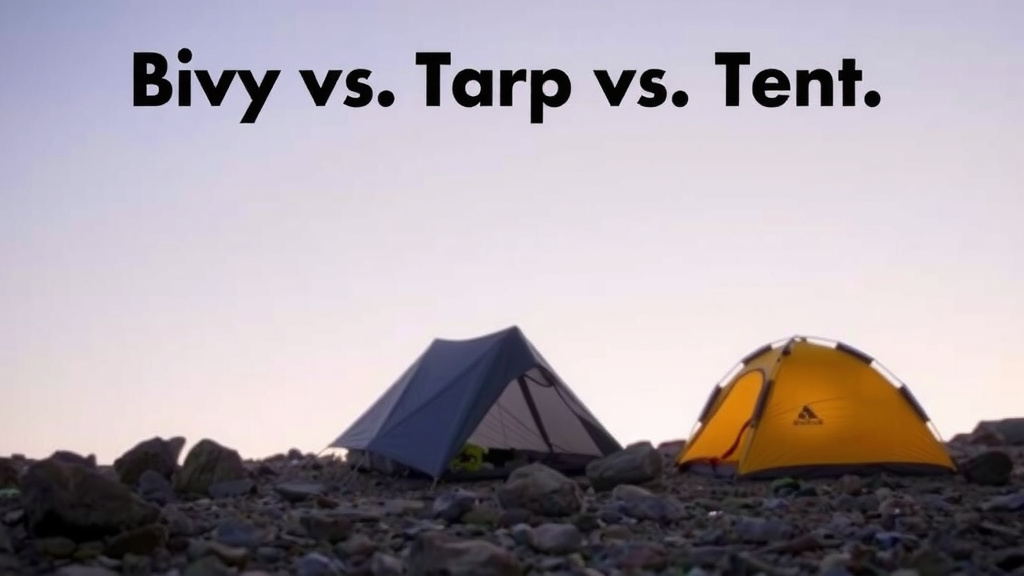
Bivy vs Tarp vs Tent: Your Lightweight Shelter Choice
When comparing a bivy sack and tarp setup to a tent, neither is inherently “better” for everyone. The best choice depends on your specific backpacking needs and priorities. A bivy and tarp offer superior lightweight portability and customization, while a tent provides more enclosed protection and space.
Many hikers weigh the pros and cons of minimalist shelter versus a more conventional setup. While a tent is often the go-to for comfort and security, the allure of a bivy and tarp lies in its simplicity and feather-light nature for those who prioritize covering miles with less weight.
- Bivy and tarp are generally lighter and more compact.
- Tents offer better bug protection and more interior space.
- Choose a bivy/tarp for ultralight backpacking.
- Choose a tent for more comfort and varied weather.
We’ve researched the key differences to help you decide which setup is right for your next adventure. Let’s break down what each option brings to the trail.
Bivy Sack and Tarp vs. Tent: Which Shelter Is Right For You?
Choosing between a bivy sack and tarp setup and a traditional tent comes down to what you need most on the trail. We’ve looked at what each offers, and the main difference boils down to weight and space. A bivy and tarp system is incredibly light. It’s perfect for hikers who want to shave every ounce. A tent, on the other hand, usually offers more comfort and protection from the elements and bugs. Let’s break down the specifics so you can make the best choice for your adventures.
Understanding the Bivy and Tarp Setup
Think of a bivy sack as a waterproof, breathable cover for your sleeping bag. It often has a hood you can pull over your head. A tarp is simply a large sheet of waterproof material. You can pitch it in many different ways using trekking poles or trees. Together, they form a minimalist shelter.
The Bivy Sack: Your Personal Cocoon
A bivy sack is your first line of defense against the weather. It keeps your sleeping bag dry and adds a bit of warmth. Some have a mesh window to let in air and keep bugs out. Others are just a simple waterproof shell. You essentially sleep inside your bivy, which is inside the shelter you create with the tarp.
The Tarp: Flexible and Feather-Light
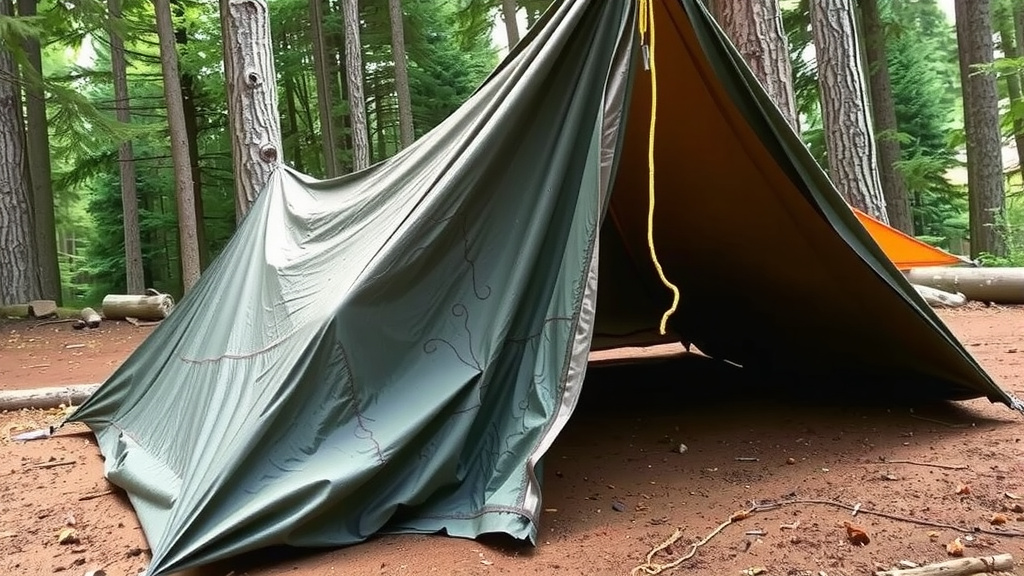
The tarp is where you get your “living space.” It’s a versatile piece of gear. You can tie it up as a lean-to, an A-frame, or even a more enclosed “diamond” shape. The way you pitch it affects how much protection you get from wind and rain. It’s super light and packs down small. You’re giving up some of the enclosed feel of a tent, but gaining a lot in terms of weight savings.
Pros of a Bivy and Tarp System
- Weight: This is the biggest win. A bivy and tarp together can weigh less than 1 pound. This is a huge advantage for long-distance hikers.
- Simplicity: There are fewer parts to set up and manage. Fewer poles, fewer stakes.
- Versatility: You can adjust the tarp pitch based on the weather and campsite.
- Cost: Often, a good bivy and tarp can be less expensive than a high-quality tent.
- Minimal Impact: Less ground disturbance when setting up.
Cons of a Bivy and Tarp System
- Bug Protection: Without a built-in mesh inner tent, bugs can be an issue unless you have a bivy with good mesh.
- Condensation: Bivy sacks can sometimes build up condensation inside. Good ventilation is key.
- Space: It’s a very tight living space. Not ideal for spending long periods inside.
- Privacy: You have less privacy compared to a fully enclosed tent.
- Weather Exposure: Depending on how you pitch the tarp, you might feel more exposed to wind and rain.
Exploring the Traditional Tent
A tent is what most people picture when they think of camping shelter. It’s a self-contained unit with poles and fabric walls. Most tents have a rainfly for weather protection and an inner mesh tent for bug protection and ventilation.
Types of Tents
Tents come in many shapes and sizes. You have backpacking tents, which are designed to be lightweight and packable. Then there are car camping tents, which prioritize space and comfort over weight. For this comparison, we’re focusing on backpacking tents.
Pros of a Tent
- Full Protection: Tents offer excellent protection from rain, wind, and bugs.
- Comfortable Space: You have more room to move around, change clothes, and organize your gear.
- Ventilation: Most tents are designed with good airflow to reduce condensation.
- Privacy: The enclosed nature offers more privacy.
- Easier Setup: Once you learn your tent, setup is generally straightforward.
Cons of a Tent
- Weight: Even lightweight backpacking tents are usually heavier than a bivy and tarp.
- Bulk: Tents tend to pack larger than a bivy and tarp.
- Cost: Good quality backpacking tents can be quite expensive.
- Less Versatile Pitching: You’re generally limited to one or two ways to set up your tent.
Key Factors to Consider for Your Choice
When you’re deciding, think about your typical trips. How much do you value weight savings? What kind of weather do you usually encounter?
Weight vs. Comfort Trade-off
This is the biggest deciding factor. If every ounce counts and you’re aiming for ultralight, a bivy and tarp is hard to beat. If you want to stretch out, have a place to sit if it rains all day, and not worry about every single bug, a tent is likely your better bet. Many hikers find that even a few extra pounds can make a difference on tough trails. Others prioritize a good night’s sleep and find the comfort of a tent worth the weight.
Weather and Environment
In areas with predictable good weather and few bugs, a bivy and tarp can be fantastic. If you’re heading to the Pacific Northwest, known for its rain, or the Rockies, where bugs can be intense in the summer, a tent might offer peace of mind. You can get a tarp that offers excellent rain coverage, but it requires careful pitching. Tents, especially those with full-coverage rainflies, are designed to keep you dry and bug-free in most conditions.
Your Personal Preferences
Do you enjoy the minimalist challenge of a bivy and tarp? Or do you prefer the security and familiar comfort of a tent? Some people love the feeling of sleeping under the stars with just a tarp overhead. Others find that reassuring to be fully enclosed. There’s no right or wrong answer here; it’s about what makes your trip enjoyable.
| Feature | Bivy & Tarp | Tent |
|---|---|---|
| Weight | Very Light (often < 1 lb) | Light to Moderate (1.5 – 5+ lbs) |
| Packed Size | Very Compact | Compact to Moderate |
| Bug Protection | Variable (depends on bivy design) | Excellent (integrated mesh) |
| Weather Protection | Good to Excellent (pitch dependent) | Excellent (designed for conditions) |
| Interior Space | Minimal | Moderate to Spacious |
| Setup Complexity | Simple to Moderate | Moderate |
| Cost | Generally Lower | Moderate to High |
We found that for ultralight backpackers, the bivy and tarp system is often the clear winner due to its minimal weight and packability. However, for those who prioritize comfort, bug-free nights, and a bit more living space, a quality backpacking tent remains a top choice. Consider your typical trip length, the expected weather, and how much you’re willing to carry.
Making Your Final Decision: A Quick Checklist
To help you solidify your choice, ask yourself these questions:
- Do you regularly track your pack weight down to the ounce?
- Do you hike in areas known for heavy insect populations?
- Do you often spend significant time inside your shelter during the day?
- Are you comfortable with a more minimalist sleeping experience?
- Do you prioritize versatility in how you set up your shelter?
- Is staying as dry and bug-free as possible your top priority in all conditions?
Conclusion
Ultimately, the choice between a bivy and tarp and a tent boils down to your personal backpacking style. If you’re a dedicated ultralight hiker who thrives on minimalist gear and covering long distances, a bivy and tarp setup is likely your ideal partner. Its feather-light weight and compact size can’t be beaten. However, if you value added comfort, dependable bug protection, and a bit more interior space for gear or rest, especially in unpredictable weather, a reliable backpacking tent offers that peace of mind. Before your next trip, consider your priorities, the typical conditions you’ll face, and what kind of sleeping experience brings you the most joy on the trail.
Frequently Asked Questions
Can a bivy and tarp setup protect me from heavy rain?
Yes, a well-pitched tarp can offer excellent protection from heavy rain. The key is to choose a tarp with a good waterproof rating and practice setting it up in different configurations, like an A-frame or lean-to, to create effective runoff. Your bivy sack adds another layer of defense for your sleeping bag.
Is a tent always better for bug protection than a bivy and tarp?
Generally, yes. Most backpacking tents have integrated mesh inner walls that provide superior protection against mosquitoes, flies, and other insects. While some bivies have mesh panels, they don’t offer the same fully enclosed barrier that a tent does.
What kind of weather is a bivy and tarp best suited for?
A bivy and tarp system excels in fair weather conditions where bug pressure is low. They are fantastic for dry climates, arid regions, or trips where you expect clear nights. They can also work in moderate rain if pitched correctly, but they offer less protection against strong winds and prolonged downpours compared to a tent.
How much gear can I realistically store with a bivy and tarp?
Storage space is minimal with a bivy and tarp. You’ll typically keep essential items like your pack inside the tarp’s protected area, but there isn’t much room for comfortable lounging or extensive gear organization. A tent offers significantly more interior space for your gear and personal items.
Is a bivy and tarp setup harder to set up than a tent?
Setting up a bivy and tarp can be simpler in terms of fewer components, but achieving optimal weather protection often requires more practice. Tents, while having more parts like poles and stakes, generally have a more standardized and predictable setup process that most backpackers find straightforward once they’re familiar with their specific model.
![7 Best Teepee Tents [2026]](https://leonardhomeoutdoor.com/wp-content/uploads/2026/09/7-best-teepee-tents-2026-featured-768x432.jpg)
![7 Best Canopy Tent For Camping [2026]](https://leonardhomeoutdoor.com/wp-content/uploads/2026/08/7-best-canopy-tent-for-camping-2026-featured-768x432.jpg)
One Comment