
How Light Should a Backpacking Tent Be?
The ideal weight for a backpacking tent is typically between 2 to 5 pounds. Lighter tents under 3 pounds are best for solo hikers or those prioritizing minimal weight. Heavier tents above 4 pounds might offer more space or durability, which can be worthwhile for two people or harsh conditions. You want a balance that suits your hiking style and the terrain you’ll be tackling.
Choosing the right tent weight impacts your entire backpacking experience. A heavy tent can be a real drag on your shoulders, leading to faster fatigue. Conversely, an ultralight tent might sacrifice some livability or weather protection. We’ve found that considering factors like seasonality and group size helps narrow down the best option for your adventures.
- Tent weight is key for comfort and energy.
- Aim for 2-5 pounds generally.
- Lighter is better for solo hikers.
- Heavier might be good for groups or bad weather.
- Balance weight with your needs.
Let’s dive into how to find that sweet spot for your next tent purchase.
Finding Your Backpacking Tent’s Ideal Weight
So, you’re wondering just how light your backpacking tent needs to be? It’s a question we hear a lot, and for good reason. The weight of your shelter directly impacts your energy levels and overall enjoyment on the trail. We’ve found that the sweet spot usually lands between 2 and 5 pounds.
Understanding Tent Weight Categories
Tents aren’t just “light” or “heavy.” They often fall into distinct categories based on their weight. This helps you understand what you’re getting for the ounces you’re carrying.
Ultralight Tents (Under 3 lbs)
These are the featherweights of the tent world. If every ounce counts, these might be your go-to. They are fantastic for solo hikers or those who want to travel as fast and light as possible. You’ll often see them made with thinner, yet still strong, materials. We’ve found they are perfect for fair-weather trips.
Lightweight Tents (3-4 lbs)
This is the most popular category for a reason. It strikes a great balance between weight and features. You get a tent that’s easy to carry but still offers good livability and protection. Many two-person tents fall into this range. It’s a solid choice for most backpackers.
Standard/All-Around Tents (4-5+ lbs)
These tents might be a bit heavier, but they often bring more to the table. Think more interior space, stronger poles, and more robust fabrics. They can be excellent for two people sharing the load or for trips where durability is a priority. We found they’re great for families or car camping too.
Factors That Influence Your Tent’s Weight
Several things contribute to how much your tent weighs. Understanding these can help you make a more informed decision when you’re shopping.
Capacity: How Many People Will Sleep There?
This is a big one. A one-person tent will naturally be lighter than a three-person tent. We found that manufacturers often list weights per person, but it’s essential to look at the total trail weight. Sharing the load in a two or three-person tent can make a heavier shelter feel much more manageable.
Seasonality: When and Where Will You Camp?
Are you planning summer trips in warm, dry weather, or do you need a tent that can handle snow, high winds, and heavy rain? Three-season tents are designed for spring, summer, and fall. They offer good ventilation and are lighter. Four-season tents are built tougher for winter conditions, meaning more robust poles and heavier fabrics, which adds weight. Many experts say you should match your tent to the conditions you expect (REI).
Materials: The Fabric of Your Shelter
The materials used play a significant role. Higher-denier fabrics are generally stronger but heavier. Ultralight tents often use lower-denier nylons or polyesters with special coatings. Aluminum poles are lighter than fiberglass poles. We found that the coatings and seam taping also add a small amount of weight.
Features: What Extras Do You Need?
A tent with multiple doors and vestibules (those covered areas outside the main tent door) is convenient but adds weight and complexity. Extra guylines for storm security and more robust zippers can also contribute. Think about what features you truly need versus what’s just a nice-to-have.
Calculating Your Tent’s “Real” Weight
Don’t just look at the packed weight. We found there are a few different weights to consider.
Packed Weight vs. Minimum Weight
Packed weight is what you’ll typically see advertised. It’s the tent, poles, and rainfly all together. The minimum weight (sometimes called “fast and light” or “trail weight”) is the weight of the tent body and rainfly only. You can often leave the full stuff sack or footprint behind to save a few ounces. It’s always good to check if the manufacturer specifies these different weights.
The Footprint: Worth the Extra Ounces?
A footprint is an extra ground cloth designed to protect your tent floor. While it adds weight, we found that many backpackers feel it’s worth it to extend the life of their tent floor. Some tents come with a custom-fit footprint; others require you to buy one separately. You can also use a lightweight tarp or even a trash bag in a pinch.
What to Carry: Distributing the Load
If you’re hiking with a partner, you can split the tent components. One person carries the tent body, and the other carries the poles and rainfly. This makes a heavier tent much more manageable for everyone. We found this is a common strategy for couples or friends on longer trips.
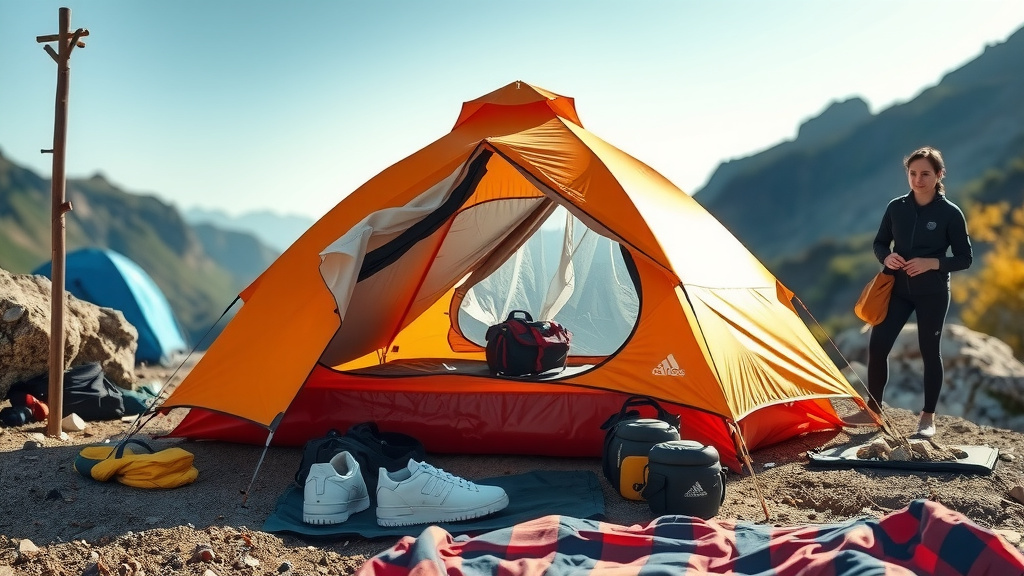
A Quick Checklist for Choosing Your Tent Weight
Here’s a quick rundown to help you decide:
- Are you hiking solo or with others?
- What kind of weather do you expect?
- How much do you prioritize space versus weight?
- Will you share the load with your hiking companions?
- Does the tent material seem durable enough for your needs?
- Can you leave any non-essential components behind to save weight?
Conclusion
Finding the right tent weight is all about understanding your personal hiking needs. We’ve seen that a general range of 2 to 5 pounds works for most backpackers. Remember to consider who you’re hiking with, the seasons you’ll be out, and the materials that make up your shelter. Don’t just focus on the advertised weight; think about the packed weight and what you can realistically carry comfortably. Your ideal tent is the one that supports your adventures without becoming a burden. So, the next time you’re shopping, take these factors into account to make the best choice for your trails.
Frequently Asked Questions
What is the typical “trail weight” for a backpacking tent?
Trail weight, or minimum weight, usually refers to the tent body and rainfly only. This means excluding items like the stuff sack or footprint. We found that this can save you a few ounces on average, making a lighter setup possible.
Is an ultralight tent always the best choice for solo hikers?
Ultralight tents (under 3 lbs) are fantastic for solo hikers prioritizing weight savings. However, you might sacrifice some durability or space. If you don’t mind a little extra weight, a slightly heavier tent could offer more comfort and better protection for your trips.
How much extra weight does a footprint add to my tent?
A footprint typically adds about 4 to 8 ounces to your overall pack weight. While it’s an extra item to carry, we’ve found that it’s often worth it to protect your tent floor from abrasion and extend its lifespan.
Can I make a heavier tent more manageable for backpacking?
Absolutely! If you’re hiking with a partner or group, you can split the tent components. One person can carry the tent body, and another can carry the poles and rainfly. This strategy makes a heavier shelter much easier to share and transport.
Should I worry about tent pole material affecting weight?
Yes, pole material can make a difference. Aluminum poles are generally lighter and more durable than fiberglass poles, which are often found in less expensive or heavier tents. Choosing aluminum can help reduce your overall tent weight.
![7 Best Backpacking Tents 2024 [2026]](https://leonardhomeoutdoor.com/wp-content/uploads/2026/08/7-best-backpacking-tents-2024-2026-featured-768x432.jpg)
![7 Best Tailgating Canopy Tents For Shade And Shelter [2026]](https://leonardhomeoutdoor.com/wp-content/uploads/2026/09/7-best-tailgating-canopy-tents-for-shade-and-shelter-2026-featured-768x432.jpg)
One Comment