
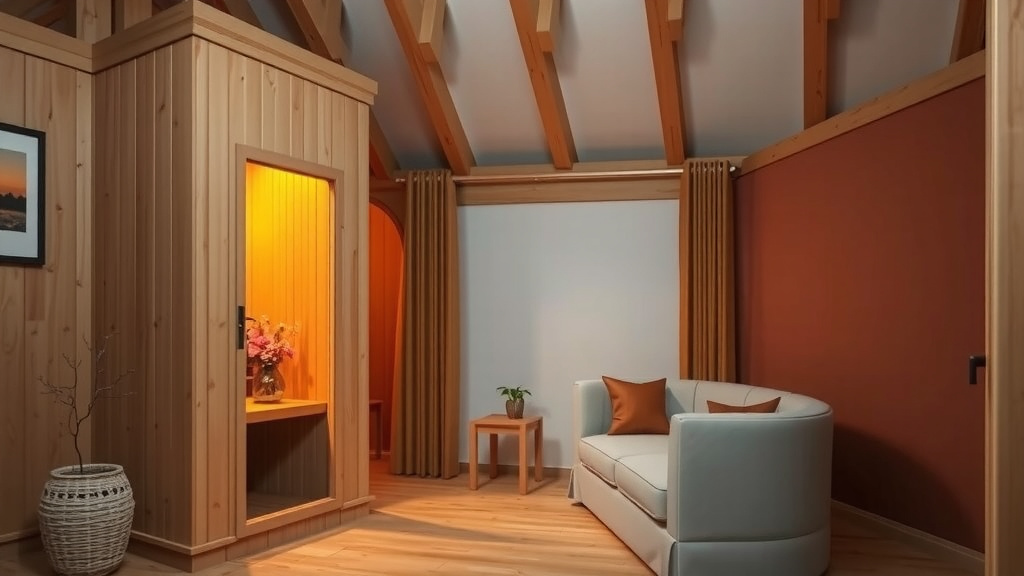
Overland Sauna vs Sweat Tent: Which is Right for You
Deciding between an overland sauna and a sweat tent depends on your priority: portability versus a full sauna experience. A sweat tent, often a simple fabric structure, offers quick setup and extreme portability for a portable sauna effect. An overland sauna, usually a more robust unit, provides a more authentic and hotter sauna experience but is heavier and takes longer to set up. For most overlanders seeking a quick sweat, a sweat tent is the practical choice, while a true sauna enthusiast might invest in a dedicated overland sauna.
When you’re out exploring, the dream of a hot sauna can seem far off. But both sweat tents and overland saunas aim to bring that relaxation to your campsite. We found that the key difference boils down to weight, size, heat retention, and ease of setup. Understanding these points helps you pick the right way to get your sweat on without needing a permanent structure.
- Sweat tents are lighter and faster to set up for a quick sauna session.
- Overland saunas offer a hotter, more traditional sauna feel but are bulkier.
- Consider your space and how much time you want to spend setting up.
- Think about the maximum temperature you want to achieve.
- Your personal preference for the sauna experience is key.
Let’s break down what each option entails, so you can make the best choice for your adventures.
Comparing Portable Sauna Options for Your Adventures
When you’re out in nature, the desire for a good sweat session is real. You might be wondering if a sweat tent or a dedicated overland sauna is the right choice for you. We’ve looked into it, and the main differences boil down to how much heat you can get and how much effort it takes to set up.
Understanding the Sweat Tent: Quick Heat, Easy Pack
Think of a sweat tent as your go-to portable heat chamber. It’s designed for speed and simplicity. You can get one up and running in just a few minutes. This makes it perfect for a quick sauna session after a long hike or a chilly evening.
What is a Sweat Tent?
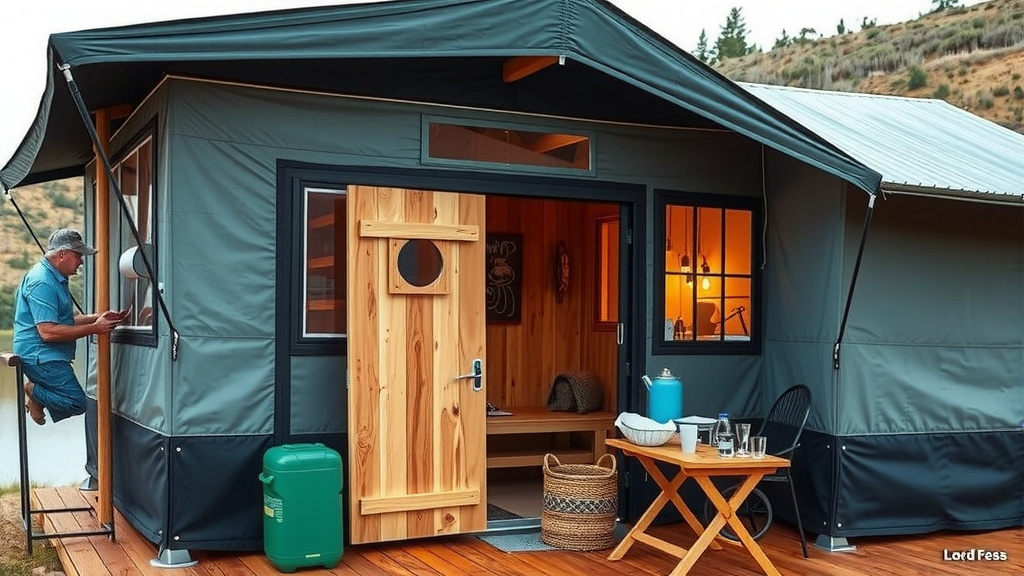
A sweat tent is typically a lightweight, fabric structure. It often uses a small wood-burning stove to heat the inside. The fabric traps the heat and steam, creating a steamy, warm environment. They are built with portability in mind, making them easy to toss into your rig.
Key Benefits of a Sweat Tent
- Fast Setup: Many can be erected in under 10 minutes.
- Lightweight: Easy to carry and pack.
- Affordable: Generally less expensive than a full overland sauna.
- Compact Storage: They fold down small for transport.
Potential Downsides
While convenient, sweat tents have limitations. The heat might not get as intense as a traditional sauna. The fabric can also be less durable than metal or wood. Long-term, frequent use might show wear and tear faster. Some users find the heat a bit inconsistent, and it might take longer to build up steam.
Exploring the Overland Sauna: The Authentic Experience
An overland sauna aims to bring a more traditional sauna experience to the outdoors. These are generally more robust and designed for better heat retention. If you’re serious about your sauna, this might be for you.
What is an Overland Sauna?
These are usually more substantial units, often made with metal, wood, or a combination. They might include a dedicated sauna stove designed for outdoor use. The construction focuses on insulation and heat retention. They often look and feel more like a real sauna, just in a portable package.
Advantages of an Overland Sauna
- Higher Temperatures: They can typically reach hotter temperatures than sweat tents.
- Better Heat Retention: The materials help keep the heat in for longer.
- More Durable: Built to last with sturdier materials.
- Authentic Feel: Offers a closer experience to a home sauna.
Considerations for Overland Saunas
The main trade-off here is weight and setup time. Overland saunas are heavier and bulkier. Setting them up can take more effort and time. You’ll need to plan for this when packing for your trip. Think about where you’ll store it and how much space it takes up.
We found that for some, the extra effort is well worth it for that genuine sauna heat. It’s like having a spa on wheels. But it’s important to be realistic about the logistics.
Direct Comparison: Sweat Tent vs. Overland Sauna
Let’s break down the key differences side-by-side. This will help you visualize which fits your trip style better. We gathered this information based on common features and user feedback.
| Feature | Sweat Tent | Overland Sauna |
|---|---|---|
| Portability | Excellent – lightweight and compact. | Good, but heavier and bulkier. |
| Setup Time | Very Fast (under 10 minutes). | Moderate (15-30+ minutes). |
| Maximum Temperature | Moderate – can get warm but not intensely hot. | High – can achieve traditional sauna temperatures. |
| Heat Retention | Fair – fabric can lose heat quickly. | Excellent – designed to hold heat well. |
| Durability | Moderate – fabric can wear over time. | High – often made with robust materials. |
| Cost | Generally lower. | Generally higher. |
As you can see, the sweat tent wins on convenience and speed. The overland sauna excels in performance and durability. It really comes down to what your personal priorities are for your outdoor adventures. Do you want a quick steam or a deep, hot soak?
Choosing What’s Right for Your Adventure Style
Your decision hinges on a few key factors. Think about how you typically travel and what you expect from your sauna experience. We suggest asking yourself these questions.
What is Your Priority?
If speed and ease are your top concerns, a sweat tent is likely your winner. You want to get your sweat on without a fuss. If you crave the hottest, most authentic sauna, and don’t mind a bit more work, an overland sauna might be better.
How Much Space Do You Have?
Consider your vehicle’s storage and your campsite setup. Sweat tents pack down small. Overland saunas need more dedicated space. You’ll also need room to set them up safely. Make sure you have enough clearance around the stove, especially with wood-burning models. Safety first, always!
What’s Your Budget?
Generally, sweat tents are more budget-friendly. They are a great entry point into portable saunas. Overland saunas are an investment. They tend to be pricier due to their construction and materials. Many experts suggest starting with a more affordable option if you’re new to this. (Cleveland Clinic)
Your Ideal Sauna Experience
Do you like it scorching hot, or is a gentle warmth enough? Some people love the intense heat that only a well-built sauna can provide. Others are happy with a steamy environment that loosens up their muscles. Your personal preference is a big factor here. Many studies show that sauna use can aid in muscle recovery. (NCBI)
Your Portable Sauna Checklist
Before you buy, run through this quick checklist. It will help solidify your choice:
- Do you need to set up in under 10 minutes?
- Is maximum portability a must-have?
- Do you want the hottest possible temperature?
- How much time can you commit to setup and takedown?
- What is your budget for this new adventure gear?
- Is a more durable, long-lasting unit more important than speed?
Answering these will guide you toward the option that best suits your lifestyle and travel plans.
Conclusion
Ultimately, your choice between a sweat tent and an overland sauna comes down to your adventure priorities. If you value quick setup and maximum portability for a steamy session, a sweat tent is your best bet. It’s a simple, fast way to warm up. However, if you crave a hotter, more authentic sauna experience and don’t mind a bit more effort in setup and packing, an overland sauna will likely satisfy your needs. Consider your space, budget, and how much time you want to dedicate to your relaxing ritual. Your ideal outdoor sauna awaits!
Frequently Asked Questions
Can I use a sweat tent in freezing temperatures?
Yes, you can use a sweat tent in freezing temperatures, but its heat retention might be less effective. The fabric walls can lose heat more quickly than a more insulated overland sauna. You may need to stoke the stove more frequently to maintain desired warmth.
Are overland saunas difficult to tow or transport?
Overland saunas are generally heavier and bulkier than sweat tents, so they can be more challenging to transport. Some are designed to be towed, while others might require a dedicated trailer or significant space in a larger overland vehicle. Always check the weight and dimensions before purchasing.
How do I ensure safety with a portable sauna stove?
Safety is key with any portable sauna. Ensure adequate ventilation around the stove and the sauna structure to prevent carbon monoxide buildup. Always clear the area around the stove of flammable materials and follow the manufacturer’s safety guidelines for setup and operation.
Which option is better for muscle recovery after hiking?
Both can help with muscle recovery, but an overland sauna will likely provide a more intense heat, which many find beneficial for deep muscle relaxation. A sweat tent can still offer a warming effect, but it may not reach the same therapeutic temperatures for post-hike soreness.
Can I use a sweat tent with just hot rocks instead of a stove?
Typically, sweat tents are designed to be used with a small wood-burning stove to generate heat and steam. Using only hot rocks without a heat source might not be sufficient to create a true sauna environment within the tent’s fabric structure. Sticking to the recommended stove is best.


![7 Best Budget Pop Up Tent [2026]](https://leonardhomeoutdoor.com/wp-content/uploads/2026/08/7-best-budget-pop-up-tent-2026-featured-768x432.jpg)