Overland Trailer vs Rooftop Tent: Which Is Right For You
When deciding between an overland trailer and a rooftop tent for your adventures, the main difference comes down to space and setup. Overland trailers offer more living and storage room but take longer to deploy, while rooftop tents are quicker to set up but have less interior space.
Both are fantastic ways to get off the beaten path and sleep comfortably outdoors. We found that choosing the right one depends on your travel style and what you prioritize most: convenience versus capacity. Think about how much gear you pack and how much time you want to spend setting up camp each night.
- Overland trailers give you more room and storage.
- Rooftop tents are faster to set up.
- Trailers need more setup time.
- Tents offer less living space inside.
- Your choice depends on your travel needs.
Let’s walk through the key differences between overland trailers and rooftop tents to help you make the best choice for your next trip.
Trailers vs. Rooftop Tents: Weighing Your Off-Road Sleeping Options
Choosing between an overland trailer and a rooftop tent comes down to your personal travel style and what you need most on your adventures. We’ve looked at both options to help you decide. Think about what makes a trip perfect for you.
Space and Comfort: What Do You Need?
One of the biggest differences you’ll notice is how much space each option provides. This impacts everything from sleeping arrangements to storing your gear.
The Advantage of an Overland Trailer
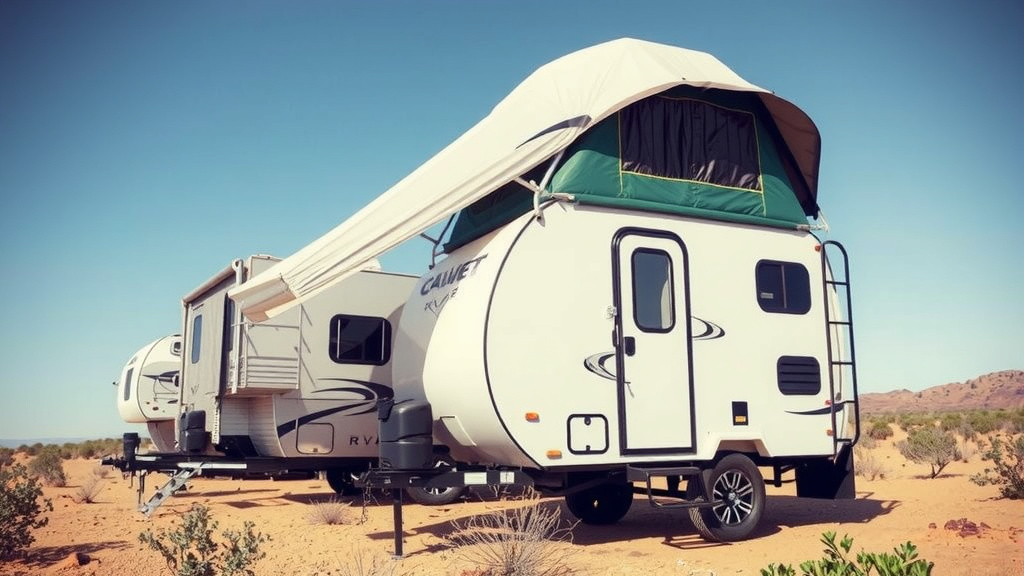
Overland trailers are like a mini-home on wheels. They often come with a dedicated sleeping area, kitchen facilities, and plenty of storage. You can stand up inside many of them. This makes them incredibly comfortable for longer trips. Imagine not having to crawl out of a small tent opening in the morning! You can easily access your food, clothing, and other essentials without needing to unpack your vehicle.
The Rooftop Tent Experience
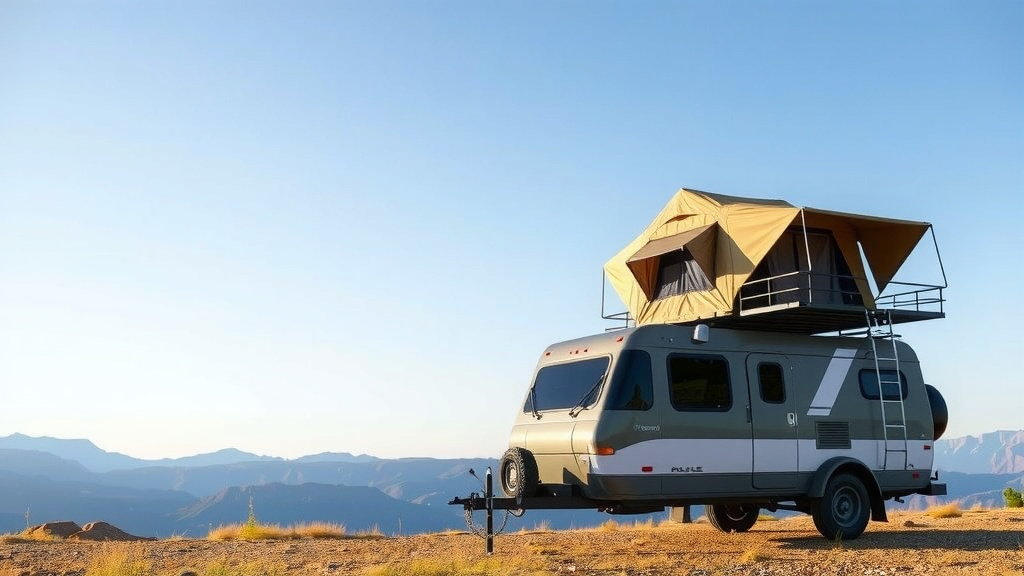
Rooftop tents are mounted on your vehicle’s roof rack. They deploy quickly, giving you a sleeping platform above the ground. While they offer a comfortable place to sleep, the interior space is usually limited to just your sleeping bags and maybe a few personal items. You won’t be able to stand up inside most rooftop tents. Think of it as a very sturdy, elevated tent with a built-in mattress. It’s cozy, but it’s not spacious.
Setup Time: Quick Deploy vs. Deeper Setup
How much time do you want to spend setting up camp? This is a major factor for many adventurers.
Rooftop Tent: Ready in Minutes
We found that rooftop tents are incredibly fast to set up. Most models can be opened in under two minutes. You simply unbuckle the tent, give it a push, and it pops open. Taking it down is just as quick. This is a huge benefit if you plan on moving camp frequently or arriving at your campsite late in the day. You can be ready to relax almost instantly. If quick setup is a priority, you might also want to explore the best budget pop up tent options.
Overland Trailer: More Involved Setup
Setting up an overland trailer typically takes a bit longer. You need to unhitch it from your vehicle, level it, and set up any attached awnings or annexes. This process can take anywhere from 10 to 30 minutes, depending on the trailer and how much you’re deploying. While not a deal-breaker for most, it’s something to consider if speed is your top priority.
Storage and Gear Capacity
Where will you put all your adventure gear? This is where overland trailers really shine.
Trailer: A Mobile Storage Unit
Overland trailers offer ample storage space. You can pack everything from camping chairs and coolers to tools, water tanks, and even bicycles. Many trailers have built-in storage compartments and racks. This means your vehicle stays less cluttered, and you have easy access to everything you need. Many people use them to carry bulky items that simply won’t fit in a standard vehicle.
Rooftop Tent: Limited Extra Space
With a rooftop tent, your vehicle’s cargo space is still your primary storage solution. You’ll need to pack all your gear inside your car, truck, or SUV. This can be a challenge if you have a lot of equipment or if you’re traveling with multiple people. You might need to be more selective about what you bring, or consider a roof box on your vehicle for extra capacity.
Off-Road Capability and Vehicle Impact
How do these options affect your driving experience?
Driving with a Trailer
Towing an overland trailer changes how your vehicle handles. You’ll need to be mindful of the trailer’s length and width when maneuvering. Off-road towing requires extra skill and caution. Steep inclines, tight turns, and rough terrain can be challenging with a trailer. Some trailers are designed for serious off-roading, but they still add weight and complexity to your drive.
Driving with a Rooftop Tent
A rooftop tent adds weight to your vehicle’s roof, which can affect its center of gravity and handling, especially in windy conditions. However, it generally doesn’t impede your vehicle’s off-road capabilities as much as a trailer. You can still navigate tighter trails and more challenging terrain. Most modern SUVs and trucks can handle the added weight without significant issues. You might see a slight decrease in fuel efficiency, however.
Cost Considerations
Both options represent an investment in your adventures, but prices can vary widely.
Trailer Investment
Overland trailers can range from a few thousand dollars for a basic model to tens of thousands for a fully equipped, expedition-ready unit. The initial cost can be higher than a rooftop tent. You also need to consider the towing capacity of your vehicle, and sometimes modifications might be needed.
Rooftop Tent Pricing
Rooftop tents typically start at around $1,000 and can go up to $4,000 or more for premium models. This is often a more accessible price point for many. You also need to ensure your vehicle has a compatible roof rack system, which can add to the total cost.
Making Your Choice: A Quick Checklist
To help you decide, ask yourself these questions:
- Do you prioritize quick setup at the end of a long day?
- How much gear do you typically pack for a trip?
- Is having standing room and a more open living space important to you?
- How comfortable are you with towing and maneuvering a trailer off-road?
- What is your overall budget for your overland setup?
- Do you plan on frequenting remote locations with very challenging terrain?
Comparing Key Features at a Glance
Here’s a simple table to summarize the main differences:
| Feature | Overland Trailer | Rooftop Tent |
|---|---|---|
| Living Space | More interior space, can stand up. | Limited interior space, no standing room. |
| Setup Speed | 10-30 minutes. | 1-2 minutes. |
| Gear Storage | Ample dedicated storage. | Relies on vehicle’s storage. |
| Off-Road Driving | More challenging, requires skill. | Less impact, more maneuverable. |
| Cost | Generally higher initial investment. | Generally lower initial investment. |
| Comfort | Can be like a small camper. | Elevated sleeping, cozy. |
Conclusion
Deciding between an overland trailer and a rooftop tent boils down to your priorities. We found that trailers offer unmatched space and storage for longer trips and more gear. They feel like a small, mobile cabin. Rooftop tents excel in setup speed and maintaining your vehicle’s agility on challenging terrain. You get quick shelter above the ground. Consider how much space you truly need versus how fast you want to get settled. Your next adventure awaits, so choose the setup that best fits your travel style and comfort level.
Frequently Asked Questions
Can I use a rooftop tent if my vehicle isn’t a 4×4?
Yes, you absolutely can! Many rooftop tents are designed for a wide range of vehicles, including sedans, crossovers, and minivans. You’ll need a sturdy roof rack system capable of handling the tent’s weight, but a dedicated 4×4 isn’t always a requirement.
Is an overland trailer difficult to maneuver in tight spots?
Towing any trailer, including an overland one, adds length and a turning radius to your vehicle. We found that practice is key. You’ll need to be more aware of your surroundings and take wider turns than you would without a trailer.
What happens to my vehicle’s cargo space when I have a rooftop tent?
Your vehicle’s cargo space remains available for gear storage, just as it would be without a rooftop tent. The tent itself is mounted on the roof, so your trunk or bed remains free for packing camping essentials, coolers, and other equipment.
Can I leave my overland trailer set up while I explore nearby areas?
Yes, in many cases. If you’re staying at a campsite for a few days, you can unhitch your overland trailer and use your vehicle for day trips. This gives you the convenience of a base camp that stays ready for your return.
Which option is better for solo travel?
For solo travel, both can work well, but a rooftop tent often has an edge in quick setup and mobility. If you’re moving camp frequently or want minimal fuss after a long day of driving, a rooftop tent is incredibly convenient. If you prefer more space and a more comfortable, home-like setup, even for one, a trailer could still be a great choice.


![7 Best Backpacking Tent For Tall Person [2026]](https://leonardhomeoutdoor.com/wp-content/uploads/2026/08/7-best-backpacking-tent-for-tall-person-2026-featured-768x432.jpg)