How Cold Is Too Cold to Sleep in a Tent?
Generally, sleeping in a tent is considered safe down to about 20°F (-7°C) for most people. Going much colder than that means you’re entering risky territory where hypothermia becomes a real concern. Your body needs a certain internal temperature to function properly, and extreme cold makes this very difficult.
However, the exact “too cold” temperature depends heavily on your gear and preparation. A lightweight bag won’t cut it in freezing temps. Staying dry is also a major factor. You can often sleep comfortably in surprisingly low temperatures if you have the right equipment and knowledge.
- The general safe limit for tent sleeping is around 20°F (-7°C).
- Going below this temperature increases the risk of hypothermia.
- Your gear, especially your sleeping bag, is critical for warmth.
- Staying dry is just as important as having a warm sleeping bag.
- Preparation can allow comfortable camping in colder conditions.
Let’s break down what makes a tent feel colder than it is and how you can stay warm and safe on your next chilly camping trip.
When Does Tent Camping Get Too Cold?
Knowing the safe temperature limits for sleeping in a tent is essential for your comfort and safety. Generally, most people can sleep safely in a tent down to about 20°F (-7°C) without experiencing serious health risks. Temperatures below this can quickly become dangerous, raising the chances of hypothermia.
Your body works hard to maintain a core temperature of around 98.6°F (37°C). When the outside air is much colder, your body has to work even harder. This is especially true when you’re sleeping and your metabolism slows down. Falling below that 20°F threshold means your body might struggle to keep itself warm enough, leading to dangerous conditions.
Understanding Temperature Ratings
When you look at sleeping bags, you’ll often see temperature ratings. These ratings aren’t always a guarantee. They are typically based on a “comfort” rating, which assumes a moderately clothed person sleeping soundly. Some bags use a “limit” rating, which is the lowest temperature where an average person can sleep for eight hours without waking up cold.
It’s wise to choose a sleeping bag rated for temperatures lower than you expect. If you’re going camping in 30°F weather, a 30°F bag might leave you shivering. A 20°F or even 0°F bag would be a safer bet. Always factor in the “worst-case scenario” temperature when selecting your gear.
The Role of Your Sleeping Pad
Many campers overlook the sleeping pad, but it’s incredibly important for warmth. The ground can suck heat right out of your body. Your sleeping pad acts as a barrier, insulating you from the cold earth. Look at the R-value on sleeping pads; a higher R-value means better insulation. For cold weather, aim for an R-value of 4 or higher.
Why R-Value Matters
The R-value is a number that tells you how well a material resists heat flow. Higher numbers mean better insulation. For summer camping, an R-value of 1-3 might be enough. But once temperatures drop near freezing, you’ll want a pad with an R-value of 4 to 6. Some people even use two pads for extra warmth in extreme cold.
Factors That Influence Your Cold Tolerance
Several personal and environmental factors play a role in how cold you feel in a tent. It’s not just about the thermometer reading. What works for one person might not work for another, even with the same gear.
Your Gear is Your First Line of Defense
Your sleeping bag is your primary shield against the cold. A bag rated for mild temperatures simply won’t cut it in freezing conditions. Down insulation is lighter and warmer for its weight, but it loses its loft and insulating power when wet. Synthetic insulation is heavier but performs better when damp.
Don’t forget about your tent. A well-designed tent can trap body heat. Four-season tents are built to withstand snow and wind and offer better insulation. Even a good three-season tent will perform better if it’s properly staked and has no drafts. Proper ventilation is also key to prevent condensation, which can make everything damp and cold.
The Importance of Staying Dry
This cannot be stressed enough: staying dry is as critical as having warm gear. When your clothes or sleeping bag get wet, they lose their ability to insulate. Even a little bit of moisture can make you feel much colder. This is why moisture-wicking base layers are so important for cold-weather camping.
Sweat can chill you to the bone. By wearing layers that move moisture away from your skin, you stay drier and warmer. Avoid cotton, as it holds moisture. Instead, opt for wool or synthetic fabrics. Think of it like this: your sleeping bag is a car, and staying dry is the fuel that keeps it running smoothly.
What You Eat and Drink Matters
Your body generates heat through metabolism. Eating enough calories helps fuel this process. Before bed, a warm, high-calorie meal can significantly boost your internal temperature. Think hearty stews or pasta dishes.
Hydration is also key, but be mindful of what you drink. Warm, non-caffeinated, and non-alcoholic beverages are best before bed. Alcohol and caffeine can actually make you feel warmer initially but lead to greater heat loss later. Water is great, but make sure it’s not ice-cold. Some people even keep a water bottle in their sleeping bag to prevent it from freezing and to provide a little extra warmth.
Your Physical and Mental State
Being tired or stressed can make you feel colder. Your body conserves energy when exhausted. Cold also affects your mood and decision-making. Staying positive and calm can help you manage the cold better. Getting enough sleep, even in a cold tent, helps your body regulate its temperature more effectively.
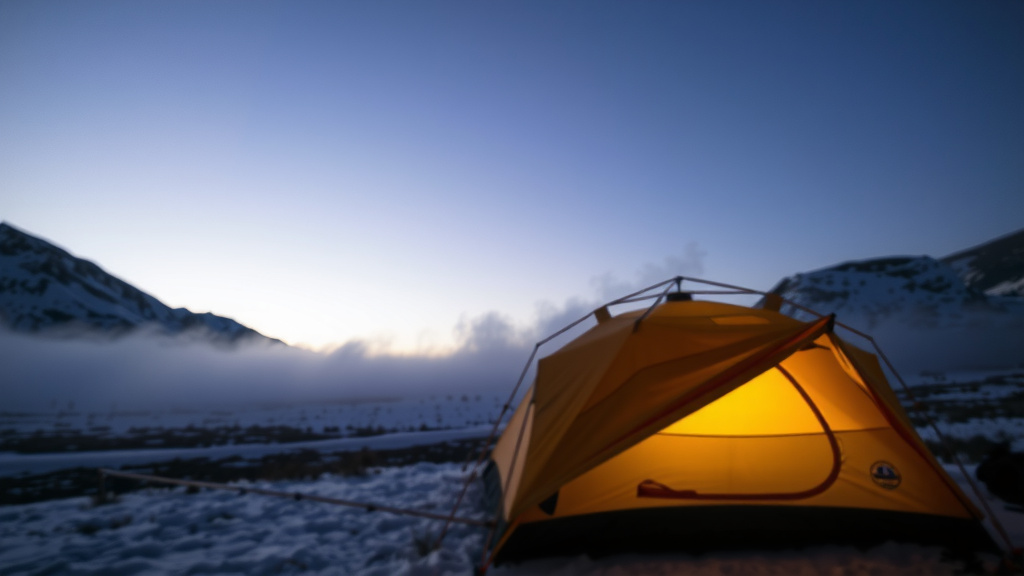
Making Your Tent a Warm Haven
Even if your gear isn’t top-of-the-line, you can take steps to stay warmer. Preparation is key for any successful cold-weather camping trip. Small tricks can make a big difference.
Layering is Your Best Friend
Think in terms of layers. A good base layer wicks moisture. A mid-layer provides insulation, like fleece or down. An outer layer protects you from wind and rain. You can add or remove layers as needed to maintain a comfortable temperature. Never wear all your insulating layers to bed if you’re sweating.
Pre-Warm Your Sleeping Bag
A cold sleeping bag is hard to warm up. Before you get in, toss a hot water bottle (a Nalgene bottle filled with hot water works well) into your bag for about 15-20 minutes. This pre-heats the bag, making it much more comfortable from the start.
Huddle Up (If You’re Not Alone!)
If you’re camping with a partner, body heat can be a great source of warmth. Sleeping close together in the same tent can significantly raise the internal temperature. Just make sure you have enough space and ventilation to avoid excessive condensation.
Don’t Breathe into Your Bag
It might seem like a good idea to breathe into your sleeping bag to warm it up, but it actually makes things worse. Your breath contains moisture, and this moisture will condense inside your bag, making the insulation less effective over time. Keep your mouth and nose out of the bag.
Mind Your Extremities
Your hands, feet, and head lose heat quickly. Always wear a hat to bed, even if it feels unnecessary. Warm socks are a must. Consider bringing glove liners for your hands if you tend to get cold. Keeping these parts of your body warm helps your overall body temperature.
Ventilate Properly
This sounds counterintuitive when you’re trying to stay warm, but ventilation is vital. A properly ventilated tent reduces condensation. Moisture buildup inside your tent can make your sleeping bag and clothes damp, significantly lowering your perceived temperature. Crack a vent or two, even when it’s cold outside.
Here’s a quick checklist to help you prepare:
- Choose a sleeping bag rated 10-15°F colder than expected low temps.
- Pack a sleeping pad with an R-value of 4+ for cold weather.
- Wear moisture-wicking base layers; avoid cotton.
- Eat a warm, calorie-rich meal before bed.
- Bring a hat and warm socks for sleeping.
- Ensure your tent has some form of ventilation.
Conclusion
You now know that sleeping in a tent can be safe even when temperatures drop, with a general limit around 20°F (-7°C). But your gear and preparation are the real game-changers. A good sleeping bag rated for colder temps, a high R-value sleeping pad, and staying dry are your best defenses against the chill.
Remember, personal factors like what you eat and your overall state matter too. Don’t forget simple tricks like pre-warming your bag and wearing a hat to bed. With the right approach, you can transform your tent into a cozy haven, no matter the weather. Ready to plan your next cool-weather adventure?
Frequently Asked Questions
How can I tell if my sleeping bag is warm enough for the temperature?
Look for the temperature rating on your sleeping bag. It’s often listed as a “comfort” or “limit” rating. We recommend choosing a bag rated about 10-15°F colder than the lowest temperature you expect to encounter for added warmth.
What’s the difference between a sleeping bag’s comfort and limit rating?
The comfort rating is for an average person sleeping soundly, while the limit rating is the lowest temperature where a typical person can sleep without waking up cold. It’s safer to rely on the limit rating or err on the side of a warmer bag.
Besides a sleeping bag, what else is crucial for staying warm in a tent?
Your sleeping pad is incredibly important. It insulates you from the cold ground, which can sap your body heat. Look for a pad with a higher R-value, ideally 4 or more, for cold-weather camping.
Is there a best type of clothing to wear inside a sleeping bag?
Yes, wear moisture-wicking base layers made of wool or synthetics. Avoid cotton, as it holds moisture and can make you feel cold. Always wear a hat and warm socks to bed to protect your extremities.
Can condensation in my tent really make me colder?
Absolutely. Condensation means moisture is building up inside your tent, which can dampen your sleeping bag and clothes. Damp gear loses its insulating power, making you feel much colder. Proper ventilation helps reduce this moisture.
![7 Best Affordable Tents For Camping [2026]](https://leonardhomeoutdoor.com/wp-content/uploads/2026/08/7-best-affordable-tents-for-camping-2026-featured-768x432.jpg)
![7 Best Backpacking Tents [2026]](https://leonardhomeoutdoor.com/wp-content/uploads/2026/06/7-best-backpacking-tents-2026-featured-768x432.jpg)