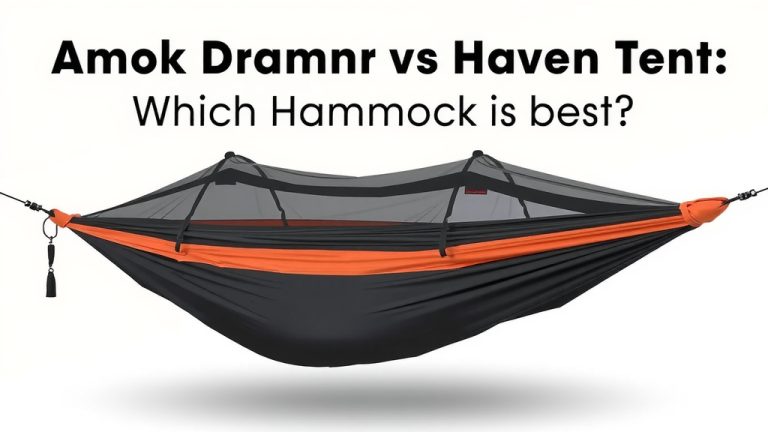
Hammock vs Tent: Which is Best for Your Sleep
Deciding between a hammock and a tent for your next camping trip? For most campers seeking comfort and a minimalist setup, a hammock is the better choice, especially in warmer weather. Hammocks offer a unique sleeping experience with less ground impact. Tents provide more versatile protection against elements.
While tents offer superior shelter from rain and insects, hammocks can be surprisingly comfortable and lightweight for backpackers. Many hammock campers find them easier to set up When you’re choosing your next camping shelter, you’re probably looking at two main types: air tents and pole tents. than traditional tents. You’ll want to consider your typical camping conditions and priorities. We found that both have their unique perks.
- Hammocks are generally more comfortable and lighter for warm weather.
- Tents offer better protection from rain, bugs, and wind.
- Hammock setup can be quicker than pitching a tent.
- Hammocks are great for minimizing your environmental impact.
Let’s break down the pros and cons of sleeping in a hammock versus a tent so you can pick the perfect setup for your adventures.
Hammock vs. Tent: Your Ultimate Sleep Setup Comparison
So, you’re wondering which is better for your outdoor nights: a hammock or a tent? We’ve done the research, and the answer really depends on your personal preferences and where you plan to camp. For many, the choice boils down to comfort, convenience, and the type of environment you’ll be in. Choosing between a camping tent and a backpacking tent really comes down to where you’re headed and how you’re getting there.
Understanding the Core Differences
The Hammock Experience
Imagine this: you’re suspended between two sturdy trees, gently swaying in the breeze. That’s the magic of a hammock. It’s not just a place to sleep; it’s an experience. Hammocks are generally lighter and take up less space than tents, making them a favorite for backpackers and ultralight campers. They also leave a minimal footprint on the environment, which is a big plus for eco-conscious adventurers.
The Tent Advantage
Now, picture a tent. It’s your personal, portable shelter. Tents offer robust protection from the elements. Think rain, wind, and especially bugs. They create a contained space that can feel more secure, like having your own little room in the wilderness. Tents are the tried-and-true option for a reason, offering versatility in almost any camping scenario.
Comfort Factors: Where You’ll Sleep Best
Sleeping Comfort in a Hammock
Many people find hammocks incredibly comfortable, almost like a cocoon. The key is learning to lie diagonally, which flattens out the sag and gives you a more level sleeping surface. It takes a little practice, but once you nail it, you’ll feel like you’re sleeping on a cloud. Some campers even report better sleep than in their own beds!
Sleeping Comfort in a Tent
Tent comfort is more traditional. You have a flat, stable surface to lay your sleeping pad and bag on. If you’re used to a regular bed, this might feel more familiar and comfortable initially. However, you’re also sleeping on the ground, which can mean feeling rocks or roots if your pad isn’t thick enough. Your experience will depend heavily on your sleeping pad quality.
Setup and Portability: Getting Camp Ready
Hammock Setup Speed and Simplicity
One of the biggest wins for hammocks is their quick setup. Find two trees about 10-15 feet apart, attach your suspension system, clip in your hammock, and you’re done! Most setups take just a few minutes. It’s fantastic when you arrive at camp late or just want to relax faster.
Tent Pitching: The Traditional Approach
Pitching a tent is a more involved process. You’ll need to find a flat spot, lay out the tent, insert poles, stake it down, and attach the rainfly. While not difficult, it can take 10-20 minutes, especially if it’s windy or you’re setting it up for the first time. It requires more space and a clear patch of ground.
We’ve found that the average setup time for a simple dome tent can be around 15 minutes, whereas a hammock setup, including a bug net and tarp, can often be under 10 minutes. This difference can be quite significant after a long day of hiking.
Protection from the Elements: Staying Dry and Bug-Free
Hammock Weather Protection
This is where tents often shine. Hammocks, by nature, are open to the elements unless you add accessories. To get real protection, you’ll need a hammock tarp for rain and a bug net for insects. Without these, you’re exposed. Even with a tarp, strong winds can be an issue, and heavy rain might find its way in.
Tent Shelter Capabilities
Tents are built for shelter. Their sealed design keeps out rain, wind, and bugs effectively. A good quality tent with a properly attached rainfly will keep you dry and comfortable even in a downpour. They create a secure barrier against the outside world, offering peace of mind in unpredictable weather.
When comparing protection, a tent typically offers more comprehensive defense. For example, the Centers for Disease Control and Prevention (CDC) often recommends proper shelter for protection against vector-borne diseases, which a fully enclosed tent aids in preventing (CDC).
Weight and Packability: Your Backpack’s Burden
The Lightweight Hammock System
Hammock camping gear is generally lighter and more compact. A hammock, suspension straps, a small tarp, and a bug net can weigh as little as 2-3 pounds. This is a dream for backpackers who count every ounce. You can easily stuff it all into a small corner of your pack.
Tent Weight Considerations
Tents vary greatly in weight, but even lightweight backpacking tents usually start around 3-4 pounds for a single person. Larger or more durable tents can easily weigh 5-10 pounds or more. This extra weight can be noticeable on longer trips.
Consider this: a typical hammock setup might weigh around 2.5 lbs, while a decent 1-person backpacking tent might be 3.5 lbs. That’s a pound saved right there! This makes a big difference over miles.
Environmental Impact: Treading Lightly
Hammocks’ Low Ground Impact
One of the greatest benefits of hammocks is their minimal impact on the environment. You’re not disturbing the ground by pitching a tent or creating a large campsite. This is especially important in sensitive areas or established campsites where ground impact is a concern. Many park services encourage or require Leave No Trace practices, which hammocks help with.
Tent’s Ground Footprint
Tents require a relatively flat patch of ground, and while experienced campers aim to minimize their impact, there’s still a footprint. You’re sleeping on the soil, potentially compressing vegetation or disturbing the ground. Choosing a durable surface or using a footprint can help, but it’s still more impact than hanging a hammock.
Making Your Choice: What Works For You?
To help you decide, let’s look at a few key scenarios. Do you typically camp in warm, mild weather with plenty of trees? A hammock might be your perfect match. If you often camp in areas with fewer trees, or if you expect challenging weather like heavy rain or strong winds, a tent likely offers more security and comfort.
Many backpackers find that the combination of weight savings and comfort makes hammocks superior for their needs, especially on multi-day trips where every ounce counts. However, if you’re car camping with your family and need space for gear and to move around, a tent is almost certainly the way to go.
Checklist: Your Quick Decision Guide
- Are there always trees available where you camp?
- Do you prioritize extreme light weight for backpacking?
- Do you sleep best when slightly elevated and cradled?
- How often do you camp in heavy rain or windy conditions?
- Are you comfortable sleeping in an open-air setup (with add-ons)?
- Is minimizing ground impact a high priority for you?
Conclusion
Choosing between a hammock and a tent comes down to your personal camping style and environment. For warm weather, light travel, and a unique sleeping experience, your hammock system might be your best bet. It’s faster to set up and kinder to the ground you tread on. However, if you prioritize robust protection from rain, wind, and bugs, or if you’re car camping with extra gear, a tent still reigns supreme for its all-weather security. We’ve found both offer fantastic nights under the stars. Your next adventure awaits – pick the shelter that best suits your journey!
Frequently Asked Questions
Can I really sleep comfortably in a hammock all night?
Many campers find hammocks surprisingly comfortable once they learn to lie diagonally. This flattens the sag and provides a more level surface, often leading to better sleep than on the ground. It takes a little practice, but the cradled feeling is a big plus for many.
What if it rains when I’m in a hammock?
A basic hammock offers little rain protection. You’ll need to invest in a hammock tarp to stay dry during precipitation. Even with a tarp, heavy winds or driving rain can sometimes find their way in, which is where a tent generally provides superior shelter.
Are hammocks safe for my back?
For most people, sleeping in a hammock is quite comfortable and doesn’t pose a risk to your back. The key is proper setup and finding a comfortable sleeping position. If you have specific back concerns, we recommend consulting with a medical professional.
How much space do I need to set up a hammock?
You’ll need two sturdy trees or anchor points spaced about 10 to 15 feet apart. The ground beneath doesn’t need to be perfectly flat, which can be an advantage in hilly terrain. Just ensure your anchor points are strong enough to support your weight.
Can I use a tent in my backyard for casual use?
Absolutely! Tents are great for backyard camping, allowing you to enjoy the outdoors without a long trip. They provide a contained space for kids to play or for a unique sleepover experience. Just make sure you have a flat, clear spot for setup.

![7 Season Tents For Camping [2026]](https://leonardhomeoutdoor.com/wp-content/uploads/2026/08/7-season-tents-for-camping-2026-featured-768x432.jpg)