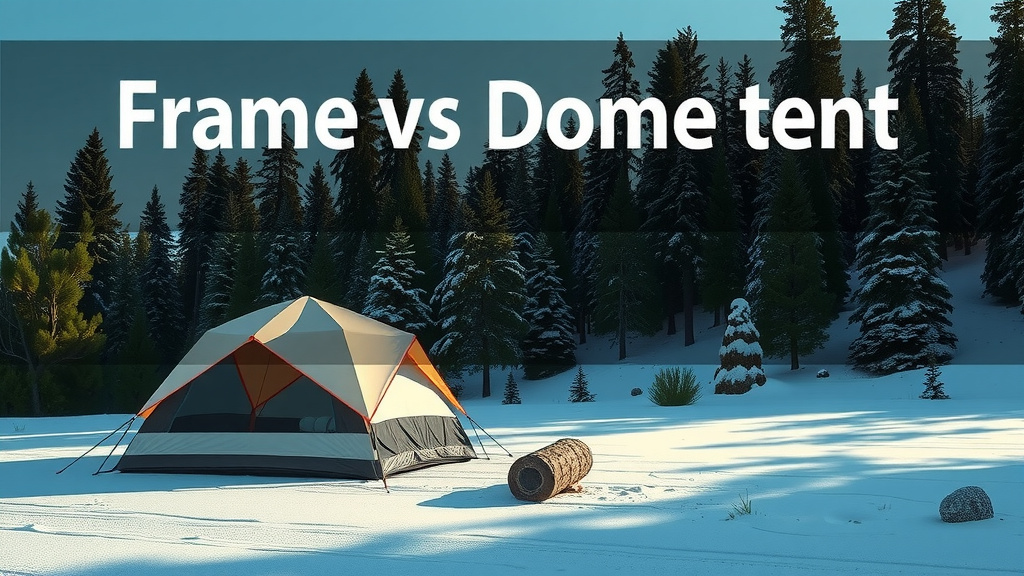
Frame vs Dome Tent: Which Is Right For Your Camping Trip
When choosing between a frame tent and a dome tent, consider that frame tents offer more interior headroom and usable space, making them better for events, while dome tents are generally lighter and easier to set up for recreational camping. Frame tents use a supportive pole structure, while dome tents rely on flexible poles that flex and bend to create their shape. Both have their own strengths depending on your needs.
Deciding which tent style is right for you involves understanding their core differences in design and function. While a frame tent provides a spacious, open feel often preferred for hosting, a dome tent prioritizes portability and quick assembly for personal adventures. We’ve researched both to help you make the best choice for your camping or event needs.
- Frame tents offer more headroom and space.
- Dome tents are lighter and easier to set up.
- Frame tents are ideal for events and gatherings.
- Dome tents are great for backpacking and casual camping.
- Your choice depends on space needs versus portability.
Let’s walk through the key differences between frame and dome tents, so you can pick the perfect one for your next outdoor adventure or gathering.
Understanding Tent Styles: Frame vs. Dome
Choosing the right tent can make or break your outdoor experience. You’re likely wondering about the main differences between a frame tent and a dome tent. We’ve looked into it, and the core distinction lies in how they are supported and their resulting shape. Frame tents use an external pole structure. Dome tents use flexible poles that flex to create their shape.
Frame Tents: Your Spacious Event Solution
Frame tents are designed with spaciousness and stability in mind. They often look like open-air pavilions. You’ll commonly see them at weddings, festivals, or backyard parties. Their sturdy construction makes them a reliable choice for gatherings where people will be spending a lot of time inside.
The Structure of Frame Tents
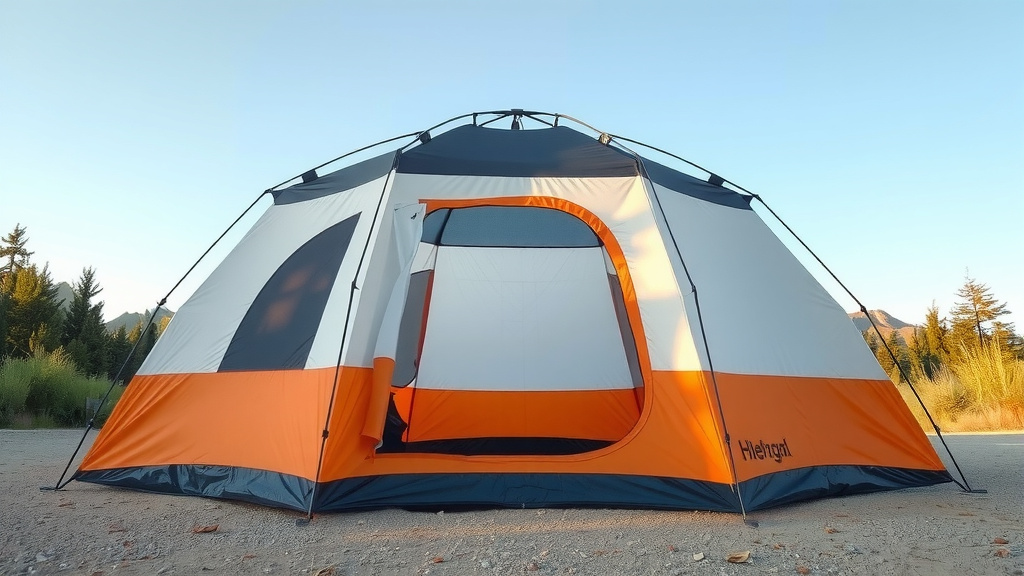
Unlike dome tents, frame tents don’t rely on the fabric to hold their shape. Instead, they use an external framework of metal poles. These poles connect to form a rigid structure. The tent fabric, often vinyl or canvas, is then draped over this frame. Think of it like a roof supported by pillars.
Advantages of Frame Tents
The biggest advantage is the interior headroom. Because there are no poles sagging into the living space, you get a lot of vertical room. This makes them feel much more open and airy. You can stand up comfortably anywhere inside. This is a huge plus for events where guests mingle.
Frame tents also offer a lot of usable floor space. The walls are typically straight, not sloped. This means you can push furniture right up against the sides. You can fit more tables, chairs, or other amenities. They are also generally more resistant to wind once properly secured.
Disadvantages of Frame Tents
However, frame tents are not always the most portable option. Their rigid structure can make them heavy and bulky to transport. Setting them up often requires more than one person. It can also take more time to assemble the frame and attach the fabric securely. They are not ideal for spontaneous camping trips.
When to Choose a Frame Tent
Frame tents shine when you need ample, open space. Consider a frame tent for:
- Outdoor parties and receptions
- Community events and markets
- Temporary shelters for vendors
- Backyard gatherings where you need shade and protection
If your priority is creating a comfortable, spacious environment for a group, a frame tent is often the better choice. Their stability and roominess are hard to beat for these purposes.
Dome Tents: Your Adventure-Ready Companion
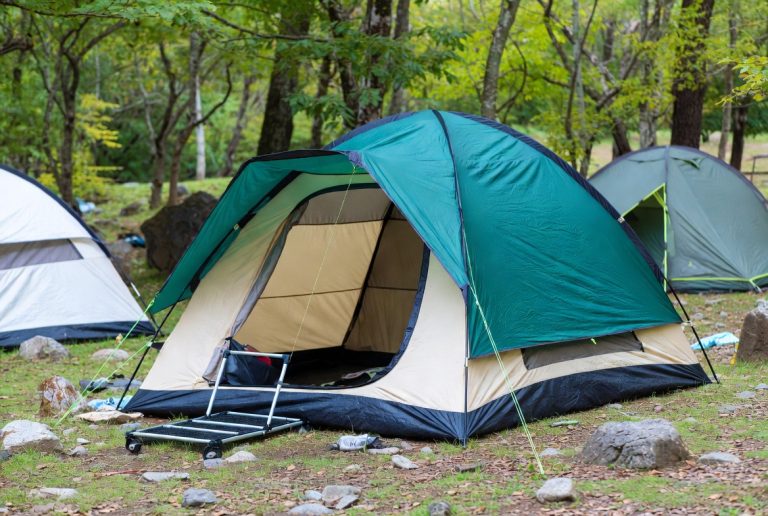
Dome tents are the go-to for many recreational campers and backpackers. Their design prioritizes ease of use and portability. You’ll find them in all shapes and sizes, from small two-person models to larger family domes.
The Anatomy of a Dome Tent
Dome tents get their name from their shape. They use flexible poles that bend and cross over the tent’s interior. These poles create tension with the fabric, giving the tent its dome-like structure. Most modern dome tents have poles that are shock-corded, meaning they snap together automatically.
Ease of Setup
One of the most appealing features of dome tents is their quick and easy setup. The flexible poles slide through sleeves or clip onto the tent body. You can often set up a basic dome tent by yourself in under 10 minutes. This is a huge advantage after a long hike or when you arrive at the campsite late.
Portability and Weight
Dome tents are typically lighter and more compact than frame tents. The flexible poles are often made of fiberglass or aluminum, which are lightweight materials. This makes them ideal for backpacking or any situation where you need to carry your gear. They usually pack down into a manageable size for transport.
Weather Resistance
While not as inherently rigid as frame tents, dome tents are designed to be aerodynamic. Their curved shape helps them shed wind and rain effectively. Many come with rainflies that extend to the ground, offering excellent protection from the elements. Many camping guides suggest their low profile is beneficial in windy conditions (U.S. National Park Service).
When to Choose a Dome Tent
Dome tents are excellent for:
- Backpacking trips
- Weekend camping excursions
- Solo or small group adventures
- Situations where quick setup is essential
- When you need a tent that’s easy to carry
If you’re looking for a tent that’s easy to manage and can handle typical camping conditions, a dome tent is a fantastic option. They offer a good balance of space, weight, and protection.
Key Differences at a Glance
To help you visualize, let’s put the main points side-by-side. This comparison should make your decision clearer.
| Feature | Frame Tent | Dome Tent |
|---|---|---|
| Support Structure | External rigid poles | Internal flexible poles |
| Interior Space | High, open, straight walls | Lower, sloped walls, potentially less usable edge space |
| Setup Ease | More complex, takes longer, often needs help | Quick, simple, often solo-friendly |
| Portability | Heavier, bulkier | Lighter, more compact |
| Best For | Events, gatherings, parties | Recreational camping, backpacking |
| Weather Resistance | Stable in wind when properly anchored, can be less aerodynamic | Aerodynamic, good in wind and rain when designed well |
Making Your Final Choice
So, which one is right for you? It really comes down to your primary use case. Are you hosting an event where space and standing room are key? A frame tent will likely serve you best. Do you plan on hiking to your campsite or just want something easy to pitch for a weekend getaway? A dome tent is probably your winner.
Think about your typical outdoor activity. For most casual campers, the convenience of a dome tent is hard to beat. However, if you’re organizing an outdoor wedding or a large festival booth, the spaciousness of a frame tent is essential. Researching specific models within each category can also help, as quality and features can vary widely.
Your Tent Checklist:
Before you buy, consider these points:
- What is the primary purpose of the tent? (Event vs. camping)
- How much interior space do you realistically need?
- How important is ease of setup and portability?
- What is your budget for a tent?
- How many people will typically use the tent?
- What kind of weather conditions do you expect to encounter?
Conclusion
You’ve seen how frame tents and dome tents serve different outdoor needs. Frame tents excel when you need lots of open, standing room for events. They offer that pavilion feel for gatherings. On the other hand, dome tents are your go-to for camping adventures. Their lightweight design and quick setup make them easy to manage. Your choice really boils down to prioritizing event-style spaciousness or camping-style portability and speed. Now that you know the differences, think about your next outdoor plan and pick the tent that fits best.
Frequently Asked Questions
Can I use a frame tent for camping?
While you could technically use a frame tent for camping, it’s generally not ideal. Frame tents are heavy and bulky to transport. They also require more effort and often multiple people to set up. Dome tents are much better suited for traditional camping scenarios.
Are dome tents good in windy conditions?
Yes, many dome tents are designed to be aerodynamic. Their curved shape helps them withstand wind effectively by allowing gusts to pass over them. However, proper staking and guy lines are always important for any tent in windy weather.
How much interior space does a frame tent really offer?
Frame tents offer substantial interior space with high ceilings and straight walls. This design maximizes usable floor space, allowing you to stand comfortably anywhere inside. You can easily fit furniture and move around without feeling cramped, making them great for entertaining.
Is it hard to set up a dome tent by myself?
No, dome tents are known for their easy setup. Most models are designed for solo assembly. The flexible poles are usually shock-corded and slide easily into sleeves or attach with clips, allowing you to pitch the tent quickly, often in under 15 minutes.
Which type of tent is better for festivals?
For attending festivals where you might set up a base camp for a few days, a dome tent is often the better choice. They are easier to transport to the festival grounds and simpler to set up quickly. Frame tents are usually too large and complex for typical festival camping.

![7 Best Tent For Family Of 6 [2026]](https://leonardhomeoutdoor.com/wp-content/uploads/2026/09/7-best-tent-for-family-of-6-2026-featured-768x432.jpg)
![7 Best Affordable Backpacking Tents [2026]](https://leonardhomeoutdoor.com/wp-content/uploads/2026/08/7-best-affordable-backpacking-tents-2026-featured-768x432.jpg)